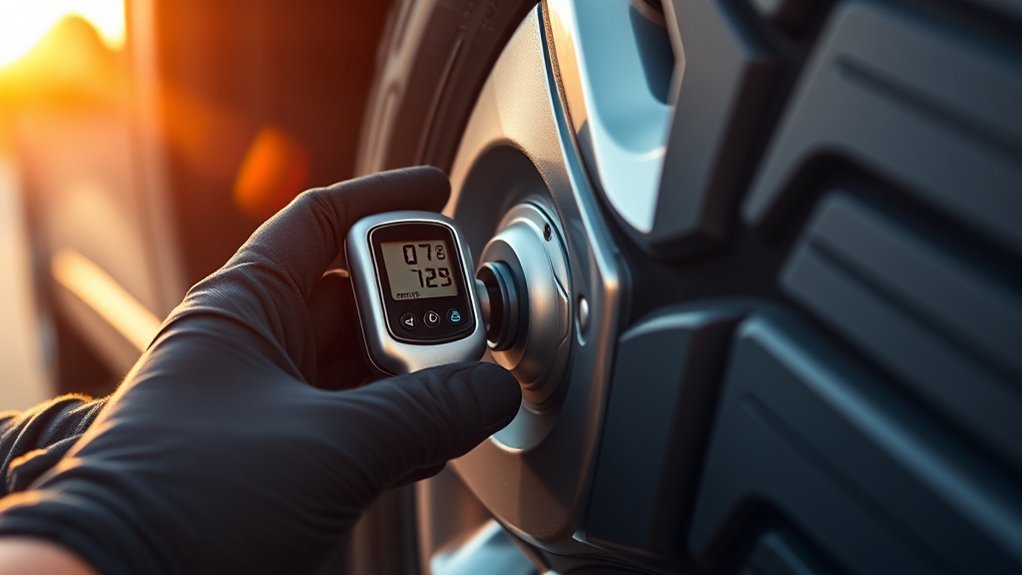
The short answer on how to check PSI on Toyota RAV4: Follow the steps in your owner’s manual for your model year, work with the engine off and cool where relevant, and have a qualified technician handle anything involving fuel, brakes or the high-voltage system.
How to check PSI on Toyota RAV4 explained
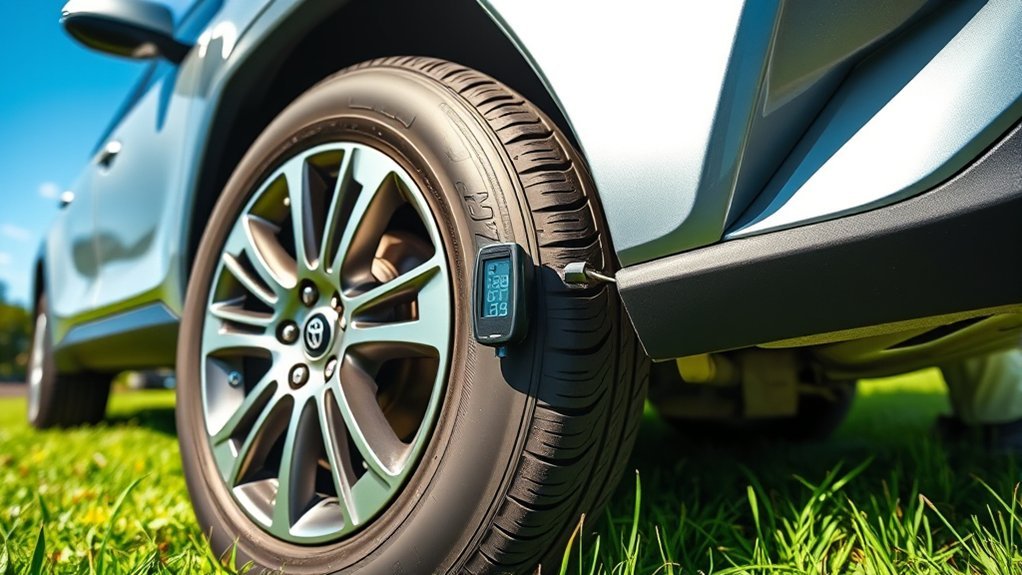
The recommended tire pressure for your Toyota RAV4 To ensure peak performance, it’s crucial to check your owner’s manual for the exact PSI specifications tailored to your specific RAV4. Variations in tire sizes and types may necessitate adjustments in tire pressure, making it important for your safety and vehicle efficiency. Regularly checking tire pressure every two weeks can help maintain even tire wear and enhance fuel economy. You’ll usually find the ideal tire pressure on a sticker located on the driver’s side door jamb, clearly indicating the manufacturer’s recommendations for your model. Keeping your tire pressure in check empowers your driving experience.
How to Locate the Tire Pressure Label on Your RAV4
Finding the tire pressure label on your Toyota RAV4 is vital for ensuring ideal tire performance and safety. This label provides important information, including the recommended PSI for your tires. Here’s how to locate it:
- Open the driver’s side door: Make sure the door is fully ajar for easy visibility.
- Inspect the door jamb: Look closely at the area where the door latches. The label should be affixed here.
- Read the specifications
Regularly checking this label will help maintain proper tire pressure, impacting your vehicle performance, fuel efficiency, and tire longevity.
Step-by-Step Guide to Checking Your Tire Pressure
To check your tire pressure, start by locating your tire pressure gauge. Once you’ve got it, remove the valve stem cap from each tire. This will allow you to accurately check the pressure readings for each tire.
Locate Tire Pressure Gauge
A reliable tire pressure gauge is essential for keeping your Toyota RAV4’s tires properly inflated. You can choose between a digital or a manual type, depending on your preference. Here’s how to locate one:
- Visit an auto supply store: They often have a wide selection of gauges.
- Check online retailers: Many offer user reviews to help you choose a reliable gauge.
- Ask for recommendations: Fellow RAV4 owners or mechanics can point you toward trusted brands.
Once you have your tire pressure gauge, you’ll be ready to check the PSI. Remember, the recommended tire pressure
Remove Valve Stem Cap
Now that you have your tire pressure gauge ready, the next step involves checking the tire pressure on your Toyota RAV4. Begin by locating the valve stem, a small cylindrical piece protruding from your tire rim. Carefully twist the valve stem cap counterclockwise to remove it, placing it in a safe spot to avoid losing it. This cap is essential for maintaining ideal tire pressure, so handle it with care. Once the cap is off, you can attach your tire gauge firmly to the valve stem. This will allow you to get an accurate PSI reading. After you’ve checked the pressure, don’t forget to replace the valve stem cap by twisting it clockwise until it’s secure. Regular checks ensure safety and performance.
Check Pressure Readings
Once you’ve removed the valve stem cap, checking the tire pressure on your Toyota RAV4 involves a straightforward process using your tire pressure gauge. Follow these steps for accurate readings:
- Press the tire pressure gauge onto the valve stem: Firmly apply it to ensure a proper seal.
- Read the displayed pressure: Note the PSI reading, comparing it to the recommended tire pressure found on the driver side door sticker.
- Adjust as necessary
For best results, check tire pressure when the tires are cold. If your RAV4 has a TPMS, keep an eye on the dashboard warning light for any low pressure alerts. Regular checks enhance safety and efficiency.
How to Use a Tire Pressure Gauge Effectively
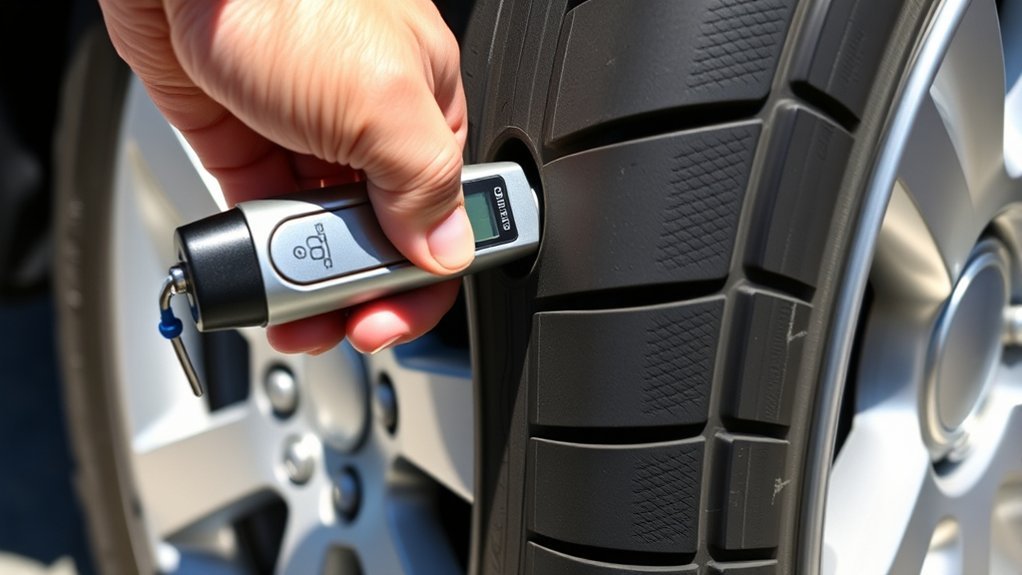
To use a tire pressure gauge effectively, start by removing the valve stem cap and confirming a tight seal when pressing the gauge onto the valve. Read the displayed pressure quickly for accuracy, as the reading can decrease if you hesitate. Always compare this value with the recommended tire pressure to ensure peak performance and safety.
Proper Gauge Usage Tips
When checking tire pressure, using a gauge effectively is crucial for accurate readings and vehicle safety. Follow these tips to make certain you’re utilizing your tire pressure gauge correctly:
- Check Cold Tires: Always measure tire pressure when the tires are cold, ideally in the morning before driving.
- Firm Pressure on Valve Stem: Remove the valve stem cap and press the tire pressure gauge firmly onto the valve stem to capture an accurate reading.
- Compare Readings: After getting the reading in PSI or kPa, compare it to the proper pressure listed on your driver side door sticker.
Don’t forget to replace the valve stem cap to keep dirt and moisture out, making sure your TPMS Tyre Pressure Monitoring system stays functional.
Best Practices for Accuracy
Accurate tire pressure readings are essential for ideal vehicle performance and safety, making it important to follow best practices when using a tire pressure gauge. Always check tire pressure when the tires are cold, ideally first thing in the morning. Remove the valve stem cap and press the tire pressure gauge firmly onto the valve stem to ensure a good seal. Read the gauge immediately to capture the most accurate PSI reading, as it can fluctuate if left too long. Compare the reading to the recommended tire pressure found on the driver’s side door sticker. Adjust as necessary by adding or releasing air, and securely replace the valve stem cap to prevent dirt and moisture from entering, maintaining your tires properly inflated.
Why Does Proper Tire Pressure Matter?
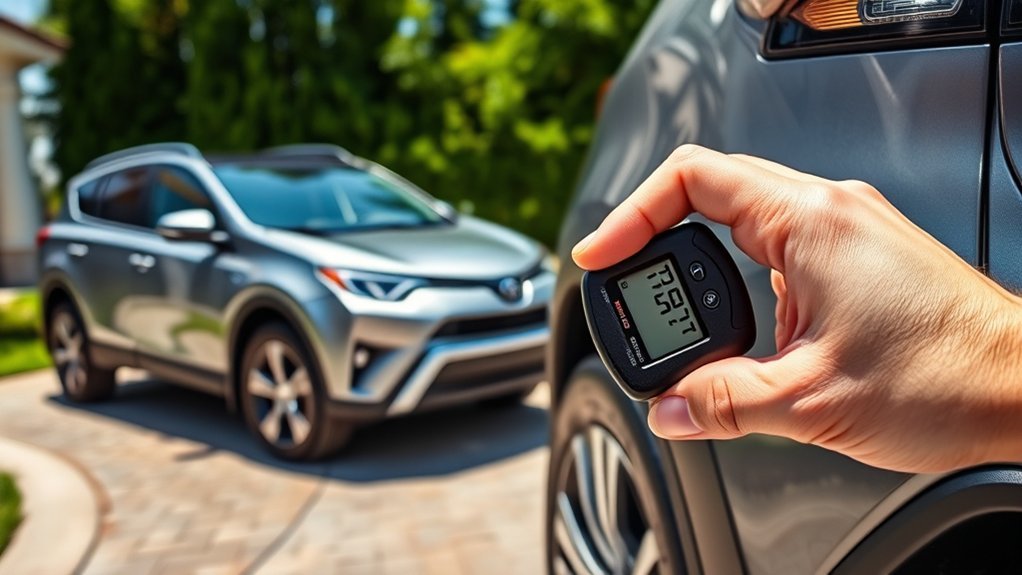
Proper tire pressure is essential for ideal vehicle performance, as it directly affects tire wear, safety, and fuel efficiency. Maintaining the correct tire pressure can greatly enhance your driving experience. Here are three key reasons why it matters:
Proper tire pressure is crucial for vehicle performance, impacting tire wear, safety, and fuel efficiency.
- Even Tire Wear: Proper inflation ensures your tires wear evenly, extending their lifespan and saving you money on replacements.
- Enhanced Traction: Correct tire pressure improves traction on the road, enhancing vehicle handling and safety, especially in adverse conditions.
- Fuel Efficiency: Maintaining recommended tire pressure boosts fuel efficiency, as underinflated tires can decrease MPG and increase fuel consumption.
What to Do About Low or High Tire Pressure?
Maintaining the correct tire pressure is essential, but knowing what to do if you find low or high levels is equally important. If you discover low tire pressure, inflate the tires to the recommended PSI Monitor tire pressure at least biweekly and especially before long trips to ensure safety and performance. For high tire pressure, use a tire pressure gauge to release air until it matches the recommended levels. If the tire pressure warning light stays on after adjustments, check for leaks or have the TPMS sensors inspected for proper functionality. Regular maintenance keeps your vehicle performing at its best.
How Does Weather Impact Your Tire Pressure?
While you might not think about it often, weather has a significant impact on your tire pressure. Understanding this relationship can help you maintain ideal performance and safety. Here are three key points to take into account:
- Warmer temperatures can raise tire pressure, risking overinflation that affects handling and safety.
- Regularly checking your tire pressure, especially with seasonal changes, helps prevent issues like blowouts and uneven tire wear.
Keep an eye on your TPMS and tire pressure light to ensure your tires remain properly inflated. This vigilance will enhance your vehicle’s traction, handling, and fuel efficiency, especially in adverse weather conditions.
How to Check Tire Pressure Using the Toyota App
To check tire pressure using the Toyota app, you first need to confirm your vehicle is registered and linked to your account, granting you access to essential tire monitoring features. Open the Toyota App and navigate to the TPMS screen, where you can view the tire pressure for each individual tire. Keep in mind that some users report occasional “NA” readings or inaccuracies, so double-check your app’s updates for peak performance. If the dashboard display doesn’t show individual pressures, the app offers a convenient alternative. Also, verify your subscription services, as they may affect access to tire pressure data. Regular app maintenance ensures you stay informed about your tire pressure, promoting safe and effective driving.
When to Seek Professional Help for Tire Pressure Issues
When you notice persistent issues with your tire pressure, seeking professional help is essential to secure your safety and the longevity of your vehicle. Here are three situations where you should consult a professional:
- TPMS Malfunction: If the tire pressure warning light remains on after inflating your tires, a TPMS diagnostic is needed.
- Inconsistent Readings: When your dashboard shows fluctuating tire pressure readings, it’s wise to check for sensor issues or recalibration.
- Frequent Inflation: Significant fluctuations in tire pressure or constant inflation needs indicate potential leaks or tire damage that require a professional inspection.
Addressing these issues promptly secures safe driving conditions and enhances the performance of your Toyota RAV4.
Related reading:
- Best 1999 Toyota RAV4 PCV Valves: 5 Parts and Fit Checks
- Best 1997 Toyota RAV4 2.0L Valve Covers
- How To Check Tire Pressure On Dashboard Toyota RAV4
Frequently Asked Questions
How to Check Tire Pressure on RAV4 Screen?
To check tire pressure on your RAV4 screen, navigate to the dashboard display in the settings. Verify your tires are cold for accurate readings, following these maintenance tips for peak performance and safety.
How Do I Check My Tire Pressure on My Dashboard?
You can check your tire pressure on the dashboard by maneuvering to the tire pressure monitoring system. If you see a dashboard warning, it’s essential for your tire maintenance to monitor pressures accurately.
Does Toyota Show Tire Pressure?
Toyota doesn’t always show tire pressure on the dashboard indicators. For vehicle safety, regularly check tire pressure manually as part of your maintenance tips to ensure peak performance and avoid potential issues on the road.
What Is the PSI for a RAV4?
Check the RAV4 specifications on the driver side door sticker to verify proper tire maintenance and enhance performance and safety.
Conclusion
In the grand scheme of automotive maintenance, checking your RAV4’s tire pressure isn’t just important—it’s absolutely life-changing! Imagine cruising down the highway with tires perfectly inflated, enhancing fuel efficiency and ensuring safety like never before. By regularly monitoring your psi, you’re not just prolonging tire life; you’re revealing the secret to a smoother, more exhilarating ride. So, don’t let low or high pressure derail your adventures—make this simple check a top priority for your RAV4!