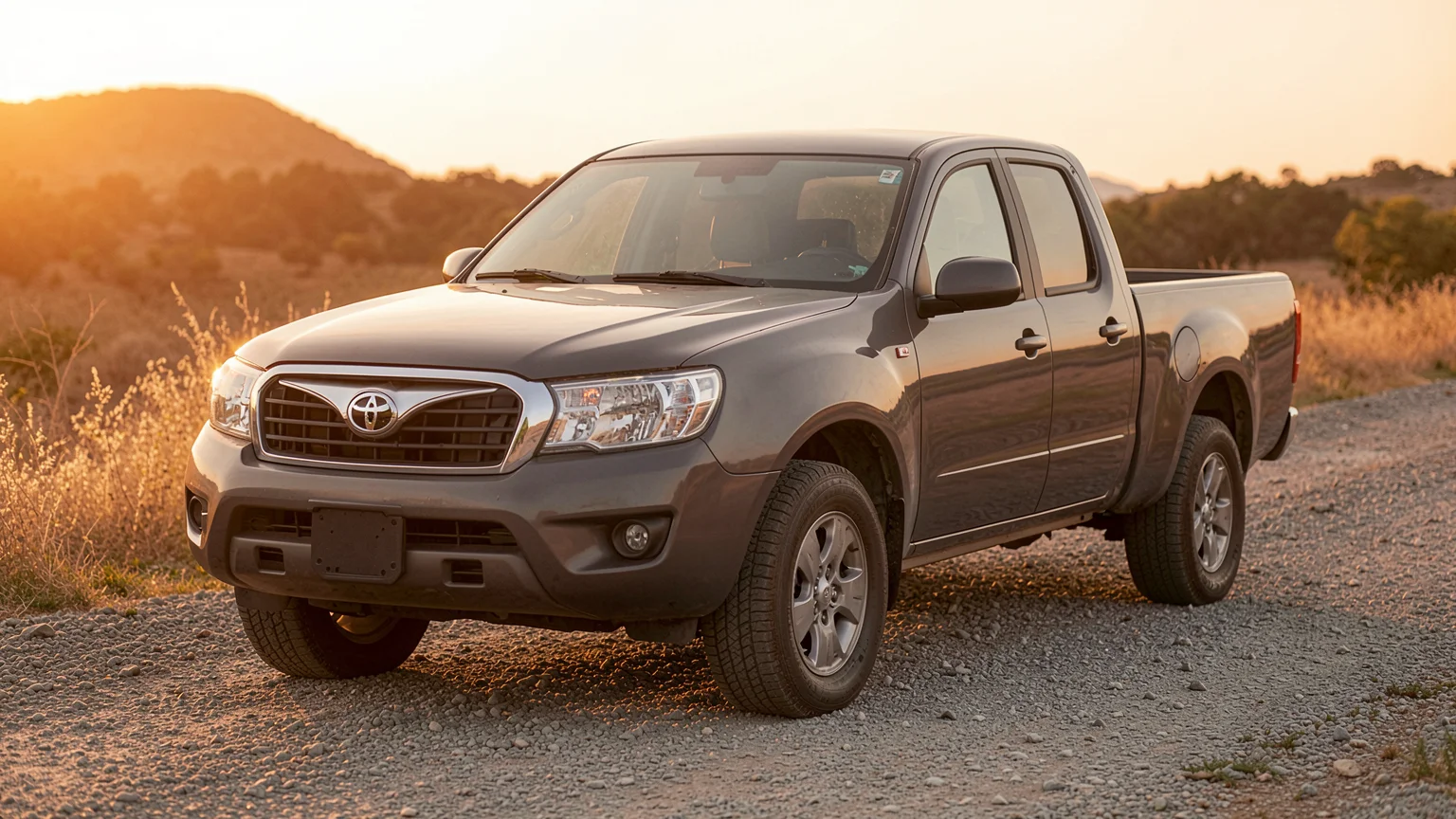
The best year for Toyota Tacoma depends on your budget, but three stretches stand out: 2013 to 2015 for value, 2018 to 2023 for a modern truck, and 1995 to 2000 plus 2004 for simple old-school durability. The years to avoid are mostly 2006, 2007, 2009, 2012, 2016 and 2017.
Rust, early transmission problems and first-year redesign bugs explain nearly every weak year. This guide shows the best Toyota Tacoma years by generation, the problem years and what to check before you buy a used Toyota Tacoma.
Key Takeaways
- The strongest groups are 1995 to 2000, 2004, 2010, 2013 to 2015 and 2018 to 2023, according to RealTruck.
- The Toyota Tacoma years to avoid are 2006, 2007, 2009, 2012, 2016 and 2017.
- Frame rust is the biggest risk on trucks built from 1995 to 2017, so inspect the frame on every older Tacoma.
- Smartphone mirroring arrived with the 2020 refresh, and the 2024 redesign brought a turbo engine and a hybrid.
- Pay for an independent inspection before you buy any used Tacoma.
In this guide:
- Tacoma generations
- Best years
- Years to avoid
- Year-by-year table
- Frame rust and Toyota’s response
- How to choose
- FAQ
Toyota Tacoma Generations at a Glance
Each redesign brought new engines and, often, new first-year problems. Knowing where a year sits helps you judge it.
| Generation | Years | Engines | Towing |
|---|---|---|---|
| First | 1995 to 2004 | 2.4L and 2.7L four-cylinders, 3.4L V6 (190 hp) | 3,500 lbs (four-cylinder), 5,000 lbs (V6) |
| Second | 2005 to 2015 | 2.7L four-cylinder (159 hp), 4.0L V6 (236 hp) | 3,500 lbs (four-cylinder), 6,500 lbs (V6) |
| Third | 2016 to 2023 | 2.7L four-cylinder (159 hp), 3.5L V6 (278 hp) | 3,500 lbs (four-cylinder), 6,800 lbs (V6) |
| Fourth | 2024 to present | 2.4L turbo (228 to 278 hp), 2.4L turbo hybrid (326 hp) | Up to 6,500 lbs |
The figures come from Autotrader’s used-Tacoma guide. For current towing numbers on new trucks, see our 2026 Tacoma towing capacity guide.
The Best Year for Toyota Tacoma Buyers: Five Groups
Used Tacoma shoppers usually land in one of five groups.
1995 to 2000 and 2004: simple and durable
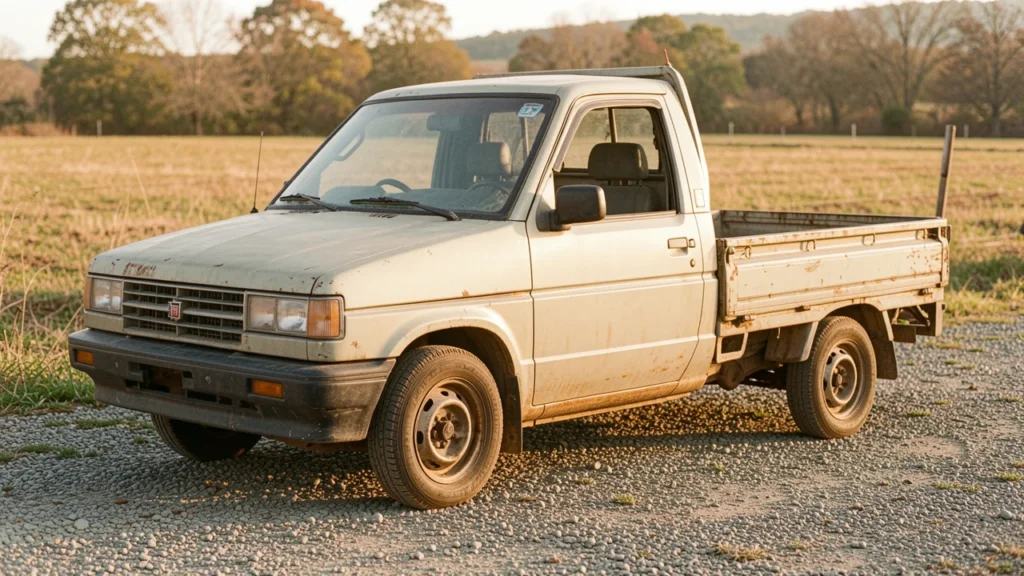
First-generation trucks are basic, easy to repair and often still running with high miles. RealTruck calls the 1995 to 2000 trucks and the 2004 model among the strongest years. The catch is rust, so the frame needs a careful look.
2010 and 2013 to 2015: the second-generation sweet spot
RealTruck says 2013 to 2015 is widely seen as the sweet spot of the second generation, since early problems had been addressed. It also lists 2010 as a reliable pre-facelift truck. These years are old enough to be affordable but still have the 4.0L V6 and a proven drivetrain.
2018 to 2023: the best third-generation years
By 2018, Toyota had fixed most of the early third-generation transmission complaints, according to RealTruck. The 2018 model also added Toyota Safety Sense P as standard, with adaptive cruise control, lane departure alert and automatic high beams. The 2020 refresh brought a new grille, headlights, a bigger touchscreen, Apple CarPlay and Android Auto.
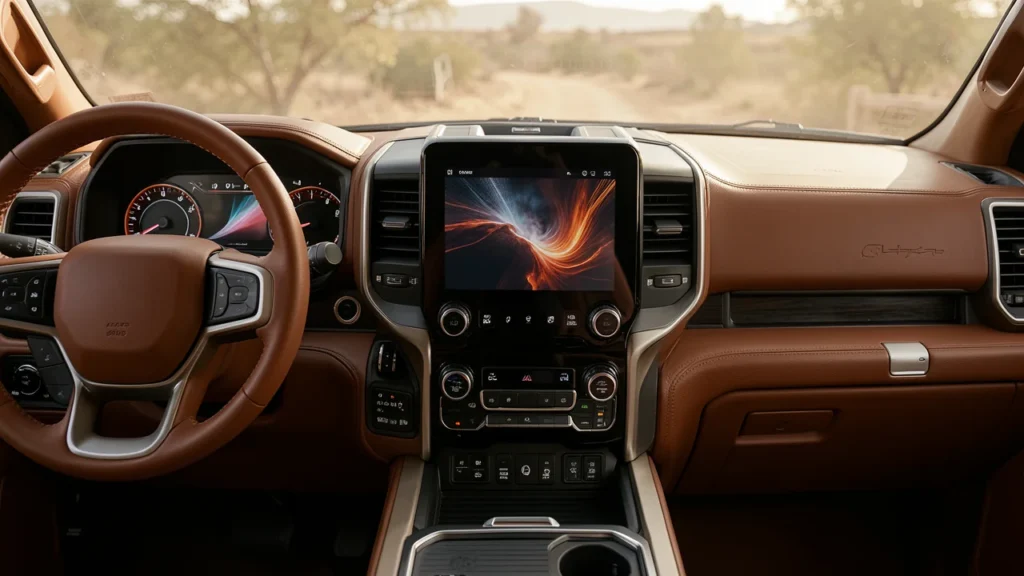
Autotrader goes further and names 2020 through the current model as the best years to buy used. If you want the best technology, aim for 2020 to 2023.
Toyota Tacoma Years to Avoid
RealTruck ranks these as the worst years, based on owner complaints and NHTSA reports: 2006, 2007, 2009, 2012, 2016 and 2017. Here is why.
- 2006 and 2007: Severe frame and suspension rust, frame cracking near the motor mount, paint failures and reports of unintended acceleration. RealTruck calls 2006 among the worst on record. The 2007 truck also had a sticky accelerator pedal.
- 2009: Frame and suspension rust, clutch slipping on manual trucks and paint flaking.
- 2012: Power loss at highway speeds and check engine lights with no clear cause.
- 2016 and 2017: First-year third-generation transmission trouble, including delayed engagement in cold weather, engine noise and vibration. Most of it was fixed by 2018 through calibration updates and revised parts.
Two more ranges deserve caution. The 2001 to 2003 trucks drew automatic transmission complaints, and the 2024 model, the first of the fourth generation, drew powertrain complaints such as hesitation and rough shifts. RealTruck says the 2025 shows meaningful improvement.
Toyota Tacoma Year-by-Year Quick Reference
| Model year | Verdict | Main reason |
|---|---|---|
| 1995 to 2000 | Good | Simple design, strong durability record |
| 2001 to 2003 | Caution | Automatic transmission complaints |
| 2004 | Good | Few widespread complaints |
| 2005 | Caution | Frame rust, paint flaking |
| 2006 and 2007 | Avoid | Frame rust, unintended acceleration reports, paint |
| 2008 | Caution | Frame rust, paint, some no-start issues |
| 2009 | Avoid | Rust, clutch slipping, paint |
| 2010 | Good | Strong reliability record |
| 2011 | Acceptable | A/C failures and some interior electronics |
| 2012 | Avoid | Power loss, check engine lights |
| 2013 to 2015 | Best value | Second-gen problems largely addressed |
| 2016 and 2017 | Avoid | First-year transmission problems |
| 2018 to 2023 | Best overall | Mature third generation |
| 2024 | Caution | First-year redesign powertrain complaints |
| 2025 | Improving | Fewer complaints than 2024 |
Treat this table as a guide, not a guarantee. A well-kept truck from a caution year can beat a neglected truck from a good year.
Frame Rust and What Toyota Did About It
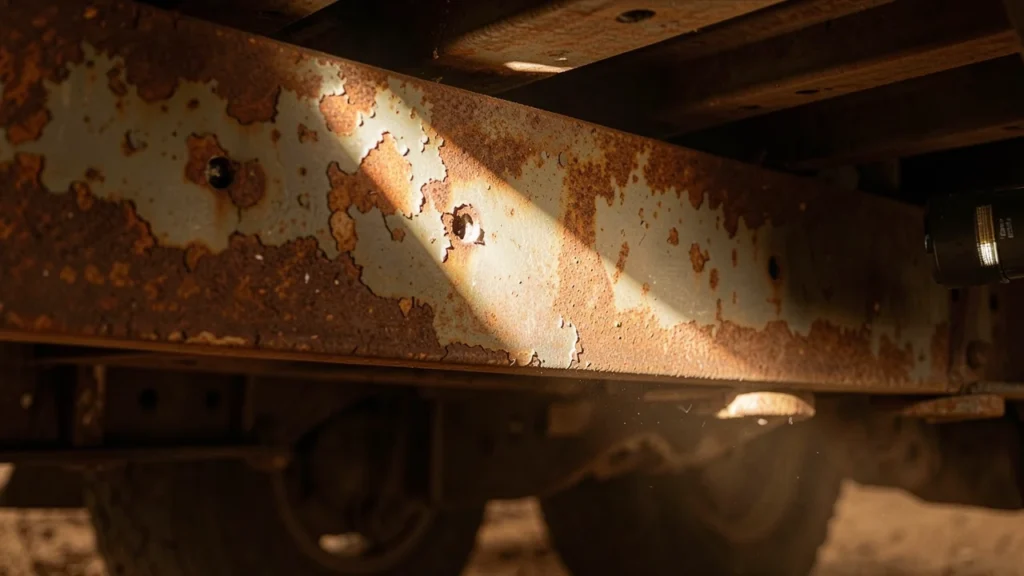
Frame rust is the issue that hurts used Tacoma values most. SlashGear reports that corroded frames affected trucks from the first generation through the middle of the third, roughly 1995 to 2017, mostly in cold states that salt their roads.
Toyota responded in stages:
- In 2008, it launched a customer support program for 1995 to 2000 trucks, with an extended rust and perforation warranty of 15 years from the original purchase date. Toyota said it was not a recall.
- It also offered to buy back badly rusted 1995 to 2000 trucks at 1.5 times their Kelley Blue Book value.
- In 2020, it started a limited service campaign for 2011 to 2017 trucks, covering about 320,470 vehicles built from June 2010 to June 2017. Toyota inspects the frame, applies a corrosion-resistant compound and fits plugs. It replaces the frame free if the rust is severe.
Program terms and dates change, so ask Toyota or a dealer whether a specific truck is still covered. Use the truck’s VIN when you ask.
How to Choose a Used Toyota Tacoma
Work through these steps to find the best year for Toyota Tacoma shopping on your budget, before you hand over money.
- Set your budget and match it to a group above. Tighter budgets point to 2013 to 2015.
- Decide on must-have tech. You need a 2020 or newer truck for Apple CarPlay and Android Auto.
- Pick an engine. The 3.5L V6 gives 278 horsepower in the third generation.
- Run the VIN through NHTSA’s database to check for open recalls.
- Book an independent mechanic to inspect the truck, not one tied to the seller.
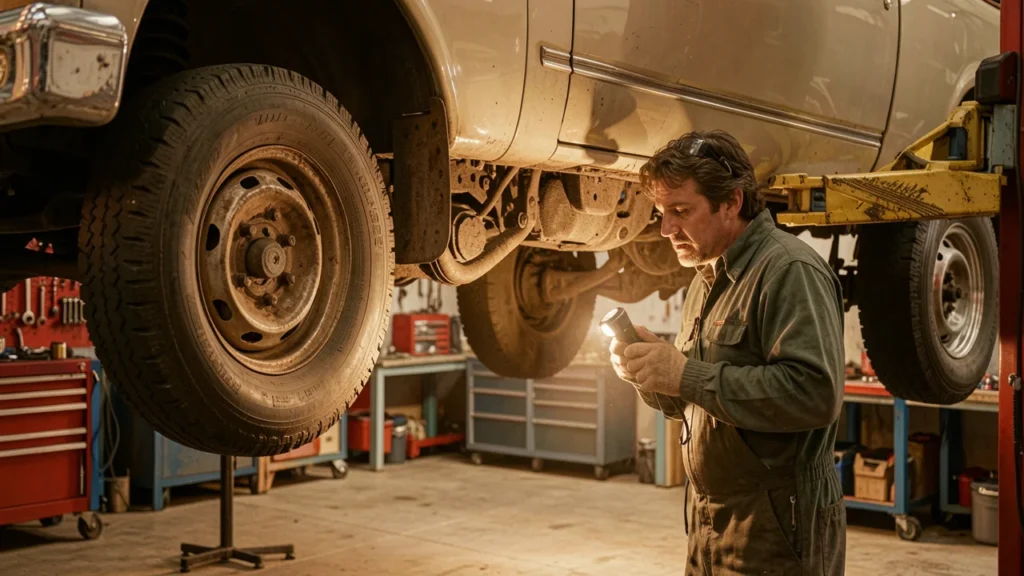
Warning: Never crawl under a truck held only by a jack. If you inspect underneath yourself, use a lift or rated jack stands on level ground, or leave it to a mechanic.
RealTruck recommends an undercarriage rust inspection on any 2005 to 2015 truck, a wiring check for rodent damage on 2012 and newer trucks, and a cold-start test drive on 2016 and 2017 trucks. Toyota began using soy-based wire insulation around 2012, which attracts rodents.
Once you buy, plan the basics. Our guides cover tire sizes by year, all-terrain tires, gas mileage and Tacoma trims.
Frequently Asked Questions
What is the best year for Toyota Tacoma trucks on the used market?
For value, 2013 to 2015. For a modern truck, 2018 to 2023, with 2020 and newer adding Apple CarPlay and Android Auto. For simple durability, 1995 to 2000 and 2004. Always check the frame and service history, whatever the year.
What Toyota Tacoma years should I avoid?
RealTruck ranks 2006, 2007, 2009, 2012, 2016 and 2017 as the worst years. Rust and unintended acceleration reports hit the mid-2000s, power loss hit 2012, and transmission problems hit 2016 and 2017. Trucks with documented repairs are safer than those without records.
Is the 2016 Tacoma reliable?
Not as reliable as later years. It was the first year of the third generation, and owners reported transmission problems such as delayed engagement in cold weather, engine noise and vibration. Toyota fixed most of these by 2018, so a 2018 or newer truck is the safer buy.
Are Tacoma frames still rusting?
Rust affected frames from 1995 to 2017, mostly in states that salt roads, according to SlashGear. Toyota ran support programs and a 2020 service campaign. Newer trucks are less affected, but any older Tacoma needs a professional frame inspection before purchase.
Is the 2024 Toyota Tacoma reliable?
Results are mixed. RealTruck reports first-year powertrain complaints on the 2024, such as hesitation and rough shifting, and says the 2025 shows meaningful improvement. Autotrader notes that the 2024 and 2025 models earned IIHS Top Safety Pick awards.
Which Tacoma has the best engine?
The 3.5L V6 in the 2016 to 2023 trucks makes 278 horsepower and tows up to 6,800 pounds. The 2.4L turbo hybrid in the newest Tacoma makes 326 horsepower. Older 4.0L V6 trucks make 236 horsepower and have a long reliability record.
Final Thoughts
So, what is the best year for Toyota Tacoma? For most used buyers it is 2013 to 2015 if price matters and 2018 to 2023 if features matter. Skip 2006, 2007, 2009, 2012, 2016 and 2017 unless the truck has clean records and a clean inspection.
Whichever year you choose, check the frame, run the VIN for recalls and get an independent inspection. That routine matters more than the model year on the title.