How to Manage Tire Pressure in Cold Weather (Complete Guide)
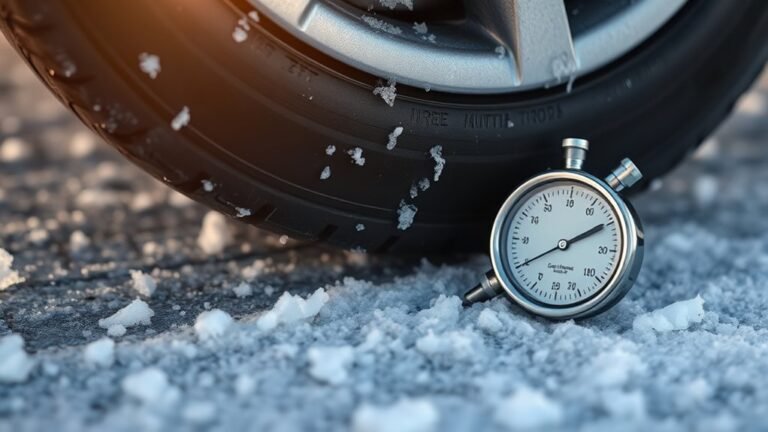
Mild winter chills drop tire pressure significantly—learn why it happens, how much to expect, and the simple fixes that could save your handling and gas mileage.
Mild winter chills drop tire pressure significantly—learn why it happens, how much to expect, and the simple fixes that could save your handling and gas mileage.
Good tire pressure for highway driving balances stability, wear, and fuel efficiency — learn the exact PSI ranges and when to adjust for conditions.

Changing tire pressure for road, gravel, sand, and snow can vastly improve performance and safety — learn the exact PSI ranges and why they matter.
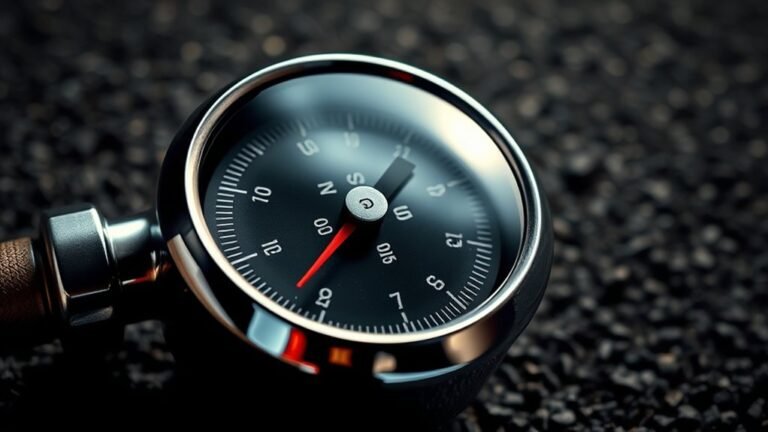
Why do tire gauges show PSI, Bar, and kPa — and which should you trust when inflating your tires?
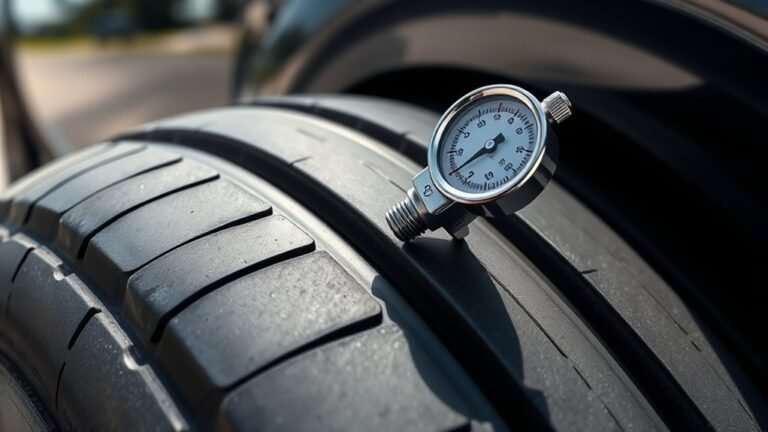
Understand what PSI means for your tires, why correct pressure matters, and how to check and adjust it — learn simple steps to improve safety and performance.
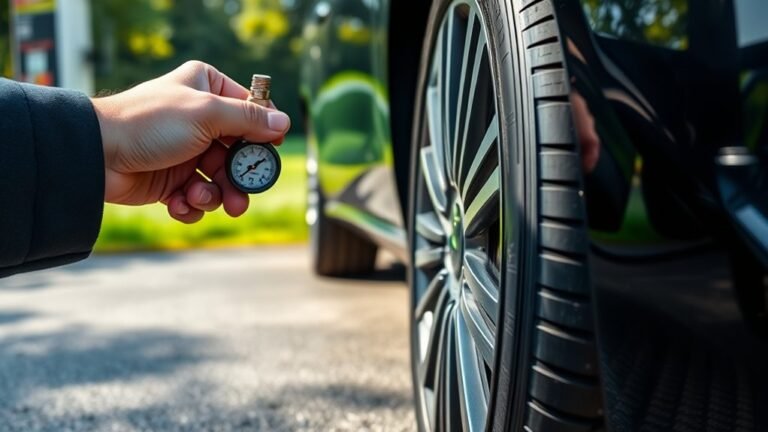
Increasing tire pressure to the manufacturer’s recommendation can boost MPG by reducing rolling resistance — learn exactly how much and when to adjust.
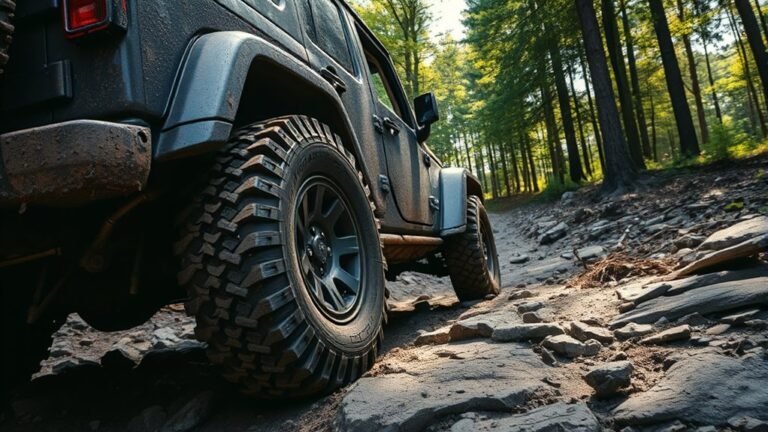
Keeping tires at the right pressure can mean the difference between stuck and steady—discover optimal PSI ranges for sand, mud, and rocks to stay rolling.
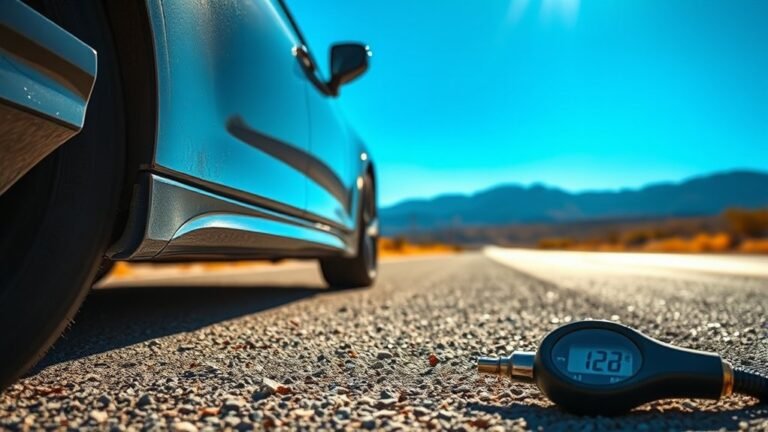
A concise guide on how heat raises tire pressure, the dangers of over- and underinflation, and simple checks to protect you from unexpected failures.

Never check tire pressure after a long drive—learn the ideal cold-start timing and surprising temperature effects that could be costing you safety and fuel.
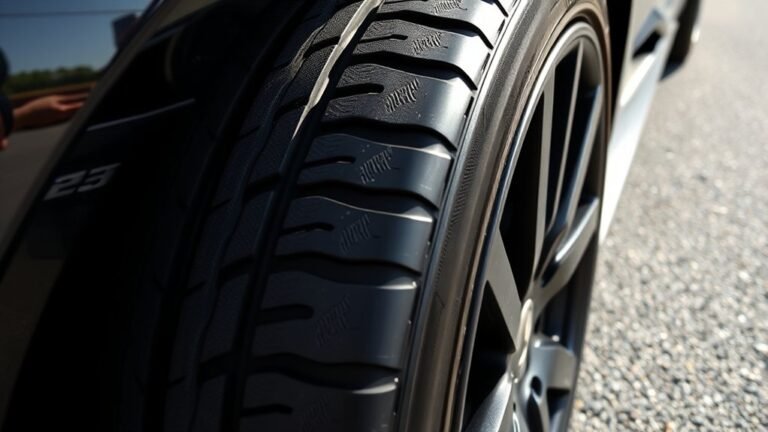
Hunt common causes of uneven tire wear — learn the simple pressure checks, rotation schedule, and inspections that can save your tires and money.