
A G-sensor on a dash cam measures acceleration and detects sudden force changes, such as hard braking, sharp bumps, or a crash. When it detects a strong impact, it helps the dash cam protect the related video file from normal loop recording. That protected clip may help you review what happened and support an insurance claim or dispute. You can also adjust the sensitivity so the camera reacts to real incidents without locking too many routine driving clips.
Quick Answer
A dash cam G-sensor detects sudden movement or impact and tells the camera to save the related footage. It protects crash clips, parking impact clips, and other event videos from normal overwrite. For most drivers, a medium setting gives the best balance between protection and fewer false alerts.
Key Takeaways
- A G-sensor works like an accelerometer inside your dash cam.
- It helps protect video when your car feels a strong bump, impact, or sudden movement.
- High sensitivity can lock too many files on rough roads.
- Low sensitivity can miss smaller impacts, especially in parking mode.
- You should review locked clips often so your memory card keeps enough free space.
What Is a G-Sensor and Why Does It Matter?
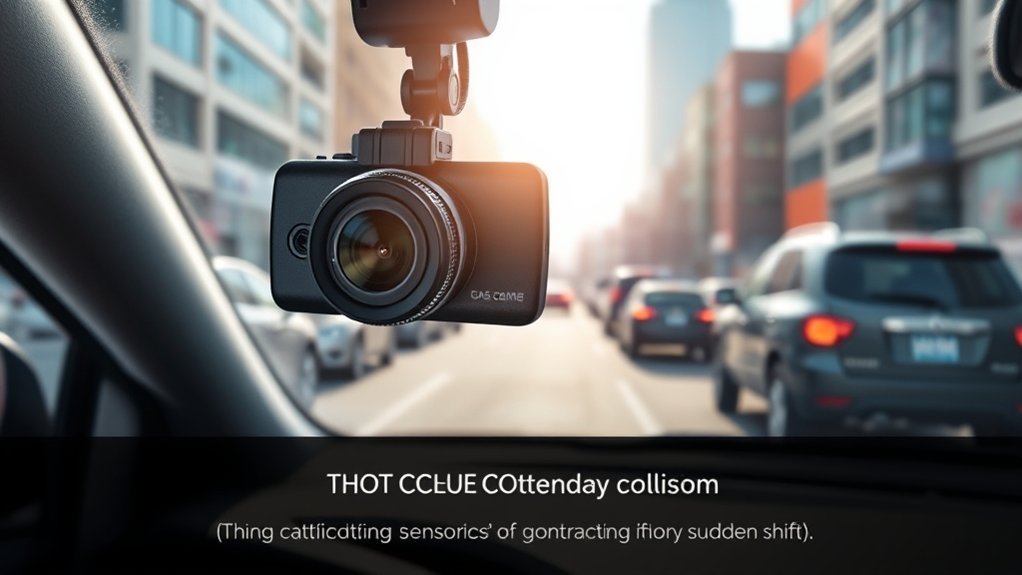
A G-sensor, often called an accelerometer, measures force changes through the dash cam. It can detect a hard stop, sharp turn, strong bump, or collision. Garmin explains that dash cams with built-in G-sensors can automatically save video footage when they detect an impact.
This matters because most dash cams use loop recording. That means the camera records over older clips when the memory card fills up. When the G-sensor marks a clip as an event file, the camera keeps that footage separate from normal driving video.
That saved footage can give you a clearer record of what happened before, during, and after an incident. It can also help when you need to review damage, support an insurance claim, or explain a road event.
How G-Sensor Sensitivity Affects Dash Cam Performance
G-sensor sensitivity controls how easily your dash cam reacts to movement or impact. Nextbase states that higher G-force sensitivity protects more files. That can help during minor impacts, but it can also fill storage with locked clips from potholes, speed bumps, or rough roads.
Start with a medium setting if your dash cam offers low, medium, and high options. Then review your saved files after a few drives. Lower the setting if the camera locks too many normal clips, or raise it if you think it missed a real impact.
| Sensitivity Level | Impact on Recorded Footage |
|---|---|
| High | Detects smaller bumps but may lock too many files. |
| Medium | Balances event protection with fewer false triggers. |
| Low | Reduces false triggers but may miss lighter impacts. |
| Customized | Lets you adjust the camera for your roads, car, and parking needs. |
Pro tip: Check your locked folder once a week so protected clips don’t take up too much card space.
How Does the Auto-Lock Feature Keep Your Footage Safe?
The auto-lock feature protects footage when the G-sensor detects a strong force change. The dash cam marks the related clip as an event file or protected file. This helps stop normal loop recording from overwriting the clip too soon.
Some dash cams save footage from just before, during, and after the incident. Garmin says some models save video from before, during, and after an incident to capture a fuller event record. BlackVue also notes that buffered parking mode can include a few seconds before motion or impact.
You should still back up important clips as soon as you can. A locked file gives you extra protection, but memory cards can fail, and settings vary by brand and model.
How Do G-Sensors Improve Vehicle Security in Parking Mode?

A G-sensor can improve parking security by watching for impact while your car sits still. If another car bumps yours, the dash cam can save an event file. Some models also send alerts when you use cloud features and the correct connection setup.
Parking mode works best when you install the dash cam correctly. Many models need a hardwire kit or external battery for parking recording. Always follow your dash cam manual so you don’t drain your car battery.
| Feature | Benefit | Functionality |
|---|---|---|
| Impact Detection | Records when the car feels a hit | Saves event footage after a bump or collision |
| Motion Detection | Watches for movement near the car | Triggers recording when the camera sees motion |
| Buffered Parking Mode | Adds pre-event context | Keeps a short video buffer before the trigger |
| Time Lapse Mode | Uses storage more efficiently | Records at a lower frame rate while parked |
Warning: Parking mode can drain your car battery if you use the wrong power setup.
Practical Use Cases for G-Sensor Equipped Dash Cams
Dash cams with G-sensors help in several common driving and parking situations. They don’t prevent crashes, but they can give you a useful video record after an event.
- Accident Documentation: The G-sensor locks footage during a collision, which helps preserve key details.
- Parking Protection: Parking mode can save an event file when another vehicle hits your parked car.
- Liability Disputes: Saved clips may help you show impact timing, road position, and surrounding traffic.
- Custom Sensitivity Settings: You can adjust sensitivity to reduce false triggers from small bumps.
A dash cam works best when you pair the right sensitivity setting with good memory card care. Review footage after any incident, then save important clips to your phone, computer, or cloud account.
G-Sensor vs Motion Detection: What Is the Difference?
A G-sensor reacts to physical force. Motion detection reacts to visual movement in the camera’s view. BlackVue explains that parking mode can use motion from the image sensor and impact from the accelerometer or G-sensor.
This difference matters when you choose parking mode settings. Motion detection can record people, cars, or objects moving near your vehicle. The G-sensor focuses on bumps, hits, and vibration that your car physically feels.
Frequently Asked Questions
What Should I Set My G-Sensor To?
Set your G-sensor to medium first if your dash cam offers that option. Use low if rough roads cause too many locked files. Use high only when you want the camera to react to smaller impacts and you check storage often.
Should the G-Sensor on the Dash Cam Be on High?
You don’t need high sensitivity for every car. High sensitivity can protect more clips, but it can also lock many normal driving files. Medium works better for most daily driving.
What Is the G-Sensor Used For?
The G-sensor detects sudden force changes, such as impact, harsh braking, or strong vibration. It tells the dash cam to save the related footage as an event clip. Many dash cams also use it for parking impact detection.
Where Is the G-Sensor Located?
The G-sensor usually sits inside the dash cam body on the circuit board. You don’t need to touch it during normal use. You adjust its behavior through the dash cam menu or app.
Can a G-Sensor Drain My Car Battery?
The sensor itself uses little power, but parking mode can use power while your car sits off. A hardwire kit with voltage protection or a dash cam battery pack can reduce that risk. Check your manual before you leave parking mode on for long periods.
Conclusion
A dash cam G-sensor helps your camera save the footage that matters most after an impact. Set the sensitivity carefully, then check your locked files so storage stays under control. Use parking mode only with the right power setup for your vehicle. With the right settings, your dash cam becomes a more reliable witness on the road and in the parking lot.
References
- Save, Play Back, or Delete Video Files on a Garmin Dash Cam — Garmin Support
- Garmin Dash Cam: How to Use Automatic Event Detection — Garmin, 2014
- Dash Cam G Sensor — Nextbase
- BlackVue Dashcam Parking Mode — BlackVue
- Changing Settings Using Your Smartphone — BlackVue Manual