
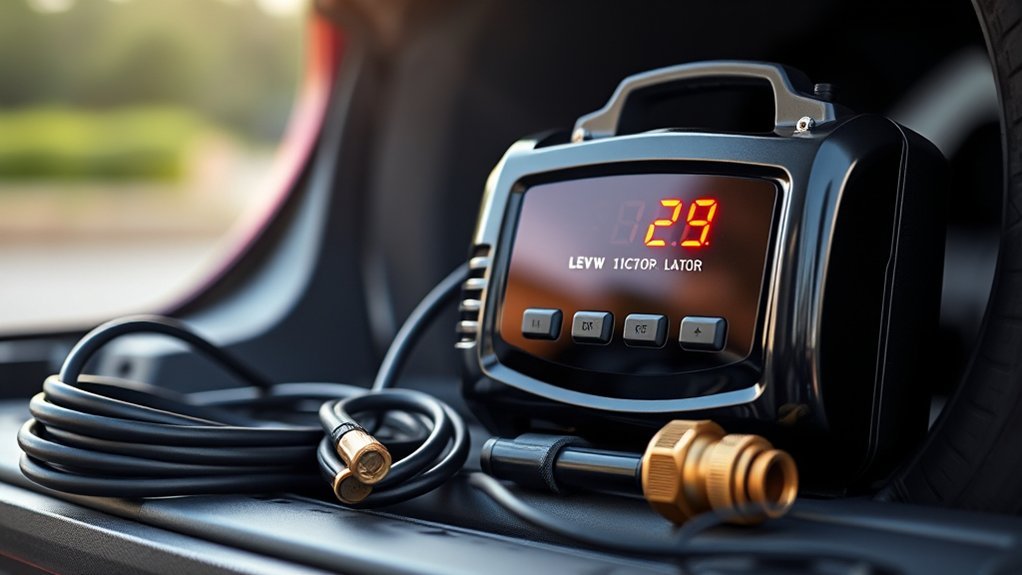
A 12V tire inflator is a compact air compressor you plug into your car’s 12V outlet or battery to quickly top off tires, typically up to about 60 psi. It draws vehicle power, has a built-in gauge (digital or analog), and often features an auto shut-off and quick-connect valve head. It’s ideal for roadside fixes, maintaining proper tire pressure, and inflating sports gear or bike tires. Keep it cool and you’ll learn how to pick and use one safely.
What a 12V Tire Inflator Is and How It Differs From Other Inflators
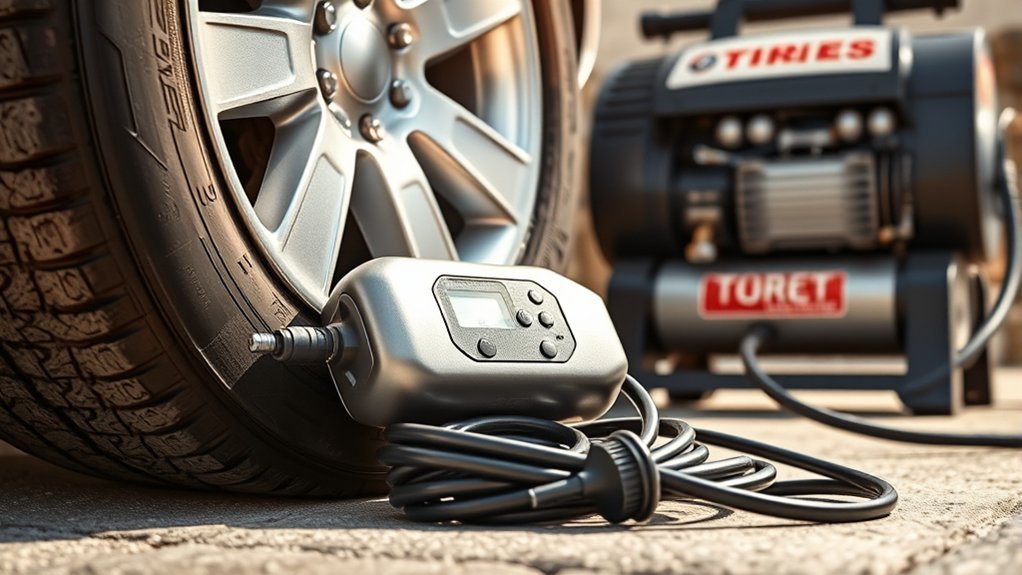
When you need a quick, on-the-road fix, a 12V tire inflator plugs into your vehicle’s cigarette lighter or 12V outlet and uses the car’s electrical system to power a compact air compressor. You’ll appreciate that it draws continuous power from your vehicle rather than relying on a rechargeable battery, so you can inflate your tires without worrying about a drained unit. Most models include a built-in pressure gauge so you can monitor PSI as you work, and many will reach 60 psi or more for routine car tires needs. They’re compact, practical, and often include adapters to handle sports gear or inflatable toys, giving you freedom from dependence on service stations. In emergencies, a 12V tire inflator gives you autonomy: you control the power source, confirm pressure with the gauge, and restore mobility quickly. It differs from battery or CO2 options by trading portability for reliable, unlimited runtime tied to your vehicle.
Quick How-To and Safety Checklist for Inflating a Tire
Before you start, secure the vehicle, check the tire for cuts or bulges, and grab your 12V inflator and any adapters you need. Attach the quick‑connect head to the valve stem, lock the green lever, and set the target PSI from the placard on the driver’s door pillar. Watch the inflator’s built‑in gauge as you add air, remove the head carefully when done, and replace the valve cap.
Prepare Vehicle And Tools
Park your vehicle on a flat, stable surface well away from traffic and set the parking brake so you can work safely and without the car rolling. Before anything else, check the recommended tire pressure on the driver’s door pillar or in the owner’s manual so you know your target. Gather your portable tire inflator (12V), a separate tire pressure gauge for verification, and any valve adapters. Inspect the tire for cuts, bulges, or embedded objects that could make inflation unsafe. Keep the air compressor in a well-ventilated spot and run it only while you supervise to avoid overheating. Lay tools within reach, wear gloves if you want, and keep bystanders back so you stay empowered and in control.
Inflate Safely And Monitor
Safety first: make sure the tire is cold and you know the target PSI from the driver’s door placard, then attach the inflator’s hose and lock the head onto the valve stem with the green lever so you can inflate without stressing the stem. Position your vehicle away from traffic and combustibles, and keep the 12V tire inflator on a stable surface. Start the unit, watch the pressure dial, and stop periodically to monitor tire pressure so you don’t overshoot the target. If you must inflate multiple tires, let the inflator cool between runs to prevent overheating. Never leave the device unattended while running. When you reach the recommended PSI, remove the hose, replace the cap on the tire valve stem, and test drive to confirm comfort and safety.
How 12V Inflators Work (Components and Power Source)
A 12V tire inflator plugs into your vehicle’s 12-volt accessory outlet and uses a compact electric motor to compress air, sending it through a hose and quick-connect head to the valve stem so you can inflate tires and other gear on the go. You rely on the vehicle socket for portable power, so you’re not tied to a garage or waiting for help. Inside, the motor drives a small piston or diaphragm that forces air through an air hose; a quick-connect head fastens to the tire valve to minimize leaks and wear. A built-in pressure gauge lets you monitor pressure in real time, so you can stop at the target PSI rather than guessing. Many inflators include adapter fittings for sports balls, bikes, and inflatables, expanding freedom to move. The design keeps controls simple: power lead, switch, hose, gauge, and fittings — a straightforward tool that gives you immediate control over inflation without depending on others.
Performance: Inflation Speed, PSI Range, and Common Use Cases
When you need a quick top-up, a typical 12V inflator will bring a mid-sized car tire from flat to full in about eight minutes, delivering up to roughly 60 psi—enough for most passenger cars and many light trucks. That inflation speed gets you back on the road fast and keeps dependence on shops low. Expect a psi range topping near 60 psi, covering standard tire pressures and light-truck needs.
You’ll find many units include a digital gauge and automatic shut-off so you can set the target pressure, walk away, and reclaim time without risking over-inflation. The compact design makes these tools easy to store in your trunk; they’re built for autonomy.
Common use cases include emergency roadside inflation, routine pressure maintenance, and filling sports gear or inflatable leisure items. If you want freedom from delays and control over your vehicle’s readiness, a 12V inflator delivers reliable, practical performance.
[Products Worth Considering]

【Powerful Inflation】Delivers up to 150 PSI, inflating a 195/65 R15 tire from 30–36 PSI in under 1 minute—fast, reliable performance for roadside emergencies.

【50s Fast Inflation】: Equipped with Industrial-Leading chip, sensor and Zinc-Alloy motor, Inzeetor Tire Inflator takes only 50 seconds to inflate a tire (195/65R15) from 30 to 36 PSI.

Advanced TrueGauge Display: This air pump is equipped with AstroAI's upgraded sensor technology, capable of collecting pressure data at a frequency of 200 times per second. The valid data is higher than 80%, 60% higher than the market average. This accurate display ensures safer driving no matter where you roam.
When to Choose a 12V Inflator vs. Other Options
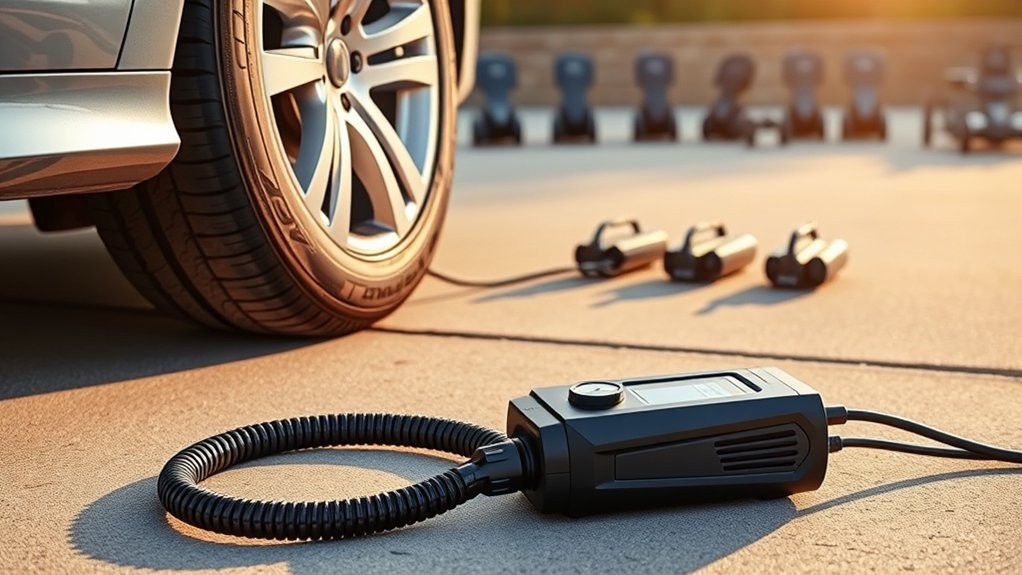
If you value speed and convenience for roadside fixes, a 12V inflator is the go-to choice for many drivers. You should pick a 12V tire inflator when you need fast, reliable pressure restoration using your vehicle’s power outlet; it’ll usually take about eight minutes to take a mid-sized car tire from flat to full. Choose this over battery-only units if you want compact, lightweight portable air that’s easy to store and won’t need recharging. Don’t pick a 12V model when you’ll be away from a vehicle for extended periods — battery-powered or larger compressors win there. Also consider alternatives if you regularly inflate large loads or need continuous high-volume output beyond what most tire inflators deliver. For emergency roadside freedom and routine upkeep, a 12V unit gives accurate pressure via built-in gauges and doubles for sports gear or inflatable toys, keeping your inflated tires and other essentials ready without tying you down.
[Products Worth Considering]

Fast-Inflation & Compact: Our compact and lightning-fast upgrade to the popular R7 air compressor portable. With a powerful 40L/Min cylinder, this air pump for car can inflate a tire (215/50 R17) in under a minute (26-35PSI) and even Tesla tires (235/40 R19) in just 1.5 minutes (28-36PSI). Say goodbye to slow and cumbersome inflation processes – This 150PSI tire inflator portable air compressor offers a smoother, faster solution for all your inflation needs.

Fast Inflation & Easy Operation: The air pump’s high-quality cylinder delivers 25L/Min inflation, filling a tire from 29 PSI to 36 PSI in just one minute. Easy operation, quick inflation. Please note that you should allow the air compressor to cool off for a while after 15 minutes of continuous operation. (NOTE: This tire inflator can only be used if connected to a 12 V DC, 15 A cigarette lighter). NO AC!

[Fast & Efficient Inflation] The OlarHike tire inflator features a high-performance motor that delivers rapid airflow—inflate a standard car tire (195/65 R15) from 30 to 35 PSI(+5 PSI) in just 55 seconds, or a larger SUV tire (235/65 R17) from 30 to 35 PSI(+5 PSI) in only 2.2 minutes. Ideal for cars, SUVs, light Pickup(Within 51 PSI), motorcycles, bicycles, and sports balls. Important Note: The unit can only inflate car/pickup truck tires up to 51 PSI
How to Choose the Right 12V Inflator (Key Specs and Features)
When you pick a 12V inflator, consider power source options — direct cigarette-lighter hookup, hardwiring to the battery, or a built-in rechargeable pack — so you know it’ll run where and when you need it. Check the pressure range and gauge accuracy (aim for at least 60 psi and a dial or digital readout) to get reliable results. Finally, look at hose and connector design: a longer, flexible hose and secure multi-adapters make topping up any tire or gear much easier.
[Products Worth Considering]

Please Note: This product must be powered by a 12V DC Cigarette Lighter to function properly, and ensure the vehicle is in a running state. And it equipped with a 9.8-foot cord, which can meet the usage needs of most regular-sized vehicles.

[FAST INFLATION & PORTABLE DESIGN] The FLYKID C3012 car tire inflator portable air compressor delivers rapid inflation up to 150 PSI, refilling a P195/65R15 tire from 0-36 PSI in under 5 minutes. Its compact tire compressor portable for car design fits seamlessly in glove compartments, while the 10-ft power cord and 2-ft hose ensure easy access to all tires. Perfect for roadside emergencies or quick top-ups

This Analog Tire Inflator is a lean, mean inflating machine and has all the essentials, without any added bulk. It may be compact, but the tire inflator packs one heck of a punch.Fit Type: Universal Fit
Power Source Options
Choosing the right 12V tire inflator starts with its power source, since how you’ll use it on the road affects whether you need a unit that plugs into the car outlet, clips to the battery, or offers both options. You want freedom: plug into the power outlet for quick top-ups, or use alligator clips for emergencies when the engine’s off. Check the maximum pressure capacity to guarantee the unit can handle your tires. Prefer models with automatic shut-off to avoid over-inflation and free you from constant monitoring. Compact, lightweight designs make liberation from bulky tools easy.
- Plugs into car power outlet for convenience
- Alligator clips for battery-powered use
- High maximum pressure capacity for versatility
- Automatic shut-off for safety and ease
Pressure Range Accuracy
Now that you’ve picked a power setup that fits your driving habits, check the inflator’s pressure range and accuracy to make sure it matches your tires. You want a unit that covers typical car needs (0–60 psi) with some models reaching 160 psi for larger vehicles. Look for ±1 psi precision and a clear digital gauge so you can see actual inflation pressure as you work. An automatic shut-off feature prevents you from over-inflate a tire and gives you freedom from constant monitoring. Choose accuracy that preserves safety and extends tire life, empowering you to travel without worry.
| Spec | Why it matters |
|---|---|
| 0–60 psi | Suits most cars |
| Up to 160 psi | For trucks/bikes |
| ±1 psi | Precise inflation pressure |
| Digital gauge | Real-time readings |
| Auto shut-off | Prevents over-inflate a tire |
Hose And Connector Design
Because the hose and connector are the first point of contact with your tire, pick a design that makes attachment quick, secure, and low-stress. Choose a quick-connect head with lift-to-lock action so you snap on fast, protect the valve stem, and reduce wear. Look for about 0.68 meters of hose length and a flexible build so you can reach every tire without contorting. Prefer models with a built-in dial gauge (0–60 psi) on the air pump so you get accurate pressure readings while you inflate. If you want freedom, go portable and carry adapters for balls, rafts, and other gear.
- Quick-connect, lift-to-lock valve head
- ~0.68 m flexible hose length
- Integrated 0–60 psi gauge on unit
- Portable unit with multiple adapters
Troubleshooting and Maintenance to Keep Your 12V Inflator Ready
When you want your 12V inflator ready whenever you need it, perform simple, regular checks: inspect and clean the air hose and connectors to prevent leaks, verify the power source and connections, and store the unit in a cool, dry place away from extreme temperatures. Regularly inspect the power cord and clamps for frays or corrosion; a damaged cord limits performance and risks safety. Check the power source before use—vehicle battery or DC outlet must supply steady voltage. If your Digital Tire gauge reads oddly, confirm the hose seal and valve attachment, then retest. After continuous use, let the compressor cool 10–15 minutes to avoid overheating and extend life. Keep the inflator dry and sheltered from heat or freezing. Follow the manufacturer’s maintenance tips in the manual for model-specific guidance and troubleshooting steps. With these concise habits, you’ll keep your inflator reliable, independent, and ready when freedom calls.
Frequently Asked Questions
What Is the Difference Between a 12V and 120V Tire Inflator?
You get portability with 12v benefits—compact, vehicle-powered for emergencies and outdoor use—while 120v advantages offer higher power, faster inflation and garage use; portability comparison favors 12v, power efficiency and usage scenarios guide your choice.
Can a 12V Air Compressor Fill a Car Tire?
Yes — you can: a 12V compressor will restore tire pressure for routine roadside needs. Check compressor power, monitor inflation speed, consider usage scenarios, and follow maintenance tips to stay liberated and prepared.
How to Use a 12-Volt Tire Inflator?
Ready to inflate? Connect the inflator to your 12V outlet, attach the hose, pump to correct tire pressure, use inflator accessories as needed, follow safety tips, check for leaks, and perform regular inflator maintenance for portable convenience.
What Is the Best 12V Tire Inflator?
The best 12V tire inflator for you depends, but top brands like AstroAI and Viair combine inflator features, portability options, pressure accuracy, and positive user reviews so you’re empowered to choose freedom and reliable roadside performance.
Conclusion
A 12V tire inflator is a compact, car-ready tool you’ll likely use more than you think — nearly 1 in 4 drivers experience a flat annually, so being prepared matters. Choose one with adequate PSI, decent flow rate (L/min), and an auto shutoff for safety. Keep it clean, check hoses and fuse, and store it charged. With basic care, a 12V inflator gives fast, practical roadside peace of mind whenever you need it.







Leave a Reply to Best Portable Tire Inflators (AC/DC & 12V) For Roadside Emergencies (2026) Cancel reply