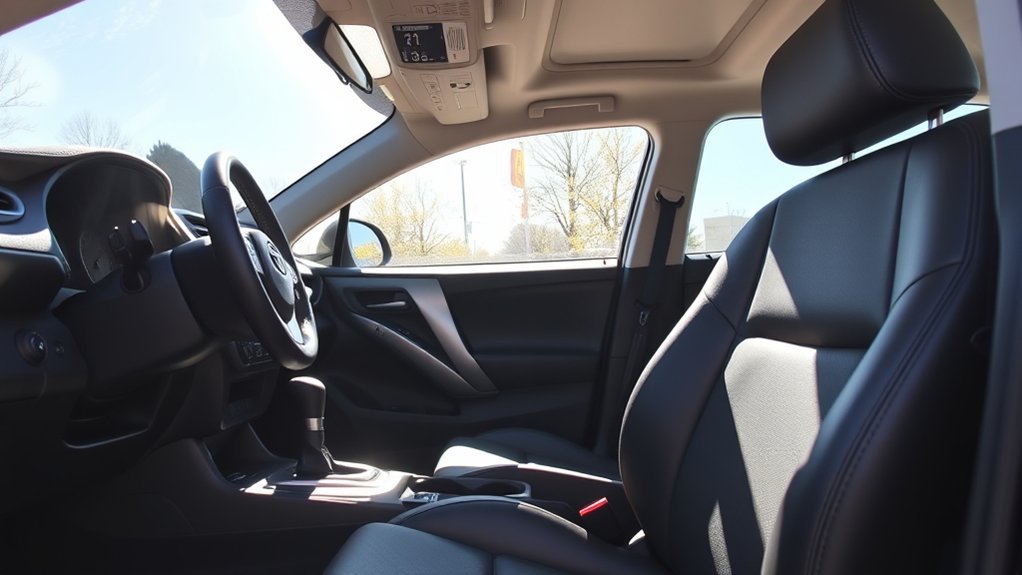
Cleaning a Toyota RAV4 interior is safest when you work from dry to wet and match the cleaning method to each material. Start by removing trash and vacuuming, then use a well-wrung microfiber cloth, lukewarm water, and only the mild cleaner approved for the surface. Keep liquids away from screens, switches, wiring, airbag areas, and the wireless charging pad.
Quick Answer
To clean a Toyota RAV4 interior, declutter and vacuum first. Wipe hard surfaces with a microfiber cloth dampened with lukewarm water, using a small amount of neutral detergent only when needed. Clean cloth, leather, and SofTex or synthetic-leather seats with material-safe methods, and never spray cleaner directly onto electronics.
Key Takeaways
- Vacuum before using a wet cleaner so loose grit does not scratch or turn into mud.
- Confirm whether the seats are cloth, genuine leather, or SofTex or another synthetic leather before choosing a product.
- Use lukewarm water first and a well-wrung cloth with mild neutral detergent only when necessary.
- Do not soak the floor, SRS areas, wiring, controls, touch screen, or wireless charging pad.
- Remove the source of an odor instead of covering it with a strong spray or fragrance.
At a Glance
| Time Required | About 45–90 minutes for routine cleaning, plus drying time for damp upholstery or carpet |
| Difficulty | Easy, provided you identify each material and avoid excess liquid |
| Tools Needed | Vacuum attachments, microfiber cloths, soft brush, mild neutral detergent, and a cleaner approved for the seat material |
| Cost | Usually $10–$40 if you need basic supplies; less if you already own them |
Warning: Do not splash or pour liquid inside the RAV4. Keep moisture away from SRS airbag components, seat wiring, switches, charging ports, the wireless charging pad, speakers, and display edges. Do not wash the vehicle floor with water or mix cleaning chemicals.
What You’ll Need for Cleaning Your Toyota RAV4 Interior
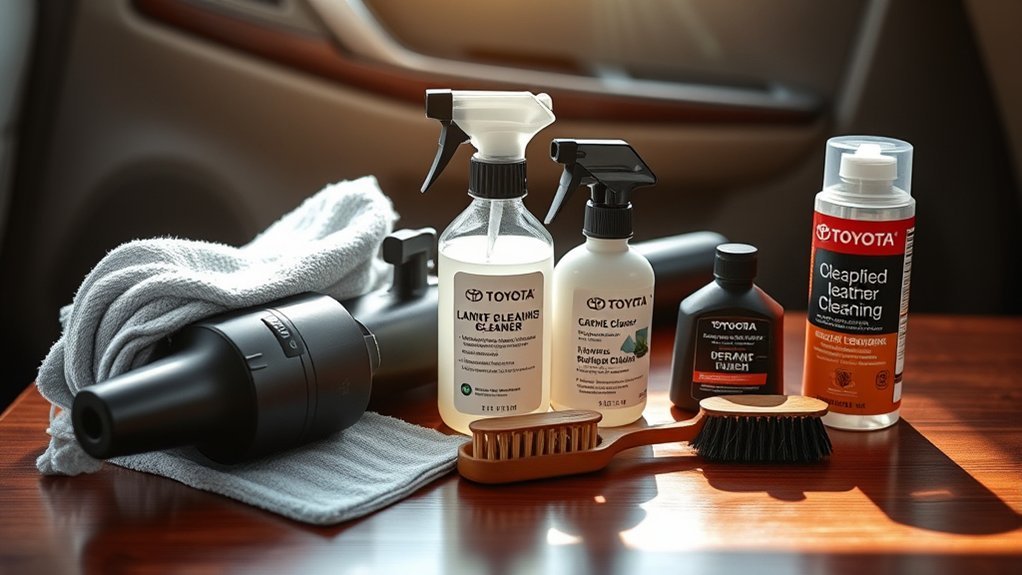
You do not need a large detailing kit for routine RAV4 interior cleaning. A small group of surface-safe tools is usually enough:
- Several clean microfiber cloths: Keep separate cloths for the dashboard, seats, glass, and final drying.
- Vacuum with a crevice tool and soft brush attachment: Use it on carpets, seat seams, vents, and the cargo area.
- Soft detailing brush: This loosens dust around vents, buttons, seams, and cupholders.
- Lukewarm water: This should be your first choice for most lightly soiled hard surfaces.
- Mild neutral detergent: Use only a small, properly diluted amount when water alone does not remove the dirt.
- Material-specific seat cleaner: Choose a product approved for cloth, genuine leather, or synthetic leather as applicable.
- Dry towels: Use them to remove leftover moisture and help upholstery dry evenly.
- Optional rubber glove or lint roller: These can help collect pet hair from carpet and cloth.
Identify Your RAV4 Seat Material First
RAV4 upholstery differs by model year, market, and trim. Do not assume that a leather-looking seat is genuine leather. It may be SofTex or another synthetic material. Check the window sticker, trim specifications, or your model-year Toyota owner’s manual before applying a cleaner or conditioner.
| Surface | Safest Starting Method | Avoid |
|---|---|---|
| Dashboard and hard trim | Well-wrung cloth with lukewarm water; mild neutral detergent if needed | Glossy polish, wax, strong solvent, bleach, or harsh acidic or alkaline cleaner |
| Genuine leather | Vacuum, then follow the model-year manual or leather-product instructions | Saturation, household degreaser, abrasive brush, or unapproved conditioner |
| SofTex or synthetic leather | Soft cloth with a weak neutral-detergent solution, followed by a clean damp cloth | Leather oil, solvent, abrasive pad, or strong alcohol-based product unless approved |
| Cloth upholstery | Vacuum, spot-test, lightly apply upholstery cleaner, and blot | Soaking the cushion or scrubbing aggressively |
| Touch screen | Clean, dry, soft microfiber cloth | Direct spray, excess moisture, paper towels, or unapproved glass cleaner |
Step-by-Step Guide to Decluttering and Vacuuming Your RAV4
- Park in a shaded, ventilated place. Let the cabin and surfaces cool. Switch the vehicle off and open the doors or windows where safe.
- Remove trash and loose belongings. Empty the door pockets, cupholders, center console, cargo area, and storage trays.
- Remove the floor mats. Check how each mat is retained so it can be reinstalled securely without interfering with the pedals.
- Slide the seats through their normal range. Move them fully forward and backward to expose the carpet. Do not remove a seat merely to vacuum underneath it.
- Vacuum from top to bottom. Begin with seat surfaces and seams, then clean the console edges, floor, under-seat areas, cargo floor, and mats.
- Use a soft brush while vacuuming vents and seams. Hold the vacuum nozzle nearby so loosened dust is collected instead of pushed deeper into the cabin.
- Inspect before wet cleaning. Look for sticky spills, sharp objects, damaged wiring, damp carpet, frayed seat belts, and stains that require separate treatment.
Pro Tip: Vacuum dry dirt before using cleaner. Wetting crumbs, sand, or dust can create residue that is harder to remove and may be worked into fabric seams.
Cleaning RAV4 Floor Mats and Carpet
Shake and vacuum removable mats outside the vehicle. Follow the mat maker’s care instructions because carpeted and all-weather mats require different methods. Allow washed removable mats to dry completely before reinstalling them.
For fixed carpet, Toyota recommends keeping it as dry as possible. Apply a foam-type carpet product sparingly according to its label, work it gently with a sponge or soft brush, remove the dirty residue, and let the carpet dry with the doors open in a secure, ventilated area.
Do not pour water over the cabin floor. Wiring and electronic components may be located above or below it, and trapped moisture can lead to odor, corrosion, or mold growth.
Cleaning Your Toyota RAV4 Dashboard and Console
A safe dashboard-cleaning routine should remove dust and skin oils without leaving a slippery or glossy coating. Work on a cool surface and apply liquid to the cloth rather than the vehicle.
Dashboard and Air Vent Cleaning
- Use a dry microfiber cloth or vacuum brush to remove loose dust.
- Wipe the dashboard with a soft cloth dampened with lukewarm water.
- If dirt remains, use a well-wrung cloth with a weak solution of neutral detergent. The 2025 RAV4 manual specifies approximately 1% for general interior surfaces.
- Wipe again with a separate cloth lightly dampened with clean water to remove detergent residue.
- Dry the surface with a clean microfiber cloth.
- Use a soft brush and nearby vacuum nozzle for vents, speaker grilles, and narrow seams.
Warning: Do not apply polish wax, a shiny trim restorer, or a greasy dressing to the instrument panel. Toyota warns that dashboard reflection in the windshield can obstruct the driver’s view.
Console and Cupholder Care
Remove cupholder inserts if they are designed to lift out. Vacuum crumbs, then wipe the console and cupholders with a well-wrung microfiber cloth. For dried spills, hold a lightly damp cloth over the spot briefly to soften the residue, then wipe without flooding seams or switches.
Use a soft brush around buttons and narrow edges, but do not push liquid into the gaps. Dry the area before operating controls or placing a phone on the charging pad.
How to Clean RAV4 Seats by Material
Vacuum every seat before applying a product, including seams and the area where the seatback meets the cushion. Test any cleaner on a hidden spot and wait for it to dry before treating a larger area.
| Seat Type | Cleaning Method | Drying |
|---|---|---|
| Genuine leather | Vacuum, wipe with the manual-approved diluted neutral wool detergent, remove all residue, and use conditioner only when approved | Dry with a soft cloth in a shaded, ventilated area |
| SofTex or synthetic leather | Vacuum, wipe with a weak neutral-detergent solution, then remove detergent and water with a clean cloth | Air-dry without direct heat |
| Cloth | Vacuum, apply a spot-tested upholstery cleaner sparingly, agitate gently, and blot or extract the residue | Keep doors open in a secure place until the cushion is fully dry |
Genuine Leather Seats
For a 2025 RAV4, Toyota’s manual calls for vacuuming first, then wiping with a soft cloth dampened with an approximately 5% solution of neutral wool detergent. The cloth should be wrung out, all detergent residue should be removed, and the leather should be dried with a soft cloth in a shaded, ventilated area.
Check your own model-year manual because materials and instructions can change. Do not use household degreaser, bleach, abrasive pads, or an unapproved oil or conditioner. Clean spills promptly and avoid leaving vinyl, plastic, or wax-containing items against hot leather.
SofTex and Other Synthetic-Leather Seats
Vacuum loose dirt, then wipe the surface with a soft cloth dampened with a weak neutral-detergent solution. Toyota’s 2025 synthetic-leather instruction specifies approximately 1%. Wring the cloth well, work in small sections, and wipe again to remove remaining detergent and water.
Do not automatically apply leather oil or conditioner to SofTex. Use only a product that specifically states it is compatible with the material and is allowed by the vehicle manual.
Cloth Seats
Vacuum slowly in several directions to lift debris from the weave. Apply upholstery cleaner to a cloth or soft brush instead of saturating the seat. Work from the outside edge of a stain toward the center, then blot with a clean towel. Repeat light applications rather than soaking the cushion in one pass.
Leave the seat unused until it is fully dry. If liquid has soaked deeply into the foam, professional extraction may be safer than repeatedly adding more cleaner.
How to Clean Carpets, the Headliner, and Seat Belts
Headliner
Vacuum the headliner only with very light suction and a soft attachment. For a small mark, blot with a barely damp microfiber cloth and an upholstery-safe product. Do not saturate or scrub the headliner because excess moisture and friction can weaken the adhesive beneath the fabric.
Seat Belts
Extend the belt and wipe it with a cloth or sponge using mild soap and lukewarm water. Do not bleach, dye, heavily soak, or mechanically scrub the webbing. Let it dry naturally while extended, then inspect it for cuts, fraying, stiffness, damaged stitching, or other excessive wear.
Have a damaged belt or buckle inspected by a qualified Toyota service facility rather than attempting a cosmetic repair.
Child Restraints
Clean a child seat only according to that restraint manufacturer’s instructions. Some harnesses and energy-absorbing components can be damaged by soaking or strong chemicals. After cleaning, reinstall the restraint according to both its instructions and the RAV4 owner’s manual, including the correct seat-belt or lower-anchor and tether routing.
Best Practices for Cleaning Your RAV4 Touch Screen
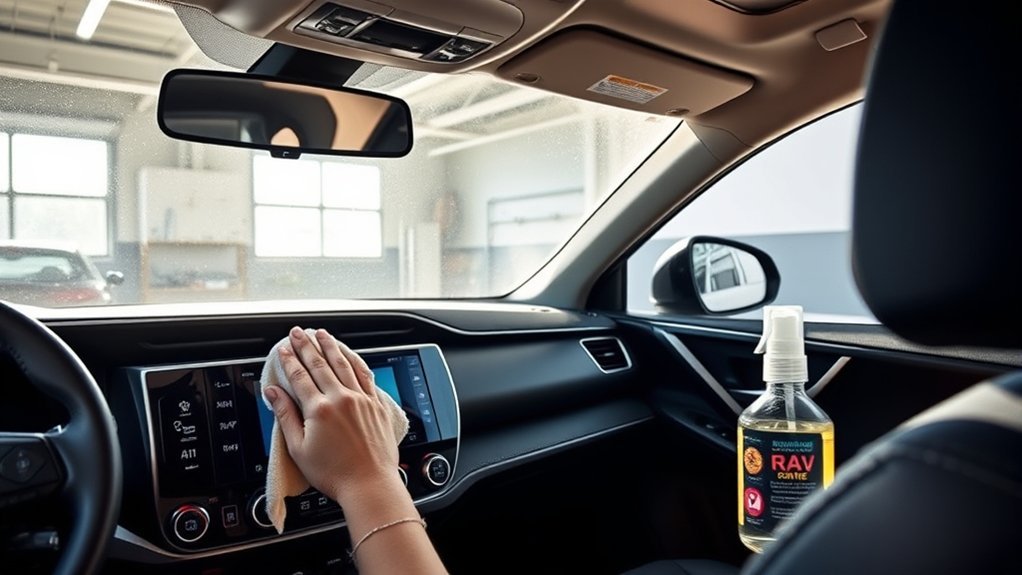
Fingerprints are usually easier to remove than dried spills, so begin with the least aggressive method. Multimedia displays can have model-specific coatings, making the correct manual more reliable than a universal household cleaning rule.
Proper Cleaning Materials
- A clean, soft, dry microfiber or lint-free cloth
- A second cloth barely dampened with water, if dry wiping is not enough
- A display cleaner only when the multimedia manual or product documentation confirms compatibility
Avoid paper towels, abrasive pads, excess pressure, and cleaners that leave a greasy film. Do not assume that a product labeled for household windows is suitable for a vehicle display.
Safe Touch-Screen Cleaning Technique
- Park the RAV4 and switch the display off if practical.
- Use a dry microfiber cloth to lift dust and fingerprints with light pressure.
- For a stubborn mark, dampen the cloth rather than spraying the screen.
- Wipe gently without forcing liquid toward the bezel, buttons, ports, or screen edges.
- Finish with a dry cloth and allow any remaining moisture to evaporate before switching the system on.
Note: Consult the multimedia manual for your exact model year before using alcohol, ammonia, disinfecting wipes, or a packaged screen cleaner. A product that is safe for one display coating may not be approved for another.
How to Clean RAV4 Interior Glass and Mirrors
Use a clean glass cloth and apply the product to the cloth rather than spraying it across the dashboard. Keep cleaner away from electronics, trim seams, and the forward-camera lens area at the top of the windshield.
Inside Windshield and Camera Area
Clean the glass around the camera housing carefully, but do not allow glass cleaner to touch the camera lens and do not touch the lens itself. If the lens or housing appears contaminated internally, consult a qualified service facility.
Rear Window and Defogger Wires
Toyota instructs owners not to use glass cleaner on the inside of the rear window because it may damage the defogger heater wires. Use a cloth dampened with lukewarm water and wipe gently in strokes that run parallel to the wires. Do not scrape stickers, adhesive, or residue across them.
Interior Mirrors
Use a soft, clean cloth and follow the instructions for the type of mirror installed. A digital rear-view mirror or camera system may require different care from a conventional glass mirror.
How to Remove Odors and Pet Hair from Your RAV4
Pet Hair
Vacuum first with a brush attachment. On dry cloth and carpet, a clean rubber glove, rubber pet-hair tool, or lint roller can gather hair that the vacuum misses. Work gently around seat seams so hair is lifted rather than pushed deeper into the upholstery.
Do not use sticky rollers on hot, delicate, or leather-like surfaces unless the product is approved for them.
Odors
Find the source before adding fragrance. Check under floor mats, in cupholders, beneath seats, inside the cargo area, and around the spare-tire well. Remove spoiled food, clean spills, empty trash, and dry any damp material.
For a mild odor in dry cloth or carpet, a light application of baking soda may help, but test a hidden area first, keep it away from leather and electronics, and vacuum it out completely. Do not use it as a substitute for cleaning a spill or fixing water intrusion.
Use cleaning and deodorizing products in a well-ventilated area and follow their labels. The U.S. Environmental Protection Agency lists cleaners, disinfectants, aerosol sprays, automotive products, and air fresheners among potential sources of volatile organic compounds.
Warning: A persistent musty smell, wet padding, visible mold, or recurring condensation requires more than an air freshener. Find and repair the moisture source. Flooded carpet, widespread mold, or contaminated padding may need professional removal and replacement.
How to Handle Common Interior Spills and Stains
| Problem | What to Do | What to Avoid |
|---|---|---|
| Fresh drink spill | Blot immediately, use the material-appropriate cleaner sparingly, then blot dry | Rubbing outward or pouring water into the cushion |
| Greasy mark | Lift excess material, then use a cleaner approved for the exact upholstery | Strong household degreaser or solvent |
| Mud on carpet | Let it dry, vacuum loose soil, then spot-clean the remaining mark | Scrubbing wet mud deeper into the fibers |
| Sticky candy or gum | Harden it with a sealed cold pack, lift it carefully, and treat residue with an approved product | Sharp blades, heat, or unapproved solvent |
| Unknown stain | Photograph it, spot-test a mild method, and stop if color transfers or the finish changes | Layering several chemicals or mixing products |
Easy Maintenance Tips for Keeping Your RAV4 Clean
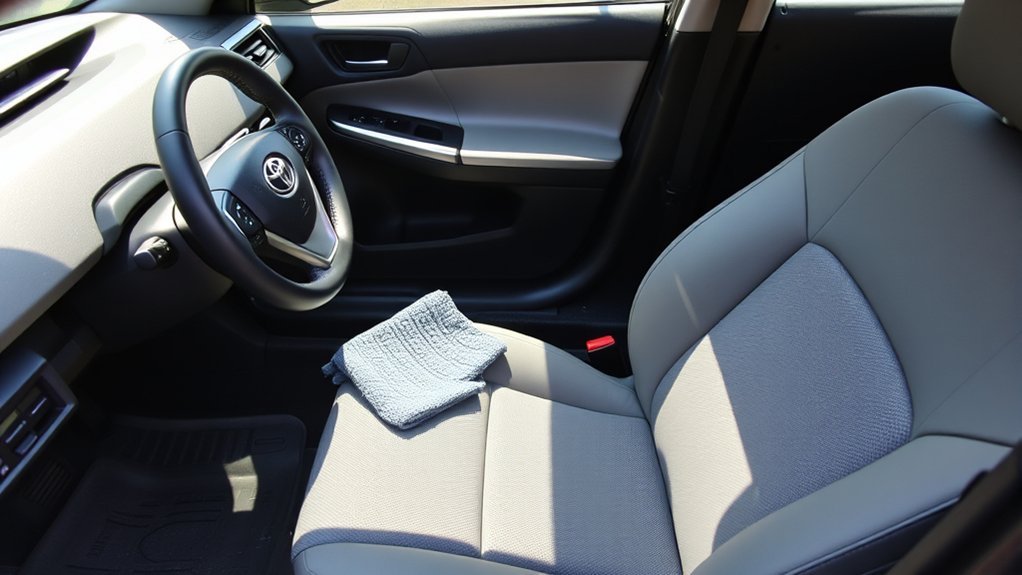
A practical schedule should reflect how the RAV4 is used. A vehicle carrying children, pets, work equipment, or food will need attention more often than one used occasionally by a single driver.
| Interval | Recommended Task |
|---|---|
| After a spill | Blot and clean it promptly before it spreads or dries |
| After trips or as needed | Remove trash, food, damp items, and loose clutter |
| Weekly or when dusty | Wipe high-touch hard surfaces with a clean, well-wrung cloth |
| Monthly or based on use | Vacuum seats, carpets, mats, seams, and the cargo area |
| At least twice a year | Perform a deeper material-specific interior cleaning; Toyota gives this as a baseline for maintaining interior quality |
Do not apply conditioner on a fixed monthly schedule unless the upholstery manufacturer or your model-year manual calls for it. More product is not always better, and residue can attract dirt or change the surface finish.
When to Stop DIY Cleaning
Seek professional help when:
- Liquid has entered a switch, display, charging pad, seat connector, speaker, or other electrical component.
- The carpet or padding was flooded or remains wet after normal drying.
- There is widespread mold, sewage, fuel, chemical, or biological contamination.
- A seat belt is cut, frayed, stiff, or damaged.
- A stain causes dye transfer, surface peeling, swelling, or discoloration during a hidden-area test.
- A seat must be removed to reach contamination beneath it.
- An odor returns after the visible source has been removed and the cabin has dried.
Frequently Asked Questions
What does Toyota recommend for cleaning the dashboard?
Toyota recommends vacuuming or removing loose dust, wiping dirty general interior surfaces with a cloth dampened with lukewarm water, and using approximately 1% neutral detergent if water alone is not enough. Wring the cloth well, remove the detergent residue, and avoid polish wax or glossy dashboard cleaner.
How do you clean a Toyota RAV4 dashboard?
Vacuum or dust it first. Wipe with a soft microfiber cloth dampened with lukewarm water. Use a small amount of diluted neutral detergent only for remaining soil, wipe away all residue, and dry the surface. Apply liquid to the cloth rather than spraying the dashboard.
What is the best cleaner for a RAV4 interior?
There is no single best product for every surface. Lukewarm water and a well-wrung microfiber cloth are the safest starting point for many hard surfaces. Use a mild neutral detergent when needed and choose separate approved products for cloth, genuine leather, synthetic leather, carpet, and the multimedia display.
How do you clean RAV4 SofTex seats?
Vacuum first, then wipe with a soft cloth dampened with a weak neutral-detergent solution. The 2025 RAV4 manual specifies approximately 1% for synthetic leather. Wring out the cloth and remove all detergent and water afterward. Confirm the instructions in your own model-year manual.
Can you use disinfecting wipes or alcohol inside a RAV4?
Do not treat them as universally safe. Toyota warns against several strong or unsuitable cleaner types, including certain alcohol-containing products on seats. Check the vehicle manual and the cleaner label for the exact material, spot-test it, and never use a wet wipe on a screen, switch, seam, or electrical opening unless specifically approved.
Can you shampoo a Toyota RAV4 carpet?
Yes, but keep the fixed carpet as dry as possible. Toyota recommends a commercial foam-type carpet cleaner rather than washing the floor with water. Apply the product sparingly, remove dirty residue, and allow the carpet to dry fully before closing the vehicle.
How often should a RAV4 interior be cleaned?
Remove spills and damp items immediately, vacuum according to use, and wipe dusty high-touch areas as needed. Toyota recommends cleaning the interior at least twice a year as a baseline. Vehicles carrying children, pets, food, or work equipment may need more frequent attention.
Conclusion
A clean RAV4 interior does not require strong chemicals or heavy saturation. Remove dry debris first, use the mildest suitable method for each material, and keep moisture away from electrical and safety components. Clean spills promptly, let damp surfaces dry completely, and use the owner’s manual for model-specific instructions. This approach keeps the cabin comfortable without trading cleanliness for damaged trim, upholstery, glass, or electronics.
Sources
- Toyota Manuals and Warranties — model-year owner’s manuals and vehicle-specific interior care instructions
- U.S. Environmental Protection Agency: Volatile Organic Compounds and Indoor Air — ventilation and potential emissions from cleaners, sprays, automotive products, and air fresheners
- EPA Safer Choice — guidance for identifying products made with safer chemical ingredients
- Centers for Disease Control and Prevention: Mold Cleanup Guidance — moisture, mold, ventilation, and situations requiring extra precautions
- National Highway Traffic Safety Administration: Car Seats and Booster Seats — following child-restraint and vehicle-manufacturer instructions