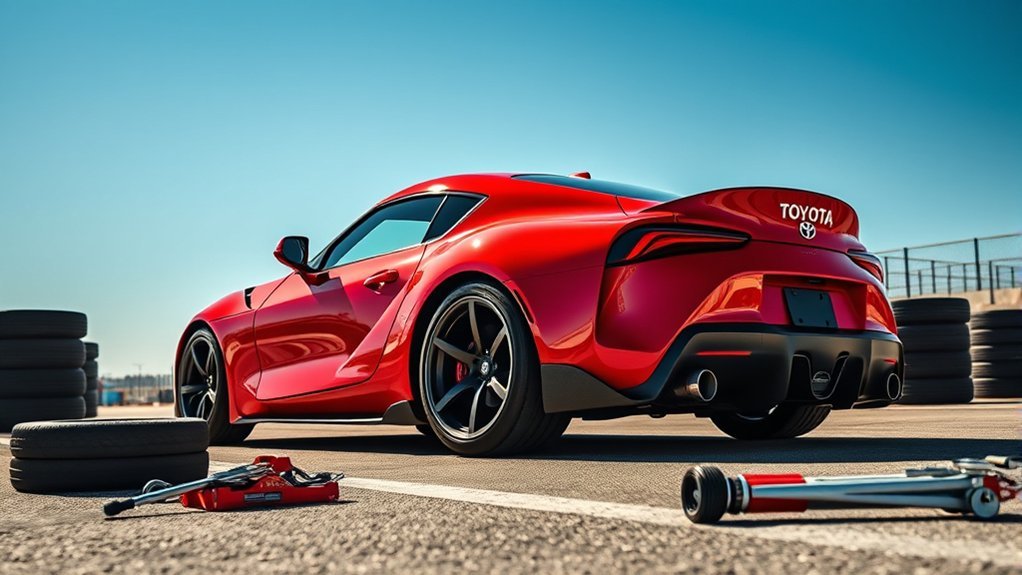
Toyota Supra track day preparation comes down to five things: fresh high-temperature brake fluid, brake pads with plenty of life, tires in good condition at the right pressure, tight wheel nuts and a car cleared of loose items. Add a rated helmet and a beginner-friendly HPDE event with instructors. Upgrades can wait until you know what the car needs.
Always check your owner’s manual and the rules of the event organizer. This checklist is general guidance, not a substitute for either.
Toyota Supra Track Day Preparation Checklist

| Item | What to do |
|---|---|
| Brake fluid | Use fresh fluid with a high boiling point. Old fluid absorbs moisture and can boil on track. |
| Brake pads and rotors | Check pad thickness and look for cracks or heavy lips on the rotors. |
| Tires | Check tread depth, sidewalls and age. Set pressures, then adjust after the first session. |
| Wheel nuts | Torque to the manual spec in a star pattern. The widely published value is 140 N·m (about 103 lb-ft); confirm it in your manual. |
| Oil and coolant | Check levels cold. Bring a little oil in case a top-up is needed. |
| Cabin and trunk | Remove loose items and the driver floor mat so nothing can slide under the pedals. |
| Fuel | Arrive with enough fuel for your sessions. Most tracks do not allow fuel containers in the paddock. |
Not sure how often to service these? See our Supra maintenance schedule guide and when to flush brake fluid.
Tires for Track Days
Your stock summer tires can handle a first beginner track day if they are in good shape. They will wear and heat up faster than on the street, so inspect them after every session.
- The 3.0 uses a staggered setup (commonly 255/35R19 front and 275/35R19 rear), so check the sidewall for your sizes before you shop.
- Stickier track-oriented tires give more grip but wear faster. Match them to how often you go.
- Do not mix different tire models on one axle.
Because the front and rear sizes differ, you cannot cross-rotate them. Our Supra tire rotation pattern guide explains what is possible, and the tire pressure chart helps with starting pressures.
Brakes: Maintain First, Upgrade Later
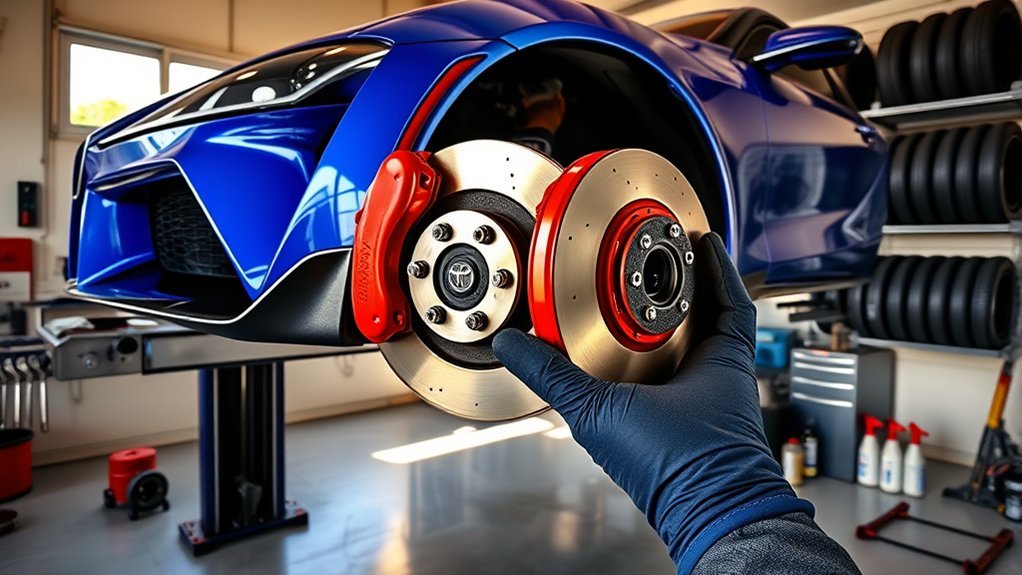
Fresh fluid and good pads are the first priority. Many beginners find they do not need more than that for early track days.
- If you do change pads, choose compounds made for track use and bed them in following the maker’s instructions.
- Stainless braided lines and bigger brake kits are optional. Make sure any kit is made for your model year.
- After a session, do not leave the parking brake clamped on hot rotors. Use neutral and chocks if needed.
See how to maintain Supra brakes for track use and the brake fluid type guide.
Suspension and Other Upgrades
The GR Supra is quick on track in stock form. Suspension changes such as coilovers or sway bars alter how the car handles and are best chosen after you have some track experience. An alignment check is a cheaper first step. Our track day mods roundup covers popular options.
Driving Basics for Your First Track Day

- Sign up for an HPDE event with instructors and a novice group.
- Keep stability control on while you learn. The Supra has a TRAC/DSC OFF switch, and holding it disables the stability system. Read the manual before using it.
- Be smooth with steering, throttle and brakes. Brake in a straight line before the corner.
- Look ahead to where you want to go and learn the flag signals at the drivers’ meeting.
- Do a cool-down lap before parking.
Safety Gear
| Item | Notes |
|---|---|
| Helmet | Check the organizer’s rating rules. Many require a recent Snell SA-rated helmet; some novice groups accept other ratings. |
| Clothing | Closed shoes with thin soles, long pants and a shirt with sleeves. Fire-resistant suits are optional at most HPDE events. |
| Head and neck restraint | Only useful with a racing seat and harness. Stock seat belts are not compatible with most devices. |
After the Track Day
- Recheck wheel nut torque after the first drive home or the next day.
- Inspect brake pads, rotors and tires for wear or damage.
- Check oil, coolant and brake fluid levels.
- Look underneath for leaks or damaged undertrays.
Does Track Use Affect Your Warranty?
Toyota has stated that its warranty excludes damage from misuse and racing, and that claims are evaluated case by case. Attending an event is not automatically a warranty violation, but damage caused by track use may not be covered. Read your Warranty and Maintenance Guide or ask your dealer.
Frequently Asked Questions
How do I prepare a Toyota Supra for its first track day?
Service the basics: fresh high-temperature brake fluid, healthy pads, good tires at the right pressure, torqued wheel nuts and fluid levels. Clear the cabin, bring a rated helmet and join a beginner HPDE group with instructors.
Do I need to upgrade the brakes before a track day?
Usually not for a first event. Fresh brake fluid and pads with plenty of life matter most. Consider track pads or a brake kit only after you see how the stock system copes.
Will track days void my Toyota warranty?
Toyota has said its warranty excludes damage from misuse and racing, and that claims are judged case by case. Attending an event alone is not a violation, but check your warranty booklet or ask a dealer.
Should I turn stability control off on track?
Beginners should leave it on. The Supra has a TRAC/DSC OFF switch, and holding it turns the stability system off, which reduces safety margins. Read the owner manual and ask your instructor first.
What helmet do I need for a Supra track day?
It depends on the organizer. Many require a recent Snell SA-rated helmet, while some novice groups accept other ratings. Check the event rules before buying.
Conclusion
Start with the basics: brakes, tires, wheel nuts and a clean cabin. Join an event with instructors and keep stability control on while you learn. Upgrade only when you know what you need.