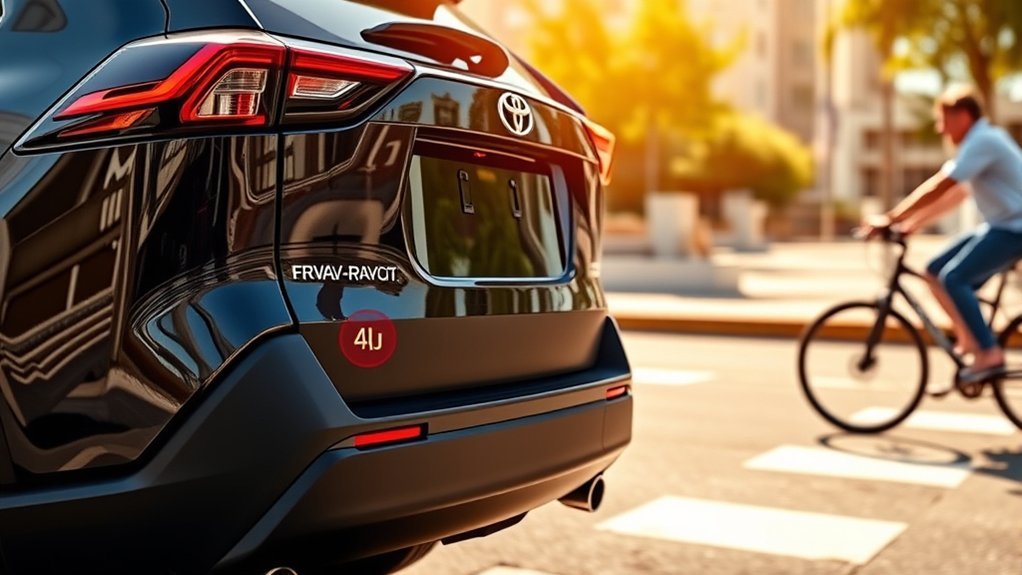
The Toyota RAV4’s Rear Cross Traffic Alert (RCTA) helps you back out of parking spaces, driveways, and tight rows with better awareness of vehicles approaching from either side. It uses rear-side radar sensors to watch the cross-traffic areas behind the vehicle and warns you with side-mirror indicators, a buzzer, and, on equipped models, an on-screen icon. This guide explains how RCTA works, when it activates, what its limits are, and how to troubleshoot common problems without relying on the system more than you should.
Quick Answer
Toyota RAV4 Rear Cross Traffic Alert is a driver-assist feature that warns you when vehicles approach from the left or right rear while you are reversing. It uses rear-side radar sensors and alerts you through flashing mirror indicators, a buzzer, and an available display icon.
Key Takeaways
- RCTA is designed to help when backing out of parking spaces where side visibility is limited.
- On the 2024 RAV4, Toyota lists RCTA operation when the vehicle is in reverse, the system is on, your speed is below about 9 mph, and approaching vehicles are roughly 5–34 mph.
- The system is helpful, but it does not replace mirrors, the backup camera, turning your head, and checking around the vehicle.
- Mud, snow, ice, bumper stickers, misaligned sensors, extreme temperatures, or a rear impact can reduce RCTA performance.
At a Glance
| Best Use | Backing out slowly from parking spaces, driveways, and tight rows |
| Driver Action | Shift to Reverse, pause, check mirrors/camera/blind spots, then back up slowly |
| Tools Needed | Owner’s manual and a clean microfiber cloth for sensor-area cleaning |
| Cost | Usually $0 for cleaning or settings checks; dealer diagnosis may cost more if a malfunction remains |
Understanding Rear Cross Traffic Alert (RCTA)
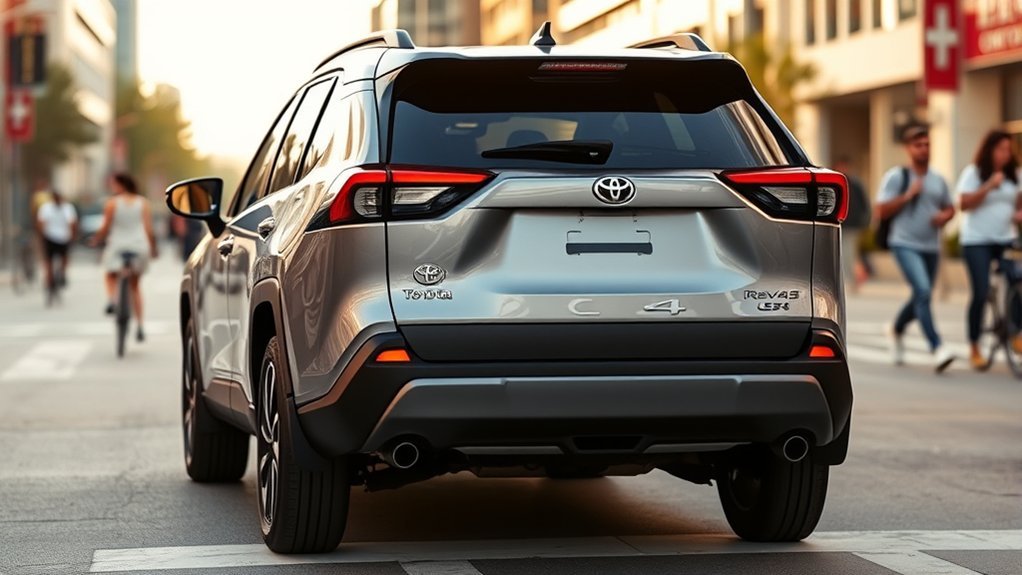
Rear Cross Traffic Alert is part of the Blind Spot Monitor system on many Toyota models. In the RAV4, the system uses rear-side radar sensors mounted behind the rear bumper area to detect vehicles approaching from the right or left while you are backing up. Toyota describes the function as an assist for checking areas that are not easily visible when reversing.
When RCTA detects a vehicle approaching from either side, both outside rear-view mirror indicators can flash, a buzzer can sound, and an icon may appear on the multimedia or panoramic-view display if your RAV4 is equipped with that display feature. Toyota’s official RAV4 manual explains the RCTA function and its operating conditions in the Toyota Owners RAV4 manual.
Warning: RCTA is a support feature, not an autopilot or collision-prevention guarantee. Always check behind and beside the RAV4 with your eyes, mirrors, and rear camera before reversing.
RCTA Operating Conditions in the Toyota RAV4
The exact operating details can vary by model year, market, and equipment package, so your owner’s manual is the final authority. For the 2024 Toyota RAV4, Toyota lists these RCTA operating conditions:
| Condition | What It Means |
|---|---|
| Vehicle power | The engine switch or power switch must be on. |
| System setting | RCTA must be turned on in the vehicle settings. |
| Shift position | The shift lever must be in Reverse. |
| RAV4 speed | The RAV4 must be moving below approximately 9 mph. |
| Approaching vehicle speed | The approaching vehicle is typically within approximately 5–34 mph. |
You may also see Toyota support pages describe RCTA more generally as working below 5 mph and detecting vehicles between 5 and 18 mph. Treat that as general Toyota guidance, not a replacement for the RAV4-specific manual for your exact year.
Key RCTA Features in the Toyota RAV4
When you are backing out of a parking space, RCTA adds a helpful layer of awareness by monitoring cross-traffic that may be hidden by large vehicles, walls, landscaping, or tight parking rows. The most useful features include:
- Rear-side radar sensing: The system checks the side areas behind your RAV4 for approaching vehicles.
- Mirror alerts: The outside rear-view mirror indicators flash when a vehicle is detected.
- Audible warning: A buzzer sounds to get your attention while you are reversing.
- Display icon on equipped models: The screen can show which side the approaching vehicle is coming from.
- Shared BSM hardware: RCTA works with the Blind Spot Monitor system and uses rear-side radar sensors described in the Toyota RAV4 Blind Spot Monitor manual section.
Availability can vary by RAV4 model year, trim, package, and market. If you are shopping for a used RAV4, confirm the feature on the window sticker, build sheet, settings menu, or owner’s manual instead of assuming every RAV4 has RCTA.
When Should You Use RCTA?
RCTA is most useful when you need to reverse out of a space and your side view is blocked. Common examples include crowded parking lots, angled parking spaces, tight residential driveways, school pickup areas, shopping centers, and spaces beside trucks or SUVs.
The best habit is simple: shift into Reverse, pause for a moment, check your mirrors and rear camera, look over your shoulders, then back up slowly. The pause gives you time to notice the RCTA warning and gives approaching drivers time to react.
Pro Tip: If your view is badly blocked, reverse in small movements instead of rolling out continuously. Stop as soon as you hear the buzzer or see the mirror indicators flash.
How RCTA Enhances Safety While Reversing
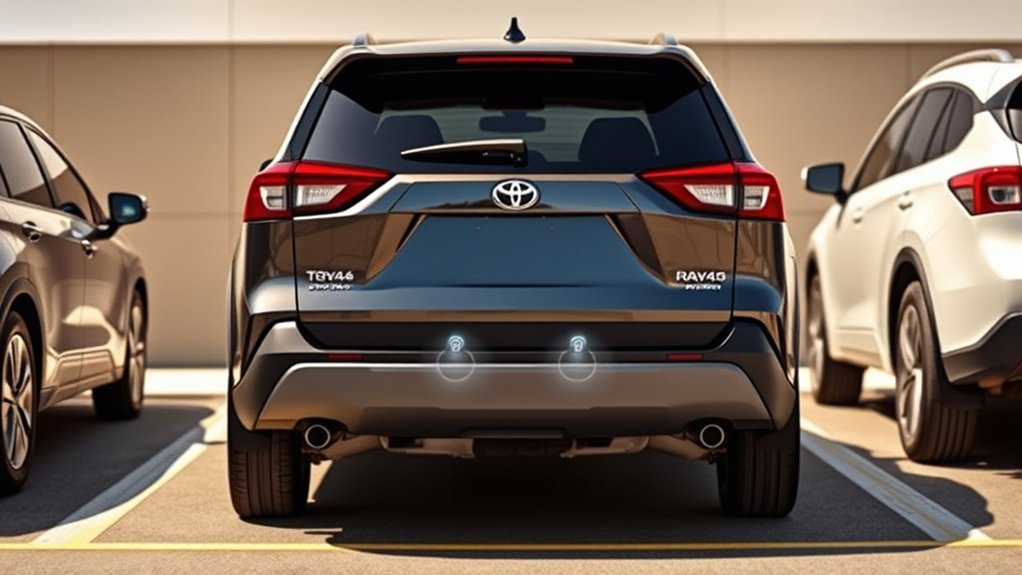
RCTA improves reversing awareness by checking areas that are hard to see from the driver’s seat. A backup camera shows the view directly behind the vehicle, while RCTA focuses on moving vehicles approaching from the left or right rear. That makes it especially helpful when you are parked between taller vehicles or near the end of a row.
Increased Awareness of Surroundings
RCTA gives you both a visual and audible warning, which is useful because drivers often divide their attention between mirrors, the rear camera, pedestrians, steering angle, and nearby parked vehicles. The mirror indicators can quickly tell you that something is approaching from a side area you may not be able to see clearly.
Collision Avoidance Technology Integration
RCTA works best as part of a larger reversing routine. Use it together with your backup camera, parking sensors if equipped, mirrors, and direct visual checks. NHTSA also advises drivers not to rely solely on detection devices and to actively check around the vehicle before backing up, especially when children or pedestrians may be nearby.
The Technology Behind RCTA: Radar Sensors
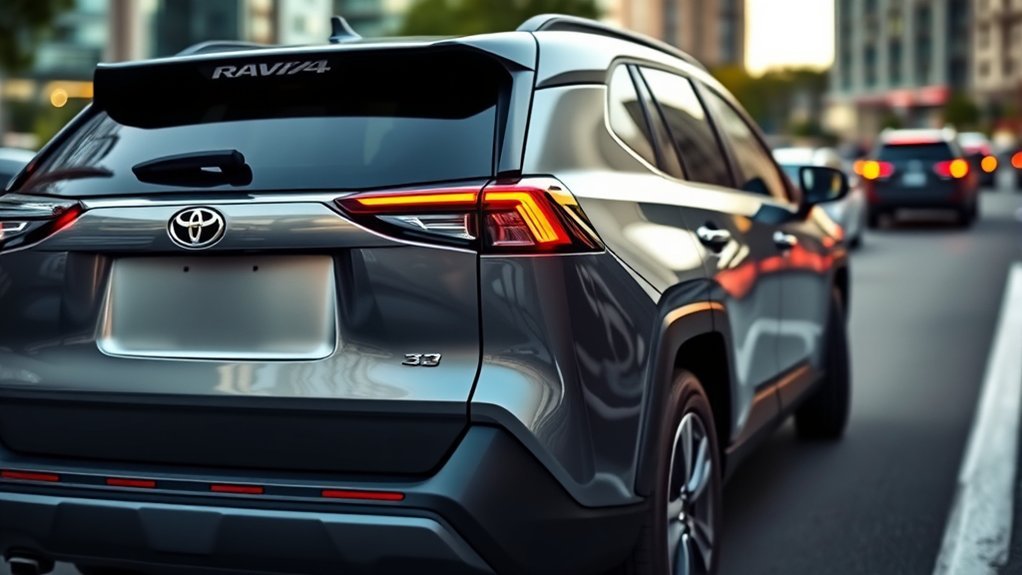
The RAV4’s RCTA function uses rear-side radar sensors installed behind the rear bumper area. These sensors monitor the cross-traffic zones behind the vehicle and can trigger warnings when an approaching vehicle enters the detection area while you are reversing.
The system is tuned for low-speed reversing situations, not high-speed driving. It is also not designed to identify every object behind the vehicle. It mainly assists with vehicles approaching from the left or right rear, so you should still watch for pedestrians, bicycles, animals, shopping carts, poles, walls, and vehicles directly behind your RAV4.
Common Limitations and Challenges of RCTA
RCTA is useful, but it has limits. Toyota specifically warns that the function may not operate correctly under some conditions and that the driver’s own visual confirmation is necessary. The most common issues are sensor blockage, sensor misalignment, unusual traffic angles, and environmental conditions.
Sensor Misalignment Issues
A rear bumper impact, body repair, or damage near the sensor area can move a radar sensor slightly out of position. Even small misalignment can reduce detection accuracy. If your RAV4 shows a malfunction message or the rear bumper area has been hit, have the vehicle inspected by a Toyota dealer or qualified repair facility.
Environmental Obstructions Affecting Detection
Mud, snow, ice, heavy dirt, or bumper stickers near the rear-side radar sensor areas can interfere with detection. Extreme heat or cold can also affect normal operation.
| Obstruction or Condition | Possible Effect | What to Do |
|---|---|---|
| Mud, snow, or ice | Sensors may not detect cross traffic correctly. | Clean the rear bumper sensor area gently. |
| Bumper stickers or accessories | Radar signal can be blocked or distorted. | Avoid placing stickers or accessories near sensor areas. |
| Rear impact or bumper repair | Sensor may become misaligned. | Schedule an inspection if warnings appear or detection seems wrong. |
| Steep angles or unusual parking layouts | Detection may be late or inconsistent. | Back out slowly and rely on visual checks. |
Speed Limitations During Operation
RCTA is intended for slow reversing. If your RAV4 is moving too fast, the shift lever is not in Reverse, the feature is turned off, or the approaching vehicle is outside the system’s detection range, the alert may not appear. This is another reason to back up slowly and pause when visibility is limited.
Activating and Deactivating RCTA in Your RAV4
On equipped RAV4 models, RCTA can usually be turned on or off through the vehicle settings using the steering-wheel meter-control switches and the multi-information display. The exact menu labels can vary by model year, but the process is generally similar:
- Turn the vehicle on.
- Use the steering-wheel controls to open the settings menu on the multi-information display.
- Look for the BSM or RCTA setting, depending on your model year.
- Select the setting and switch RCTA on or off.
- Confirm the dashboard indicator. If RCTA is off, the RCTA OFF indicator may illuminate.
Note: Some Toyota models group RCTA with Blind Spot Monitor settings, while others show RCTA as its own menu item. If the menu path does not match your RAV4, use the index in your owner’s manual and search for “RCTA” or “Blind Spot Monitor.”
Troubleshooting Common RCTA Issues
If RCTA does not seem to work, start with simple checks before assuming the system has failed.
- Confirm the feature is equipped: Not every RAV4 trim or model year has RCTA.
- Check the setting: Make sure RCTA or BSM/RCTA is turned on in the vehicle settings.
- Shift to Reverse: The system operates while reversing, not while driving forward.
- Back up slowly: RCTA is designed for low-speed reversing conditions.
- Clean the rear bumper: Remove mud, snow, ice, or heavy dirt around the rear-side sensor areas.
- Look for warning messages: “Rear Cross Traffic Alert Unavailable” can appear when the sensor area is blocked. “Rear Cross Traffic Alert Malfunction Visit Your Dealer” may indicate a sensor malfunction or misalignment.
- Inspect after impacts: If the bumper was hit, repaired, or repainted, the sensors may need professional inspection.
If cleaning the bumper and confirming the settings do not solve the issue, schedule service. Radar-sensor alignment and diagnosis should be handled by a qualified technician.
RCTA vs. Other Safety Features: What You Need to Know
RCTA is often confused with backup cameras, parking sensors, and Blind Spot Monitor, but each feature has a different job.
| Feature | Primary Job | Best Use |
|---|---|---|
| Rear Cross Traffic Alert | Warns about vehicles approaching from the left or right rear while reversing. | Backing out of parking spaces with blocked side visibility. |
| Backup camera | Shows the area directly behind the vehicle. | Checking rear obstacles, parking lines, and people behind the vehicle. |
| Parking sensors | Warns when the vehicle is close to nearby obstacles. | Maneuvering near walls, posts, bumpers, or garage objects. |
| Blind Spot Monitor | Warns about vehicles in side blind spots while driving forward. | Lane changes and adjacent-lane awareness. |
The safest approach is to combine all available tools. Use RCTA as an extra warning layer, not as permission to back up without looking.
Frequently Asked Questions
What is the Rear Cross Traffic Alert on the RAV4?
Rear Cross Traffic Alert is a Toyota driver-assist feature that warns you when vehicles approach from the left or right rear while you are reversing. It is most useful when backing out of a parking space with limited side visibility.
What triggers a Rear Cross Traffic Alert?
RCTA can trigger when the system is on, the RAV4 is in Reverse, the vehicle is moving slowly, and a vehicle approaches from the left or right rear within the system’s detection area. Exact speed thresholds vary by model year.
How does the Toyota RCTA work?
Toyota RCTA uses rear-side radar sensors behind the rear bumper to monitor cross traffic while you are reversing. If it detects an approaching vehicle, it warns you with flashing mirror indicators, a buzzer, and, on equipped models, a display icon.
How do I turn on my Rear Cross Traffic Alert on my Toyota?
Use the steering-wheel controls to open the vehicle settings on the multi-information display, then look for the BSM or RCTA setting and switch it on. Menu names vary, so check your exact RAV4 owner’s manual if you do not see the same label.
Does RCTA detect pedestrians, bicycles, or shopping carts?
RCTA is primarily designed to detect approaching vehicles from the side while reversing. Do not rely on it to detect pedestrians, bicycles, animals, carts, walls, posts, or objects directly behind the RAV4.
What does “Rear Cross Traffic Alert Unavailable” mean?
It often means the rear bumper sensor area is blocked by mud, snow, ice, or debris. Clean the rear bumper area gently and restart the vehicle. If a malfunction message remains, have the RAV4 inspected by a Toyota dealer or qualified technician.
Conclusion
The Toyota RAV4’s Rear Cross Traffic Alert is a valuable reversing aid, especially in busy parking lots and tight driveways. It can warn you about vehicles approaching from the sides, but it is still only a support system. Keep the rear bumper sensor areas clean, understand the feature’s limits, and always combine RCTA warnings with mirrors, the backup camera, and direct visual checks.
Sources
- Toyota Owners: 2024 RAV4 RCTA Function — RAV4-specific RCTA operation, warnings, sensor messages, and operating conditions.
- Toyota Support: Blind Spot Monitor with Rear Cross-Traffic Alert — general Toyota explanation of BSM/RCTA alerts and use while reversing.
- Toyota Owners: 2024 RAV4 Blind Spot Monitor — relationship between Blind Spot Monitor, RCTA, and rear-side radar sensors.
- NHTSA Child Safety — backing-up safety guidance and reminder not to rely solely on detection devices.