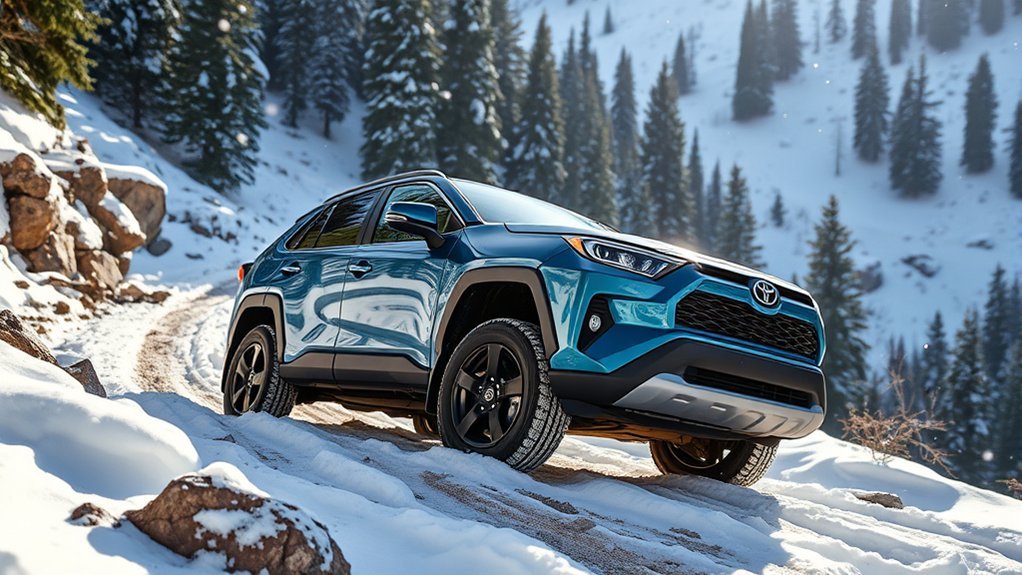
AWD on RAV4 models works automatically: the car drives the front wheels in normal conditions and sends torque to the rear wheels when it detects slip or needs more traction. Some versions use a mechanical rear driveshaft and others use an electric rear motor, and some have a Lock or trail control for low-speed traction. The details differ by model year and version, so check your owner’s manual.
How AWD on RAV4 Models Works
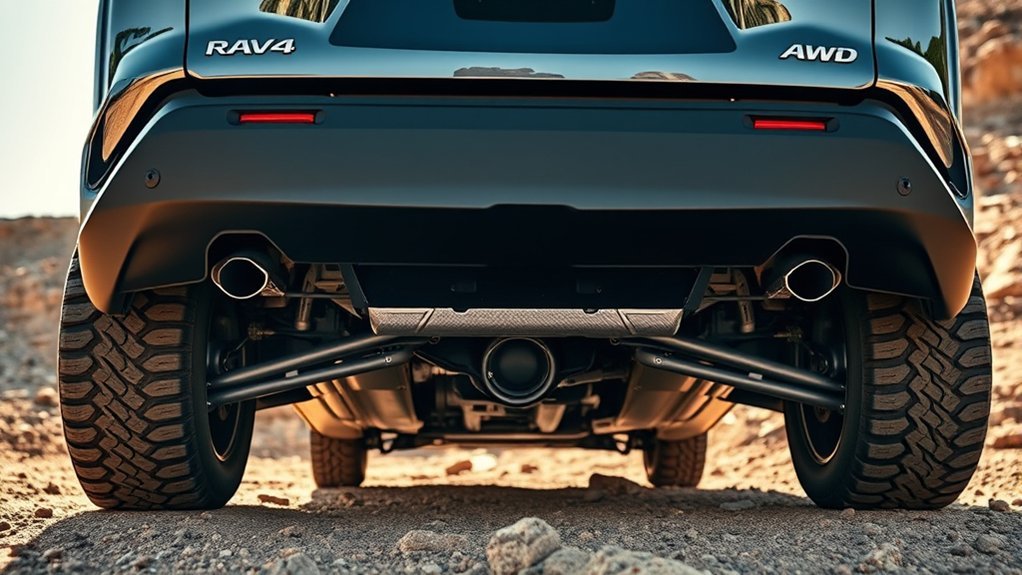
The system monitors wheel speed, throttle and steering and sends torque to the rear wheels when needed. It works without driver input. Some versions have a Lock control that holds the rear drive engaged at low speed, as your owner’s manual describes.
Innovative Features of the RAV4’s AWD-i System That Boost Traction
AWD features differ by model year and version. Some versions can vary torque between the front and rear wheels, and some use braking on a spinning wheel to move torque to the wheel with grip. Check Toyota’s specifications for your version.
Performance Benefits of RAV4 AWD in Various Conditions
AWD can improve traction when pulling away on snow, gravel, mud and wet roads. It does not help braking, so tires and speed still matter.
How RAV4 AWD Stacks Up Against Traditional 4WD

Traditional 4WD systems are generally built for heavier off-road use, while the RAV4’s system is designed for on-road traction and light trails with better fuel economy.
What Users Say About RAV4 AWD Performance in Snow and Rain
Owners generally find the AWD helpful in snow and rain, especially with winter or good all-season tires. Reviews vary by model year and tires.
How to Keep Your RAV4 AWD in Top Shape
Follow the service schedule in your owner’s manual and look after the tires.
Regular System Checks
Have the drivetrain inspected at the intervals in your owner’s manual, and have any warning light checked promptly.
Tire Maintenance Importance
- Check tire pressure regularly against the door-jamb placard.
- Rotate tires at the interval in your owner’s manual.
- Replace all four tires together or within the tread difference your manual allows.
AWD Engagement and Torque Distribution Explained
The system sends torque to the rear wheels as needed, based on grip and driving conditions. The split changes continuously.
Automatic Engagement Mechanism
The system engages automatically when it detects slip or high load. Some versions also engage the rear drive when pulling away.
Torque Distribution Process
The car adjusts the split between the front and rear wheels. The range depends on the version, so check Toyota’s specifications.
Performance in Various Conditions
AWD helps on slippery and loose surfaces. On dry roads it works in the background.
Why Choose AWD for Your RAV4?
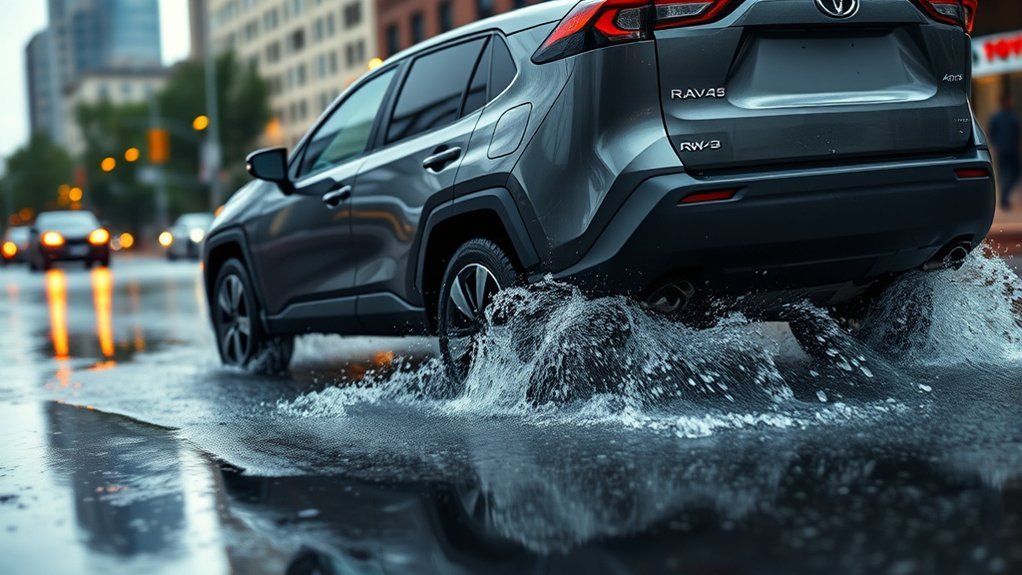
AWD is worth considering if you often drive on snow, ice, gravel or steep, wet roads. If you mostly drive on dry roads, front-wheel drive may be enough and costs less.
Related reading:
- How Does the Toyota RAV4 AWD System Work?
- How Does AWD Work on the Toyota RAV4 Hybrid?
- What Is Toyota RAV4 Dynamic Torque Vectoring AWD?
Frequently Asked Questions
How Does the AWD Work on a Toyota RAV4?
The car normally drives the front wheels and sends torque to the rear wheels when it detects slip or needs extra traction.
Does RAV4 AWD Automatically Engage?
Yes, it engages automatically when needed.
How Do I Activate AWD on My Toyota RAV4?
You normally do not need to. Some versions have a Lock or trail control, as your owner’s manual describes.
Does AWD Automatically Kick In?
Yes, the system adds rear drive automatically when it detects slip or needs extra traction.
Conclusion
In a world where conditions can change as quickly as a plot twist in a gripping novel, choosing the RAV4’s AWD isn’t just smart—it’s essential. With its innovative AWD-i system and superior traction, you’ll navigate Memphis streets and unpredictable weather with confidence. Keep your RAV4 well-maintained, and it’ll be your reliable companion, ready to tackle any adventure. After all, in the journey of life, it’s not just about the destination; it’s how you get there that counts.