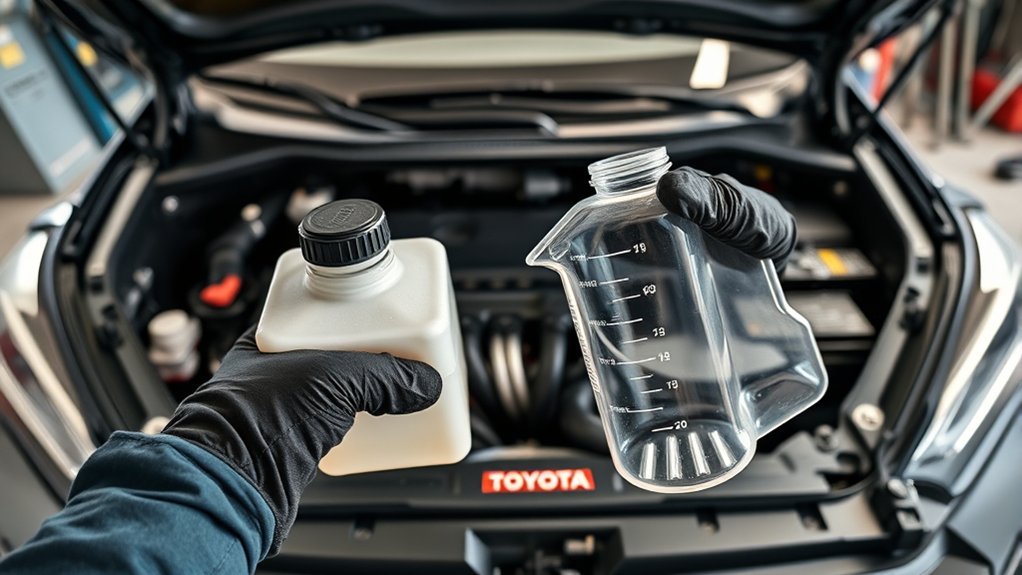
Toyota RAV4 coolant capacity depends on the engine, model year and whether the car is a hybrid, so use the figure in your owner’s manual or Toyota’s specification for your exact car. Toyota recommends its own long-life coolant type, usually mixed 50/50 with distilled water or bought pre-mixed. Never open a hot radiator or reservoir cap.
Essential Coolant Types for Your RAV4
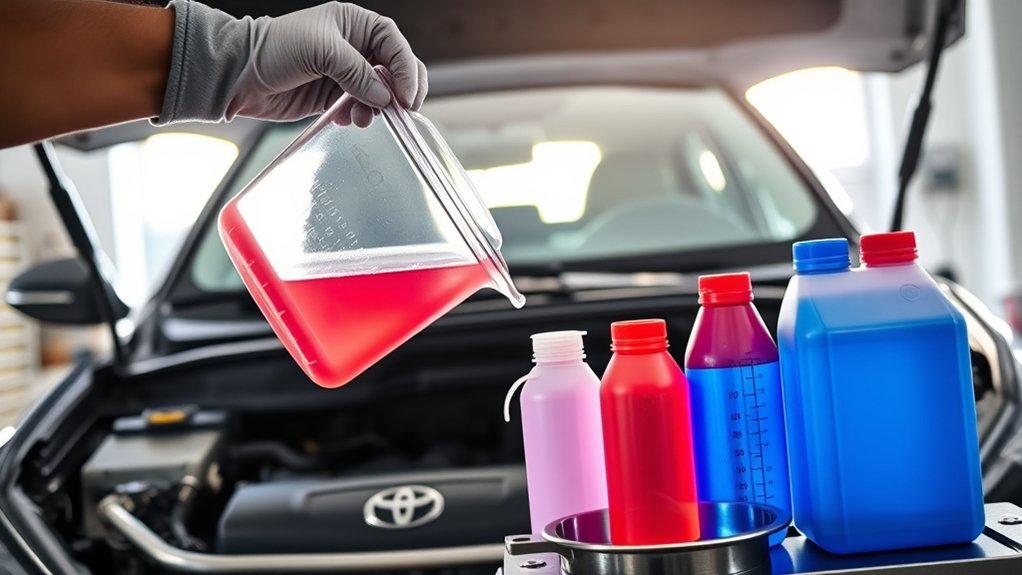
Use the coolant type that your owner’s manual specifies, which is normally Toyota’s long-life coolant or an equivalent that meets Toyota’s specification. Do not mix different coolant types.
Understanding Toyota RAV4 Coolant Capacity
Capacity differs by engine and model year, and hybrids can differ again. The owner’s manual lists the total system capacity. A drain and refill usually uses less than the total, because some coolant stays in the engine.
Engine Coolant Specifications
Check your owner’s manual for the capacity and the coolant specification for your engine. Do not rely on a single figure for every RAV4.
Recommended Coolant Types
Use the coolant specified in your owner’s manual. Pre-mixed coolant is simplest. If you use concentrate, mix it with distilled water in the ratio the label gives.
Maintenance Frequency Guidelines
Coolant change intervals depend on the model year and coolant type. Follow the maintenance schedule in your owner’s manual.
Checking Your RAV4 Coolant Levels
- Park on level ground with the engine cold.
- Look at the reservoir and compare the level with the marks.
- Top up with the specified coolant if it is low.
Never open the cap on a hot engine.
Key Indicators That Your Coolant Needs Changing
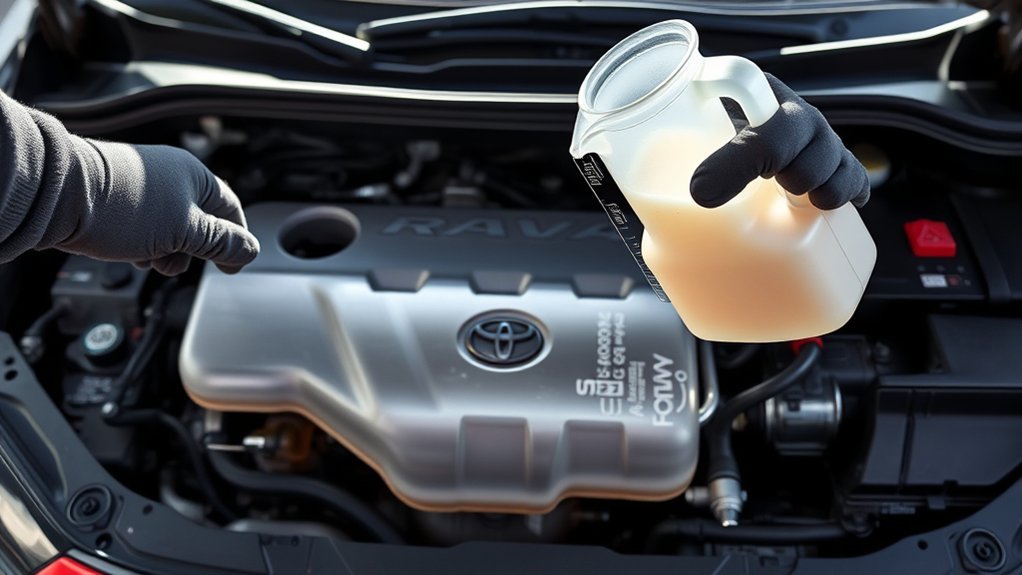
- A due date or distance in your maintenance schedule.
- Dirty or rusty coolant.
- Overheating or a coolant warning.
Drain and Refill Your Coolant in Simple Steps
A coolant service involves draining, refilling and removing air from the system. The steps differ by engine and model year, and coolant is toxic, so many owners have a shop do it. If you do it yourself, follow the service procedure for your car and dispose of the old coolant properly.
The Importance of Flushing Your Coolant System
Fresh coolant protects against corrosion and overheating. Follow the maintenance schedule.
Prevent Overheating Issues
Correct coolant level and condition help prevent overheating. If the temperature warning comes on, stop safely and let the engine cool.
Extend Engine Life
Good coolant care helps protect the engine from corrosion and overheating.
Coolant Maintenance Frequency: What You Should Know
Check the level regularly and change the coolant according to your maintenance schedule.
How to Tackle Common Coolant Problems in Your RAV4
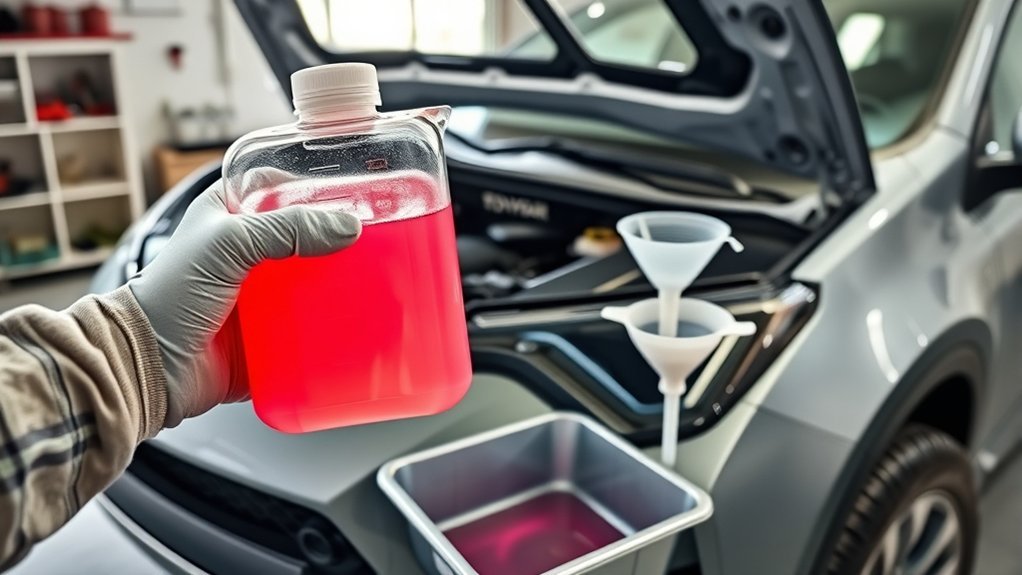
- Low level: check for leaks.
- Overheating: stop safely and have the car checked.
- Dirty coolant: schedule a service.
Why Does Genuine Toyota Coolant Matter?
Toyota specifies its coolant for compatibility with the cooling system materials. Equivalent coolants should meet the same specification.
Related reading:
Frequently Asked Questions
How Much Coolant for Toyota RAV4?
It depends on the engine and model year. Check the capacity in your owner’s manual.
How Much Coolant Does a 2011 RAV4 Take?
It depends on the engine fitted. Check the owner’s manual for your 2011 model.
How Many Gallons of Coolant Do I Need?
Buy the amount in the manual’s capacity for your engine, and a little extra for topping up. Pre-mixed coolant is sold in gallons in many countries.
How Much Is a Coolant Change for a Toyota RAV4?
Prices vary by shop and region, so ask for a quote.
Conclusion
Check your owner’s manual for the exact coolant capacity and type for your RAV4, keep the level correct and follow the maintenance schedule.