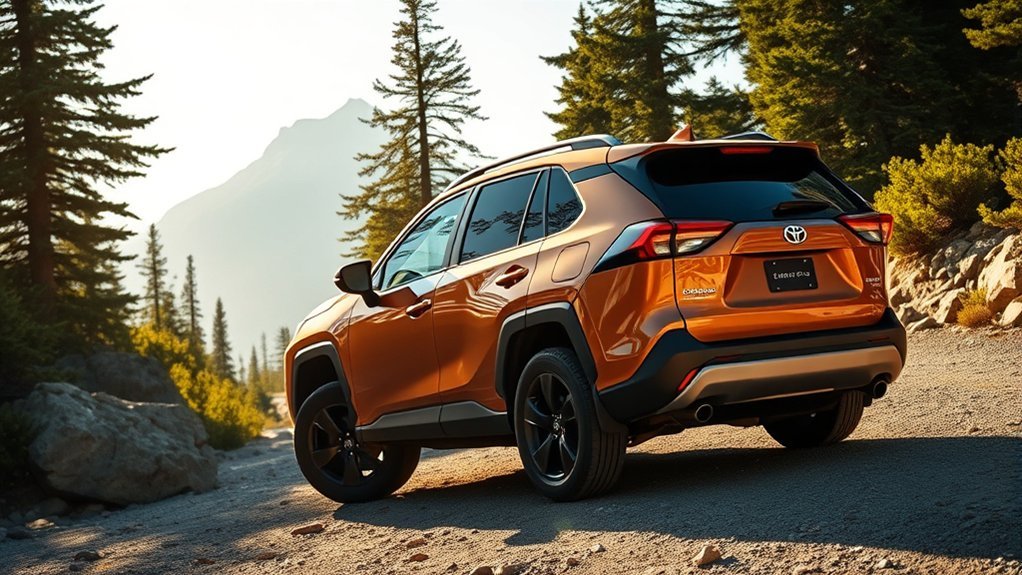
The short answer on how many miles is too many for a used Toyota RAV4: Use the fuel grade printed inside the fuel door or in your owner’s manual. Tank size and fuel economy depend on the model year and powertrain, so check Toyota’s published figures for your vehicle.
How many miles is too many for a used Toyota RAV4 explained
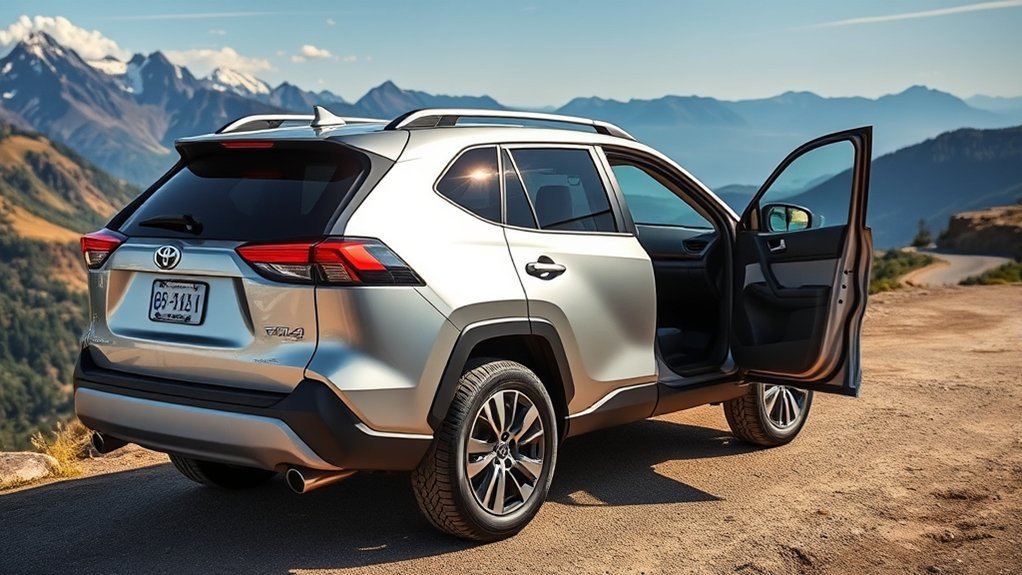
When you think about high mileage for a Toyota RAV4, what comes to mind? Generally, anything over 200,000 miles is considered high, signaling that the vehicle is approaching the end of its typical lifespan. However, if you prioritize proper maintenance, you might find that many RAV4s can surpass 200,000 miles, proving their reliability and longevity. It’s important to note that while 100,000 miles is often seen as a red flag for used vehicles, RAV4s with a solid maintenance history still represent safe investments, even with mileage exceeding 100,000. Understanding high mileage for a Toyota RAV4 helps you make informed decisions for your driving journey.
How Long Can a Well-Maintained RAV4 Last?
How long can you expect a well-maintained Toyota RAV4 to last? With proper care
Regular maintenance is key to achieving this impressive lifespan. Simple tasks like timely oil changes and addressing repairs promptly can greatly extend your vehicle’s longevity. Owners who stay proactive about maintenance often find that their RAV4 remains reliable and efficient for years. With a strong driving experience and proven quality, investing in a well-maintained RAV4 not only offers long-term satisfaction but also the freedom to explore the open road for decades to come.
Essential Maintenance and Care Factors for RAV4 Longevity
To keep your Toyota RAV4 running smoothly for years, sticking to a regular maintenance schedule is key. This not only includes timely oil changes and tire rotations but also using quality parts for replacements. By prioritizing these factors, you can greatly enhance your RAV4’s longevity and performance.
Regular Maintenance Schedule
Maintaining your Toyota RAV4 is essential for ensuring its longevity and ideal performance. Following a regular maintenance schedule not only keeps your vehicle running smoothly but also helps you avoid costly repairs down the road. Here’s a quick guide to essential maintenance tasks:
| Service | Frequency |
|---|---|
| Oil Change | Every 10,000 miles or 12 months with synthetic oil (Toyota) |
| Tire Rotation | Every 5,000 miles (Toyota) |
| Transmission Fluid Change | Inspect regularly; follow Toyota’s schedule for your model year |
Be sure to check your owner’s manual for specific intervals on brakes, belts, and filters. Stay proactive to enjoy your ride for years!
Quality Parts Replacement
While routine maintenance is crucial for your Toyota RAV4’s longevity, using quality parts during repairs and replacements is equally important. Opting for quality parts replacement ensures peak performance Regular oil changes and transmission flushes are essential, but they’re only part of the equation. Following the owner’s manual for maintenance schedules helps you avoid major issues. Additionally, keeping detailed maintenance records not only tracks your vehicle’s health but also enhances its resale value. High-quality aftermarket or OEM parts can greatly reduce performance issues, ensuring your RAV4 remains reliable even at high mileage. Choose wisely; it’s your key to a durable, dependable ride.
What Maintenance Do High Mileage RAV4s Need?
As your RAV4 racks up the miles, especially beyond the 200,000 mark, it’s essential to stay on top of routine maintenance to keep it running smoothly. Regular upkeep not only preserves performance but also extends your vehicle’s life. Here are some key maintenance tasks to prioritize:
- Regular oil changes and transmission flushes to maintain engine performance.
- Check the timing belt and water pump replacement history; these should be serviced around the 100,000-mile mark.
- Maintain the undercarriage to prevent rust, which can compromise your RAV4’s integrity.
Documenting your maintenance history is crucial; it provides insights into the vehicle’s overall condition and future repair needs. Staying proactive with these tasks will empower you to enjoy your high-mileage RAV4 for years to come.
Signs of Wear and Tear in Older RAV4 Models
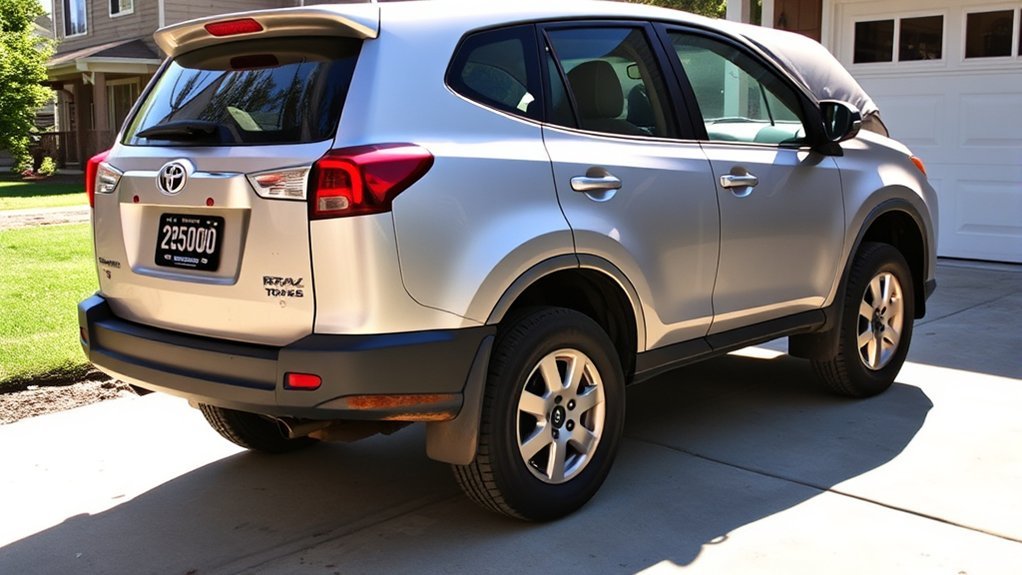
signs of wear and tear that can affect its performance and safety. Common indicators include rust on the undercarriage, which compromises structural integrity. You may also experience increased oil consumption or exhaust system issues, signaling potential underlying problems. If you’re considering a used vehicle, check whether the timing belt and water pump have been replaced around the 100,000-mile mark; neglecting these can lead to severe engine damage.
diminished engine responsiveness and transmission performance may arise, indicating the need for maintenance. Keeping regular maintenance records is essential for evaluating the condition of older RAV4s, as neglect can lead to significant wear and tear. Stay vigilant to ensure your investment remains reliable and safe on the road.
How Mileage Affects RAV4 Performance
As your RAV4 racks up mileage, you might notice changes in engine longevity and fuel efficiency. With each additional mile, maintenance needs increase, making regular check-ups essential for peak performance. Understanding these factors can help you keep your RAV4 running smoothly for years to come.
Impact On Engine Longevity
Understanding how mileage affects your Toyota RAV4’s performance is essential for maximizing its engine longevity. High mileage can impact your engine’s health, especially if routine maintenance isn’t followed. Here are key factors to evaluate:
- Increased wear on engine components may arise from neglecting service schedules.
Fuel Efficiency Considerations
Fuel efficiency in your Toyota RAV4 can greatly decline as mileage increases, especially if you haven’t kept up with regular maintenance. Wear and tear on engine components, like oil consumption and transmission fluid issues, can sabotage your fuel efficiency. Additionally, your driving habits play an essential role; urban driving often leads to a more significant decrease in miles per gallon than highway driving. To maintain ideal fuel efficiency in high-mileage vehicles, regular oil changes and air filter replacements are essential. Embrace these practices, and you’ll experience a more liberated driving journey.
Maintenance Requirements Increase
While you may appreciate the reliability of your Toyota RAV4, it’s crucial to recognize that maintenance demands rise markedly as mileage increases. Ignoring these needs can lead to unexpected breakdowns and costly repairs. Here’s what to keep in mind:
- Regular oil changes and tire rotations are essential for peak performance.
- High-mileage RAV4s often show wear in the exhaust system; monitor it closely.
- Frequent inspections of the undercarriage and suspension components can prevent major issues.
As maintenance requirements increase, consistent records and timely servicing can greatly extend your RAV4’s lifespan, ensuring you stay on the road longer and enjoy your freedom.
What to Look for When Buying a High Mileage RAV4?
What should you keep in mind when buying a high mileage Toyota RAV4? First, prioritize vehicles with maintenance records that detail regular oil changes and tire rotations. This shows the used car has been cared for, which can lead to longevity. Inspect for common issues
Additionally, look for a RAV4 with a single owner or documented responsible driving habits to boost reliability. Don’t overlook the undercarriage; rust can signal bigger problems down the line. Check the timing belt and water pump, as their condition indicates potential future repairs. Finally, consider a pre-purchase inspection by a trusted mechanic to uncover hidden issues that might not be visible. This thorough approach helps ensure you’re making a wise investment in your next used car.
How Does RAV4 Mileage Affect Resale Value?

As you consider the resale value of a Toyota RAV4, it’s important to recognize that mileage plays a pivotal role in determining price. High mileage often leads to decreased value, but well-maintained vehicles can still shine.
Mileage significantly influences the resale value of a Toyota RAV4, with well-maintained models retaining better worth even at higher miles.
- Factors like overall condition, repair history, and market demand heavily influence resale dynamics.
If you’re considering a RAV4 Prime, remember that its mileage and maintenance history can considerably impact your potential return. Understanding these dynamics can empower you to make informed decisions, ensuring you maximize the value of your investment.
Owner Experiences and Longevity of High Mileage Toyota RAV4s
When you plunge into the world of high-mileage Toyota RAV4s, you’ll find that many owners have remarkable stories to share about their vehicles’ durability and performance. Owner feedback emphasizes that consistent upkeep minimizes issues, even for high-mileage RAV4s.
Here’s a glimpse into owner experiences:
| Model Year | Mileage | Notable Issues |
|---|---|---|
| 2008 | 340,000 | None reported |
| 2019 Hybrid | 286,000 | No major powertrain issues |
| 2015 | 250,000 | Routine maintenance |
| 2012 | 275,000 | Minor wear and tear |
| 2010 | 320,000 | Still running strong |
These stories reaffirm that a well-maintained RAV4 can truly liberate your driving experience.
Related reading:
- How Many Miles Does a Toyota RAV4 Last?
- How Many Miles Does a Toyota RAV4 Hybrid Last?
- How Many Toyota RAV4s Are Sold Each Year?
Frequently Asked Questions
How Many Miles Should a RAV4 Last?
Keep it serviced regularly!
Which Year to Stay Away From RAV4?
You should steer clear of RAV4s from 2013 to 2018 due to reliability concerns. The 2019 model isn’t great either. Focus instead on 2021 and newer for a dependable driving experience.
What Is the Lawsuit Against the Toyota RAV4?
The lawsuit against the Toyota RAV4 involves claims of premature hybrid battery failures, misrepresentation of reliability, and decreased fuel efficiency. Affected owners seek compensation and a recall to address these alleged defects in the battery systems.
What Are Good Years for a Toyota RAV4?
If you’re looking for reliable Toyota RAV4s, focus on 2016, 2018, 2019, and 2020. These years boast excellent reliability ratings, advanced safety features, and modern technology, making them great choices for your needs.
Conclusion
proper care, these vehicles can thrive well beyond that mark. By staying on top of essential maintenance and watching for signs of wear, you can release the potential for longevity in your RAV4. So, if you’re eyeing a high-mileage model, don’t shy away—just verify it’s been well cared for, and you might just snag a gem!