
There is no fixed mileage for Supra turbo lifespan. A turbocharger can last the life of the engine when it gets clean oil, gentle warm-ups and a sensible tune, while heat, oil starvation, high boost and neglect shorten it. Follow the service schedule in your owner’s manual and have any smoke, noise or loss of power checked promptly.
Average Turbo Lifespan: What You Can Expect
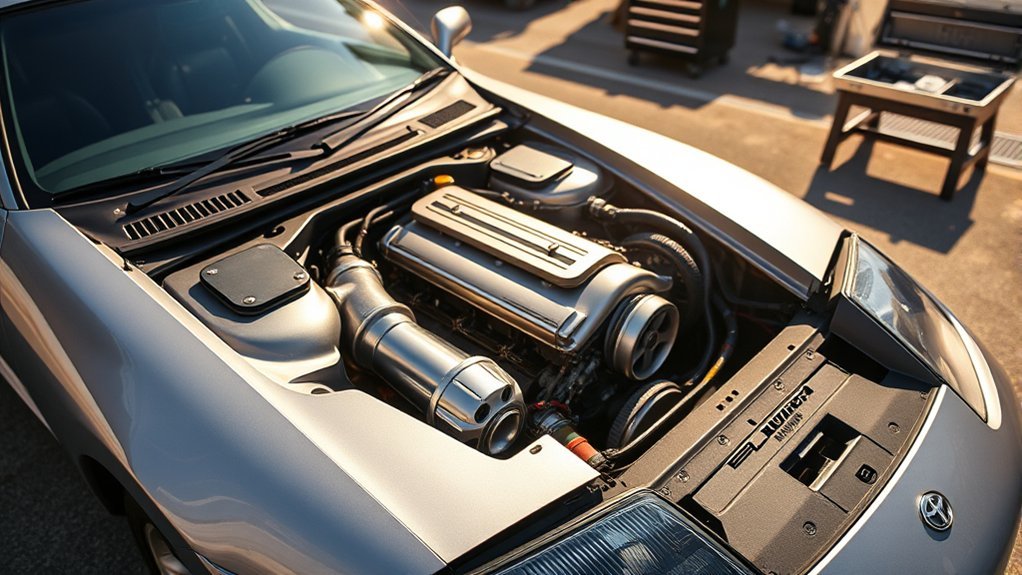
No published figure applies to every Supra turbo. Lifespan depends on oil quality and change intervals, heat, driving style, boost level, tuning and the condition of the engine. A well-maintained stock turbo can last a very long time, while one that has been starved of oil, overheated or run on an aggressive tune can fail much earlier. Treat any mileage you read online as an anecdote, not a promise.
Top Factors Affecting Turbo Longevity
- Oil: clean oil of the specified grade, changed on schedule, protects the turbo bearings.
- Heat: hard driving followed by an immediate shutdown can cook oil in the turbo; follow your owner’s manual and let the engine settle after hard use.
- Boost and tuning: higher boost and aggressive tunes increase stress, so use a reputable tuner and keep within safe limits.
- Intake and exhaust health: air leaks, clogged filters and exhaust restrictions make the turbo work harder.
Why Turbo Maintenance Is Essential
Clean oil reduces wear on the turbo’s bearings and seals, so follow the oil change interval and oil specification in your owner’s manual. Check the air filter and intake for leaks, and have unusual noises, smoke or loss of power diagnosed promptly.
Driving Habits That Impact Supra Turbo Lifespan
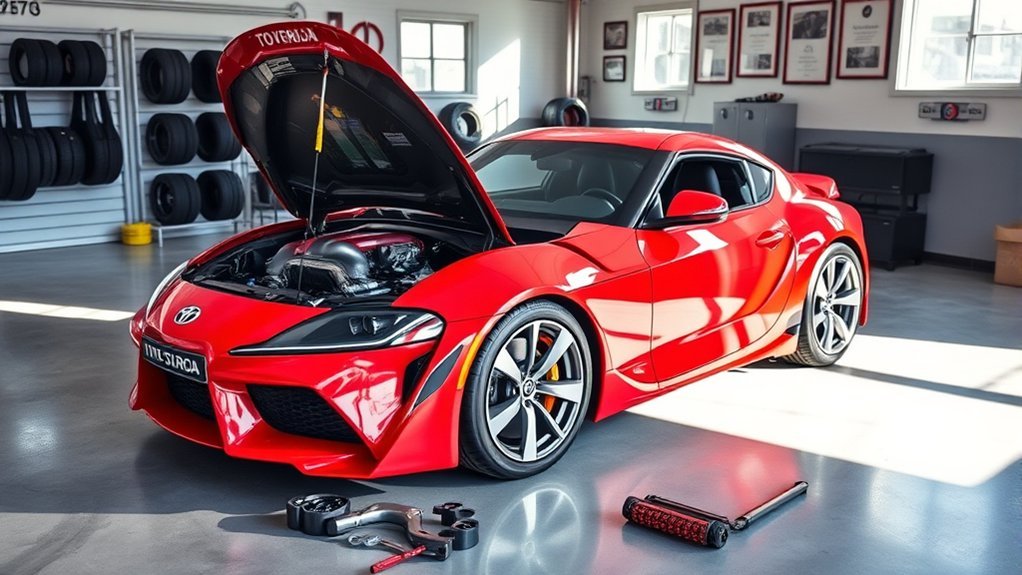
Your driving habits play an essential role in the longevity of your Toyota Supra’s turbo. Pushing high boost levels or adopting an aggressive driving style can lead to increased wear and heat, ultimately shortening its lifespan. By moderating your approach and allowing the turbo to cool down after spirited drives, you can greatly enhance its durability.
Boost Levels Impact
Higher boost raises heat and stress on the turbo and the rest of the engine. Stock boost is set by the manufacturer within safe limits; if you tune the car, work with a reputable specialist and be aware it can affect turbo life and warranty coverage.
Driving Style Variations
Driving habits can make a significant difference in the lifespan of a Toyota Supra’s turbocharger. If you adopt moderate driving practices, you could extend your turbo’s life beyond the typical 70K miles. Frequent racing or driving at high boost levels, especially over 18 psi, can lead to premature turbo failure. However, users have reported turbos lasting over 90K miles with gentle acceleration and a keen eye on boost levels. Remember to allow your turbo to cool down after hard driving and utilize the TTC mode to reduce strain. Regular maintenance, like oil changes every 3K miles, and avoiding modifications that increase boost can greatly enhance turbo durability. Your driving habits truly shape your turbo’s fate!
The Impact of Modifications on Turbo Lifespan

While modifications can greatly enhance performance, they can also take a toll on the longevity of a Toyota Supra’s turbo. Increasing boost levels beyond 18 psi often leads to premature turbo failure, especially if you drive aggressively. Reports indicate that consistently running high boost settings, between 18-24 psi, can considerably shorten your turbo lifespan. If you’re considering an upgrade, be mindful that switching to a single turbo may accelerate the failure of stock turbos, whereas hybrid twin turbos offer a more balanced approach for longevity. Notably, many owners find that their stock turbos last longer when they adopt a more conservative driving style in anticipation of modifications. Proper maintenance practices, including regular oil changes and allowing your turbo to cool down, are essential in extending the lifespan of modified turbos. Remember, the right balance between modifications and care can keep your turbo running strong.
Identifying Turbo Wear: Key Signs to Watch For
When it comes to your Toyota Supra turbo, keeping an eye out for key signs of wear can save you from bigger issues down the road. If you notice excessive smoke emissions, unusual noises during operation, or a decrease in turbo performance, it’s time to investigate further. Addressing these symptoms early can help maintain your turbo’s longevity and efficiency.
Excessive Smoke Emission
Excessive smoke emission from your Toyota Supra’s exhaust can signal underlying issues with the turbocharger, particularly if the smoke appears blue or gray. This discoloration typically indicates oil leaking into the combustion chamber due to worn seals or bearings, a clear sign of turbo wear. If you notice a sudden increase in smoke, especially during acceleration, it’s essential to act quickly, as this may indicate a failing turbocharger. Regular maintenance, including oil changes every 3,000 miles, can help prevent such issues. Additionally, if you experience a drop in performance alongside the smoke, your turbo might be overworked or damaged. Observing smoke during startup or after parking? That could also be a sign of trouble brewing in your turbo.
Unusual Noises During Operation
If you hear unusual noises coming from your Toyota Supra’s turbocharger, it’s essential to pay attention, as these sounds can be early warning signs of wear or impending failure. Whining, grinding, or fluttering sounds typically indicate turbo wear, while a hissing noise might suggest a boost leak. A loud rattling could point to failing bearings within the turbo. Listen for consistent high-pitched whistling, as this often signals that the turbo is under strain, possibly from excessive boost or inadequate lubrication. If you notice a sudden increase in exhaust smoke alongside these noises, particularly blue or black smoke, it may indicate oil burning or a failing seal. Don’t ignore sudden drops in boost pressure; they warrant immediate inspection.
Decreased Turbo Performance
As you drive your Toyota Supra, a noticeable increase in turbo lag can signal that your turbocharger is wearing down or suffering damage. Decreased turbo performance often manifests as a drop in boost pressure during acceleration, leaving you with less power and responsiveness. Pay attention to unusual noises, like whining or rattling from the turbo—these may indicate internal issues or bearing wear that could lead to failure. Additionally, keep an eye out for excessive smoke from the exhaust; this could mean oil is leaking into the turbo system, hinting at compromised seals. Finally, visible oil leaks around the turbocharger or its connections should prompt immediate inspection and maintenance to avoid further damage and ensure your driving experience remains exhilarating.
Turbo Lifespan: Stock vs. Upgraded Turbos
Upgraded turbos can produce more power but also add heat and stress, so lifespan depends on the quality of the parts, the tune and how the car is driven. A reputable installer should be able to tell you what to expect for a particular setup.
Warranty Considerations for Turbo Issues
Whether a turbo failure is covered depends on your warranty terms, the cause of the failure and whether the car has been modified. Keep service records, avoid unapproved modifications while under warranty, and ask the dealer to confirm coverage in writing.
Real User Experiences: Turbo Lifespan Stories
Owners report a wide range of experiences, which is exactly why no single mileage figure can be trusted. Cars that were serviced on schedule and driven sensibly tend to give fewer problems than neglected or heavily modified ones.
Personal Turbo Longevity Stories
Individual stories vary widely. Use them as a reminder that maintenance and driving habits matter, not as a prediction for your own car.
Driving Habits Impact Lifespan
Gentle warm-ups, avoiding repeated full-boost runs on cold oil, and letting the engine settle after hard use all help.
Maintenance Practices For Durability
Regular oil changes with the specified oil, clean air filters and prompt attention to warning signs all help the turbo last.
Tips for Extending Your Turbo’s Lifespan
- Use the oil specified in your owner’s manual and change it on schedule.
- Let the engine warm up gently before hard driving.
- Avoid shutting off immediately after very hard use; let the engine settle.
- Keep the air filter and intake clean and free of leaks.
- Use a reputable tuner if you modify the car.
- Address smoke, whistling or power loss promptly.
Frequently Asked Questions
How Long Will Supra Last?
With regular maintenance, a Supra can last many years, but no one can promise a specific mileage. Condition, use and care matter more than any average.
Can a Toyota Last 500,000 Miles?
Some Toyotas reach very high mileage, but it is not typical for any car, and no manufacturer promises it. Maintenance and driving conditions decide.
What Is the Life Expectancy of a Turbocharged Engine?
Modern turbocharged engines can last as long as naturally aspirated ones when maintained correctly, but turbo components are exposed to extra heat and stress, so oil changes and cooling matter more.
Can a Toyota Last 40 Years?
A well-kept car can last decades, but parts such as rubber, seals and electronics age with time, so older cars need more frequent inspection and replacement of wear items.
Conclusion
In summary, while you might worry that a turbo won’t last long, with proper care and mindful driving habits, you can enjoy years of performance from your Toyota Supra’s turbo. Remember, regular maintenance and avoiding excessive modifications go a long way in extending its lifespan. By staying informed and proactive, you can ensure your turbo remains a powerhouse under the hood. So, embrace the thrill of the drive and keep your turbo running strong for miles to come!