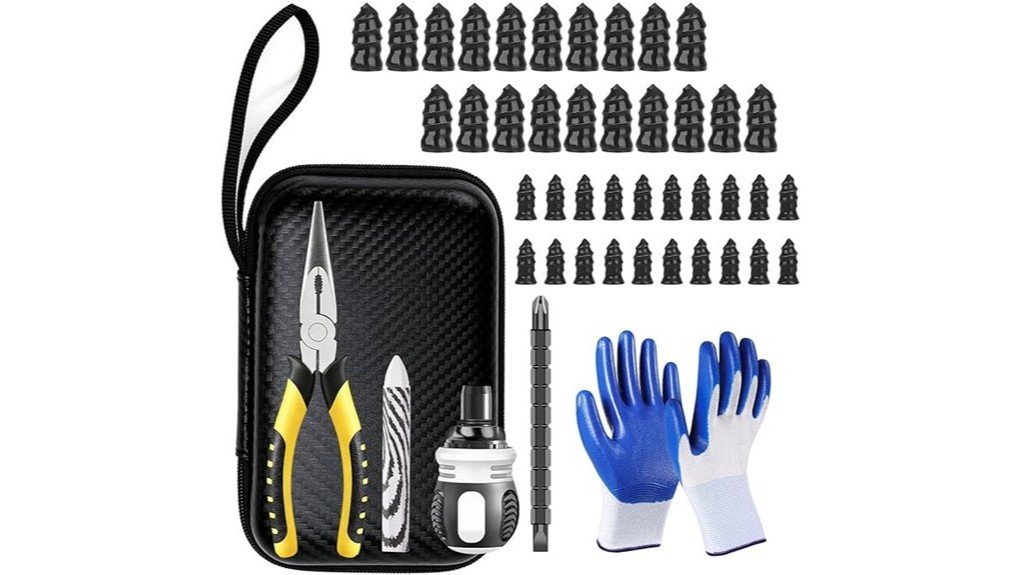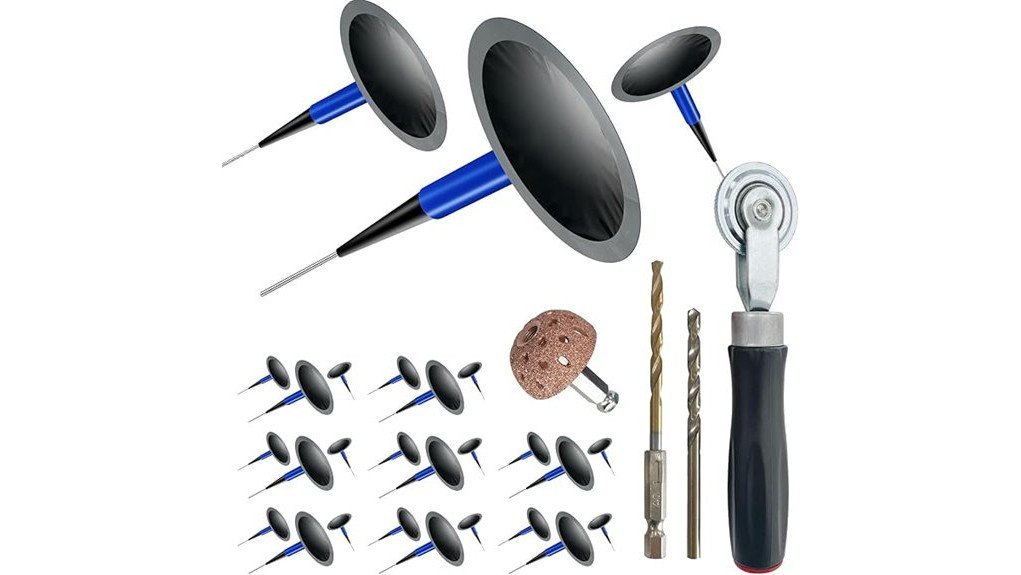
Chemical Vulcanizing Cement Review: Fast and Effective
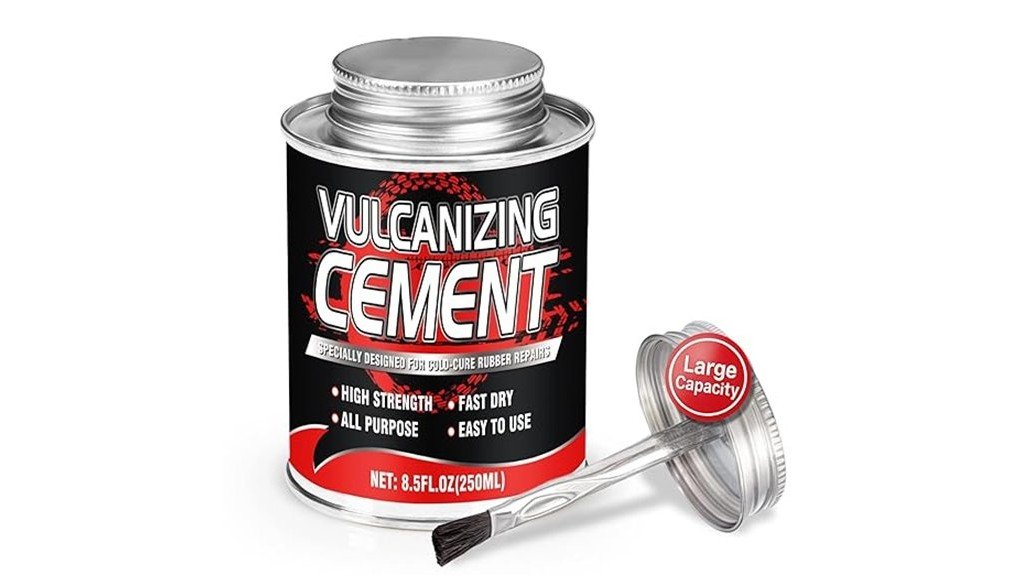
Chemical Vulcanizing Cement is an 8.5 fl. oz. (250 ml) fast-drying rubber repair adhesive for car, motorcycle, and bicycle tires. It works as a room-temperature vulcanizing compound, so it bonds rubber without heat, and the built-in brush helps apply a thin, even coat. After 3–5 minutes, it turns tacky for patches, plugs, and tubeless repairs. Clean prep matters, but the results are strong, practical, and worth a closer look.
Key Takeaways
- Chemical vulcanizing cement is a fast-drying rubber adhesive for tire repairs on cars, motorcycles, bicycles, and tubes.
- It cures at room temperature, creating strong rubber-to-rubber bonds without heat.
- Thin, even coats dry in about 3–5 minutes and become tacky for patch or plug placement.
- The built-in brush helps apply the cement neatly and control the amount used.
- It works best on clean, dry, undamaged surfaces and is not ideal for severely damaged tires.
What Is Chemical Vulcanizing Cement?
Chemical Vulcanizing Cement is a fast-drying rubber cement designed for tire repair, and it works as an all-purpose adhesive for car, motorcycle, and bicycle tires. It is an 8.5 fl. oz. product, sold as 250 ml, from Vigorder, model LHJ01. You can treat it as a room-temperature vulcanizing compound, built for strong rubber-to-rubber bonds without heat. The bonding process begins when a thin coat is applied with the built-in brush, then the patch or plug is joined after a short wait. Clear application techniques help readers use it for tubeless tires, inner tubes, and outer tires, with practical control.
What Makes It Dry Fast?
That quick curing action comes from the formula’s built-in accelerators, which speed up the vulcanization process at room temperature, so the rubber can bond without added heat.
The curing process stays efficient because solvents flash off quickly, leaving a tacky layer ready for pressure.
- Thin coats dry faster than thick ones.
- Even spread improves contact and shortens set time.
- Proper application techniques support a cleaner bond.
- Airflow helps vapors leave sooner, without forcing heat.
This fast-dry design gives users more freedom, less waiting, and a dependable repair window, while keeping the bond strong and practical.
How to Use Vulcanizing Cement on Tires
To use vulcanizing cement on tires, the surface should first be cleaned and dried, because a proper bond depends on removing dirt, moisture, and old adhesive before any cement is applied.
Apply a thin, even coat with the built-in brush, then wait 3–5 minutes until it turns tacky.
Apply a thin, even coat, then wait until it turns tacky for a stronger bond.
Press the patch or plug firmly in place, and hold steady so the rubber bonding techniques can work fully.
These tire maintenance tips help create a cleaner repair, and they support controlled vulcanization at room temperature.
The result is a practical, efficient seal that helps tire repairs feel more self-reliant.
Best Uses for Chemical Vulcanizing Cement
When a quick, reliable rubber repair is needed, Chemical Vulcanizing Cement is best used on car, motorcycle, and bicycle tires, especially for patches, plugs, tubeless tire repairs, outer tire fixes, and inner tube work.
It supports tire maintenance with strong adhesive properties, and its brush applicator helps control thin, even coats.
- Patch kits
- Plug repairs
- Tubeless seals
- Inner tubes
Apply a thin layer, wait 3–5 minutes, then join the parts. This simple process helps riders and drivers keep moving with practical freedom, while the 8.5 fl oz bottle serves multiple repairs and steady workshop use.
Pros and Cons of Chemical Vulcanizing Cement
Pros and Cons Overview:
Chemical Vulcanizing Cement offers several clear advantages for tire repair, and it also has a few practical limits to keep in mind.
It dries fast, bonds rubber at room temperature, and supports strong repairs on car, motorcycle, and bicycle tires. The built-in brush improves application techniques, and thin coats, followed by a 3–5 minute wait, can improve repair efficiency.
It dries quickly, bonds at room temperature, and helps create strong tire repairs with careful application.
It works with tubeless tires, outer tires, and inner tubes, which adds useful flexibility.
On the downside, careful surface prep is still required, and messy application can weaken results. It is not a cure for badly damaged tires.
Frequently Asked Questions
Is This Cement Suitable for Emergency Roadside Repairs?
Yes, it suits emergency roadside repairs. Its fast-drying formula and strong vulcanization support emergency applications, while repair effectiveness remains high for tires, tubes, and patches, enabling swift, practical liberation from unexpected breakdowns.
Can It Be Used on Larger Tire Punctures?
No, larger tire punctures generally exceed its best use. Skilled tire repair techniques may handle only smaller damage, while puncture prevention preserves freedom to travel safely. For major tears, replacement remains the wiser path.
How Long Does the Repaired Bond Usually Last?
Bond longevity typically lasts months to years, depending on tire condition, patch quality, and proper curing. Its repair effectiveness is strongest when surfaces are clean, pressure is stable, and application is meticulous.
Does It Work With All Tire Patch Kit Brands?
It generally works with most tire patch kit brands, though patch kit comparisons still matter for fit and adhesion. For tire maintenance tips, they should test compatibility on a small area before relying on it fully.
What Safety Precautions Should I Take During Application?
He should apply it in a ventilated space, keep away from flames, wear gloves, and avoid skin or eye contact. Careful application techniques reduce health hazards, while washing hands afterward preserves freedom to repair safely.
Conclusion
Chemical vulcanizing cement stands out because it is both simple and highly effective, a small canister that can help create a durable tire repair in minutes. It combines fast drying with strong bonding, which makes it useful for tubeless patches, inner tubes, and other rubber fixes, even though it still requires careful surface prep. For quick home repairs, it offers a practical balance of speed, convenience, and reliability, and that mix is hard to overlook.