The best performance tires for daily driving are usually all-season ultra-high-performance tires, because they keep much of a summer tire’s grip but still work in rain and mild cold. Of the nine listings below, the Michelin Pilot Sport All Season 4 is the premium pick and the Pirelli P Zero All Season is the quiet-comfort alternative. The two Firestone Firehawk Indy 500 listings are summer tires, so use them only if you can swap to winter tires.
Disclosure: some links are Amazon affiliate links; we may earn a commission at no extra cost to you.
Each listing is for one specific size, so match yours before you buy.
More Details on Our Top Picks
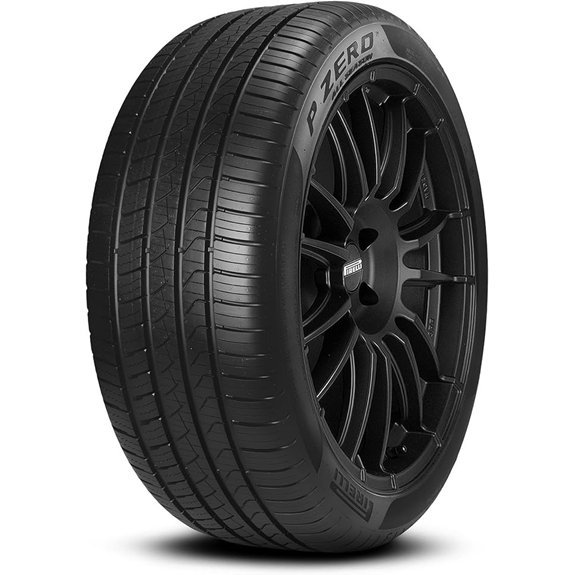
Pirelli P Zero All Season 215/55R17 94V Performance Tire
The Pirelli P Zero All Season is an ultra-high-performance all-season tire listed in 215/55R17 94V. Pirelli describes a ribbed tread, lateral siping, circumferential grooves and winter siping aimed at steering response, wet grip and light-snow traction, plus variable tread elements to reduce noise. It is a good fit if you want sporty handling on a daily driver without swapping tires each season.- Tire Type:Ultra-high-performance all-season
- Rim Size:17 inches
- Load Index:94
- Speed Rating:V
- Season:All season
- Additional Feature:Lateral siping
- Additional Feature:Winter siping
Pros
- Lateral siping aimed at cornering control
- Circumferential grooves channel water away
- Ribbed tread for steering response
Cons
- Premium-brand price
- Not a substitute for winter tires in heavy snow
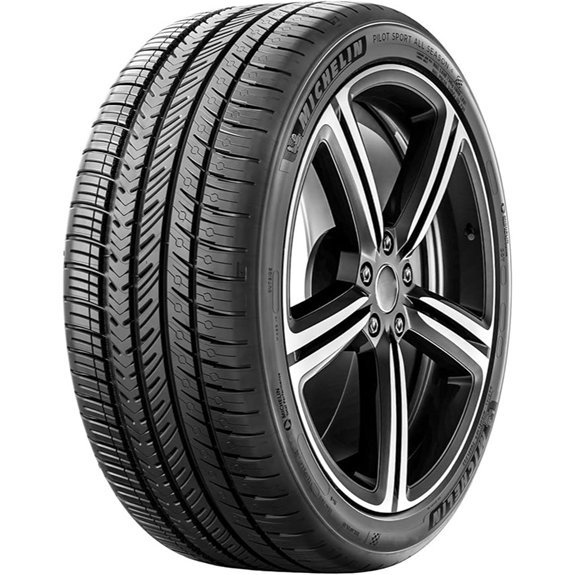
Michelin Pilot Sport AS 4 235/50ZR18 101Y XL (Set of 1 Tire Only)
The Michelin Pilot Sport All Season 4 in 235/50ZR18 101Y XL is a premium all-season performance tire; the listing title says it is a single tire only. Load index 101 corresponds to 1,819 lb per tire, and the Y rating covers high speeds. The listing cites an asymmetric tread, Dynamic Response Technology and a 45,000-mile treadwear warranty. Check the warranty terms for your size.- Tire Type:All-season performance
- Rim Size:18 inches
- Load Index:101 (XL)
- Speed Rating:Y
- Season:All season
- Additional Feature:Asymmetric tread pattern
- Additional Feature:45,000-mile treadwear warranty (per listing)
Pros
- Premium brand with a wide tread-design focus
- High 101 load index suits heavier performance cars
- Listed 45,000-mile treadwear warranty
Cons
- Higher cost than value brands
- Sold as a single tire, so a full set needs four purchases
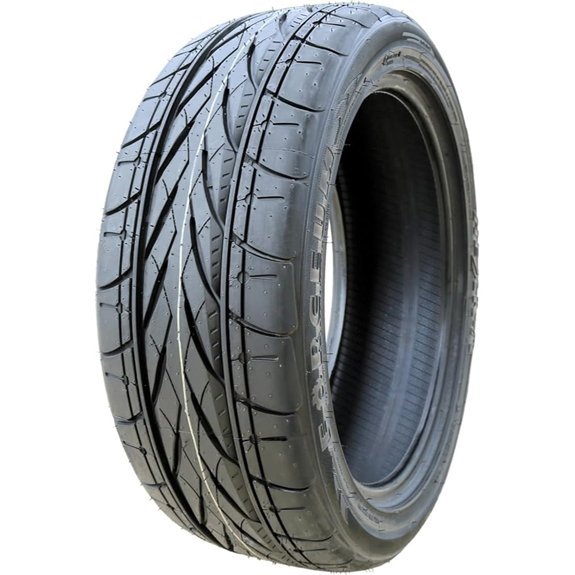
1 X New Forceum HEXA-R 205/50R17 93WR Ultra High Performance Tires
The Forceum HEXA-R in 205/50R17 93W XL is a low-cost ultra-high-performance all-season tire listed for passenger cars. The listing describes V-shaped tread blocks, wide grooves and an asymmetrical pattern for wet grip and cornering. The listing title says “1 X”, so confirm whether you are buying a single tire.- Tire Type:High performance all-season
- Rim Size:17 inches
- Load Index:93 (XL)
- Speed Rating:W
- Season:All season
- Additional Feature:V-shaped tread blocks
- Additional Feature:Wide grooves
Pros
- Low-cost route to a performance all-season tire
- Wide grooves and V-shaped blocks for water evacuation
Cons
- Lesser-known brand with limited independent test data
- Listing may be for a single tire
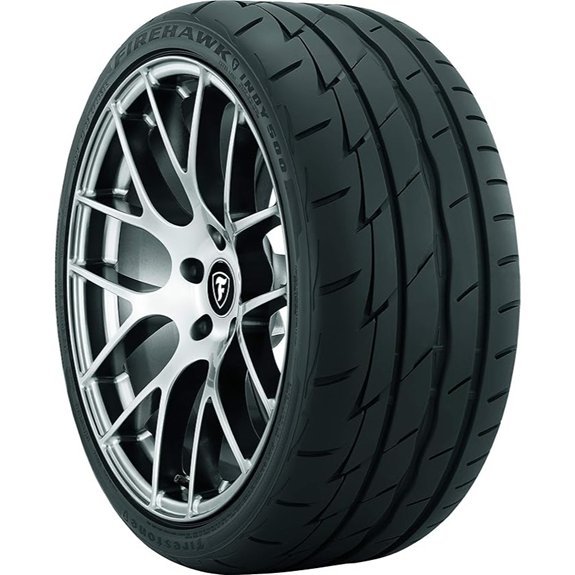
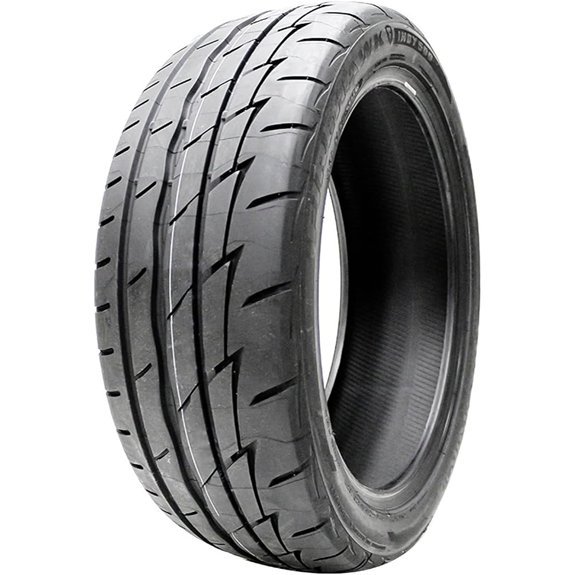
Firestone Firehawk Indy 500 Summer Tire 225/40R18 XL
The Firestone Firehawk Indy 500 in 225/40R18 XL is a summer ultra-high-performance tire, not an all-season tire. It is listed with a W speed rating and load index 92. Summer compounds lose grip in the cold and are not for snow, so choose it only if you can run a separate winter set or live somewhere warm.- Tire Type:Ultra-high summer performance
- Rim Size:18 inches
- Load Index:92 (XL)
- Speed Rating:W
- Season:Summer
- Additional Feature:Pulse Groove technology
- Additional Feature:Wide shoulders
Pros
- Wide shoulders for cornering grip
- Pulse Groove channels aimed at water evacuation
Cons
- Summer tire: not for winter or near-freezing temperatures
- Needs a seasonal changeover in cold climates
Firestone Firehawk Indy 500 Tire 245/45R20 Extra Load
The Firestone Firehawk Indy 500 in 245/45R20 XL is another summer performance tire, listed with a W speed rating and load index 103. It is aimed at enthusiasts with 20-inch wheels. Like the 225/40R18 above, it is not an all-season tire and is not meant for snow or near-freezing temperatures.- Tire Type:Ultra high performance
- Rim Size:20 inches
- Load Index:103 (XL)
- Speed Rating:W
- Season:Summer
- Additional Feature:Pulse Groove channels
- Additional Feature:Non-directional tread
Pros
- Wide shoulders for cornering stiffness
- Load index 103 for larger performance setups
Cons
- Summer tire: not for cold weather
- Not a year-round daily-driver tire
Pirelli P Zero All Season (second listing, confirm size)
This second Pirelli P Zero All Season listing is a different ASIN from the first. The original listing title showed 215/55R17 94V, but the description and specs refer to 235/45R18 94V, so confirm the exact size on the Amazon page before ordering. Pirelli describes lateral siping, winter siping and variable tread elements to cut noise. Select sizes may add run-flat or SealInside technology, so check that your size has what you need.- Tire Type:Performance all-season
- Rim Size:17 or 18 inches (confirm on listing)
- Load Index:94
- Speed Rating:V
- Season:All season
- Additional Feature:Outer-block lateral siping
- Additional Feature:Variable-sized tread elements
Pros
- Winter siping for light-snow traction
- Variable tread elements to reduce noise
Cons
- Size shown in the title and description does not match, so verify first
- All-season compromise, no severe-winter rating
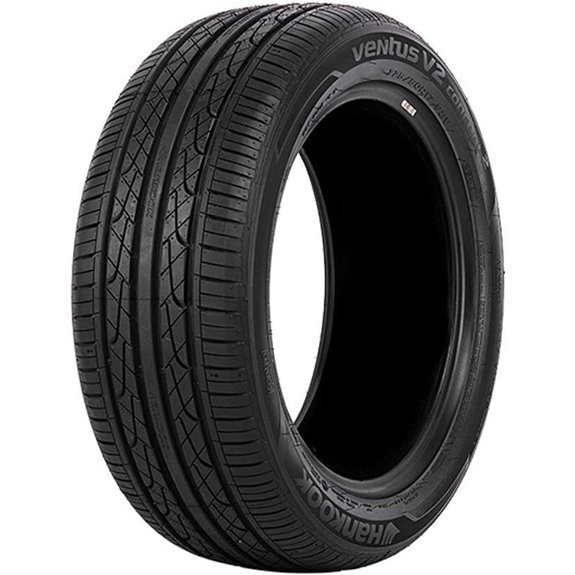
Hankook Ventus V2 concept 2 All-Season Radial Tire – 215/45R17 V
The Hankook Ventus V2 concept2 in 215/45R17 V is an all-season performance radial for compact cars. Hankook describes a center rib, a noise-reducing block design and wide grooves with a V-shaped tread for water evacuation. The load index is not shown in the listing data, so check your vehicle’s requirement.- Tire Type:All-season radial
- Rim Size:17 inches
- Load Index:Not specified in listing data
- Speed Rating:V
- Season:All season
- Additional Feature:Noise Care Block
- Additional Feature:Wide grooves, V-shaped tread
Pros
- Compact 215/45R17 size for smaller cars
- Established brand
Cons
- Load index not stated in our data
- Low-profile sidewall rides firmer
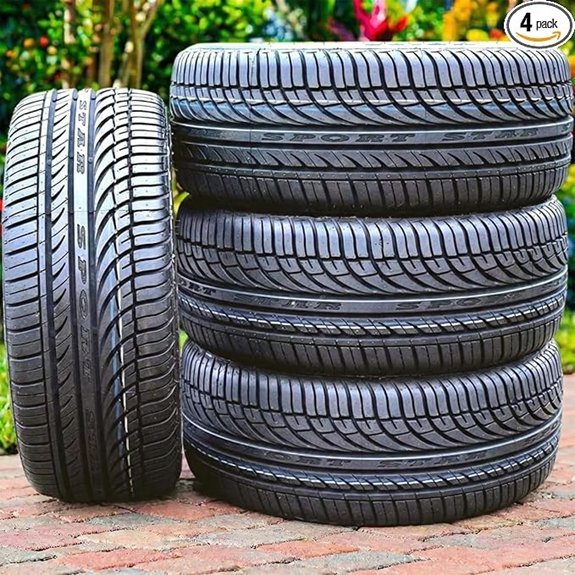
Fullway HP108 All-Season Passenger Car Tires (Set of 4)
The Fullway HP108 listing is titled as a set of 4 in 205/55R16 with a 91 load index (1,356 lb per tire) and a V speed rating. The listing cites an asymmetrical tread, a 4-ply radial design and UTQG 380AA, which indicates a modest treadwear rating. It is a lower-cost way to refresh an entire set on a 16-inch car.- Tire Type:All-season performance
- Rim Size:16 inches
- Load Index:91
- Speed Rating:V
- Season:All season
- Additional Feature:UTQG 380AA (per listing)
- Additional Feature:Black sidewall
Pros
- Four-tire set for a full replacement
- Asymmetrical tread
Cons
- Value brand with limited independent test data
- Treadwear rating of 380 is modest
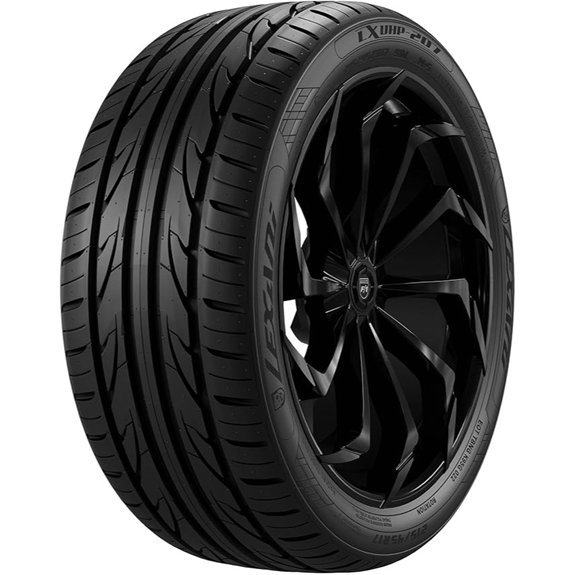
Lexani LXUHP-207 245/45ZR18 100W XL All Season Performance Tire
The Lexani LXUHP-207 in 245/45ZR18 100W XL is an all-season performance tire with a 50,000-mile limited warranty per the listing. Load index 100 corresponds to 1,764 lb per tire. The listing describes a V-shaped tread, wide grooves and a solid center rib for wet and dry handling.- Tire Type:All-season performance
- Rim Size:18 inches
- Load Index:100 (XL)
- Speed Rating:W
- Season:All season
- Additional Feature:V-shaped tread pattern
- Additional Feature:50,000-mile warranty (per listing)
Pros
- Listed 50,000-mile limited warranty
- Wide grooves and center rib for wet and dry handling
Cons
- Lesser-known brand
- Not a winter tire
Factors to Consider When Choosing Performance Tires for Daily Driving

When you choose performance tires for daily driving, you need to balance wet weather grip with tread life, comfort, and road noise. You’ll also want the right size and fitment so the tires match your vehicle and driving style. Check the speed and load ratings to make sure they meet your car’s needs and safety requirements.
Wet Weather Grip
Wet weather grip matters just as much as dry-road performance, especially if you drive your car every day. You should look for performance tires with asymmetrical or V-shaped tread patterns, since they help channel water away and lower hydroplaning risk. Deeper grooves also matter because they evacuate water more effectively and keep you in control on slick pavement. Lateral siping gives you extra biting edges, which helps the tire hold the road when it’s wet. Tire compounds with silica can boost traction while staying flexible in cooler conditions. Don’t overlook tire pressure, either; if your tires run underinflated, they won’t contact the road properly, and your stopping distance can grow. Choose a tire that balances these features for confidence in rain.
Tread Life Balance
Grip in the rain is only part of the equation; you also need to think about how long the tires will last on your daily commute. You’ll usually face a trade-off: ultra-grippy performance tires can sharpen steering and cornering, but they often wear faster than all-season or touring options. Check the treadwear warranty, since a 45,000-mile rating gives you a practical clue about expected life and the maker’s confidence. Also look at tread depth; a deeper starting depth, like 10/32nds, can help you keep traction longer in mixed weather. To stretch your investment, rotate the tires on schedule and keep the alignment dialed in. That way, you’ll get more miles without giving up the handling you want.
Noise and Comfort
Noise and comfort matter just as much as grip when you’re choosing performance tires for daily driving, because the right set should handle well without turning every commute into a drone. You’ll usually get a quieter ride from tires with variable tread elements, noise-canceling tech, and asymmetrical tread patterns that break up sound waves. These designs can still give you the sharp steering you want while keeping cabin noise in check. Look for profiles and 3D point effects that help steady the tire and cut vibrations on rough pavement. If you drive in rain, wide grooves and lateral channels can improve hydroplaning resistance and make the ride feel smoother. Be aware that deeper treads often add noise, so balance grip, comfort, and sound carefully.
Size and Fitment
Once you’ve balanced ride quality and road noise, the next step is making sure the tire actually fits your car the way it should. You can read a size like 215/55R17 as width, aspect ratio, and radial construction, but the key is matching it to your vehicle’s rim size. If your car calls for a 17-inch wheel, don’t deviate. You should also check the tire’s overall diameter and width, since the wrong dimensions can change handling, fuel efficiency, and comfort. The load index matters too; a higher number means the tire can carry more weight safely. Confirm that the tire’s fitment aligns with your car’s specs before you buy, and you’ll keep daily driving predictable, efficient, and confident.
Speed And Load Ratings
Even the best performance tire won’t do its job if its speed and load ratings don’t match your car’s needs. You should check the speed rating first, because it tells you the fastest speed the tire can safely maintain. A V-rated tire handles up to 149 mph, while a Y-rated tire reaches 186 mph. Then look at the load index, which shows how much weight each tire can support. For example, a 94 load index carries 1,477 pounds, and a 101 load index supports 1,819 pounds. Choose ratings that meet or exceed your vehicle’s requirements so you keep handling sharp, stability strong, and safety intact. If you ignore these numbers, you risk poor performance, faster wear, and avoidable hazards on the road.
Seasonal Versatility
When you drive your performance tire every day, seasonal versatility matters just as much as dry-road grip. You need tires that stay composed when rain, slush, or a mild cold snap shows up. Look for all-season designs with lateral siping and circumferential grooves, because they boost wet traction and help resist hydroplaning. If your winters are mild, winter siping can give you extra bite on snow without giving up everyday manners. Asymmetrical tread patterns also help you because they grip well on both wet and dry pavement. Advanced compounds, like nanofiller blends and carbon black, can improve traction across changing climates. The best all-season performance tires balance grip, control, and confidence, so you can drive hard without worrying about the weather.
Related reading:
- Best All-Terrain Tires for Daily Driving
- How to Maintain Toyota Supra Tires For Performance Driving
- Best 35 Inch Tires for Daily Driving: Pick and Alternatives
- Best Road Bike Tires: 10 Picks for Speed and Daily Miles
Frequently Asked Questions
How Often Should Performance Tires Be Rotated for Daily Driving?
You should rotate your performance tires every 5,000 to 7,500 miles, or about every oil change. You’ll help them wear evenly, keep grip consistent, and catch alignment or pressure issues early.
Do Performance Tires Reduce Fuel Economy in City Traffic?
Yes, they can. You’ll often trade crisp grip for more rolling resistance, so your city mpg may dip. Yet the difference’s usually modest, and you’ll gain sharper response, safer braking, and more driving confidence.
Are Performance Tires Noisier Than Standard All-Season Tires?
Yes, you’ll usually notice more road noise with performance tires than standard all-season tires. Their stickier compounds and aggressive tread patterns often hum or roar more, especially on rough pavement and at highway speeds.
Can I Mix Performance Tire Brands on the Same Vehicle?
No, you shouldn’t mix performance tire brands on the same vehicle. If you fit Michelin fronts and Continental rears, you can get uneven grip and handling, especially in rain. Match tires for safer, predictable driving.
What Tread Depth Is Safe for Daily Commuting?
You’re safest commuting when your tires have at least 4/32″ tread; 2/32″ is the legal minimum, but wet traction drops hard below that. Check both front and rear, and replace worn tires promptly.
Conclusion
So, if you want your daily drive to feel like a lap around the track without turning every commute into a compromise, these tires are your ticket. The Michelin Pilot Sport AS 4 and Pirelli P Zero All Season bring near-superhero grip, while options like the Firehawk Indy 500 can make your car feel outrageously sharp. Choose wisely, and you’ll turn boring pavement into your personal playground—without sacrificing the comfort you need every single day.
What to look for in performance tires for daily driving
Performance tires trade some comfort and tread life for grip. Use this checklist to pick the right balance for a daily driver.
All-season or summer?
All-season performance tires work in rain, cool temperatures and light snow. Summer tires grip better in warm weather but lose grip near freezing and are not for snow. If you see winter, choose all-season or plan a winter set. For regular snow or ice, use a dedicated winter tire with the three-peak mountain snowflake symbol.
Wet grip
Look for grooves and siping designed to move water away. Tire pressure matters as well: underinflated tires contact the road poorly and can lengthen stopping distances.
Tread life
Grippy performance tires often wear faster than touring tires. Compare the tread warranty, remembering it is a limited warranty with conditions and not a mileage promise. Rotate and align on schedule to get the most from them.
Noise and comfort
Low-profile sidewalls and stiffer construction ride firmer and can be louder than touring tires. For a calmer ride, see our passenger touring all-season tires.
Size and fitment
A size like 215/55R17 means a 215 mm width, a sidewall height of 55% of the width and a 17-inch wheel. Use the size on your door placard or in your owner’s manual, and keep the overall diameter close to the original. Wheel size changes can affect speedometer accuracy and clearance.
Speed and load ratings
Never go below the speed rating and load index your vehicle maker specifies. A V rating is good for up to 149 mph and a Y rating up to 186 mph. A load index of 94 corresponds to 1,477 lb per tire and 101 to 1,819 lb. XL means extra load.
More options by segment: midsize performance all-season tires and large-rim performance all-season tires.
Frequently Asked Questions
Are performance tires good for daily driving?
They can be, if you accept a firmer ride and faster wear than a touring tire. All-season performance tires are the usual choice for year-round commuting, while summer tires suit warm climates or drivers with a winter set.
How often should I rotate performance tires?
Follow the schedule in your owner’s manual or tire warranty. A common interval is every 5,000 to 7,500 miles, which is about every oil change on many cars.
Do performance tires hurt fuel economy?
They can reduce it slightly because stickier compounds and stiffer construction add rolling resistance. The difference depends on the tire and vehicle and is usually modest.
Are performance tires noisier than standard all-season tires?
Often yes, especially on rough pavement or at highway speed. Tires with noise-reducing tread elements can help, but a touring tire is usually quieter.
Can I mix tire brands on the same vehicle?
It is best to fit matching tires on all four wheels, or at least on both wheels of an axle. Mismatched tires can give uneven grip, especially in the rain. Follow your vehicle maker’s guidance, particularly on all-wheel-drive cars.
What tread depth is safe for daily commuting?
The US legal minimum is 2/32 inch, but wet traction falls off well before that. Many drivers replace tires around 4/32 inch. Check both front and rear tires.
Conclusion
For year-round daily driving, the Michelin Pilot Sport All Season 4 and the Pirelli P Zero All Season are the premium all-season picks here, the Lexani LXUHP-207 and Fullway HP108 are value-minded options, and the Firestone Firehawk Indy 500 listings suit warm-weather drivers who can run winter tires. Match the exact size, load index and speed rating to your door placard first, and verify the size on each Amazon page.