Among the best 35 inch tires for daily driving, the Nitto Ridge Grappler (35×12.50R20LT) is the only true 35-inch pick below, with a hybrid tread meant to keep road noise down. The Landgolden LGS87 and Fullway HP108 are 315/35R20 tires, which are only about 28.7 inches tall, so they are listed as alternatives, not 35-inch tires.
Disclosure: some links are Amazon affiliate links; we may earn a commission at no extra cost to you.
Size basics: a 35-inch tire is about 35 inches tall, such as 35×12.50R20 or 37x. A 315/35R20 is a low-profile size that measures far less. A 125 load index carries 3,640 lb per tire and 110 carries 2,337 lb.
| NITTO Ridge Grappler All_Season Radial Tire-35×12.50R20LT F 125Q | 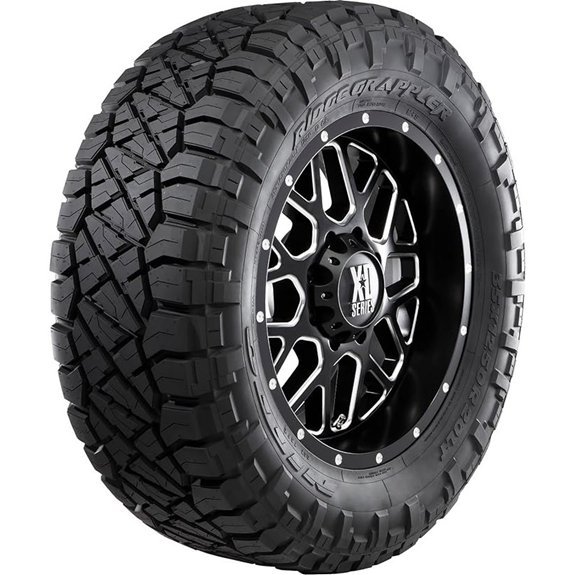 | Best 35-Inch Pick | Tire Size: 35×12.50R20LT | Rim Size: 20 inches | Load Index: 125 | VIEW LATEST PRICE | Read Our Analysis |
| Landgolden LGS87 All-Season Truck/SUV Tires (Set of 2) | 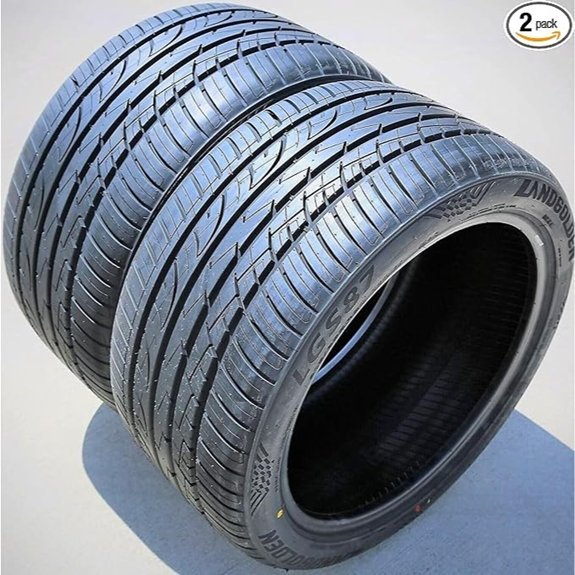 | Also Consider (Not 35-Inch) | Tire Size: 315/35R20 | Rim Size: 20 inches | Load Index: 110 | VIEW LATEST PRICE | Read Our Analysis |
| Fullway HP108 All-Season Truck/SUV Tires (Set of 2) | 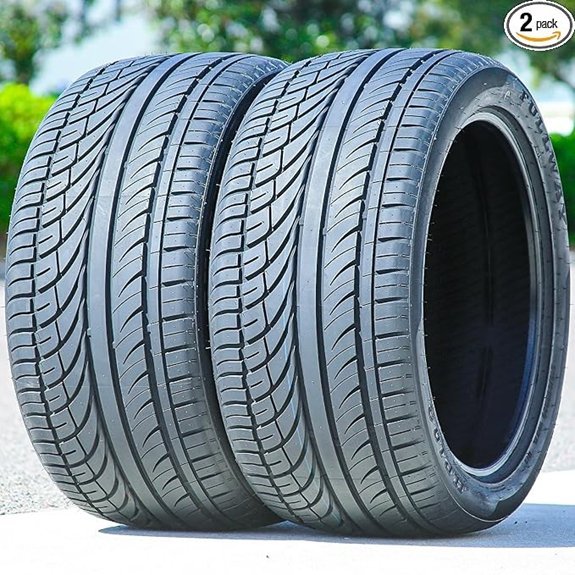 | Also Consider (Not 35-Inch) | Tire Size: 315/35R20 | Rim Size: 20 inches | Load Index: 110 | VIEW LATEST PRICE | Read Our Analysis |
More Details on Our Top Picks
NITTO Ridge Grappler All_Season Radial Tire-35×12.50R20LT F 125Q
The only true 35-inch tire here: a 35×12.50R20LT hybrid-style all-terrain listed at 125 load index (3,640 lb per tire), Q speed rating and load range F. Nitto describes a hybrid tread with variable pitch, stepped and tapered edges, lateral grooves and stone ejectors, which is aimed at keeping road noise reasonable for a tire this size. It needs a 20-inch wheel and usually a lift or leveling kit.
- Tire Size: 35×12.50R20LT
- Wheel Diameter: 20 inches
- Load Index: 125 (3,640 lb)
- Speed Rating: Q (up to 99 mph)
- Load Range: F (per listing title)
- Tread: Hybrid, variable pitch
Pros
- Hybrid tread keeps road noise down
- Variable pitch improves pavement manners
- Lateral grooves enhance all-weather grip
Cons
- Off-road focus may compromise wear
- Premium tire pricing
Landgolden LGS87 All-Season Truck/SUV Tires (Set of 2)
Not a 35-inch tire. The Landgolden LGS87 in 315/35R20 is about 28.7 inches tall. It is a high-performance all-season for 20-inch wheels, listed at 110 load index, XL and W speed rating, sold as a set of two. Consider it only if you want a wide, low-profile tire; it will not give a 35-inch look or clearance. The listing cites a 50,000-mile tread life, which is worth checking.
- Tire Size: 315/35R20
- Overall Height: About 28.7 inches
- Load Index: 110 (2,337 lb)
- Speed Rating: W (up to 168 mph)
- Load Range: XL
- Quantity: Set of two (per listing)
Pros
- Capable all-season performance
- Asymmetrical tread handles mixed conditions
- Wide grooves resist hydroplaning
Cons
- Entry-level brand performance
- May not excel in extreme weather
Fullway HP108 All-Season Truck/SUV Tires (Set of 2)
Not a 35-inch tire. The Fullway HP108 in 315/35R20 is also about 28.7 inches tall. It is a budget high-performance all-season, listed at 110 load index (2,337 lb), XL and W speed rating, sold as a set of two. Treat it as a low-profile option for 20-inch wheels, not a replacement for a 35-inch tire.
- Tire Size: 315/35R20
- Overall Height: About 28.7 inches
- Load Index: 110 (2,337 lb)
- Speed Rating: W (up to 168 mph)
- UTQG: 380AA (per listing)
- Quantity: Set of two (per listing)
Pros
- Budget-friendly pricing
- XL load range and W speed rating
- Asymmetrical tread for all-season
Cons
- Budget brand lacks premium refinement
- Limited warranty coverage
Factors to Consider When Choosing 35 Inch Tires for Daily Driving
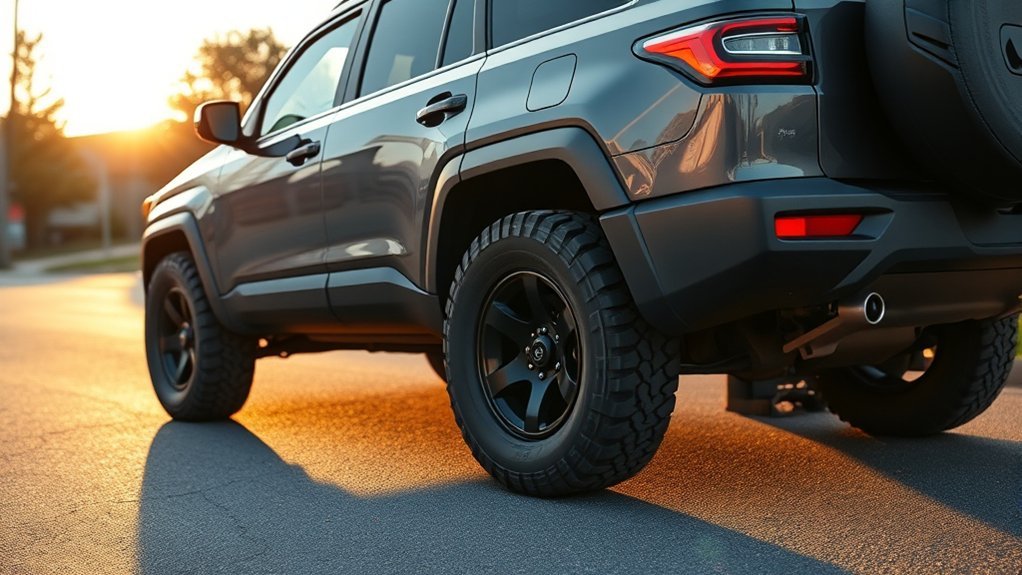
When you choose 35-inch tires for daily driving, focus on ride comfort, wet traction, and tread noise so your commute stays smooth and controlled. You’ll also want to check load capacity to match your vehicle’s demands and look at tread life so you get solid value over time. Balancing these factors helps you pick tires that handle everyday driving without sacrificing safety or durability.
Ride Comfort
Ride comfort matters a lot when you’re running 35 inch tires every day, and a few design choices can make a big difference on pavement. You’ll usually feel the smoothest ride from a hybrid or symmetrical tread, since both can stay quieter and more stable on the road. Variable pitch tread also helps by breaking up the sound pattern, so your cabin stays less noisy on long commutes. A higher ply rating can reduce tread flex, which helps the tire absorb sharp hits from potholes and rough seams. Designs with lateral grooves and stone ejectors can improve handling, too, giving you a more settled feel. Keep your PSI at the recommended level, and you’ll cut vibrations while preserving even road contact.
Wet Traction
Wet roads can change everything, so tread design should be one of your biggest priorities when choosing 35 inch daily-driver tires. You should look for wide circumferential grooves because they move water away from the contact patch and help cut hydroplaning risk. Variable pitch tread patterns can also improve wet-road grip by keeping more rubber in contact with the pavement. Tread depth matters too; deeper tread, measured in 32nds of an inch, usually channels water more effectively. Lateral grooves and strong shoulder lugs help push out water and slush, which boosts traction in rain. You should also consider construction: radial tires often flex better than bias-ply designs, and that extra flexibility can give you a more confident feel on wet streets.
Tread Noise
Tread noise can make or break your daily driving experience, so you’ll want to pay close attention to tread design before choosing 35 inch tires. You’ll usually get a quieter ride from hybrid or asymmetric patterns than from aggressive mud treads, because they create less sound as they roll. Closed shoulder designs, including symmetrical patterns, also help reduce road contact noise, which matters when you spend hours on pavement. Variable pitch tread blocks can further smooth out noise by spreading sound frequencies more evenly. Tire construction plays a role too, since reinforced block foundations can cut vibration and keep the cabin calmer. If you pick off-road-focused tires with staggered shoulder lugs, expect more hum than you’d hear from an all-season option built for on-road comfort.
Load Capacity
Load capacity is one of the first things you should check when choosing 35 inch tires for daily driving, because the tire has to safely support your vehicle plus passengers, gear, and any extra cargo. You should look at the load index, which tells you how many pounds each tire can carry. A common 35-inch tire load index is 125, or about 3,500 pounds per tire. Make sure the tires match your vehicle’s GVWR so you don’t push them past their limit. If you drive a heavier rig or need extra support, XL-rated tires can help. Don’t overload your tires, since that can hurt handling and raise the chance of tire failure.
Tread Life
When you’re choosing 35 inch tires for daily driving, tread life should be high on your list because it affects how long the tires stay safe and usable. You’ll often see tread life rated in miles, and many high-performance options last about 40,000 to 70,000 miles, depending on design and use. Deeper tread can boost grip, but it may wear faster in some conditions. Look for a symmetrical tread pattern if you want more even wear and longer service life. You should also keep the tires properly inflated and rotate them on schedule to slow uneven wear. Heat, rough roads, and aggressive driving can shorten tread life fast, so your habits matter as much as the tire itself.
Frequently Asked Questions
How Do 35-Inch Tires Affect Fuel Economy?
35-inch tires usually hurt your fuel economy because they’re heavier, taller, and increase rolling resistance. You’ll often see lower MPG, especially in city driving, unless you regear and drive conservatively.
Are 35-Inch Tires Legal in Every State?
No, you’re not guaranteed 35-inch tires are legal in every state; rules vary widely. In Texas, 75% of a tire’s tread must be covered, and you should check local lift, width, and bumper laws before driving.
Will 35-Inch Tires Fit on Stock Suspension?
Usually, no—you’ll likely need a lift or leveling kit, plus the right wheel offset and trimming. You might fit 35-inch tires on some stock setups, but rubbing, clearance issues, and reduced suspension travel are common.
Do 35-Inch Tires Increase Road Noise?
Yes, 35-inch tires usually raise road noise; their deep treads hum like distant thunder. You’ll hear more growl on pavement, especially with aggressive patterns, though softer all-terrain options can keep things quieter.
How Often Should 35-Inch Tires Be Rotated?
You should rotate 35-inch tires every 5,000 to 7,500 miles, or with each oil change. You’ll reduce uneven wear, extend tire life, and keep handling predictable. Check your vehicle’s manual for exact intervals.
Conclusion
When you choose the right 35-inch tires, you’re not just picking rubber—you’re choosing the road ahead. The Nitto Ridge Grappler, Landgolden LGS87, and Fullway HP108 each bring something different to your daily drive, like different keys opening the same door. In the end, the best tire is the one that keeps your truck steady, your ride comfortable, and your confidence rolling, mile after mile, like a compass guiding you home.
What to Check Before Buying 35 Inch Daily-Driver Tires
Fit, load and noise matter most for a tire this size.
Overall diameter
Always check overall height in inches. Sizes that look like 35 in the sidewall ratio are not necessarily 35 inches tall.
Ride comfort and noise
Hybrid and variable-pitch treads tend to be quieter than mud-terrain treads. Stiffer high-ply tires ride firmer, so correct pressure matters. See also all-terrain tires for daily driving.
Wet traction
Wide circumferential grooves and siping help channel water. Check tread depth often, since wet grip fades as the tread wears.
Load index
Match or exceed the load index in your owner’s manual. A 125 index carries 3,640 lb per tire, but your vehicle’s requirements decide what you need.
Tread life
Listings sometimes quote mileage warranties. Treat them as a guide, and read the terms. Rotation and alignment matter as much as the tire.
Quick Fit Checklist
- Confirm wheel diameter and width
- Measure fender and suspension clearance
- Plan for a lift, leveling kit or trimming
- Check load index against your manual
- Expect lower mpg and consider regearing
Frequently Asked Questions
Are 35-inch tires good for daily driving?
They can be, if you pick a hybrid or all-terrain tread, keep them inflated correctly and accept some penalty in noise and fuel economy. A tire like the Nitto Ridge Grappler is aimed at that balance.
Will 35-inch tires fit on a stock suspension?
Usually not without changes. Most trucks and SUVs need a lift or leveling kit, the right wheel offset and sometimes trimming to avoid rubbing. Measure clearance before you buy.
How do 35-inch tires affect fuel economy?
They usually lower it, because they are heavier and taller and change your effective gearing. Many owners regear the axles to restore acceleration.
Are 315/35R20 tires the same as 35-inch tires?
No. Despite the 35 in the size, a 315/35R20 is about 28.7 inches tall. Check the overall diameter in inches, not the aspect ratio.
How often should I rotate and check 35-inch tires?
Follow your manual; 5,000 to 7,500 miles is a common rotation interval. Check pressure monthly with a tire pressure gauge, and check local regulations on tire width and lift before you modify.
Bottom Line
If you want a 35-inch tire for the street, start with the Nitto Ridge Grappler. Going slightly smaller? See 33 inch tires for the Jeep Wrangler.