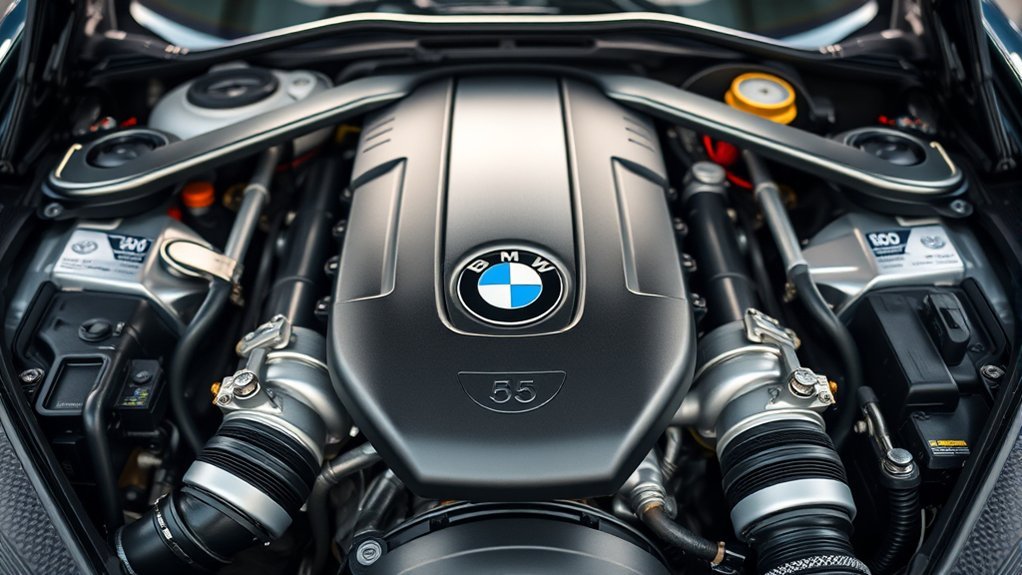
B58 Engine Overview for Toyota Supra Tuning
What’s in This Article
The B58 engine gives the Toyota Supra strong stock power, but tuning can raise stress fast. A poor tune, weak fuel setup, or bad log can turn a fun build into an expensive repair. This guide explains the B58 basics, smart upgrade paths, safe checks, and realistic power goals for your Supra.
Quick Answer
The Toyota Supra B58 is a 3.0-liter twin-scroll single-turbo inline-six. Toyota rated the 2020 U.S. Supra 3.0 at 335 horsepower and raised the 2021 and newer U.S. 3.0 model to 382 horsepower. With the right tune, fuel, downpipe, and data checks, many builds can reach about 500 to 550 horsepower, but exact results depend on fuel quality, dyno type, hardware, and tuner skill.
Key Takeaways
- The B58 uses a strong closed-deck design and a twin-scroll single turbo.
- Toyota rated the 2021 and newer U.S. Supra 3.0 at 382 horsepower and 368 lb-ft of torque.
- A tune, ethanol blend, catted downpipe, and fuel support can create large gains when the setup matches the car.
- Boost, ignition timing, intake air temperature, wastegate duty cycle, and fuel trims matter more than peak horsepower alone.
- Road legality, emissions rules, warranty risk, and engine health should guide every tuning choice.
The B58 Engine Overview
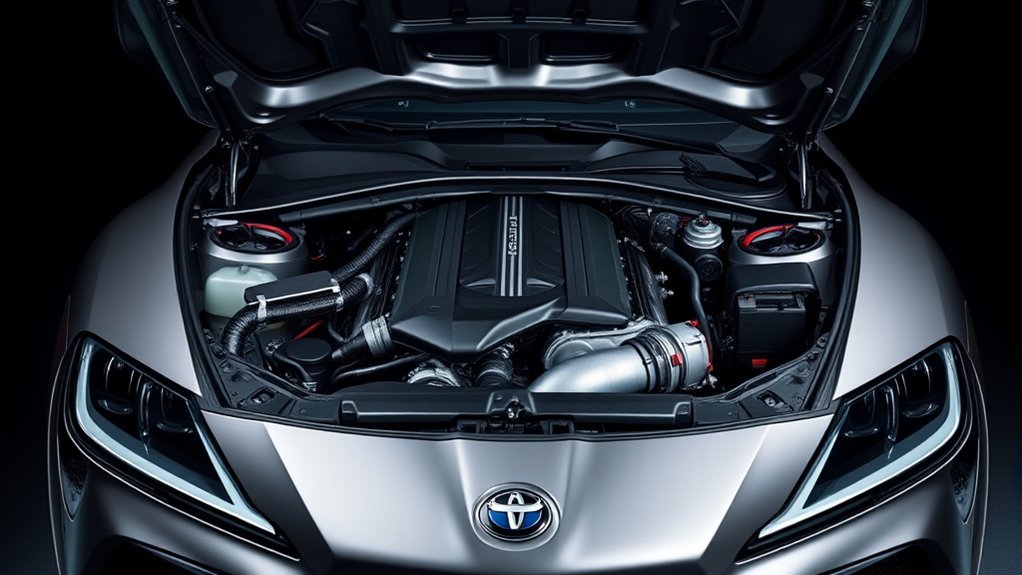
The B58 engine is a turbocharged 3.0-liter inline-six that balances strong power with daily use. In the Toyota Supra, the 2020 U.S. 3.0 model made 335 horsepower and 365 lb-ft of torque. Toyota raised the 2021 and newer U.S. 3.0 model to 382 horsepower and 368 lb-ft of torque.
The B58 uses direct fuel injection, variable valve control, and a twin-scroll single turbo. Its closed-deck aluminum block helps the engine handle high cylinder pressure better than many open-deck designs. The integrated water-to-air intercooler also keeps the charge-air path short, which helps response and heat control.
That mix explains why Supra owners like this engine. You get strong stock power, smooth torque, and a wide tuning market. You still need a careful plan, because more boost creates more heat, fuel demand, and drivetrain stress.
Tuning Your B58 for Maximum Performance
Tuning your B58 engine starts with a clear goal. A mild street tune needs different parts than a 550 horsepower build. Start with a proven tuning platform, clean maintenance records, fresh spark plugs, and fuel that matches the map.
The JB4 system gives many Supra owners a common entry point. Community guides note that Map 1 adds about 3 psi over stock boost on suitable pump fuel. Stronger maps, ethanol blends, and custom tuning need more care, because fuel pressure and timing become more important.
A flex-fuel kit, such as the Visconti Flex Fuel Kit, helps your tune read ethanol content. Ethanol can support more boost because it raises knock resistance, but it also increases fuel demand. Your tuner should confirm that the high-pressure fuel pump, low-pressure fuel system, and injectors can support your target.
Data logging protects your build. Log wide-open throttle pulls in a safe, legal setting, then review boost, ignition timing, intake air temperature, wastegate duty cycle, and fuel trims. If fuel trims climb too high or timing drops hard, stop pushing the car until your tuner reviews the log.
Warning: Downpipes, emissions parts, and aggressive tunes can affect road legality, inspection status, warranty coverage, and engine life.
Before You Tune Your B58
Check the car before you add power. Fix oil leaks, coolant leaks, misfires, old spark plugs, weak coils, and fuel pressure issues first. A tune will not hide a weak baseline for long.
You should also decide whether your goal means crank horsepower or wheel horsepower. Crank horsepower describes estimated engine output before drivetrain loss. Wheel horsepower measures power at the tires, so it usually reads lower on the same car.
For a daily Supra, a safer target often matters more than the highest dyno number. Ask your tuner for a setup that fits your fuel, local climate, driving style, and maintenance budget. Keep the car conservative if you drive it in heat, traffic, or long highway pulls.
Key Modifications to Boost Your B58 to 550 Horsepower
Reaching about 550 horsepower from your B58 takes more than one part. You need airflow, fuel, tuning, and clean data logs that all work together. The exact gains vary by model year, dyno, fuel blend, turbo condition, and tune quality.
Start with the parts that support safe power. A flex-fuel kit helps the tune adjust for ethanol content. A high-flow catted downpipe can reduce exhaust restriction, and Active Autowerke reports an 18 wheel-horsepower gain on a stock tune with its catted downpipe and exhaust setup.
An intake can add sound and improve service access, but it may not add much power on every build. Professional engine control unit (ECU) tuning matters more than most bolt-on parts. Pricing changes by ECU lock status, model year, software, and shop, so get a written quote before you buy parts.
Here’s a practical summary of common B58 Supra modifications:
| Modification | Main Benefit | Notes |
|---|---|---|
| Flex-fuel kit | Reads ethanol content | Needs matching tune and enough fuel system capacity |
| Catted downpipe | Reduces exhaust restriction | Check emissions rules before road use |
| Aftermarket intake system | Adds sound and may improve airflow | Power gains vary by setup |
| ECU tuning | Controls boost, fuel, and timing | Use a tuner who reviews full logs |
| Fuel system support | Supports ethanol and higher boost | Often needed as wheel horsepower goals rise |
These changes can move a B58 Supra into a much stronger power range while keeping street manners. For high wheel-horsepower goals, the stock turbo and fuel system can become limits. Plan the full build before you buy the first part.
Pro tip: Choose your tuner before you choose every part, because the tune decides how those parts work together.
How to Evaluate Your B58’s Performance?
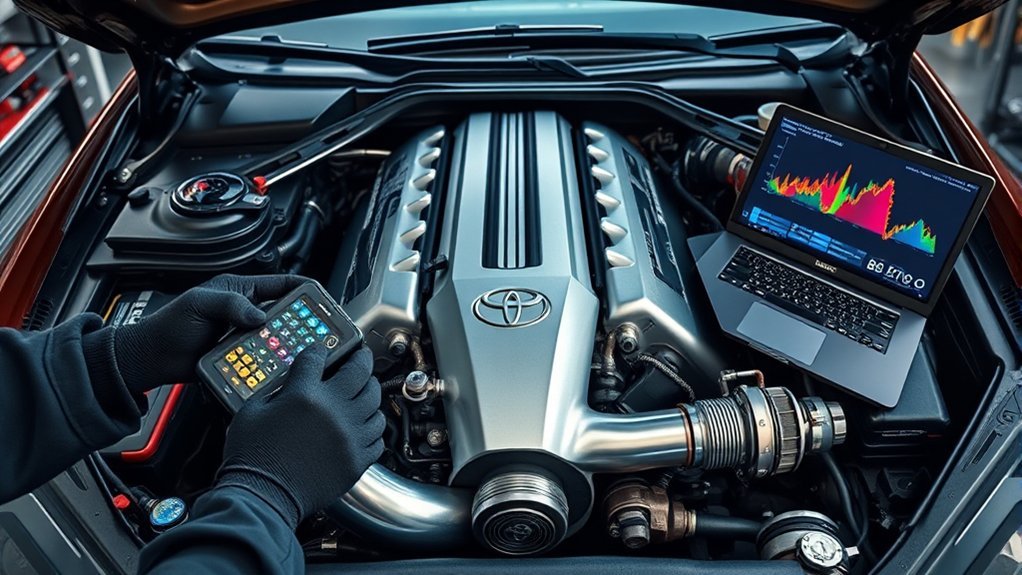
After you upgrade your B58, judge the setup by data, not just sound or seat feel. Start by checking boost levels in your tuning app. A large gap between target boost and actual boost can point to a boost leak, weak fuel, heat, or tuning issue.
Use full-throttle logs only in a safe and legal place. Many JB4 users log a pull in 3rd gear from about 2,500 rpm to redline because it captures a clean load range. Review boost, intake air temperature, ignition timing, fuel trims, fuel pressure, and wastegate duty cycle.
Ignition timing should rise in a clean and stable way as rpm climbs. Sharp timing drops can signal knock control, poor fuel quality, too much heat, or an aggressive map. Fuel trims should also stay within a safe range set by your tuner.
Tools like Datazap.me help you share log files with tuners and experienced owners. Use community feedback as a second opinion, not as a replacement for professional tuning advice. Your engine health matters more than one impressive pull.
Community Resources for B58 Enthusiasts
The B58 tuning scene gives you many ways to learn before you spend money. SupraMKV forums, JB4 guides, tuner documentation, and log review threads can help you understand common maps, fuel setups, and mistakes. Read several sources before you trust one claim.
Community forums can help with troubleshooting, especially when you share full details. Include your model year, fuel blend, tune, parts list, weather, and complete logs. Vague posts often lead to vague answers.
Local meet-ups and dyno days can also help, but you should stay careful. Do not copy another owner’s map just because their car feels fast. Small differences in fuel, ECU status, turbo health, and climate can change what your engine can handle.
Frequently Asked Questions
How do you get 600HP out of a B58?
A 600 horsepower B58 build usually needs more than a basic tune and intake. You may need a turbo upgrade, fuel system upgrades, ethanol support, a downpipe, colder spark plugs, and custom ECU tuning. Build the car around data logs and safe fuel pressure, not just a parts list.
How much HP can a B58 handle?
Many well-tuned B58 engines handle about 500 to 550 wheel horsepower on the right fuel and hardware. Higher numbers need stronger support parts, better cooling, and more frequent checks. Extreme builds can go far beyond that, but they also raise cost and risk.
What is the lifespan of a B58 engine?
A well-maintained B58 can last a long time, and many owners report high mileage with routine care. Oil changes, quality fuel, cooling system checks, and conservative tuning help protect engine life. Hard use, poor fuel, heat, and unsafe maps shorten that margin.
How do you get 500 HP on a B58?
A common path uses a quality tune, a high-flow catted downpipe, ethanol blending, and proper logging. Some cars may also need fuel system support depending on the power target and fuel blend. Work with a tuner who checks timing, boost, and fuel pressure before raising power.
Is the B58 Supra single-turbo or twin-turbo?
The B58 in the Toyota Supra uses a twin-scroll single turbo, not a twin-turbo setup. A twin-scroll turbo separates exhaust pulses to improve response and efficiency. This design helps the Supra deliver strong low-end and mid-range torque.
Safety and Legal Disclaimer: This article gives general information only and does not replace advice from a certified technician, tuner, emissions specialist, or legal professional. Always confirm local road, inspection, and emissions rules before you modify your car.
Conclusion
The B58 engine gives the Toyota Supra a strong base for reliable street power when you tune it with care. Start with maintenance, choose parts that match your goal, and review logs before you raise boost. If your target is 500 to 550 horsepower, fuel quality and tuning discipline matter as much as hardware. Build the car step by step, and your Supra will feel stronger without losing the control that makes it fun.
References
- Getting To Know The All-New 2020 Toyota GR Supra — Toyota Pressroom, 2019
- 2021 Toyota GR Supra Hits the Streets with More Power — Toyota Pressroom, 2020
- 2026 GR Supra — Toyota, 2026
- B58 Engine Technical Training Product Information — BMW technical training document
- Supra Ultimate B58 JB4 Guide and Log Review — SupraMKV forum guide, 2024
- Active Autowerke Toyota Supra MKV B58 Catted Downpipe — Active Autowerke