Can You Make a Toyota RAV4 Quieter?
Last Updated: May 30, 2026
What’s in This Article
- Why the RAV4 Cabin Can Sound Loud
- Where Most RAV4 Cabin Noise Comes From
- How to Find Your Main RAV4 Noise Source
- What Changed in RAV4 Factory Noise Control Since 2020
- Best Soundproofing Options for RAV4 Owners
- DIY vs. Professional Soundproofing: Which Is Best?
- Tire Choices That Reduce RAV4 Road Noise
- Maintenance Checks Before You Add Soundproofing
- Frequently Asked Questions
Your Toyota RAV4 can feel louder than you expect, especially on rough roads or at highway speed. Most cabin noise comes from tires, rear wheel areas, wind around doors, and engine sound under load. This guide shows you how to find the cause and choose practical fixes without wasting money on the wrong upgrade.
Quick Answer
Yes, you can make a Toyota RAV4 quieter, but you need to target the right noise source first. Quieter tires often help most with road noise. Sound-deadening mats, foam, and barrier materials can reduce vibration, echo, and some wind or engine noise when you place them in the right areas.
Key Takeaways
- Road and tire noise often affect the RAV4 more than engine noise during steady highway driving.
- Wheel wells, doors, cargo areas, and the rear floor usually give you the best soundproofing results.
- Quieter touring-style tires can reduce cabin noise without adding weight inside the vehicle.
- DIY soundproofing can save money, but it takes time, trim removal, and careful installation.
- Factory noise control varies by model year and trim, so check your exact RAV4 before buying parts.
Why the RAV4 Cabin Can Sound Loud
When you drive a Toyota RAV4, you may notice road, tire, engine, or wind noise more than you want. Many complaints focus on sound from the rear wheel area, especially on coarse pavement. Engine sound can also enter the cabin when you accelerate hard or climb hills.
Door seals, thin panels, cargo-area metal, and wheel-well openings can all pass sound into the cabin. If you install a stronger stereo or subwoofer, you may also hear more rattles because the system exposes weak panels and loose trim. The best fix depends on the sound you hear most.
Where Most RAV4 Cabin Noise Comes From
RAV4 cabin noise usually comes from a few main areas. You can save time by listening for the source before you buy soundproofing materials. Focus on the sound type, speed, and road condition.
Tire And Road Noise
Tire and road noise often rises with speed. You may hear a hum, roar, or rough texture from the pavement, especially near the rear cargo area. Worn tires, aggressive tread patterns, and uneven tire wear can make this sound worse.
Sound-deadening treatments can help, but they can’t make a noisy tire silent. For many owners, a quieter tire set gives the most noticeable first change. After that, wheel-well and cargo-area treatment can reduce more sound.
Cabin Insulation Deficiencies
Cabin insulation gaps can let engine, wind, and tire noise enter the RAV4. Doors can pass wind sound if seals wear out or if the door panel has little damping. Cargo-area panels can also vibrate and carry road sound from the rear wheels.
Compared with larger or more luxury-focused SUVs, the RAV4 may not feel as quiet on rough pavement. That does not mean you need to replace the vehicle. You can improve the cabin by treating the noisiest areas first.
How to Find Your Main RAV4 Noise Source
Before you add soundproofing, test when the noise appears. Tire noise usually gets louder as speed rises and changes with pavement texture. Engine noise rises with throttle input, while wind noise often shows up near the mirrors, door seals, or windshield area.
- Drive on smooth and rough roads at the same speed.
- Listen near the rear cargo area, doors, firewall, and roof.
- Check whether the sound changes when you coast, accelerate, or brake.
- Inspect tires for uneven wear, cupping, or old rubber.
If the sound changes sharply with pavement, start with tires and wheel wells. If it changes with throttle, focus on firewall and hood-area noise. If it sounds like a hiss at speed, inspect door seals and mirror areas first.
Note: A phone decibel app can help you compare before and after results, but it will not match a lab-grade sound meter.
What Changed in RAV4 Factory Noise Control Since 2020
The 2020 RAV4 brought more attention to factory sound control, but the exact equipment can vary by trim and market. Some owner tests reported lower cabin noise than earlier fifth-generation examples, but those tests depend on tires, pavement, speed, and measuring tools. Treat any single decibel number as a rough guide, not a universal result.
Toyota’s later RAV4 feature charts also show acoustic noise-reducing front side windows on select Prime grades. That matters because acoustic glass can help reduce some outside noise before it reaches the cabin. It does not mean every RAV4 trim has the same level of factory noise control.
For the 2026 RAV4, Toyota says it changed the A-pillar door seal shape and side mirror design to help reduce wind noise. Toyota also says it added high-damping adhesive in the footwells, underfloor, and rear wheelhouse, plus a new lower suspension arm bushing intended to reduce vibration and noise.
Improved Hood Insulation Features
Hood insulation can reduce some engine sound near the front of the vehicle. It may also change the tone you hear from the engine bay. The effect will feel strongest when engine noise bothers you more than tire noise.
Before you add an aftermarket hood liner, check your exact trim and existing hood insulation. Use materials rated for automotive heat, and keep them clear of moving parts, latches, and hot engine components.
Enhanced Cabin Soundproofing Materials
Cabin soundproofing works best when you pair the right material with the right noise type. Butyl damping mats reduce panel vibration. Closed-cell foam helps with spacing and decoupling. Mass-loaded barriers help block airborne noise when you install them with good coverage.
Thicker materials do not always mean better results. Poor placement can add weight without much benefit. Start with high-noise zones, such as wheel wells, doors, cargo floor, and the firewall area.
Noise Reduction Performance Comparison
You can compare results by measuring the same route before and after each upgrade. Keep your speed, tire pressure, window position, cargo load, and road surface the same. This helps you see whether a tire change, door treatment, or wheel-well treatment made the real difference.
Expect small changes to stack over time. One upgrade may reduce only a narrow sound range, while several focused upgrades can make the cabin feel calmer during long drives.
Best Soundproofing Options for RAV4 Owners
For RAV4 owners seeking a quieter ride, targeted soundproofing can make a real difference. You do not need to cover every inch first. Start with the areas closest to the sound source.
- Wheel-well treatment: This can reduce tire noise close to the source, especially near the rear wheels.
- Door damping: Butyl damping mats on door sheet metal can reduce vibration and improve speaker clarity.
- Cargo-area treatment: Damping and barrier layers can reduce rear road noise that enters through the floor and side panels.
- Firewall and floor treatment: These areas help when engine and front road noise bother you most.
- Roof treatment: This helps more with rain noise, roof flex, and some audio-system vibration than basic tire hum.
Second Skin Audio states that a wheel-well treatment can reduce noise by 3-5 dB in its RAV4 guide. Treat that as a product-specific estimate, not a guaranteed result for every vehicle. Your tire condition, road surface, material choice, and installation quality all affect the outcome.
Pro tip: Fix rattles and loose trim before you add heavy sound-deadening layers.
DIY vs. Professional Soundproofing: Which Is Best?
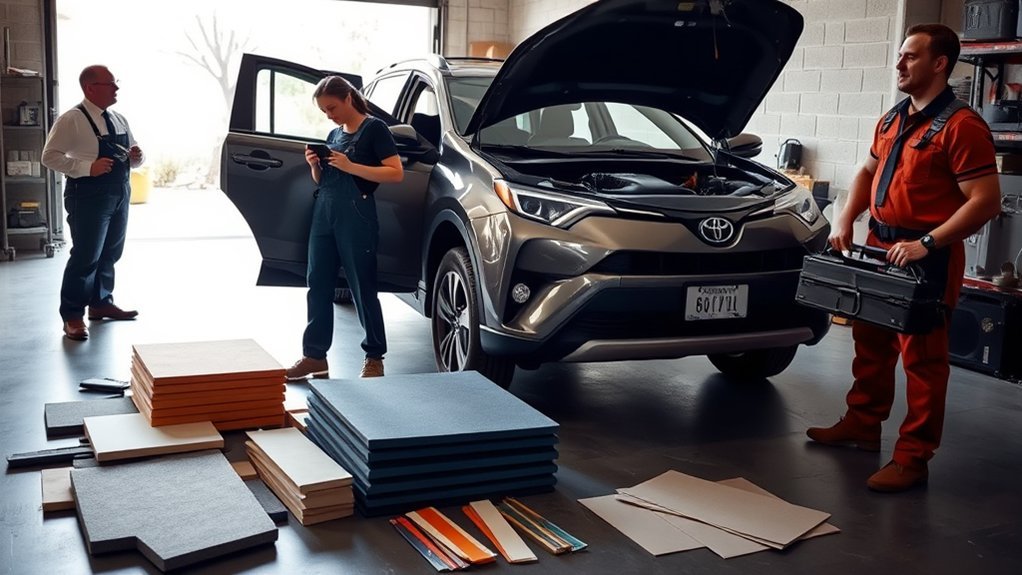
DIY soundproofing can save money if you feel comfortable removing trim and working slowly. Many RAV4 projects focus on doors, cargo panels, floors, or wheel-well areas. A small targeted project can take a few hours, while a full cabin treatment can take much longer.
Professional installation costs more, but it can reduce mistakes. A shop can remove panels, apply layers, control rattles, and reinstall trim cleanly. This matters if you want a deeper treatment or plan to protect resale value.
Choose DIY if you want control over cost and scope. Choose a professional if you want a cleaner finish, less risk, and better coverage in hard-to-reach areas.
Warning: Do not block airbags, seatbelt anchors, drain holes, wiring, vents, or factory service access points with soundproofing material.
Tire Choices That Reduce RAV4 Road Noise
Choosing the right tires can make a major difference in your Toyota RAV4. If your main complaint sounds like road roar or humming, inspect your tires before you buy insulation. Uneven wear, old rubber, and aggressive tread can all increase cabin noise.
Look for touring or comfort-focused all-season tires that fit your RAV4’s size and load rating. Michelin explains that tire tread pattern and acoustic foam can help reduce tire noise in some designs. This supports a simple rule: tire design matters, not just tire brand.
Here are tire features that can help reduce noise:
- Comfort-focused touring tread patterns.
- Good owner and test feedback for low road noise.
- Correct load rating and size for your RAV4.
- Even tread wear across all four tires.
- Proper tire pressure based on the door-jamb label.
Do not choose a tire only because it claims to be quiet. Check wet grip, snow needs, tread life, ride comfort, and warranty too. A quiet tire still needs to match your climate and driving style.
Maintenance Checks Before You Add Soundproofing
Some RAV4 noise problems come from wear, not weak insulation. Check simple items before you spend money on mats, foam, or professional labor. A worn tire or loose panel can make new soundproofing feel less effective.
- Check tire pressure when the tires are cold.
- Inspect tires for cupping, feathering, cracks, and uneven wear.
- Rotate and balance tires if vibration or humming changes with speed.
- Inspect door seals for gaps, cuts, or hard rubber.
- Remove loose cargo, tools, and trim clips that can rattle.
After these checks, drive the same road again and listen. If the noise remains, you can target soundproofing with more confidence.
How Can Soundproofing Change Your RAV4 Ride?
Soundproofing can make your RAV4 feel calmer, especially on long highway drives. It can reduce panel buzz, rear cargo-area roar, and some wind or engine harshness. It can also help your audio system sound cleaner because panels vibrate less.
The change depends on where you apply the material. Door-only treatment may improve speaker sound and reduce some wind-related vibration. Wheel-well and cargo-area treatment usually helps more with rear road noise. Firewall and floor treatment can help when engine and front road noise bother you.
Set realistic expectations before you start. Soundproofing can reduce noise, but it will not turn a compact SUV into a luxury sedan. A focused plan gives you the best balance of cost, weight, time, and comfort.
Frequently Asked Questions
How Do You Make a RAV4 Quieter?
Start by identifying the main sound source. Use quieter tires for road noise, treat wheel wells and cargo areas for rear noise, and add door or firewall treatment for wind and engine sound.
Why Is My Toyota RAV4 So Loud?
Your RAV4 may sound loud because of tire tread, rough pavement, rear wheel-well noise, wind around doors, or engine sound under load. Worn tires and loose trim can make the noise worse.
Does the Toyota RAV4 Have a Quiet Cabin?
The RAV4 can feel quiet enough for daily driving, but some owners notice more road and tire noise than they want. Higher trims, Prime models, newer generations, tire choice, and road surface can all change cabin noise.
Does the Toyota RAV4 Have Active Noise Cancellation?
Toyota’s public RAV4 feature charts focus on physical noise-control measures, such as acoustic front side windows on select Prime grades. Do not rely on active noise cancellation as the main factory solution for RAV4 cabin noise.
Are Quieter Tires Better Than Soundproofing?
Quieter tires often help more if your main problem is road roar. Soundproofing helps more when panels vibrate, cargo-area noise enters the cabin, or wind and engine sounds bother you.
Conclusion
The best way to make your Toyota RAV4 quieter is to fix the loudest source first. Start with tire condition, tire choice, door seals, and loose trim before you add heavy materials. If road noise still bothers you, treat the wheel wells, cargo area, doors, and floor in stages. With a focused plan, your RAV4 can feel calmer, cleaner, and easier to enjoy on every drive.
References
- The Next Adventure Begins: 2026 RAV4 Arrives this Winter — Toyota USA Newsroom, 2025
- 2022 Toyota RAV4 eBrochure — Toyota, 2022
- RAV4 Road Noise: Why is it So Loud and How to Fix It? — Second Skin Audio, updated 2025
- Michelin Acoustic Technology Tires — Michelin USA