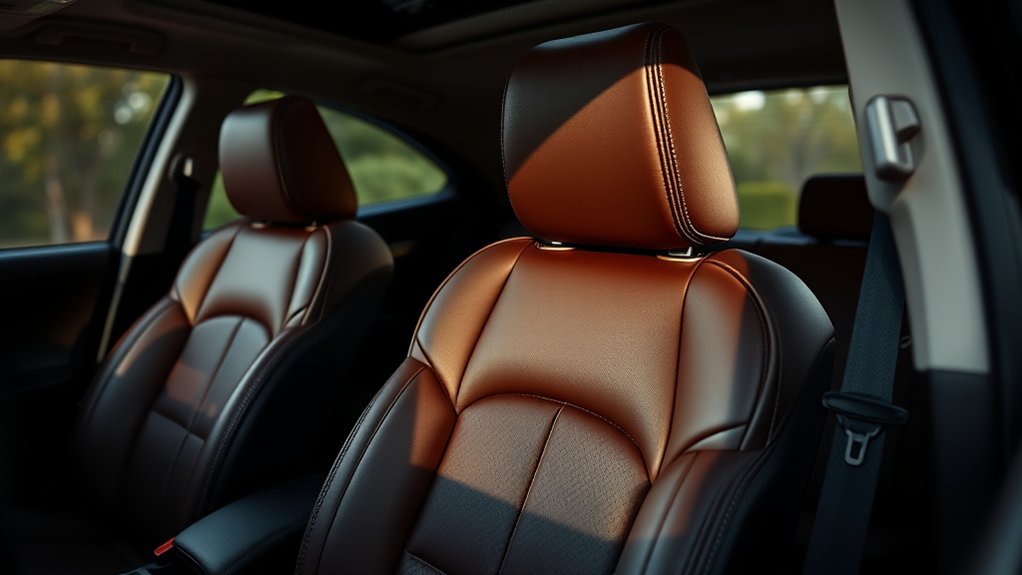
Toyota RAV4 seats can feel firm, flat, or poorly supported on a long drive when the seat position does not fit your body. Start with the factory adjustments and change one setting at a time. Add an accessory only after you identify the pressure point, confirm that it is safe for your exact model year and seat, and retest your pedal reach, steering clearance, and seat-belt fit.
Quick Answer
To make Toyota RAV4 seats more comfortable, first adjust the seat height, distance, cushion angle, recline, lumbar support, head restraint, and steering wheel. Keep your back supported, your knees slightly bent, and the pedals within easy reach. If needed, test a thin driver-seat cushion or lumbar pad that does not affect airbags, belts, controls, or visibility.
Key Takeaways
- Adjust the factory seat and steering wheel before buying a cushion or cover.
- Support your thighs without creating hard pressure behind your knees.
- Use only enough lumbar support to fill the natural curve of your lower back.
- Do not use an accessory that changes airbag operation, seat-belt fit, pedal reach, or your view of the road.
- Be especially cautious with the front passenger seat because its occupant-detection system can be affected by cushions and covers.
At a Glance
| Time Required | 15–30 minutes for setup and a short test drive |
| Difficulty | Easy |
| Tools Needed | No tools; optional tape measure and a small rolled towel for testing lumbar position |
| Cost | $0 for adjustments; optional accessories vary by product |
Identifying Common RAV4 Seat Discomfort Issues
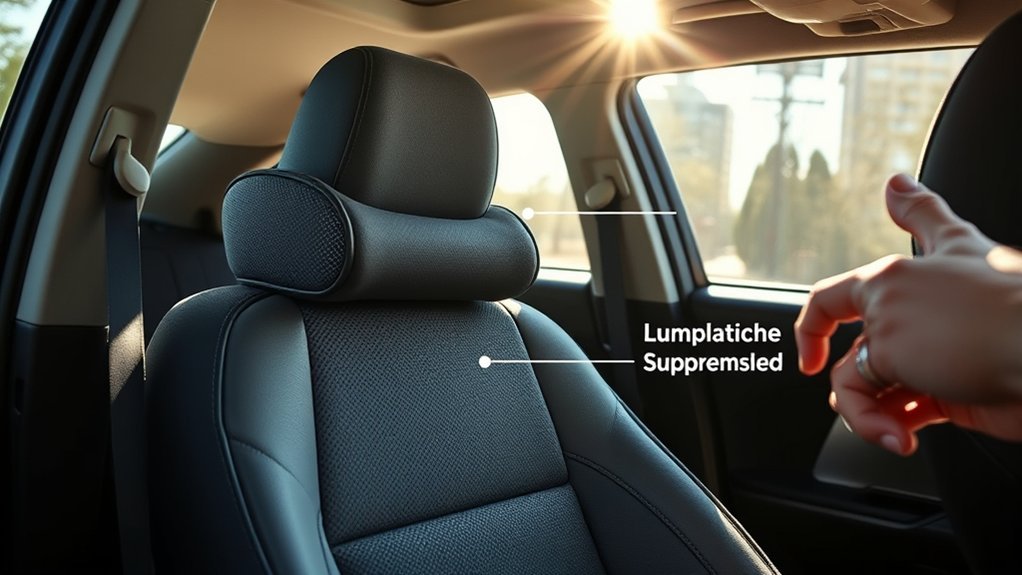
Discomfort can appear in your hips, thighs, tailbone, lower back, shoulders, or neck. The location usually gives you a clue about which setting to change first. Body size, leg length, driving posture, seat material, and the number of available power-seat adjustments all affect the result, so there is no single ideal position for every RAV4 driver.
If your RAV4 has SofTex-trimmed seats, the surface and bolsters may feel different from cloth, but material alone does not identify the cause. First check whether the seat is too high, too far away, too reclined, or applying too much lumbar pressure.
| Where You Feel It | Possible Setup Cause | First Change to Test |
| Pressure behind the knees | Seat too high, cushion angle too steep, or seat base too long for your legs | Lower the seat or front cushion angle and confirm that your thighs are supported without a hard edge |
| Lower-back fatigue | Too little or too much lumbar support, or excessive recline | Reduce the recline and adjust lumbar support in small steps |
| Tailbone or hip pressure | Uneven pressure distribution, bulky items in a pocket, or a damaged seat cushion | Empty back pockets, sit centered, and inspect the seat for a hard spot or collapsed foam |
| Shoulder or neck tension | Steering wheel too far away, seatback too reclined, or head restraint poorly positioned | Bring the wheel closer, sit more upright, and reset the head restraint |
How to Properly Adjust Your RAV4 Seats for Optimal Comfort
Park on level ground before making adjustments. Remove a wallet, phone, or other bulky item from your back pocket, sit centered in the seat, and wear the shoes you normally use for driving. Adjustment controls vary by model year and trim, so check the Toyota manual lookup for your exact RAV4.
- Set the seat height. Raise or lower the seat until you have a clear view of the road and gauges without placing your head too close to the roof. Your hips can be level with or slightly above your knees, but comfort and safe control matter more than forcing a fixed angle.
- Set the seat distance. Slide the seat until you can fully press the brake pedal while keeping a slight bend in your knee. You should not stretch your toes or lift your hip from the seat.
- Adjust the cushion angle. If your trim has this control, support most of each thigh without pressing the front edge of the cushion into the back of your knees.
- Set the seatback. Use a comfortable, mostly upright position that keeps your shoulders against the seat while you steer. Do not recline farther than necessary because excessive recline can reduce effective seat-belt restraint.
- Adjust lumbar support. Start at the lowest setting, then add support until the pad fills the curve of your lower back without pushing you forward or creating a hard spot.
- Set the steering wheel. Bring it close enough that your elbows remain slightly bent and your shoulders stay relaxed. NHTSA recommends at least 10 inches between your breastbone and the steering-wheel airbag while you can still reach the pedals comfortably.
- Set the head restraint and mirrors. Position the restraint behind your head rather than your neck, then adjust the mirrors only after your final seating position is set.
Pro Tip: Change one setting at a time and drive for 10–15 minutes before changing another. This makes it easier to identify which adjustment helped or made the pressure worse.
Seat comfort is individual. Research on vehicle seating shows that seat design, pressure distribution, posture, and time behind the wheel can all change perceived discomfort.
Best Seat Cushion Options for RAV4 Seat Comfort
Even with the right position, the driver seat may still feel too firm on a long trip. The safest first test is usually a thin, stable accessory that targets one problem without raising you so much that it changes your view, steering position, or pedal reach.
- Thin memory foam cushion: Can spread pressure across the hips and thighs, but a thick cushion may lift you too high.
- Gel seat pad: Adds a small amount of cushioning and may feel cooler, although it must remain flat and stable.
- Lumbar support cushion: Fills a lower-back gap when the factory lumbar adjustment is absent or insufficient.
- Thin wedge cushion: Changes the sitting angle, but it can also alter pedal reach and increase pressure behind the knees if it is too steep.
- Rolled towel for testing: A small towel can help you test lumbar height before buying a dedicated pad. Remove it if it shifts or affects your posture.
Secure the cushion so it cannot slide during braking or cornering. After installation, recheck the seat belt, steering clearance, mirrors, and your ability to press every pedal fully.
Warning: Do not place a cushion or cover on the front passenger seat unless the owner’s manual for your exact RAV4 permits it. Toyota warns that accessories on the front passenger seat can affect occupant detection and airbag operation. Never cover a side-airbag deployment seam or use an accessory that interferes with a seat belt, buckle, control, or seat rail.
Choose Aftermarket Accessories to Enhance Comfort
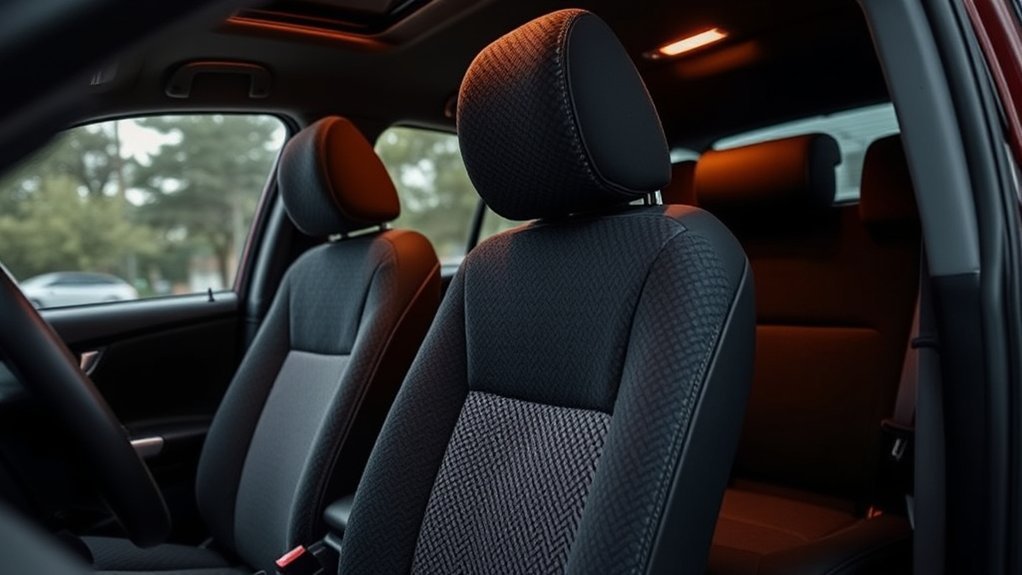
Aftermarket accessories can make a driver seat feel softer or more supportive, but “universal fit” does not mean safe for every RAV4. Confirm the product’s exact model-year compatibility, side-airbag instructions, attachment method, and restrictions for heated or ventilated seats.
Lumbar Support Cushions
Lower-back discomfort can come from a gap between your spine and the seatback, but too much support can be just as uncomfortable. Choose a pad that is narrow enough to sit in the lumbar area without pushing your ribs or shoulders forward.
Place it near the belt line, then move it slightly up or down until it supports the lower-back curve without creating a pressure point. A breathable cover and adjustable strap can help, provided the strap does not cross an airbag deployment area.
Padded Seat Covers
Padded seat covers can add softness and protect the factory surface, but they require stricter safety checks than a small driver-only pad. Use only a cover specifically designed for your exact RAV4 seat and documented as compatible with its seat-mounted airbags. The cover must not bunch near the buckle, block controls, obstruct ventilation perforations, or wrap across a deployment seam.
If your RAV4 has heated or ventilated seats, read both the vehicle manual and the cover instructions. Toyota manuals warn against covering a seat with a cushion or blanket while the seat heater is operating because it can contribute to overheating or burns.
Warning: Stop using a cover or cushion if the airbag warning light appears, the front-passenger “AIR BAG ON/OFF” indicator behaves unexpectedly, the accessory slides, or the seat belt no longer lies flat across the hips and chest.
Before You Buy RAV4 Seat Accessories
Check your model year, trim, seat type, and factory features before buying. Manual and power seats can have different shapes and controls, while heated, ventilated, memory, and occupant-sensing seats add compatibility limits.
- Confirm whether the accessory is for the driver seat, rear seat, or front passenger seat.
- Measure usable seat width and depth without covering controls or airbag seams.
- Check that straps cannot enter the seat rail, wiring, or buckle area.
- Choose a non-slip base and the thinnest product that solves the problem.
- Read the return policy because comfort is highly individual.
- Test the accessory on a short drive, then recheck pedal reach, steering distance, seat-belt fit, mirrors, and visibility.
Note: If a seat rocks, fails to lock, clicks under load, has a hard internal object, shows damaged upholstery near an airbag seam, or triggers a warning light, do not hide the problem with extra padding. Have the seat inspected. You can also check your VIN through the NHTSA recall lookup and Toyota’s recall page.
Make Long Drives More Comfortable
A good seat position can still become uncomfortable if you remain still for a long time. Use safe stops to stand, walk, and reset your posture. During the drive, relax your grip, keep both shoulders supported, and avoid leaning on the door or center console for long periods.
Recheck your position after another person drives the vehicle, after you change shoes, or after adding an accessory. Small changes in seat distance and steering-wheel reach can shift pressure from your back to your thighs or shoulders.
DIY Modifications for a Better Sleeping Arrangement in Your RAV4

A better sleeping setup can make parked car camping in your RAV4 more comfortable. The goal is a flat, stable surface that supports your body without damaging the folded seats or creating loose cargo.
- Build a measured plywood sleeping platform to level the cargo floor over the folded rear seats.
- Use a folding mattress or foam pad sized to the cargo area.
- Add a non-slip layer under the mattress to reduce movement.
- Use securely attached supports to level low spots rather than stacking loose objects.
Secure the platform and all heavy items before driving. A sleeping platform, loose cushion, or mattress should never be occupied while the vehicle is moving.
Warning: Use a camping sleep setup only while safely parked. Return the cabin to a normal belted seating and cargo configuration before driving.
Maintaining Cabin Air Quality and Comfort
Seat comfort is not only about padding. Heat, humidity, weak airflow, direct sun, and stale cabin air can increase fatigue and make a firm seat feel worse.
Use the climate controls to maintain a comfortable temperature and keep vents aimed so they do not create a cold spot on your hands or face. Check and replace the cabin air filter according to the maintenance information for your exact model year and driving conditions.
If airflow stays weak, windows fog repeatedly, or odors continue after filter service, have the heating, ventilation, and air-conditioning system inspected rather than assuming the seat is the only cause of discomfort.
When to Get Professional Help
Ask a Toyota dealer or qualified upholstery professional to inspect the seat if foam has collapsed, a frame component can be felt through the cushion, the rail is loose, a power adjustment fails, or the airbag warning system behaves abnormally. Do not cut foam, alter upholstery, relocate wiring, or modify a seat-mounted airbag area yourself.
Seat adjustments and accessories are not medical treatment. Contact a healthcare professional if pain persists outside the vehicle, keeps worsening, travels down a leg, or is accompanied by weakness, numbness, or tingling. Seek urgent care for new bowel or bladder problems or severe symptoms after an injury.
Frequently Asked Questions
How do you make Toyota car seats more comfortable?
Start with seat height, distance, cushion angle, recline, lumbar support, head restraint, and steering-wheel reach. Test one change at a time. If the driver seat still feels too firm, try a thin, stable cushion or lumbar pad only after confirming airbag, belt, heater, ventilation, and control compatibility.
What do RAV4 owners commonly suggest for seat comfort?
Common suggestions include reducing excessive lumbar support, changing the cushion angle, moving closer to the pedals, using a thin driver-seat pad, and taking movement breaks on long trips. Owner advice is subjective, so use it as a test idea rather than proof that one setup works for everyone.
Are the seats in the RAV4 comfortable?
Many drivers find them comfortable, while others report firmness, flat support, or pressure from the bolsters. Comfort varies with model year, trim, seat material, available adjustments, body shape, posture, and trip length.
Can seat cushions affect driving safety?
Yes. A cushion can change pedal reach, steering-wheel distance, eye height, seat-belt fit, and how firmly you stay positioned during braking. It can also interfere with occupant sensors, seat-mounted airbags, heaters, ventilation, controls, or seat rails.
Can I use a cushion on the RAV4 front passenger seat?
Do not assume that it is safe. Recent Toyota RAV4 manuals warn against placing cushions or covers on the front passenger seat because they can affect the occupant-classification system and airbag operation. Follow the manual for your exact model year and ask a Toyota dealer when the instruction is unclear.
Can I use a seat cover with heated or ventilated RAV4 seats?
Only when the vehicle manual and accessory instructions allow it. A cover can trap heat, reduce ventilation, block perforations, or interfere with an airbag seam. Never operate a seat heater under a cushion or blanket when the manual prohibits it.
What is the lawsuit against the Toyota RAV4?
There is no single RAV4 lawsuit that explains ordinary seat discomfort. Different cases have involved unrelated vehicle issues and specific model years. A separate 2026 safety recall, NHTSA campaign 26V256000, covers only certain 2025 RAV4 vehicles for potentially improper front-seat bracket welds. Check your VIN through NHTSA or Toyota rather than assuming every RAV4 is affected. This is general information, not legal advice.
Conclusion
The best way to make Toyota RAV4 seats more comfortable is to correct the driving position first, then add the smallest amount of targeted support that solves the remaining problem. Set the seat and steering wheel while parked, test one change at a time, and use a short drive to confirm that your back, thighs, shoulders, and pedal reach feel better.
Comfort should never come at the cost of restraint or airbag performance. Avoid accessories that slide, lift you too high, change seat-belt fit, cover deployment seams, affect the front-passenger sensor, or conflict with heated and ventilated seat instructions. Have the seat inspected when discomfort comes from a hard internal spot, looseness, damaged foam, or a warning light.
Sources
- Toyota Manuals and Warranties — model-year-specific seat adjustment, airbag, occupant-classification, and accessory warnings
- Toyota RAV4 Seat Heaters and Ventilators — heater, cushion, overheating, and burn precautions
- NHTSA: Vehicle Air Bags and Injury Prevention — seating distance and airbag safety
- NHTSA Recall Lookup — VIN-based recall checks
- PubMed: Car Seat Impact During Prolonged Real Driving — seat pressure, posture, time, and perceived discomfort
- MedlinePlus: Back Pain — general guidance on persistent pain and when to seek medical care