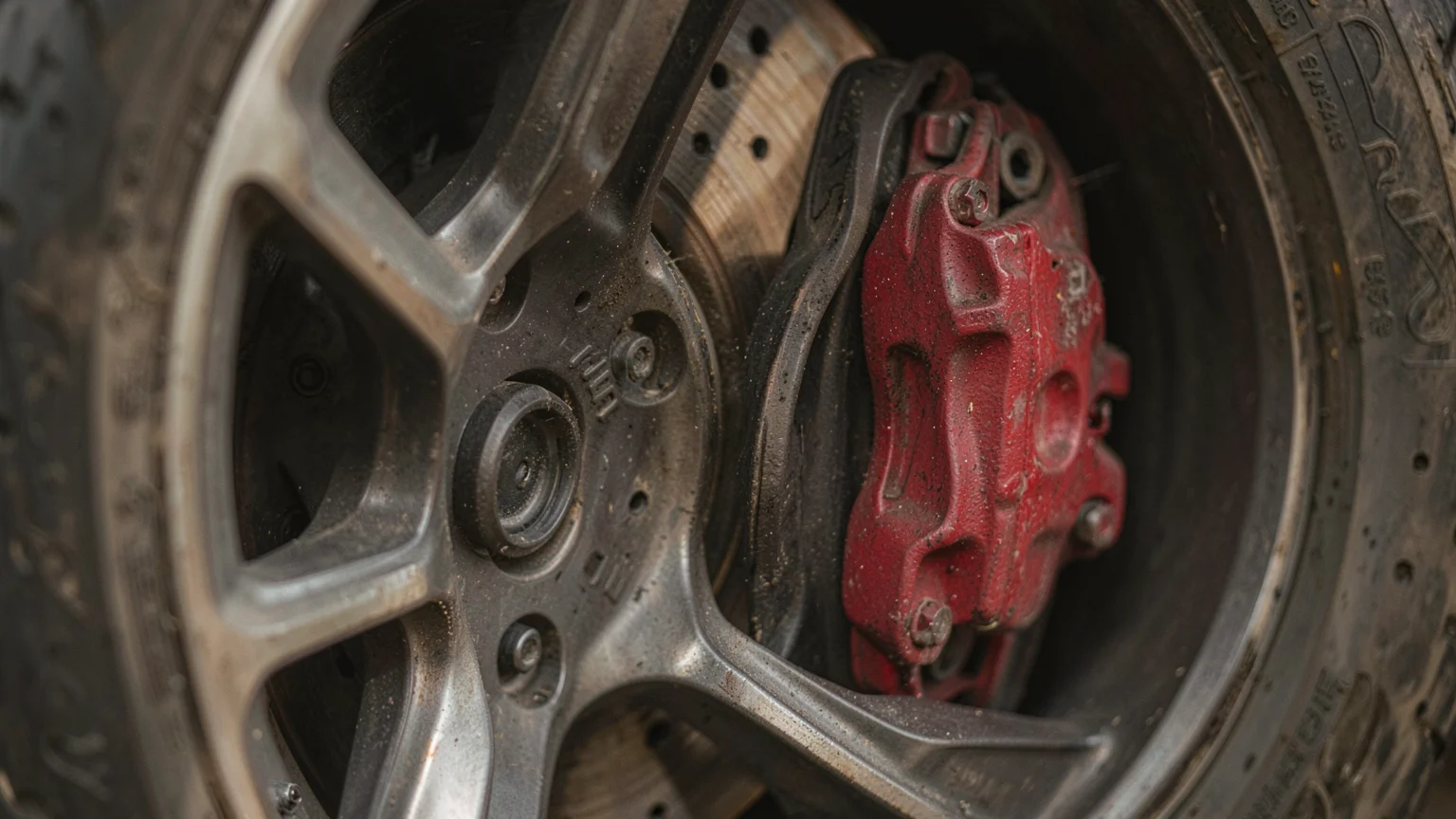
Why does my car shake when I brake? The most common cause is a problem in the brakes themselves, usually uneven or warped brake rotors, worn pads or a sticking caliper. If the shaking starts only when you press the pedal, look at the brakes first. If it shakes all the time, look at your tires, wheels and suspension.
This guide covers the causes, a simple way to narrow them down, typical repair costs and when to stop driving.
Key Takeaways
- Shaking that shows up only when you brake usually points to the rotors, pads, calipers or rear drums.
- Shaking that happens all the time, and gets worse with speed, more often comes from tires, wheels, alignment or suspension.
- Hybrids, electric cars and cars that sit unused are prone to rusty rotors that pulse.
- Kelley Blue Book data puts rotor resurfacing near $200 and pad and rotor replacement near $600.
- Do not wait. KBB calls delayed brake repair a safety risk.
In this guide:
- The short answer
- Brake problems that make a car shake
- Rust, hybrids and cars that sit
- Tires, alignment and suspension
- How to narrow down the cause
- What it costs to fix
- How to prevent it
- FAQ
Why Does My Car Shake When I Brake? The Short Answer
Brake pulsation is the feeling of shaking or pulsing through the brake pedal or steering wheel as you slow down. Use this table to match what you feel with the likely cause.
| What you notice | Likely cause | Next step |
|---|---|---|
| Pedal or wheel pulses only when braking | Uneven or warped rotors | Have the rotors measured, then resurface or replace |
| Shake after many miles or lots of stop-and-go driving | Worn brake pads | Inspect and replace the pads |
| Uneven, rough feeling when you press the pedal | Sticking caliper | Have the caliper checked |
| Pulsing from a car with rear drum brakes | Out-of-round drums | Measure the drums, then machine or replace |
| Shake right after the car sat unused | Rust or pad buildup on rotors | Inspect the rotors |
| Vibration all the time, worse at speed | Tires, wheels, alignment or suspension | Check balance, wear and alignment |
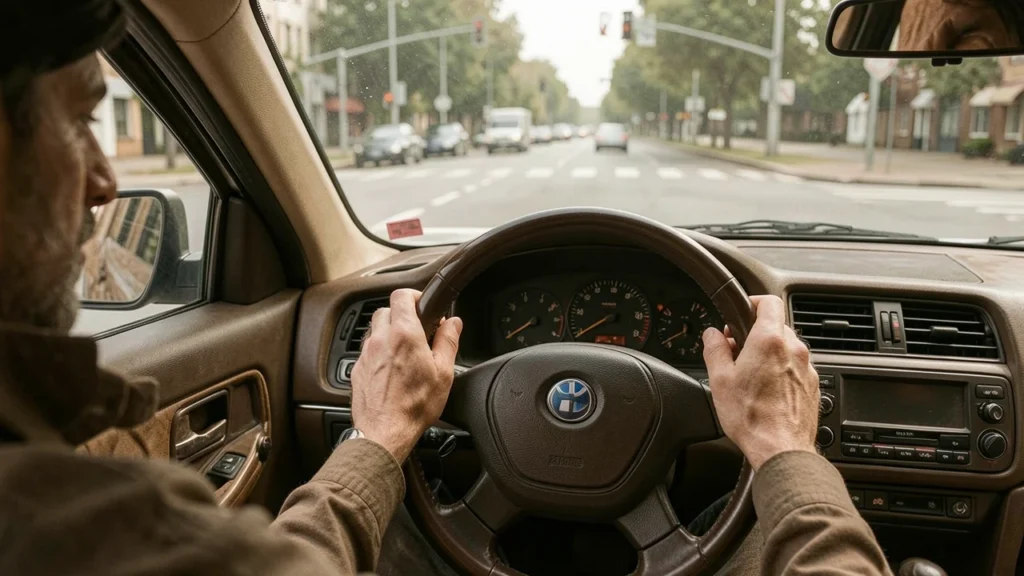
Car Shakes When Braking: The Brake Problems to Check First
A certified mechanic quoted by J.D. Power says other problems, such as an unbalanced wheel or bad alignment, usually cause vibration all the time. So if the car shakes only while braking, the brakes are the first suspect.
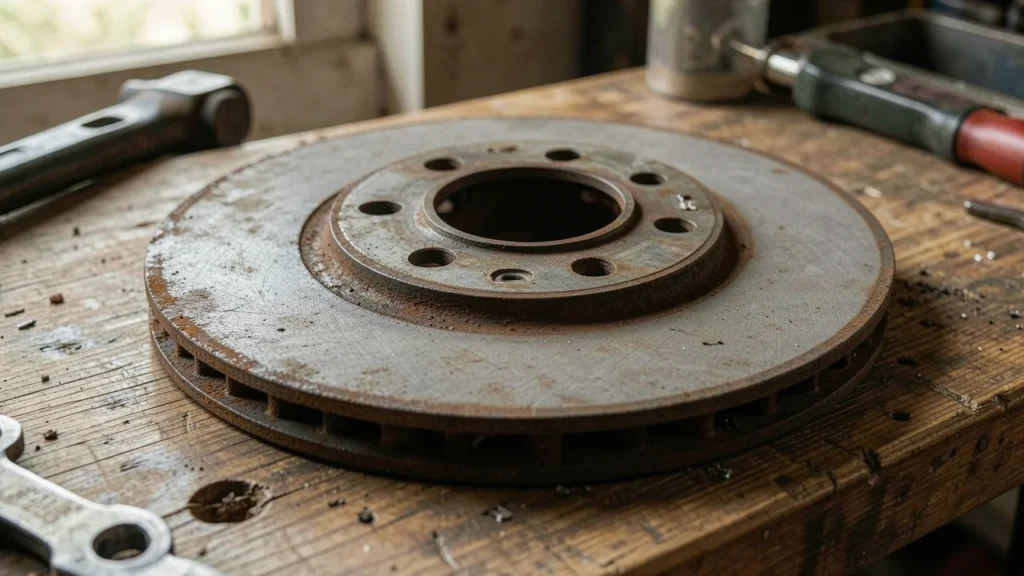
Warped brake rotors
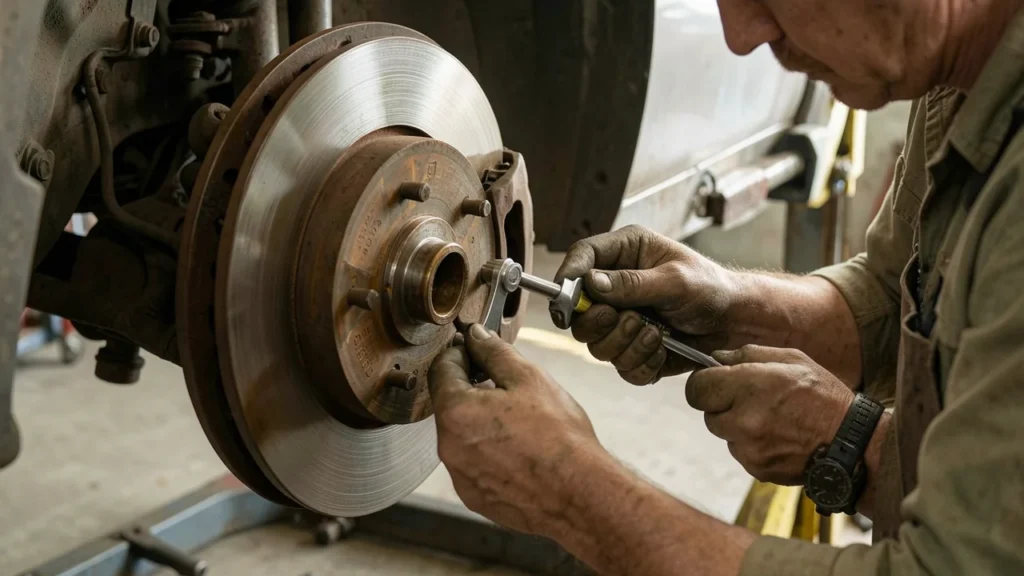
Warped brake rotors are one of the most common causes, according to Jiffy Lube. Heat and friction wear the rotor unevenly, so the pads cannot grip a smooth surface. You feel that in the steering wheel or the pedal. J.D. Power adds that repeated pad contact wears away rotor material over time, and the heat can warp what is left.
Worn or uneven brake pads
Pads wear down over time. When they get too thin, Jiffy Lube says they struggle to grip the rotor evenly and the car can shake. High mileage and stop-and-go driving speed this up. Pads that wear unevenly can cause the same pulsing, based on KBB.
A sticking brake caliper
The caliper presses the pads against the rotor. KBB lists a sticking caliper among the causes of vibration when you press the pedal. If one caliper does not release properly, it can drag, heat the rotor and make the pulsing worse.
Out-of-round drum brakes
Most current cars use disc brakes, but a few still have drum brakes, usually at the rear. J.D. Power explains that out-of-round drums can cause pedal pulsation and vibration. A mechanic can measure the drums and either machine them or replace them.
Rust, Hybrids and Cars That Sit Unused
A rotor that does not get used can still cause trouble. J.D. Power’s mechanic says that on a car that sits for a while, the area under the pad can corrode or collect pad material. When you drive again, it feels like a warped rotor.
KBB says hybrids and electric cars have a similar problem. Regenerative braking cuts the use of the friction brakes. With less heat, the rotors do not clean off surface rust. Moisture and road salt cause corrosion, and rust can pit the surface.
- A rusty rotor can sometimes be resurfaced.
- If too much metal is machined away, the rotor can warp again, so replacement is the better fix.
Tires, Alignment and Suspension Causes
If the shake is there even when you are not braking, widen the search. J.D. Power lists these possible causes:
- A tire that is badly out of round.
- An unbalanced wheel that lost a counterweight.
- A front end that is far out of alignment.
- A loose control arm or damaged steering knuckle.
- A damaged axle shaft.
- Loose lug nuts, which can let a wheel wobble as you slow down.
KBB adds that uneven tire wear is arguably the most common cause of shaking at highway speed, and worn wheel bearings and worn suspension parts can also play a part. Jiffy Lube notes that poor alignment wears tires unevenly. To learn more, read our guides on how often to balance tires and tire balancing vs alignment.
Warning: If you think a wheel may have loose lug nuts, pull over safely and have it checked before you drive any further.
How to Narrow Down the Cause
KBB advises you to notice when and under what conditions the vibration happens. Use these steps to gather clues before you call a shop.
- Note whether the shake happens only when you press the brake, or all the time.
- Feel where it shows up: the pedal, the steering wheel or the whole car.
- Check whether it changes with speed, such as highway braking versus slow stops.
- Look at your tires for uneven wear, bulges or damage.
- Listen for squealing or grinding when you brake.
- Book an inspection and share your notes with the technician.
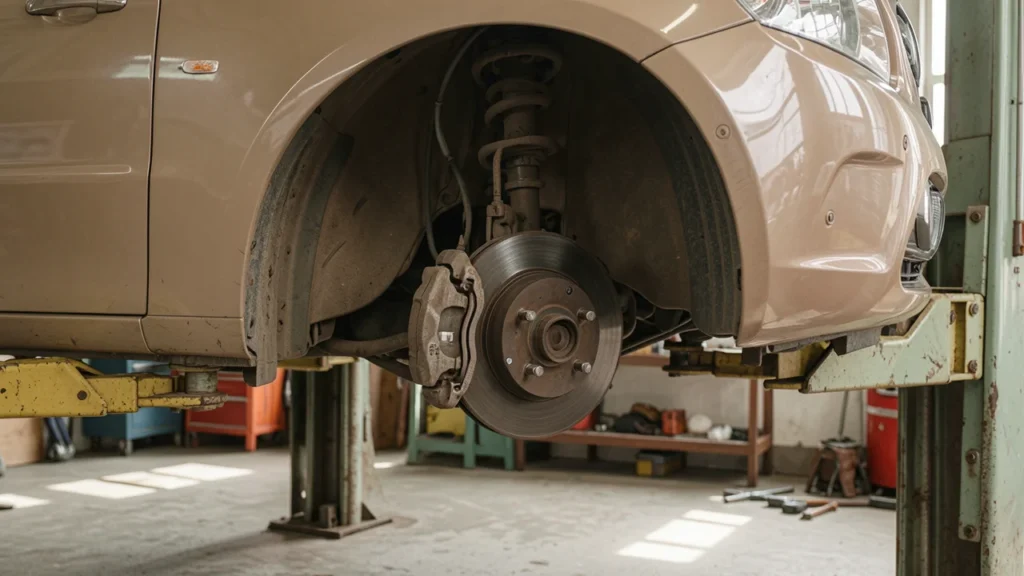
J.D. Power says a seasoned technician can usually pinpoint the cause on a test drive. For a closer look at one model, see our guide to Toyota Supra brake pedal vibration.
What Does It Cost to Fix a Shaking Brake?
Costs depend on the cause, the car and the shop. KBB data gives these rough figures:
| Repair | Rough cost (KBB data) |
|---|---|
| Resurface brake rotors | About $200 |
| Replace brake pads and rotors | About $600 |
These numbers come from a KBB article updated in 2025, so quotes today may differ. J.D. Power adds that brake issues like these can typically be fixed quickly and at modest cost.
If you plan to replace parts, learn how pad materials differ in our guide to brake pad compounds. You can also compare options in our article on slotted vs drilled brake rotors. Owners who like to work on their own car can follow how to replace brake pads on a Toyota RAV4.
How to Prevent Brake Shake
- Inspect yearly: Jiffy Lube suggests a full brake system check once a year, or as your owner’s manual recommends.
- Brake gently: Hard, sudden stops wear the brake system faster.
- Drive the car: Cars that sit invite rust on the rotors.
- Follow the maintenance schedule: KBB says routine inspections help prevent some shaking problems.
Frequently Asked Questions
Why does my steering wheel shake when I brake?
Pulsing through the steering wheel while you brake most often points to uneven or warped rotors, according to Jiffy Lube and KBB. Worn pads, a sticking caliper, or tire and alignment problems can add to it. Ask a shop to measure the rotors and inspect the pads.
Is it safe to drive a car that shakes when braking?
It is a safety risk. KBB warns that delaying the repair can damage the braking system further. If the shake is mild, drive carefully and book an inspection soon. If it is severe, or the car takes longer to stop, stop driving and call a shop.
Can warped rotors be fixed?
Often, yes. A shop can resurface, or turn, a rotor to restore a flat surface. J.D. Power warns that removing too much metal makes it warp again, and then the rotor needs replacing. KBB puts resurfacing at about $200.
Can bad tires make a car shake only when braking?
Usually not. A mechanic quoted by J.D. Power says unbalanced wheels or poor alignment normally cause vibration all the time. If the shake appears only when you press the pedal, check the brakes first. Then check tires, alignment and suspension.
Why does my hybrid or electric car shake when braking?
KBB explains that regenerative braking reduces use of the friction brakes. With less heat, rotors do not clean off surface rust and road salt, and pad buildup can pit the surface. That causes pulsing. Regular brake inspections help catch it early.
How much does it cost to fix a car that shakes when braking?
KBB data puts rotor resurfacing near $200 and pad and rotor replacement near $600. Prices vary by vehicle, parts and shop, so ask for a written quote after the brake inspection and compare it with a second shop if you can.
Final Thoughts
So, why does my car shake when I brake? In most cases, the rotors, pads or calipers need attention, and an inspection will tell you which. Shaking that never goes away points to tires, alignment or suspension instead.
Note when it happens, book an inspection soon and do not drive a badly shaking car. A short repair now costs less than damage to the rest of the braking system later.