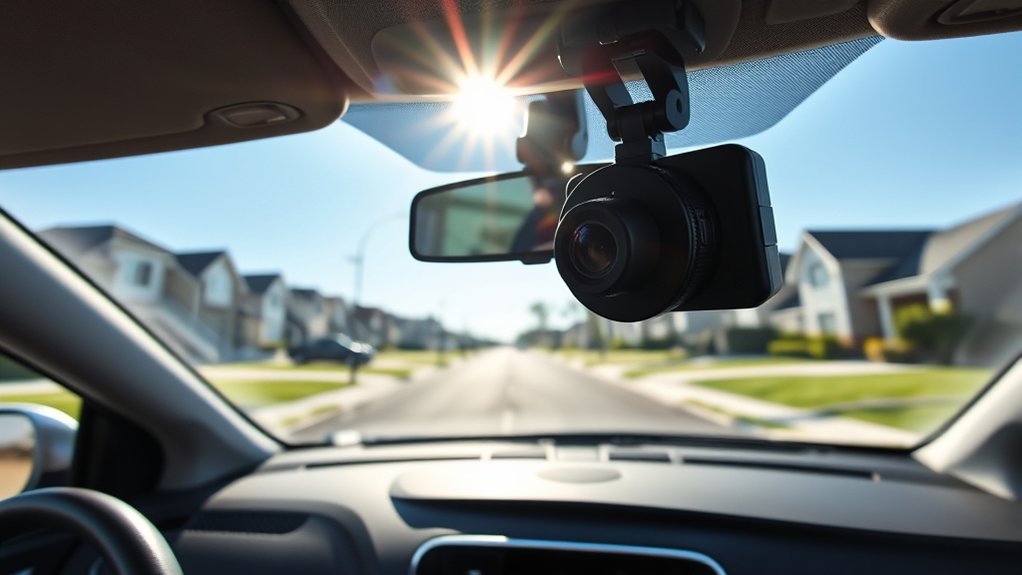
Usually not. Most US insurers do not give a premium discount for owning a dash cam, and Progressive says so on its own site. A dash cam is worth having for the evidence it gives you after a crash or a false claim, not for a cheaper policy. A few insurers have run partner offers, so it is worth one phone call to yours.
What insurers say about dash cam discounts
Progressive’s consumer guidance states that insurance companies generally do not offer discounts for dash cams, that there is no “insurance-approved” dash cam, and that footage may help resolve claims where fault is disputed. Consumer Reports similarly says dash cams typically do not earn a premium discount, and you are generally not required to tell your insurer you have one.
There are exceptions. In November 2021, Branch Insurance announced a partnership with Nextbase dash cams that gave Nextbase customers an extra 8% savings on auto insurance, and gave Branch members 10% off new Nextbase dash cams. That was a partner offer tied to one brand, and the terms may have changed since, so check Branch directly before relying on it. Earlier versions of this article quoted larger percentages; those figures are not supported by the source above and have been removed.
Some insurers also run usage-based or telematics programs that measure your driving through a phone app or a plug-in device. Those are a separate thing from a dash cam, and the savings come from your measured driving, not from owning a camera. When a discount does tie to a specific camera, it may require a model the insurer names and specific criteria, so do not buy a camera for a discount before confirming it in writing.
| Question | Short answer |
|---|---|
| Do most insurers discount dash cam owners? | No. Progressive and Consumer Reports both say discounts are uncommon. |
| Do I have to tell my insurer I have one? | Generally no, per Consumer Reports. Check your own policy wording. |
| Can footage help a claim? | Yes, it can support your account when fault is disputed. |
| Is there an “approved” dash cam? | Progressive says there is no insurance-approved model. Some partner offers name a brand. |
How footage can help a claim
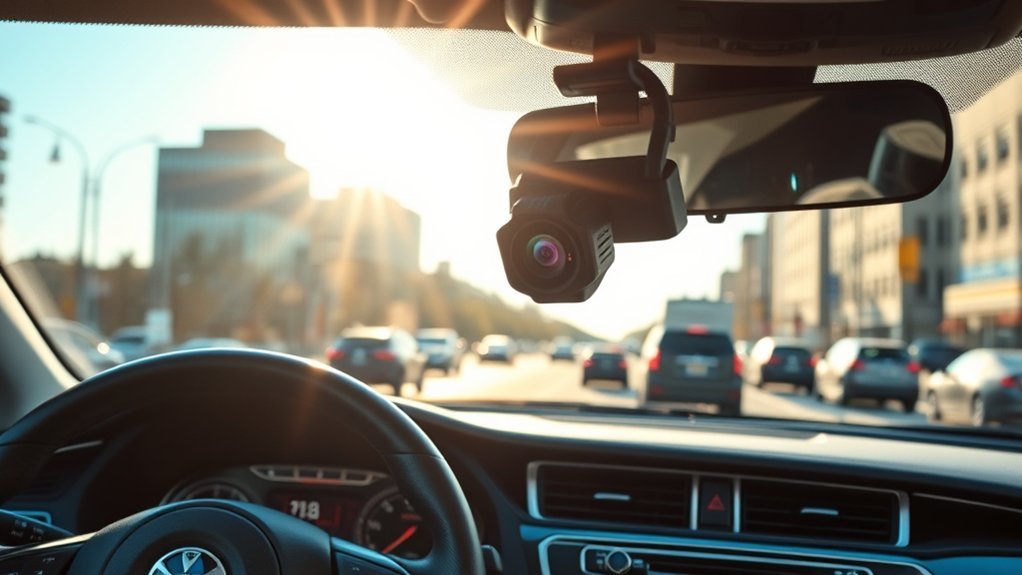
Progressive lists situations where footage may help: a disputed accident, an unwarranted citation, a texting driver, a false claim, theft or vandalism. The benefit is a clearer record when accounts differ, which can reduce the time spent arguing about what happened. It does not decide fault on its own. The insurer and, where relevant, the police weigh it with other evidence such as photos, damage and witness statements.
A camera also helps only if the footage survives and is usable. Think about these points when you set it up:
- Check the date and time stamp so they match the real time.
- Make sure plates are readable at the resolution you chose.
- Keep the lens clean and the camera aimed so it sees the road ahead.
- Use a reliable memory card and check it occasionally, since a failed card records nothing.
What to do after an incident
- Make sure everyone is safe and call emergency services if anyone is hurt.
- Do not delete or edit the recording. If your camera has a lock button, press it so the clip is not overwritten by loop recording.
- Copy the original file to your phone or computer as soon as it is safe to do so.
- Tell your insurer about the accident as your policy requires, and ask how they want footage submitted.
- Give the original file if asked, and keep a backup copy.
Privacy and legal points
Dash cams are legal in all 50 states according to Consumer Reports, but rules on windshield mounting vary by state. Audio is the bigger risk: whether you need consent from one party or all parties depends on your state’s recording laws. If you are unsure, turn off audio recording, or read your state’s rules. Also think about where you share footage. Posting a clip online is a separate decision from giving it to an insurer or the police, and can raise privacy issues that the claim does not.
Do a dash cam and higher premiums go together?
A dash cam does not change your risk profile in the eyes of most insurers, so it should not raise your rates either. Insurers price on factors such as your driving record, vehicle, location and claims history. If you are at fault, the footage will show that too, so it is worth thinking of it as a record rather than a shield.
Frequently asked questions
Will a dash cam reduce my car insurance?
Usually not. Progressive and Consumer Reports both say discounts are uncommon. Ask your insurer directly, because a partner offer may exist.
Do I need to tell my insurer I have a dash cam?
Consumer Reports says you generally do not need to. Check your policy, and tell your insurer if they ask, or if you want to use the footage in a claim.
Does a dash cam speed up a claim?
It can help when fault is disputed, because the insurer has a recording to review. The effect depends on the insurer and the quality of the footage, and there is no guarantee.
Can I use footage from someone else’s dash cam?
You can ask the owner, for example a witness or a nearby business, but they are not obliged to share it. Police can request footage during an investigation. Ask promptly, because loop recording overwrites older clips.
What about a dash cam that my insurer recommends?
Some insurers or partners suggest particular brands. Ask what specific criteria apply, and get any discount terms in writing before you buy.
Bottom line
Buy a dash cam for the evidence, and treat any insurance saving as a possible bonus. Call your insurer and ask three questions: do you offer a dash cam discount, do you have a preferred model, and how do you want footage submitted. If you want help choosing a camera, see our guide on what to look for in a dash cam.