
Disable traction control in a Toyota Supra only in limited cases: when the car is stuck in snow, sand or mud and needs some wheelspin to rock free, or on a closed course where you accept the risk. For normal road driving, leave it on. Buttons and modes vary by model year, so check your owner’s manual for how to switch it off and what each setting does.
Understanding Traction Control in the Toyota Supra
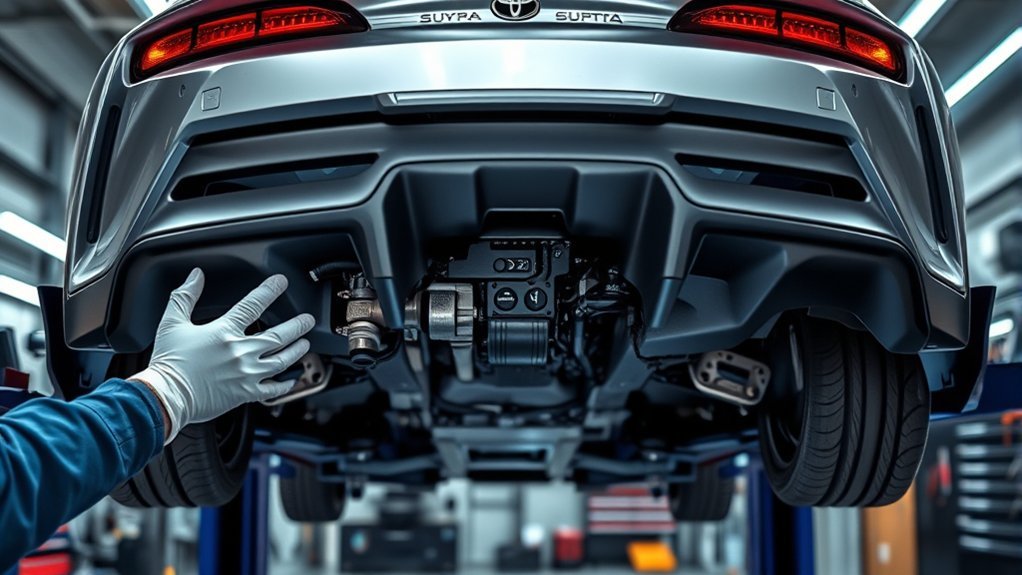
Traction control reduces engine power or applies the brakes at a wheel that is spinning, which helps keep a powerful rear-drive car stable. Your Supra may also have stability control and drive modes that work with it.
When to Disable Traction Control in a Toyota Supra
The Supra is a low rear-drive sports car, not an off-road vehicle. The realistic cases for switching traction control off are being stuck, or using a closed course.
Fresh Snow Conditions
For normal driving in snow, leave the systems on. If you are stuck, a short period with the system reduced can let the wheels spin enough to rock free. Turn it back on as soon as you are moving. Winter tires help much more than any setting.
Muddy Terrain Situations
Mud or soft ground can clog the tread. If you are stuck, reduce the intervention briefly, rock gently and turn the systems back on once free. Avoid soft ground in a low car.
How to Safely Turn Off Traction Control in Your Supra
- Stop in a safe place or be on a closed course.
- Check the owner’s manual for the button or menu for your model year.
- Choose the reduced or off setting.
- Look for the indicator on the dashboard.
- Switch back on before driving normally.
How Traction Control Influences Performance Driving
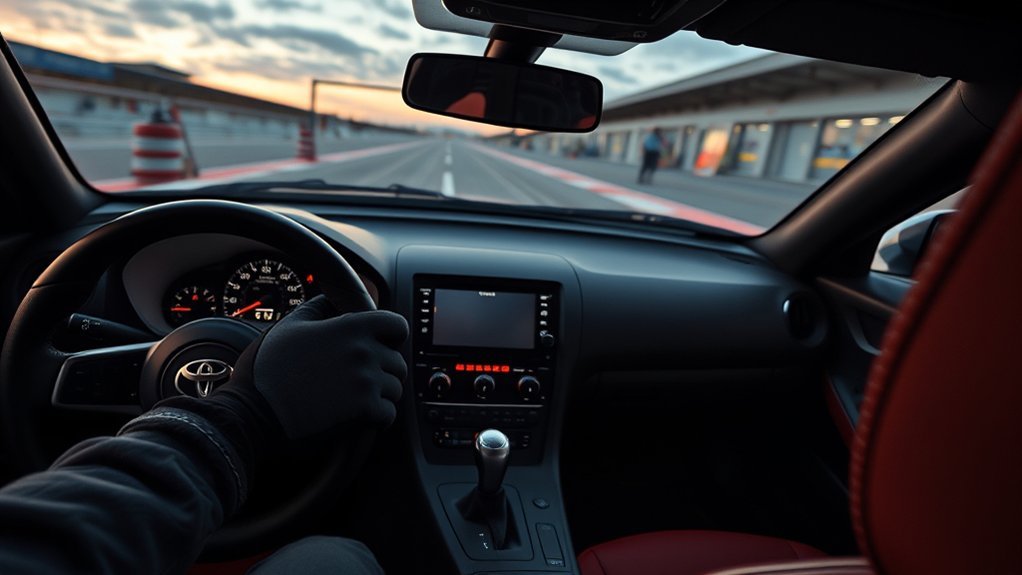
On a closed course, the systems can interfere with some techniques, but they also catch mistakes. Reduce the settings in steps and only when you have the experience and the space.
Traction Control Benefits
- Helps prevent wheelspin on wet or slippery roads.
- Helps keep the car stable under power.
- Gives a safety margin in cornering.
Performance Driving Techniques
Driver training on a closed course is the safest way to learn how the car behaves with less assistance.
Scenarios When You Should Disable Traction Control
- Stuck in snow, sand or mud
- On a closed course or track day where it is permitted
- When a technician asks you to during a test
Maintaining Your Traction Control System
Keep tires in good condition and correctly inflated, because the system relies on wheel-speed sensors. If a warning light stays on, have it checked.
How Tire Choice Affects Traction Control
The system can only work with the grip available. Good tires, correct pressures and appropriate seasonal tires make a bigger difference than the system.
Reactivating Traction Control
Switch the system back on as soon as you are free or finished. Some cars turn it back on automatically at the next start, but check the manual for yours.
Frequently Asked Questions
When Should You Disable Traction Control?
Only when stuck in snow, sand or mud, or on a closed course. Leave it on for normal driving.
What Does It Mean When Traction Control Needs to Be Serviced?
A service message or warning light means the system has detected a fault, such as a sensor problem. Have it checked by a dealer or qualified technician.
Should We Keep Traction Control on All the Time?
For everyday driving, yes. It is a safety system.
What Does the Traction Control Off Light Mean on a Supra?
A Traction Control Off light means the system is switched off or reduced. Check the manual for your model for what the light means, and turn it back on for normal driving.
Conclusion
Leave traction control on for everyday driving, reduce it only when stuck or on a closed course, and turn it back on afterwards.