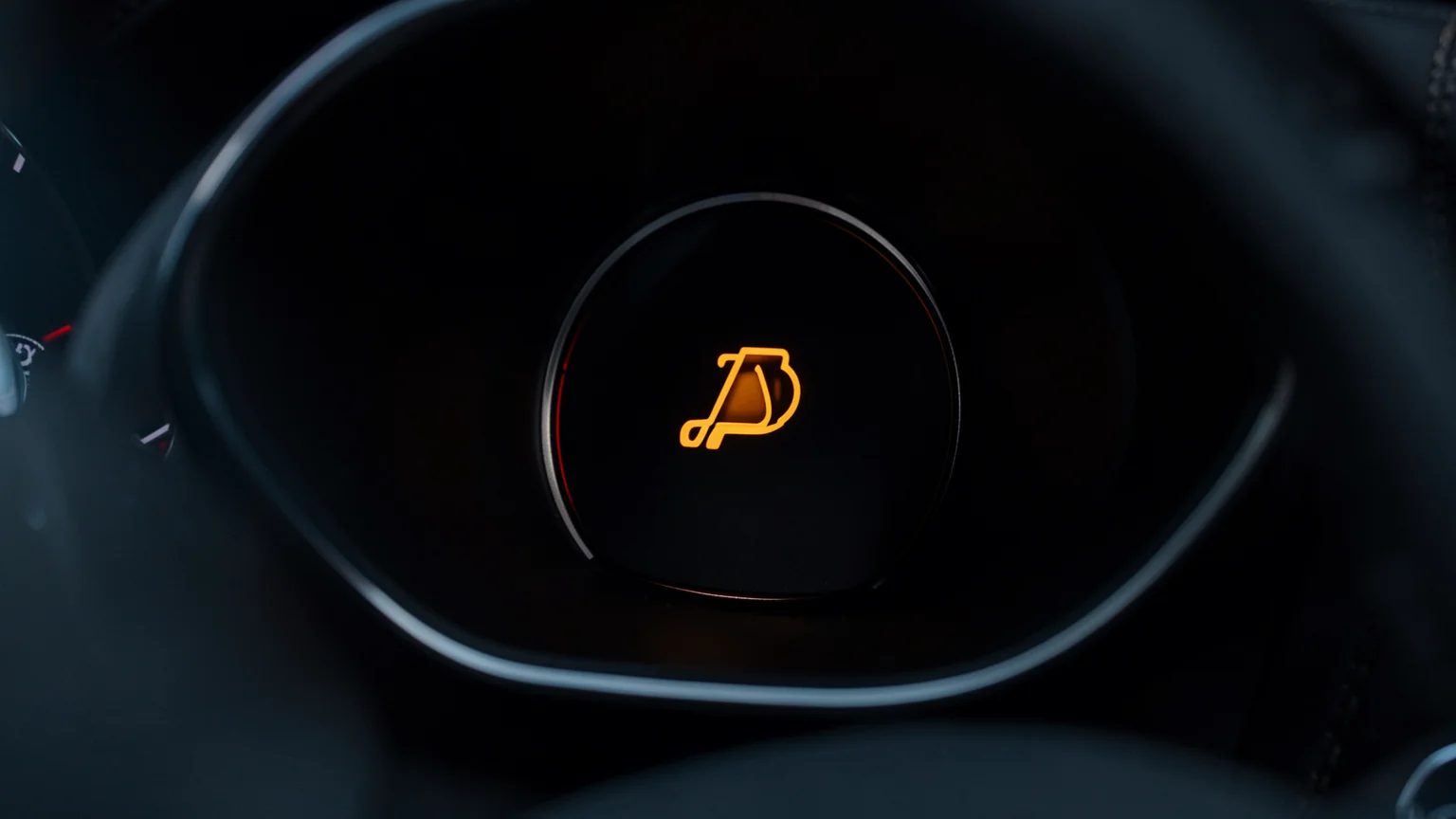
What does service tire monitor system mean? It means your car has found a fault in its tire pressure monitoring system (TPMS), so the system may not warn you reliably about low pressure. It is a system problem, not just a tire that needs air.
Check each tire with a gauge first. Then have the TPMS scanned if the message stays on. This guide explains the causes, gives you six steps to follow and covers what a repair can cost.
Key Takeaways
- The message signals a TPMS fault. It does not name the failed part.
- A tire can be low on air while the fault is active, so use a gauge.
- Dead sensor batteries, damaged sensors and missed relearns are common causes.
- Adding air clears a low-pressure warning but does not repair a TPMS fault.
- A sensor replacement averages about $240 to $299 in the U.S., per Mechanic Base.
In this guide:
- What does service tire monitor system mean?
- Service message vs low pressure light
- Common causes
- What to do, step by step
- Can you keep driving?
- Repair cost
- FAQ
What Does Service Tire Monitor System Mean?
The message means the vehicle detected a fault in the TPMS, according to Mechanic Base. The system may be unable to monitor tire pressure, and the message does not say which part failed.
The wording is common on some GM vehicles, including Chevrolet and Buick. Other makes use different wording, so check your owner’s manual for your exact warning lights.
Many cars use a direct TPMS. A sensor in each wheel sends pressure data to the car’s computer by radio signal, Tire Review explains. When that link breaks, you may see this message.
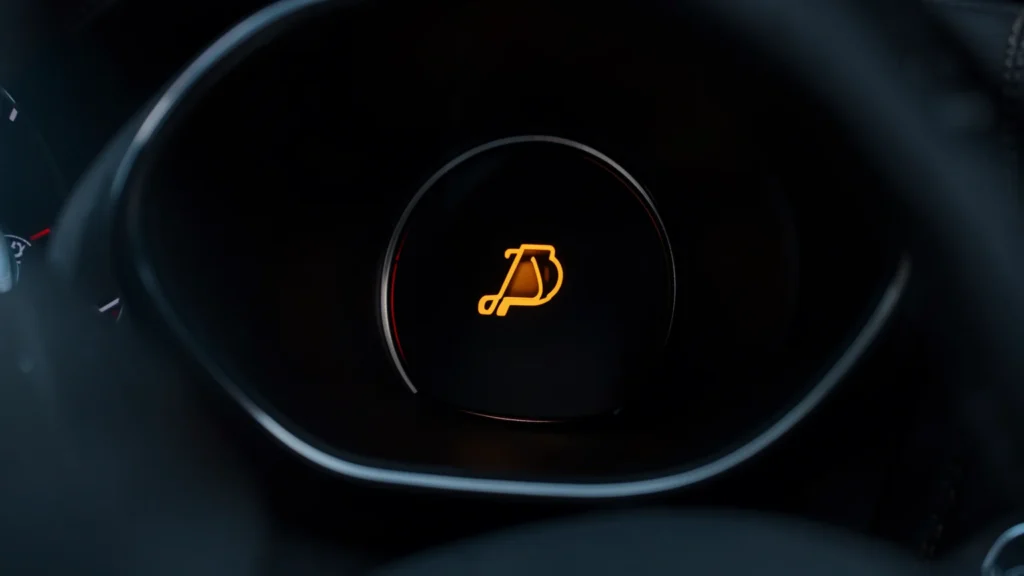
Service Message vs Low Tire Pressure Light
These two alerts are not the same. Toyo Tires says the yellow TPMS symbol, a tire cross-section with an exclamation point, warns that one or more tires are significantly underinflated.
| Alert | What it means | What to do |
|---|---|---|
| Low tire pressure light | One or more tires are low | Check pressure and add air |
| Service Tire Monitor System | The TPMS has a fault | Check tires, then scan the TPMS |
| Light flashes, then stays on | Often a TPMS malfunction | Check the manual, then diagnose |
Tire Review notes that a light that flashes for 1 to 2 minutes at start-up points to a malfunction. Both alerts can appear together, so never assume your pressure is fine.
Common Causes of the Service Tire Monitor System Message
Several things can trigger the warning. A shop needs to test the system to confirm which one applies.
- Dead sensor battery: A sensor may stop transmitting when its internal battery fails. The battery is sealed inside, so the whole sensor is replaced.
- Damaged sensor or valve: Tire Review lists valve damage, corrosion and missing components.
- Tire or wheel service: A sensor can be damaged while a tire is removed or installed.
- Missed relearn: Some cars need tire positions or sensor IDs relearned after sensor, wheel or tire changes.
- Wiring or control faults: Damaged wiring or another TPMS part can also trigger the message.
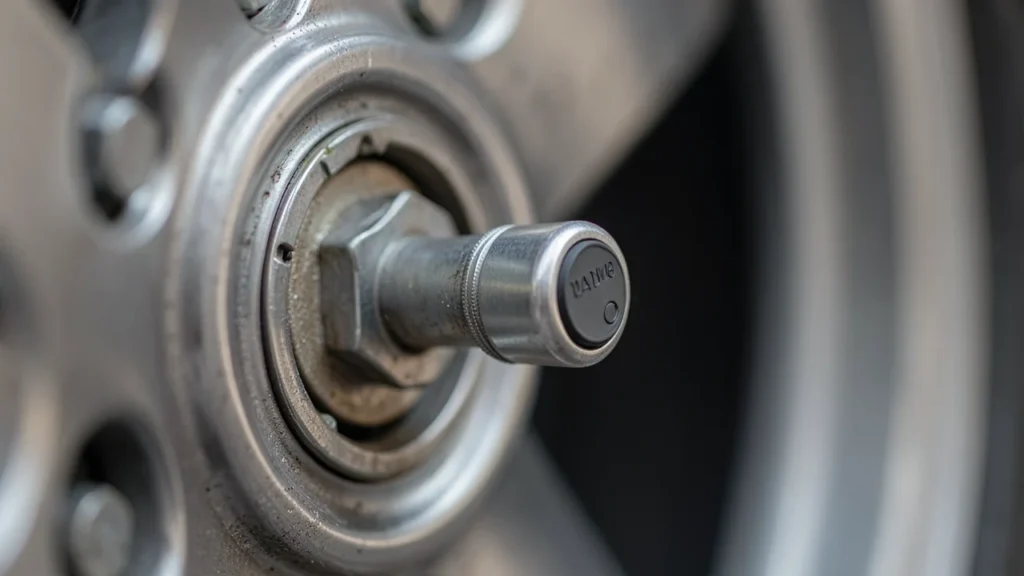
Toyo Tires adds that a TPMS sensor can corrode or wear out over time, like any other part.
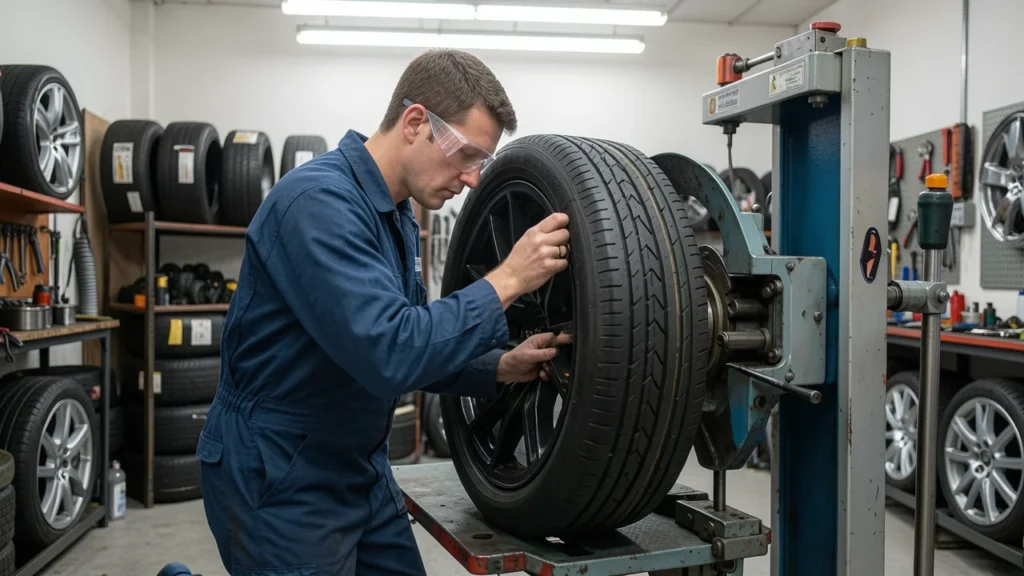
If the message appeared right after new tires, tell the shop what work was done. Mechanic Base advises asking them to check sensor communication before replacing parts. Also note that a relearn is not automatically needed after every rotation. Follow the steps for your exact model.
For example, Tire Review lists a 2011 Toyota Camry as a car that needs an OBD relearn with a TPMS diagnostic tool. Procedures vary by maker, so a technician needs the right one.
What to Do When the Message Appears
So what does service tire monitor system mean for your next steps? Follow these in order. They come from Mechanic Base and Toyo Tires guidance.
- Check each tire with a gauge, and look for damage or a slow leak.
- Inflate every tire to the pressure on your door placard, not the maximum on the sidewall.
- Note the warning light pattern. Some cars flash the light before it stays on.
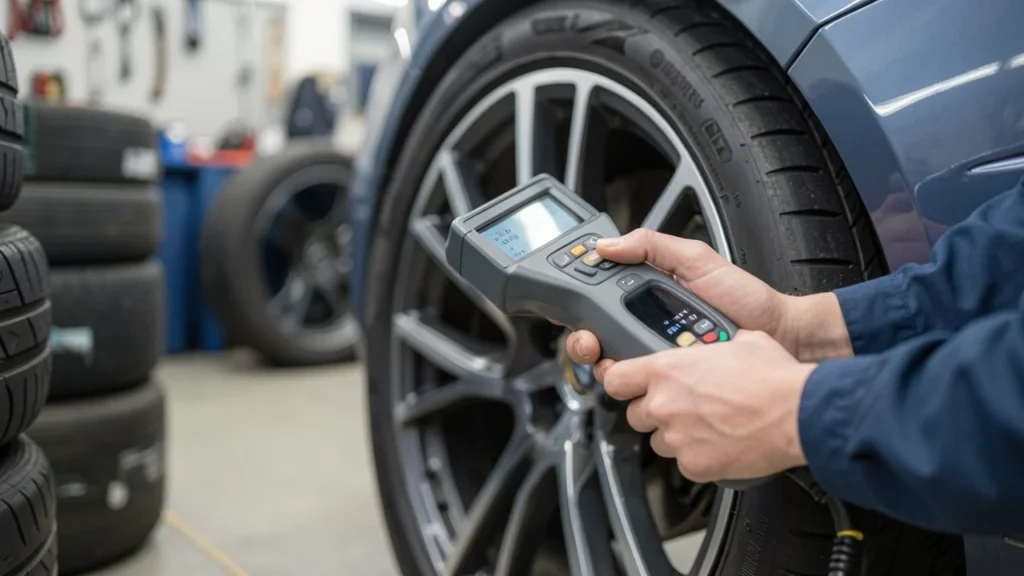
- Scan the TPMS with a tool that can reach the module, or ask a shop to do it.
- Repair the confirmed fault, and complete the correct relearn if the shop says one is required.
- Verify that the warning clears and the system shows pressure for each tire.
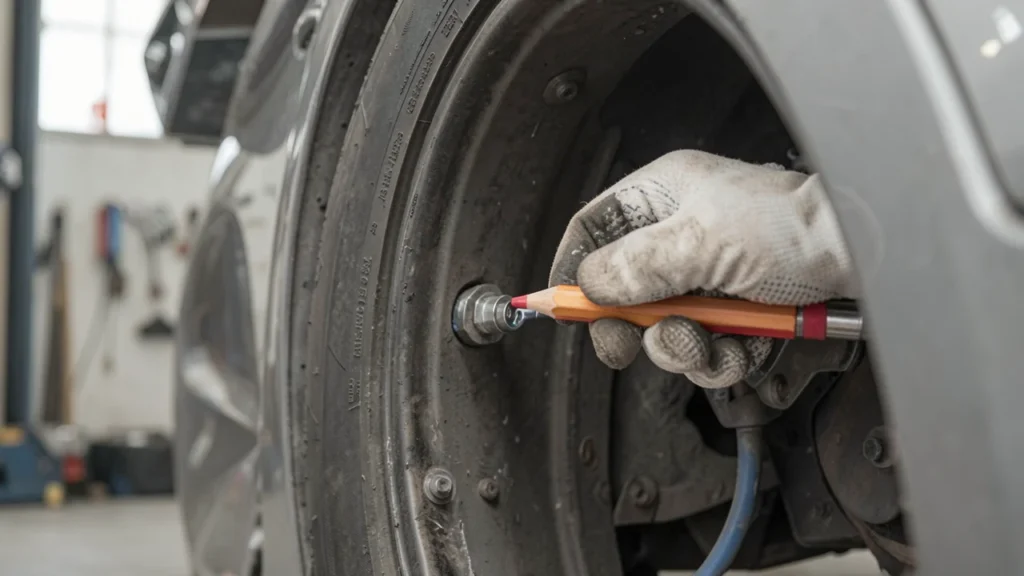
Warning: Do not drive on a flat, damaged or rapidly leaking tire. Underinflated and overloaded tires are the leading cause of tire failure, according to Toyo Tires. Pull over safely and fix the tire first.
A basic engine-code reader may not talk to the TPMS module, Mechanic Base points out. Do not disconnect the battery or reset the system again and again, because that will not fix a bad sensor or wiring.
Need a quick way to add air? Our list of best portable tire inflators for cars shows what to check before you buy. For more on the light itself, read why the tire pressure light flashes.
Can You Drive With the Message On?
So what does service tire monitor system mean for today’s drive? Check pressure before you go far, because the TPMS may not warn you while the fault is active. Mechanic Base says that if all tires are at the specified pressure and none is damaged or leaking, you can generally drive cautiously to a repair shop.
If a tire is badly low, flat or visibly damaged, do not continue driving on it. Toyo Tires also recommends checking pressure at least once a month and before long trips. Tires lose about 1 psi per month and about 1 psi for every 10°F temperature drop, it says.
How Much Does a TPMS Repair Cost?
Mechanic Base reports that replacing a TPMS sensor averages about $240 to $299 in the United States. The real price depends on your car, your area and the repair needed.
| Problem | Likely fix |
|---|---|
| Dead sensor battery | Replace the sensor and relearn |
| Damaged valve or sensor | Replace the sensor |
| Sensor ID not registered | Relearn procedure with a TPMS tool |
| Wiring or module fault | Diagnose the circuit, then repair |
Toyo Tires notes that tire dealers cannot bypass the TPMS. They must repair, replace or recalibrate failed sensors. Ask for a quote before work starts. If you also need new rubber, see what one tire costs.
Related Toyota TPMS guides
If you own a Toyota, these guides cover related fixes: how to reset TPMS on a Toyota RAV4 and why the Toyota Supra TPMS light comes on. You can also learn how tire pressure sensors work and read the rotation rules in how often to rotate tires.
Frequently Asked Questions
What does service tire monitor system mean?
It means the vehicle detected a fault in its tire pressure monitoring system. The system may not warn you about low pressure until it is repaired. The message does not identify the failed part, so check each tire and have the system scanned.
Is service tire monitor system the same as low tire pressure?
No. The service message points to a TPMS fault, while the low-pressure light means the system found a low tire. Both can appear together, and a tire can be underinflated even when the system has a fault.
Will the message go away if I add air?
Adding air can clear a low-pressure warning once the system updates. It will not repair a TPMS fault. If the service message stays on after you set the pressures, have the system scanned and repaired.
Can I reset the system myself?
Sometimes a reset or relearn is part of the fix, but it will not repair a failed sensor. Procedures vary by vehicle, and some need a TPMS tool. Follow your owner’s manual or ask a shop.
Can a recent tire change cause this message?
Yes. A sensor can be damaged during a tire change, or the system may need a relearn. Tell the shop what work was done and ask them to check sensor communication before they replace anything.
How long do TPMS sensors last?
Sensors have a sealed battery that eventually fails, and the whole sensor is replaced. The sources used here do not give a set lifespan. Parts also corrode or wear out over time, so have them checked at tire changes.
Final Thoughts
So, what does service tire monitor system mean? Your car cannot trust its own tire pressure readings. That makes manual checks important right now.
Check each tire, fill them to the door placard value and book a TPMS scan if the message stays on. Fix the cause rather than resetting the light again and again.