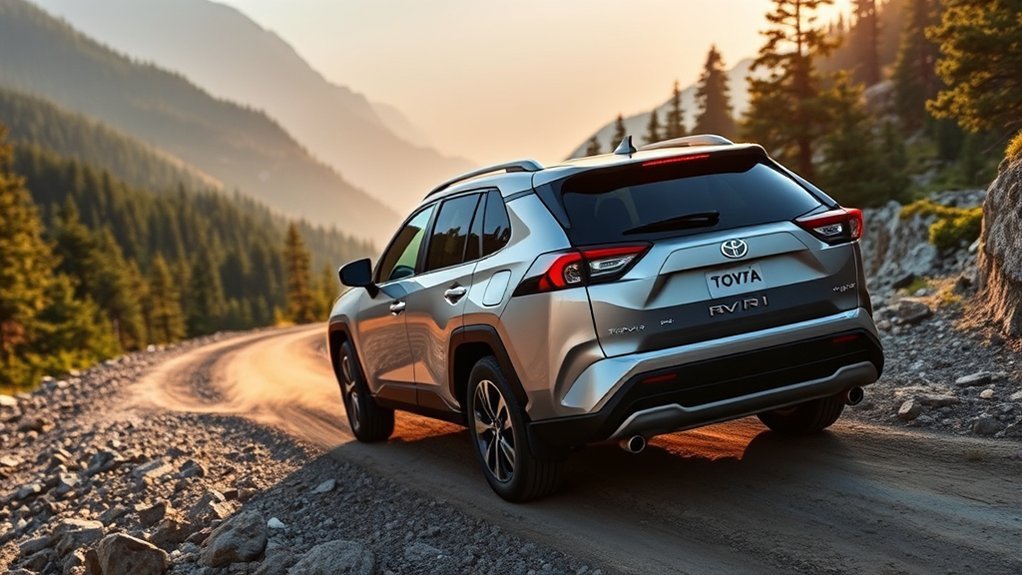
The RAV4 4-cylinder engine is generally adequate for everyday hills, but it can feel strained with a full load, a trailer, steep grades or high altitude, when power drops. Drivers who regularly climb long mountain roads should test drive the exact engine they are considering, and compare the hybrid and Prime versions, which add electric motor assistance.
How the RAV4 4-Cylinder Performs on Uphill Drives
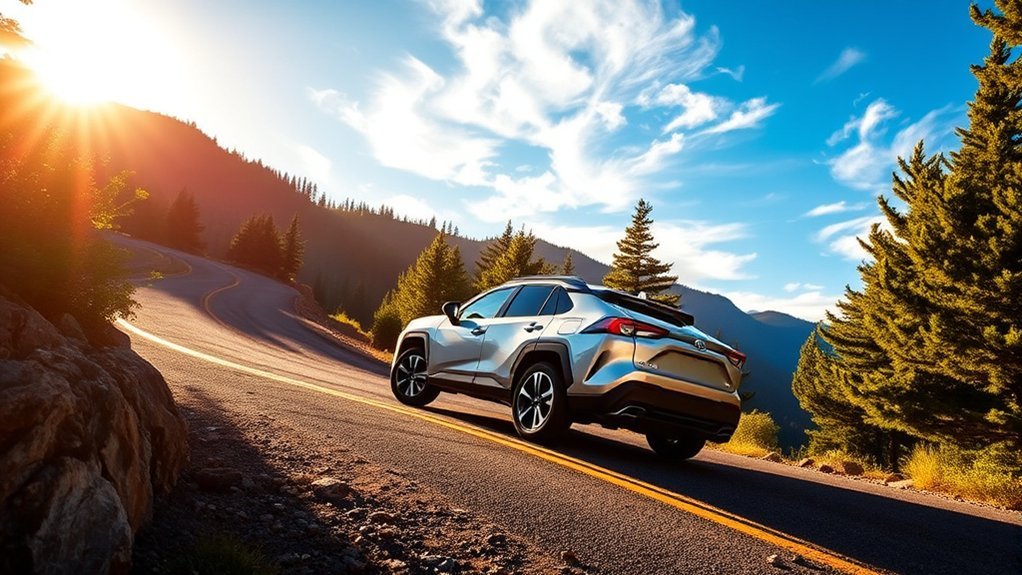
On normal roads the four-cylinder RAV4 climbs without trouble. Performance falls with a full load, towing or altitude, and the transmission may downshift to keep speed. Drive smoothly and use the lower gears or a manual shift mode on long descents.
Key Features for Uphill Performance
Engine output, gearing, AWD and good tires all help on hills. Check the specifications for your model year, since the engine and transmission differ between years.
Engine Power and Gearbox
The four-cylinder engine and automatic transmission are designed for everyday use. The transmission selects lower gears when you press the accelerator on a hill. Check Toyota’s specifications for your model year.
Cooling and Heat Management
On a gas four-cylinder RAV4, keep an eye on the temperature gauge during long climbs. Keep the cooling system and fluids maintained according to your owner’s manual.
How Does AWD Boost Climbing Performance?
AWD helps with traction on slippery or loose hills, but it does not add engine power. Good tires and careful driving matter just as much.
User Experiences on RAV4’s Uphill Performance
Owners generally find the four-cylinder adequate for daily hills but notice reduced power when loaded or towing. Test drive the version you want on a hill if you can.
How Fuel Efficiency Affects Uphill Driving?
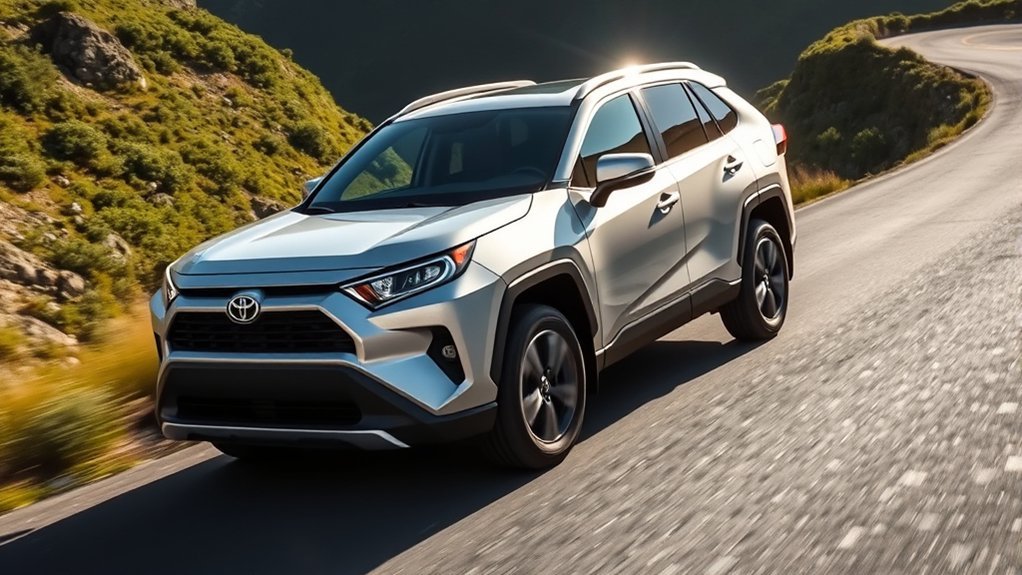
Climbing hills uses more fuel, especially with extra weight, towing or high speed. Consumption varies with conditions, so there is no single figure.
How Can Maintenance Improve Uphill Performance?
Following the service schedule in your owner’s manual helps the engine, cooling system and brakes perform properly on hills.
Regular Coolant Checks
Check the coolant level when the engine is cold and follow the replacement interval in your owner’s manual.
Engine Temperature Monitoring
Watch the temperature gauge on long climbs. If it rises toward hot, reduce load and speed or pull over safely, and have the cooling system checked.
Related reading:
- Toyota RAV4 Snow Driving Tips
- Is the Toyota RAV4 Good in Snow?
- Best Toyota RAV4 Snow Covers: Full Car and Windshield Picks
- Is the Toyota RAV4 a Good SUV?
Frequently Asked Questions
Is the Toyota RAV4 Good for Mountain Driving?
It is generally a capable choice for mountain roads, especially with AWD and good tires, but power drops with altitude and loads. Check the engine and brakes before a trip.
What Is the Weakness of the Toyota RAV4?
Opinions vary by model year. Check recalls at nhtsa.gov/recalls and read owner reviews for the year you are considering.
Does the Toyota RAV4 Have Hill Assist?
Most recent RAV4s have hill-start assist, and some trims add downhill assist. Check the window sticker or your owner’s manual.
Which Is More Reliable, Toyota RAV4 or Honda CR-V?
Both are generally regarded as reliable, and results vary by model year. Compare recent reliability surveys and recalls for the specific years.
Conclusion
In summary, the Toyota RAV4’s performance on uphill drives is nothing short of extraordinary. With its robust engine and advanced AWD system, you’ll tackle steep inclines like a mountain goat. Regular maintenance and fuel efficiency play essential roles in enhancing this capability, ensuring you maximize your RAV4’s potential. So, whether you’re maneuvering winding roads or steep hills, you can trust that your RAV4 will rise to the challenge, delivering a confident driving experience every time.