
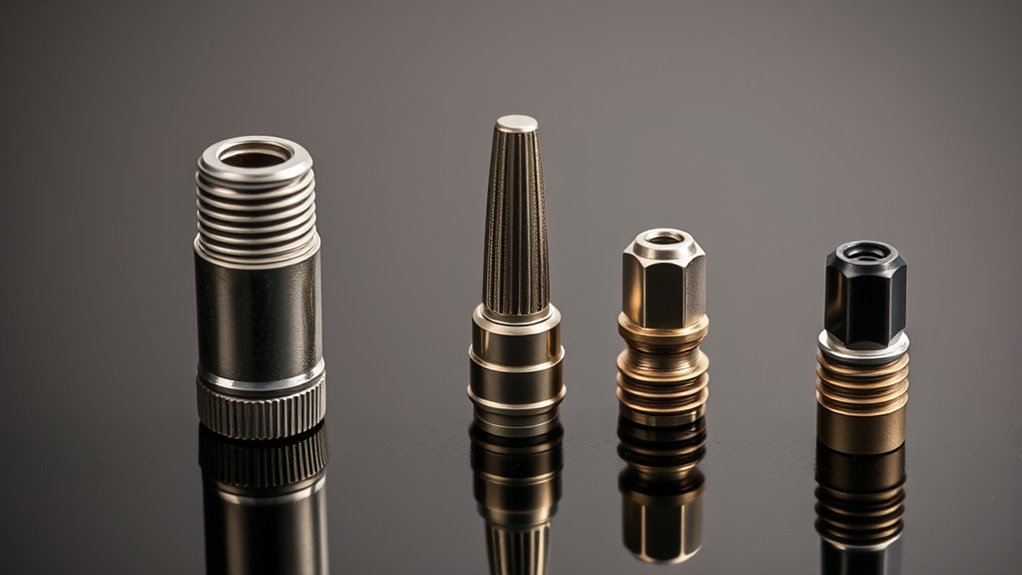
You’ll spot three common valve types: Schrader (wider, car-style, fits most pumps), Presta (narrow, high-pressure, needs a tiny nut unscrewed and smaller rim holes), and Woods/Flip-Lock (older, rugged design). Choose Presta for performance and lighter wheels, Schrader for convenience and universal pumps, and Woods if you need durability in wet conditions. Adapters and extenders let valves work across rims, and the next section explains compatibility, tubeless cores, and maintenance.
Quick Answer
- Schrader valves are wider (8mm), work with most pumps, and suit casual or mountain bikes.
- Presta valves are narrower (6mm), handle higher pressure, and fit road or performance bikes.
- Woods valves are older designs found on Dutch-style bikes and humid climate riders.
- Use adapters to fit Presta valves in Schrader rim holes without permanent changes.
- Tubeless systems typically use Presta valves with removable cores for sealant access.
Which Valve Is on Your Bike? Quick Visual Checks & Measurements

Wondering which valve you’ve got on your bike? Start with a quick visual check at the wheel. A Schrader valve is wider and shorter (about 8 mm), resembling an automobile valve. A Presta valve is narrower (around 6 mm), taller and tapered.
Inspect the rim hole size. Smaller holes suit Presta valves. Larger holes fit Schrader valves. This tells you which valve stem will be compatible with the rim.
Measure stem length if you need a replacement. Presta stems commonly range 40–100 mm. Schrader stems are usually standard length.
Look for a knurled nut or captive nut at the top. If you must unscrew it to inflate or manually close the valve core afterward, it’s a Presta valve. If the valve self-seals when the pump is removed and lacks a knurled nut, it’s a Schrader valve.
Check these details before pumping to match air pressure tools and replacement parts. Your bike tire will stay reliable and leak-free.
When to Choose Presta, Schrader or Woods : Pros, Cons, and Use Cases
Your riding priorities and wheel hardware differ. Choosing between Presta, Schrader, and Woods valves comes down to trade-offs in performance, convenience, and durability.
Pick Presta for weight savings and reliable air retention on performance road or mountain bikes. Its slim stem fits deep-section rims and preserves rim strength. Learn more about valve differences in this [BikeRadar valve comparison guide](https://www.bikeradar.com/advice/buyers-guides/presta-vs-schrader-valves).
Choose Schrader when you want universal pump compatibility and simple roadside inflation. This works ideal for casual riders who value convenience.
Opt for Woods if you ride in humid, corrosive environments and need rugged, long-lasting valves. Expect limited pump and part availability though.
- Feel empowered when your equipment matches purpose.
- Feel relief knowing you can top up air anywhere.
- Feel confident choosing durability for wet climates.
Match valve types to your tube and rim specs. Think about pump access. Weigh performance vs. practicality. That’s how you liberate your ride with the right valve choice.
Valve Compatibility, Adapters and Extenders (Fitting Presta in Schrader Rims)
If your rims have Schrader-sized holes but you prefer Presta tubes, you can bridge the gap with a simple adapter. On deep-section rims, use a Presta valve extender.
You’ll gain valve compatibility without drilling larger holes. Presta valves are about 6 mm while Schrader rims expect 8 mm. Thread-on adapters convert the smaller Presta valve to fit snugly in Schrader rims. Use adapters from reputable cycling companies to avoid fitting issues.
Fit carefully to prevent air loss. Verify the Presta tube sits straight. Make sure the adapter threads fully. Check that the base seals against the rim.
For deep-section wheels, valve extenders add length so you can pump easily. They work with Presta valves and adapters if needed. Inspect seals and retighten after a few rides. Minor settling can cause leaks.
These simple parts expand your options without permanent rim modification. You get the freedom to choose Presta valves where they suit your ride.
[Products Worth Considering]
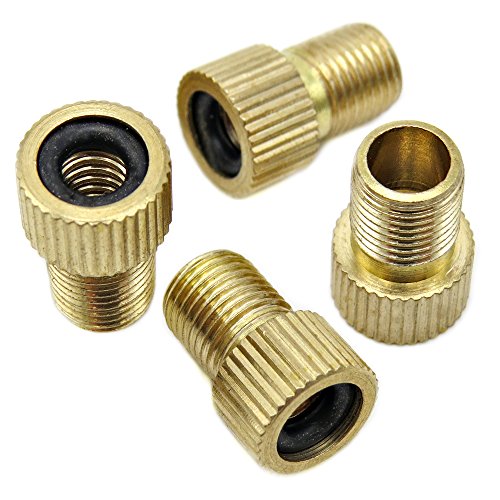
Effortless Conversion: Easily convert Presta valves to Schrader valves for universal compatibility with standard pumps and air compressors.

Material: This Presta valve adapter is crafted from high-quality solid brass for durability and strength. It features precision threads for a secure connection to the air pump and a rubber O-ring for a tight, leak-proof seal.

Deep Rim Compatibility: Specifically designed for deep-section wheels up to 60 mm, ensuring effortless inflation access for aero, triathlon, or time trial setups.
Tubeless & Replaceable-Core Valves: Installation, Replacement, and Seals
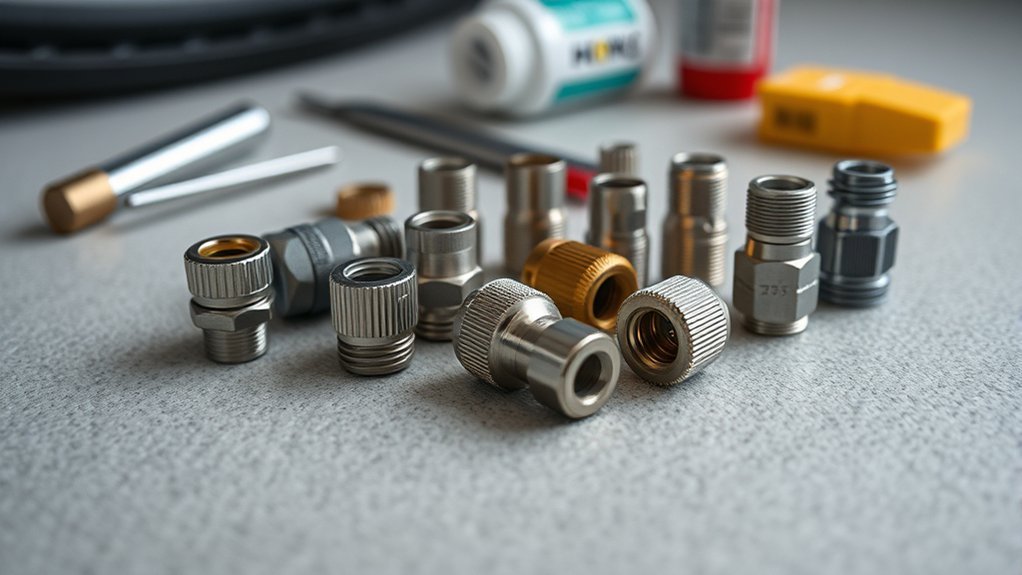
When you run tubeless tires, the valve isn’t just a pump port. It’s a primary air seal and service point. Correct installation and a reliable core matter. See [Canyon’s tubeless valve advice](https://www.canyon.com/en-nz/blog-content/advice/bike-valves-types-presta-schrader/b17092021.html) for more details.
Insert tubeless valves from inside the rim. Hand-thread the knurled ring and tighten until the wide rubber base sits secure. That seal prevents air leaks and preserves peak tire performance.
Many valves have removable cores so you can add sealant or swap clogged cores without changing the whole valve. Replaceable-core valves give you freedom to service punctures quickly and keep pressure where it belongs.
A properly seated tubeless valve is your airtight lifeline — secure the base, torque the ring, and ride worry-free.
- You’ll feel relief when a secure valve stops an annoying leak.
- You’ll gain confidence replacing a damaged core roadside.
- You’ll celebrate when sealant and removable cores neutralize small punctures.
Inspect the rubber base. Torque the knurled ring to rim specs. Replace failing valves promptly. Proper installation and timely core replacement are simple acts of liberation. Ride free, ride sealed.
[Products Worth Considering]

Package include: 20 pieces presta valve cores you will get in the bag, enough for your bicycle, you can also share them with your family and friends, they are good bicycle necessities

EXCELLENT AIR TIGHTNESS: Enhanced seal, triple-thread precision design outperforms industry leakage standards, our presta valve cores are engineered to provide exceptional air tightness, effectively preventing air leaks and maintaining optimal tire pressure.

【Package Include】1 x blue valve core removal tool, 1 x brass presta valve adaptor, 1 x presta valve core remover, 10 x presta valve cores, 10 x valve stem caps.
Everyday Valve Tasks & Troubleshooting: Pumping, Sealant, Cores, and Leaks
Tackle everyday valve tasks with a quick checklist mindset. Know your valve type. Prep the core for sealant or replacement. Verify seals before you ride.
When you inflate, remember Presta and Schrader valves behave differently. Unscrew the Presta knurled nut first. Schrader accepts a pump head directly.
If you run tubeless or use sealant, add it through a removable core when possible. Both valve types accept sealant. Reseat and tighten the core so the valve stays sealed and holding air.
For a tube in a Schrader valve, replace a clogged core rather than the whole tube if the core is serviceable.
If you detect air leaks, check valve bases and the rim bed for damage or poor sealing. A leaking base often mimics a puncture.
Regular maintenance means inspecting seals, checking valve torque, and verifying the check valve function. Do these simple steps and you’ll reduce roadside stops. You’ll reclaim control of your ride.
[Products Worth Considering]

Valve Core Removal Tool: Quickly and easily remove cores. Suitable for Tightening or removing valve cores on bicycles, cars, luggage and any other pneumatic tires.

A small, handy tool designed to remove and install Schrader and Presta valve cores

Valve Core Removal Tool: Quickly and easily remove cores. Suitable for Tightening or removing valve cores on bicycles, cars, luggage and any other pneumatic tires.
Frequently Asked Questions
What Are the 3 Main Bike Valve Types?
They’re Schrader, Presta, and Woods. You’ll learn valve compatibility issues, tire inflation techniques, valve maintenance tips, bike tire pressure, valve types explained, choosing the right valve, valve replacement guide, common valve problems, valve accessories overview, and understanding valve construction.
Are Presta Valves Better Than Schrader?
Like a scalpel slicing wind, you’ll often prefer Presta valve advantages for racing preferences and air pressure differences. Schrader valve usage aids bike tire compatibility. Follow valve maintenance tips and inflation techniques. Consider performance comparison, valve longevity factors, and mountain biking choices.
What Are the Different Types of Tire Valves?
You’ll find Presta, Schrader, Woods and Regina valves. Know valve compatibility issues, valve sealing mechanisms, tire inflation techniques, valve maintenance tips, valve replacement guide, valve performance comparison, racing tire valves, valve extension options and valve adaptors usage.
How Do You Tell if You Have a Presta or Schrader Valve?
Like spotting a skinny reed versus a stubby post, you check valve types. Presta’s slim with a knurled nut and smaller rim hole. Schrader’s wider with a removable core and spring valve. Use valve tools, maintenance techniques, repair methods, and compatibility tips.
Conclusion
Check your valve like you check your keys. It’s the small thing that keeps your ride moving. I once swapped a bent Schrader for a Presta on a rainy commute and shaved ten minutes off repairs. Small choices make big differences.
Know which valve fits your rim. Carry the right adapter. Keep a spare core and sealant. With these simple checks and a little practice, you’ll avoid roadside stops and ride with more confidence.







Leave a Reply