
Keep your tire inflator reliable with quick pre-use checks and simple upkeep: inspect power cord, pressure hose, connectors and fittings for cracks, frays or leaks; power it on to confirm the gauge and controls respond; wipe the unit down and tap or clean the air filter, letting removable filters dry completely; store it in a cool, dry place; and replace worn hoses, seals, or faulty gauges promptly. Follow a routine and you’ll reduce failures — continue for practical maintenance steps.
Quick Pre‑Use Checklist for Tire Inflators
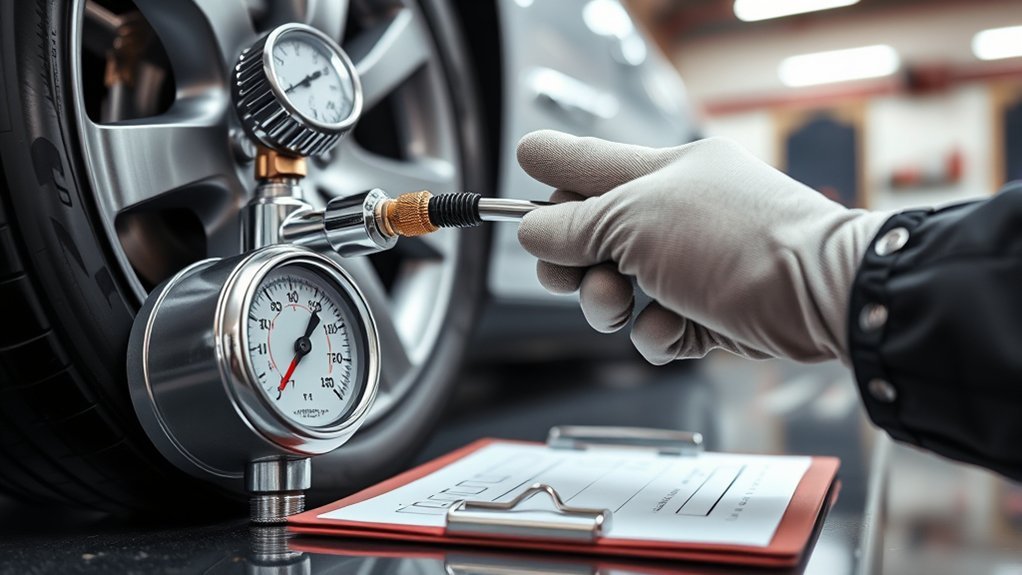
Before you start inflating, do a quick visual and functional check of the inflator: inspect the power cord and pressure hose for cracks or fraying, confirm connectors are clean and tight to prevent leaks, verify the unit powers on and the gauge reads accurately, and make certain the air hose has no kinks or blockages. You’ll perform a focused visual inspection for damaged parts—look at the power cord and pressure hose for cuts, exposed wires, or brittle sections. Clean connectors and fittings to eliminate air leaks; snug connections but don’t overtighten. Power the unit briefly to confirm it powers on and delivers stable pressure readings; compare with a known gauge if you can. Keep the air hose straight and free of obstructions before you connect to inflate tires. Follow the manufacturer’s guidelines for any model-specific checks. These steps guarantee safe operation, reduce failure risk, and keep you moving toward the freedom of reliable, independent tire care.
Identify Your Inflator Model & Maintenance Needs
Model identification lets you match maintenance to the exact inflator you own, since care needs differ between portable 12V units, corded compressors, and specialty models. First, note make, model number, and type so you can lookup maintenance requirements quickly. Your user manual is the authoritative source for cleaning intervals, lubrication points, and the recommended maintenance schedule that keeps your tire inflator delivering reliable performance.
Inspect the air hose, fittings, and connectors for signs of wear; replace cracked hoses or leaking fittings to prevent failure. Track power needs — portable 12V inflators demand different checks than mains-powered compressors (battery condition, fuses, or grounding). Record service dates and parts replaced to respect the recommended maintenance schedule and extend ideal lifespan. When replacements or factory service are required, match parts to the exact model to maintain specifications. Identifying your model and following targeted maintenance gives you dependable, liberating control over performance and safety.
Daily and Pre‑Use Checks to Ensure Safe Operation
When you’re about to use your inflator, do a quick visual and functional check: inspect the power cord and pressure hose for frays or cracks, make certain connectors are clean and tight to prevent leaks, power the unit on to verify the gauge and controls respond correctly, and confirm the device was stored in a cool, dry place to avoid moisture or heat damage. Before connecting to a tire, inspect power cord and hose again; loose or damaged wiring causes failures and safety risks. Attach clean connectors firmly, then run a functionality test to confirm the pump runs and the gauge gives accurate pressure readings. Always check the pressure against your vehicle’s specs and correct any deviation immediately. Monitor for signs of dirt buildup or unusual noise—these are early indicators of performance issues that require intervention. Incorporate these steps into your regular maintenance routine so your tire inflators stay reliable, efficient, and ready to free you from roadside delays.
Tire Inflator Cleaning, Drying, and Filter Care
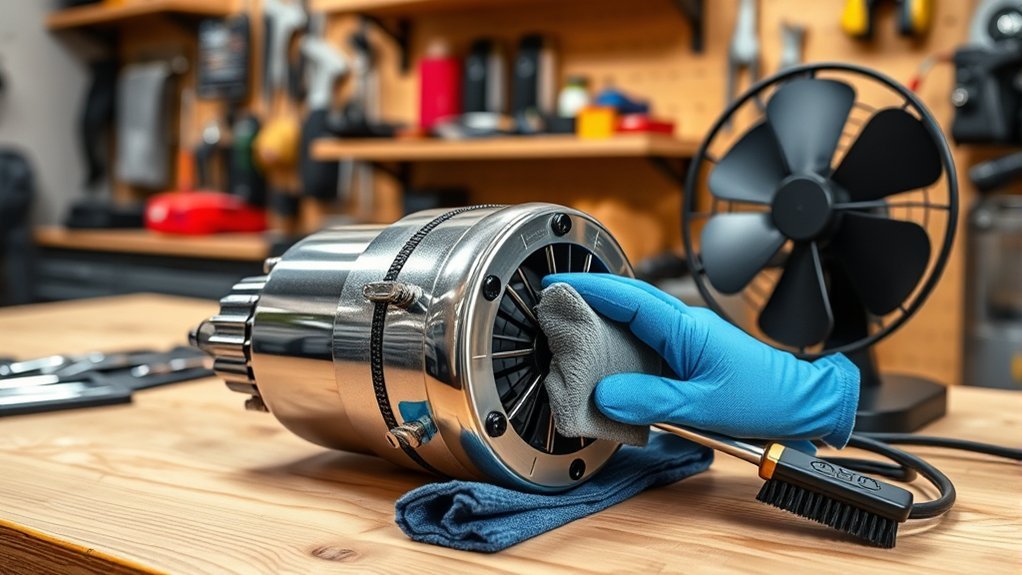
Although routine use can leave dust and grime on surfaces, you should wipe your tire inflator with a soft cloth after each session and avoid abrasive materials that could scratch or wear components. Keep cleaning focused and deliberate: remove visible debris, check seals, and inspect the air filter for buildup. Store the unit in a cool, dry place to minimize humidity exposure and prevent internal corrosion that undermines longevity and peak performance.
- Tap or blow loose debris from the air filter regularly to maintain airflow.
- If the filter is removable, wash gently with mild soap, rinse, and let it dry completely.
- Avoid solvents or abrasive pads that can harm surfaces and components.
Drying is critical: reinstall only fully dry filters to prevent moisture-induced corrosion or reduced performance. Your filter care routine liberates you from breakdowns—consistent, simple steps preserve the inflator’s function, extend service life, and keep it ready when you need reliable inflation.
[Products Worth Considering]

ADVANCED TRUEGAUGE SCREEN: This battery tire inflator includes updated sensor technology, capable of collecting pressure data from tire inflators at a frequency of 200 times per second. Its valid data rate is higher than 80%, which is 60% better than the market average. Wherever you go, accurate readings help you drive safely.

Please Note: This product must be powered by a 12V DC Cigarette Lighter to function properly, and ensure the vehicle is in a running state. And it equipped with a 9.8-foot cord, which can meet the usage needs of most regular-sized vehicles.

Accurate: Spurtar tire inflator air pressure gauges with rubber hose are performance-tested and calibrated to the ANSI B40.1 Grade B (2%) international accuracy standard. This device allows you to measure your tire pressure accurately and inflate your tires without the need to drive to a gas station or garage. Easily use the tire pressure gauge with an air pump or compressor to inflate your tires efficiently
Routine Mechanical & Electrical Maintenance and Gauge Calibration
Because electrical and mechanical faults can create safety risks and inaccurate readings, you should include routine inspections and basic tests in every maintenance session. For a tire inflator, regularly check the power cord and pressure hose for wear and tear—look for fraying, cracks, or kinks that cause performance issues. Verify all connections are clean and secure to prevent air leaks that undermine efficient operation. Power the unit and perform a functional inflation test periodically to confirm it starts reliably and the pressure gauge reports correctly. Use a trusted reference gauge to perform calibration; note discrepancies and adjust per the manufacturer’s instructions. Follow recommended lubrication points and scheduled electrical checks to sustain longevity and safe use. Keep a maintenance log noting dates, calibration offsets, and any corrective actions so you maintain autonomy over equipment readiness. Routine, disciplined maintenance preserves accuracy, prevents failures, and guarantees the inflator serves you without compromising safety or freedom of movement.
[Products Worth Considering]
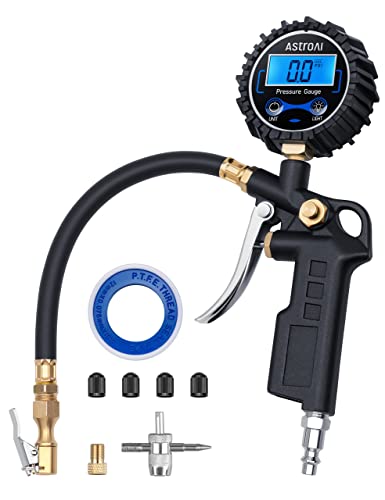
COMPATIBLE WITH both ¼” and ½” NPT air compressors outputs. COMPATIBLE WITH Standard Schrader Valves.
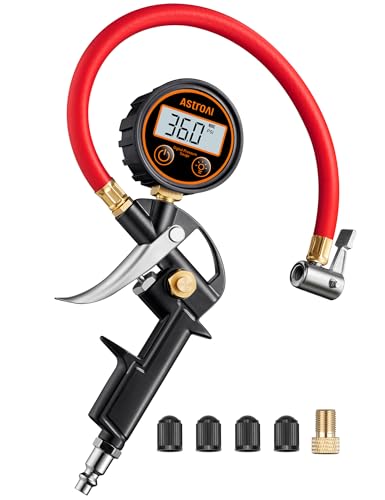
ACCURATE MEASUREMENTS: This heavy-duty tire pressure gauge with inflator is manually calibrated to ANSI B40.7 Grade 2A (± 1PSI). It can freely switch between 4 pressure units: PSI, BAR, KPA, and KG/CM².

【Accurate Digital Tire Gauge】The digital pressure gauge always returns a stable reading within 1% of the exact pressure of your tire by incredible 0.1 display resolution. No more guessing!
Troubleshoot Common Problems & When to Replace Parts
If your inflator is filling slowly, check the hose for kinks, blockages, or loose fittings that restrict airflow. Confirm the gauge is accurate and inspect for leaks that could mask true pressure and slow effective inflation. Replace cracked hoses, worn connectors, or a faulty gauge promptly to restore performance and avoid further damage.
[Products Worth Considering]
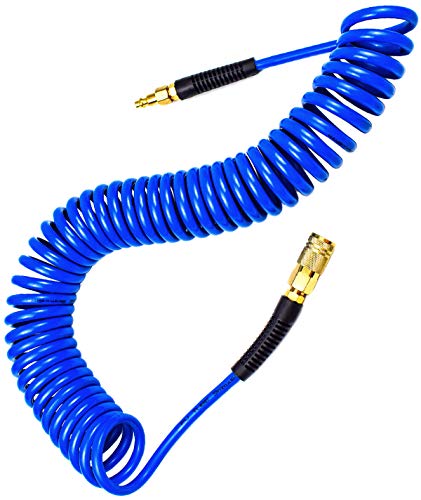
POLYURETHANE CONSTRUCTION: No tangles, anti kinking, abrasion resistance, durable and light weight.

HEAVY‑DUTY MATERIAL: Rubber hose with solid brass fittings resists corrosion and water ingress.

【PACKAGE INCLUDES】: You will receive 7pcs inflator hose set, including 1x 33''/84cm extend air pump hose, 1x Presta Valve Adaptor(American type to French type), 1x Ball Pump Needle Adaptor, 2x Tapered Nozzles, 2x Converting Nuts.
Diagnose Slow Inflation
When your inflator is filling tires slowly, start by checking the obvious airflow paths: inspect the hose for kinks, blockages, or leaks and make sure all fittings — especially the hose-to-valve connection — are tight and clean. You’ll diagnose issues methodically: inspect the air hose and secure connections, clean or replace the air filter, and check power source and cord condition so the compressor gets full voltage. Verify the pressure gauge reads correctly; recalibrate or swap it if readings drift. If you still get slow inflation, measure flow at the hose end to confirm reduced output before replacing parts. Maintenance is essential to keep you mobile and free—regular checks stop small faults from grounding you.
- Inspect hose and fittings
- Clean air filter
- Check power source and gauge
Replace Worn Components
Start by replacing visibly worn parts before they fail: inspect the hose for cracks, cuts, bulges, and degraded fittings, swap any damaged hose or connector, and fit a clean, tight coupling to prevent leaks. You’ll replace worn components proactively as part of regular maintenance to keep your tire inflator ready. Check connectors for tightness and cleanliness; replace loose or contaminated fittings to stop air leaks. If the unit won’t power on, verify the source and battery, then replace a frayed power cord. For slow inflation or odd pressure readings, recalibrate gauge or swap a faulty gauge to restore accurate tire inflation. Watch for overheating components during extended runs and replace them to protect performance and extend lifespan.
Frequently Asked Questions
How Do I Maintain My Air Compressor?
You maintain your air compressor by practicing Air compressor care: perform Regular inspections, follow Safety tips, use proper Lubrication techniques, schedule Filter replacement, do Pressure checks, manage Hose management, apply Noise reduction steps, use Storage solutions, and troubleshoot issues.
What Is the Most Reliable Tire Inflator?
Choose Etenwolf or Livowalny; they’re proven. You’ll evaluate tire inflator brands, inflator pressure settings, portable inflator features, inflator power sources, inflator durability ratings, inflator noise levels, inflator hose length, digital inflator displays, inflator safety tips, inflator warranty options.
What Are the Precautions and Recommendations Regarding Tire Maintenance?
You should monitor tire pressure monthly, set inflation frequency by load, perform visual inspections, check valves, measure tread depth, adapt for seasonal changes, practice proper storage, use leak detection, keep emergency supplies, and schedule tire rotation regularly.
How to Service a Portable Air Compressor?
“An ounce of prevention” — you’ll inspect hoses, troubleshoot air leaks, clean the air filter, change compressor oil, check pressure settings, maintain power cords, perform air compressor repairs, use portable compressor accessories, follow compressor safety guidelines and compressor storage techniques.
Conclusion
You’ve kept the inflator in shape; now picture it like a steady pulse in your garage — ready, precise, and silent when you need it. Follow the checklist, clean and dry the hose and filters, check fittings and electricals, and calibrate the gauge routinely. Those small, regular actions peel away uncertainty and prevent roadside drama. Stay methodical, replace worn parts promptly, and your inflator will deliver reliable pressures every time.







Leave a Reply