
A hot tire inflator cord is not a small nuisance. It often means the cord, plug, or power socket has too much resistance, damage, or current load. Unplug the inflator, let it cool, inspect every connection, and use the steps below before you plug it in again.
Quick Answer
If your tire inflator cord gets hot, unplug it right away and let the unit cool for 30 to 60 minutes. Check the plug, socket, cord, fuse, and vents before you use it again. If you see melting, discoloration, frayed wire, or repeated heat, stop using the inflator and replace or repair it.
Key Takeaways
- A hot cord often points to poor contact, overload, damaged wiring, or blocked airflow.
- You should unplug the inflator first, then inspect the cord only after it cools.
- You should match the inflator amp draw to the vehicle outlet or power source rating.
- You should stop using the unit if heat returns after a short, careful test.
Is the Inflator Cord Too Hot? How to Tell
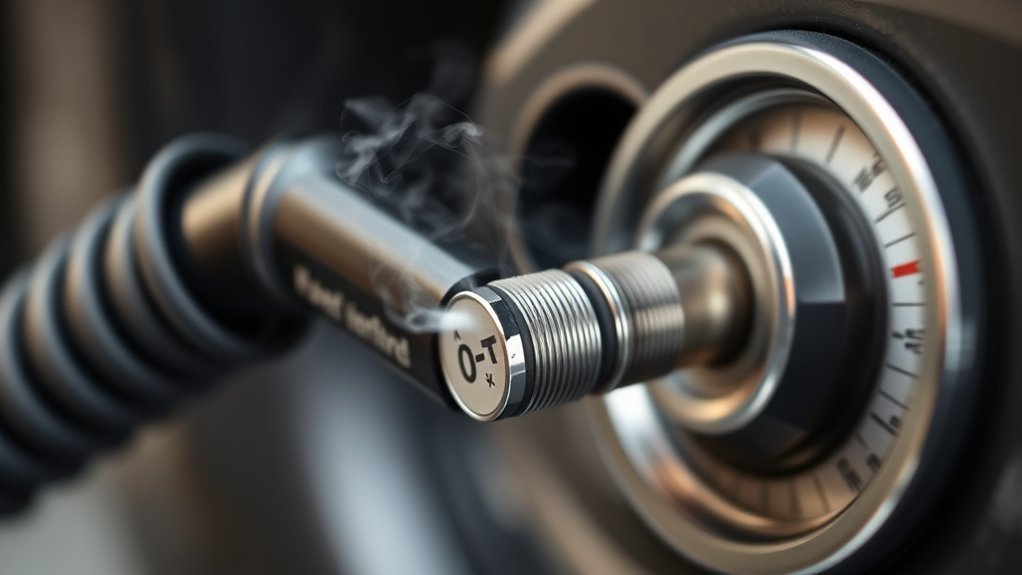
You can treat an inflator cord as too hot if you can’t hold it for more than a few seconds. Mild warmth near the plug can happen during use, but strong heat, a burning smell, or stiff insulation signals a safety problem.
Check for these warning signs before you plug it in again:
- Discoloration on the plug, socket, fuse, or cord jacket.
- Melted plastic, soft insulation, or a smoky smell.
- Loose plug fit inside the vehicle 12V outlet.
- Heat along the whole cable instead of only near the plug.
- Repeated shutoff, slow inflation, or a fuse that blows more than once.
According to the U.S. Consumer Product Safety Commission, damaged or overloaded cords can overheat and cause fires. The National Fire Protection Association also warns that cords can create fire risk when heat builds near materials that burn.
Immediate Safety Steps to Follow Now
If the inflator cord feels hot, unplug it immediately. Move the unit to a well-ventilated area and let it cool for 30 to 60 minutes. Don’t test it again while the plug, socket, or cable still feels hot.
While it cools, inspect the plug and power socket for loose connections, corrosion, melted plastic, or dark marks. Check intake and exhaust ports for dirt or debris, since blocked airflow makes the motor work harder.
Warning: Stop using the inflator if you see melted plastic, exposed wire, smoke, sparks, or heat that returns after cooling.
If the inflator looks safe after cooling, restart it only for a short test. Run it for a few minutes, watch the cord, and stop again if the heat returns. These steps help you reduce fire risk before small damage turns into a bigger failure.
Common Causes of a Hot Tire Inflator Cord
A hot cord usually starts with resistance, overload, or poor cooling. Poor electrical connections, such as loose plugs, corroded contacts, or frayed wires, force current through a smaller contact area. That extra resistance creates heat.
Extended operation also raises cord and motor temperature. Many portable tire inflators have a duty cycle, which means they need rest time after a set run time. Some manuals tell you to cool the unit for at least 10 to 15 minutes after continuous use.
A power mismatch can also create heat. If the inflator draws more current than the vehicle outlet can supply, the cord, plug, socket, or fuse may overheat. VIAIR, for example, lists maximum amp draw on its portable compressor specs and tells users to check the vehicle power port rating before ordering some models.
Hot weather and blocked vents can make the problem worse. Keep the inflator on a hard open surface, not under luggage, blankets, or a floor mat. Clean the contacts, respect the duty cycle, and inspect the cord before each long trip.
How to Troubleshoot a Hot Inflator Cord
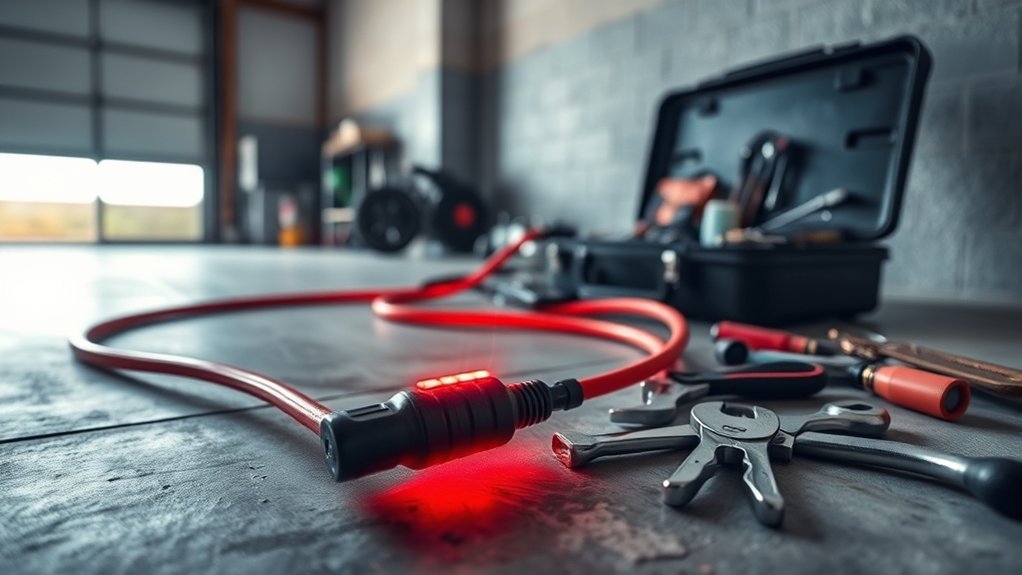
Start with the easiest checks before you assume the inflator has failed. Each step helps you find whether the heat comes from the cord, plug, socket, or motor.
- Unplug the inflator: Let the cord, plug, and unit cool fully before you touch or inspect them.
- Inspect the cable: Look for cuts, frays, pinched spots, exposed copper, or soft insulation.
- Check the plug fit: Push the plug in firmly. A loose fit can arc, heat up, and damage the socket.
- Check the outlet rating: Compare the inflator’s amp draw with your vehicle outlet or fused power source.
- Clean light corrosion: Wipe the plug contacts only when the unit has no power connected.
- Clear the vents: Remove dust and debris from intake and exhaust openings.
- Use short runs: Run the inflator for about 10 minutes or less unless your manual allows longer use.
If only the plug warms slightly, the socket fit or contact surface may cause the issue. If the whole cable heats up, stop using the unit. Heat along the cable points to overload, internal damage, or a cord that can’t safely carry the current.
When to Stop Using, Repair, or Replace the Inflator
Stop using the inflator as soon as the cord feels excessively hot. Unplug it, inspect the cord, and don’t keep testing it to “see what happens.” Repeated heat can damage insulation and raise fire risk.
- Handle only simple checks yourself: Clean contacts, remove vent debris, and confirm the power rating. Don’t patch a damaged power cord with tape.
- Use manufacturer-spec parts: Replace damaged plugs, fuses, or leads only with parts that match the maker’s rating.
- Call a qualified technician: Get help if the unit has internal wiring damage, thermal cutout issues, or motor problems.
- Replace the unit: Choose replacement when heat keeps returning, parts cost too much, or the cord shows melting or exposed wire.
You should also avoid undersized extension cords or cheap 12V adapters. The U.S. Fire Administration warns that extension cords can overheat and start fires in unsafe use. A tire inflator may look small, but it can still pull heavy current while it works.
Frequently Asked Questions
Why does my portable tire inflator get hot?
Your portable inflator gets hot because the motor works hard while it compresses air. Long run time, blocked vents, poor plug contact, or an overloaded outlet can make the heat worse.
Why does my air compressor hose get hot?
The hose can heat up because compressed air and nearby motor parts get warm during use. If the hose becomes too hot to touch, stop the inflator, let it cool, and check the manual before you use it again.
Why does my portable tire inflator keep shutting off?
Your inflator may shut off because it overheats, reaches the preset pressure, draws weak power, or triggers a safety cutout. Check the power source, duty cycle, preset pressure, and airflow before you restart it.
Can extreme heat cause the tire pressure light to come on?
Heat usually raises tire pressure, while cold weather lowers it. Most tire pressure monitoring system warnings alert you to low pressure or a system fault, so check each tire cold with a gauge and inspect for leaks.
Can I use an extension cord with a tire inflator?
You should avoid an extension cord unless the inflator manual allows it and the cord matches the required amp rating. A cord that feels warm, looks damaged, or runs under a mat or carpet creates a safety risk.
Electrical Safety Disclaimer: This article is for informational purposes only and does not replace help from a qualified electrician, mechanic, or product technician. Stop using damaged electrical equipment and get professional help if you see smoke, sparks, melted plastic, exposed wiring, or repeated overheating.
Conclusion
A hot tire inflator cord means you should stop, unplug, cool, and inspect before you continue. Start with the plug, socket, cord, vents, power rating, and duty cycle. If heat returns or you see damage, repair it with proper parts or replace the inflator. A few careful checks can protect your vehicle, your gear, and your safety on the road.
References
- Household Extension Cords Can Cause Fires — U.S. Consumer Product Safety Commission, 2024
- Electrical Safety in the Home — National Fire Protection Association
- Appliance and Electrical Fire Safety — U.S. Fire Administration
- AstroAI Tire Inflator User Manual — AstroAI, 2024
- Every Vehicle Carry 75P Portable Compressor Specifications — VIAIR Corp.
- Federal Motor Vehicle Safety Standards: Tire Pressure Monitoring Systems — Federal Register and NHTSA, 2005
- Understanding Tire Pressure and Temperature Change — AAA, 2025

1 thought on “Tire Inflator Cord Getting Hot: Safety Risks and Troubleshooting”