How Often Should You Check Tire Pressure?
A small tire-pressure drop can raise wear, hurt fuel use, and make your car harder to control. You can avoid most pressure-related problems with a simple routine that takes only a few minutes. This guide shows you when to check your tires, how to get an accurate reading, and when to ask a tire shop for help.
Quick Answer
Check your tire pressure at least once a month, before long trips, and before you carry heavy loads. Check more often during cold snaps because tire pressure can drop as temperatures fall. Always measure when tires are cold and inflate them to the manufacturer’s recommended PSI on the door label or in your owner’s manual.
Key Takeaways
- Check all tires, including the spare, at least once a month when they are cold.
- Use the PSI listed on your vehicle’s door label or owner’s manual, not the tire sidewall.
- Check weekly during cold snaps, heavy hauling, off-road driving, or frequent highway trips.
- Use your Tire Pressure Monitoring System (TPMS) as a warning, not as your only check.
- Ask a tire shop for help if one tire keeps losing pressure or shows cracks, bulges, or punctures.
How Often Should You Check Tire Pressure?
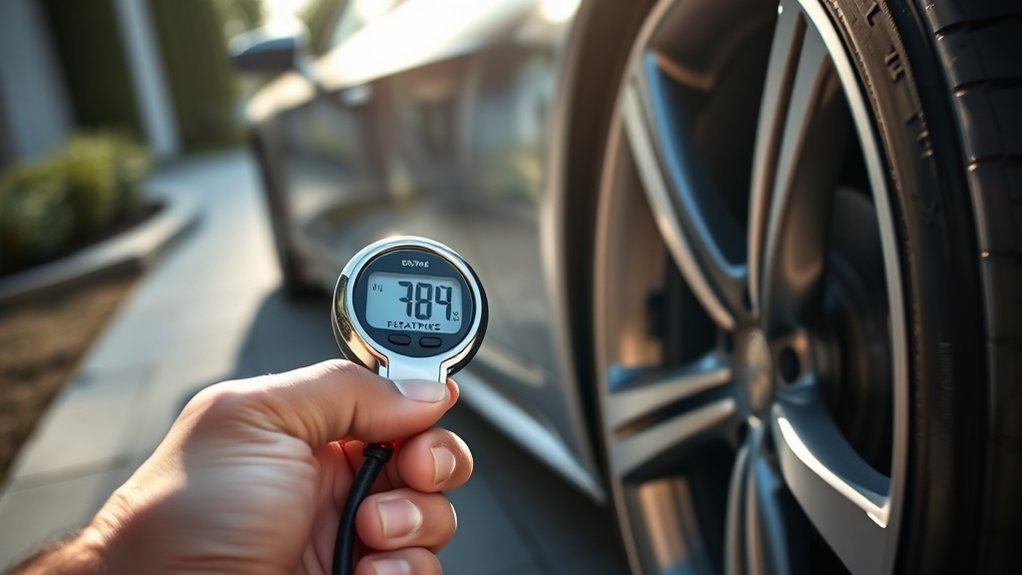
According to the National Highway Traffic Safety Administration (NHTSA), you should check the pressure of all tires, including the spare, at least once a month when the tires are cold. NHTSA defines cold tires as tires that have not been driven for at least three hours.
Tires can naturally lose air over time. Tire Rack notes that tire pressure can go down by about 1 pound per square inch (PSI) each month under normal conditions. That slow loss makes a monthly check a smart baseline, even when your tires look fine.
Use a reliable tire-pressure gauge and compare each reading with the manufacturer’s recommended PSI. You can find that number on the driver-side door label or in your owner’s manual. Do not use the maximum PSI printed on the tire sidewall as your target.
If your vehicle has a Tire Pressure Monitoring System (TPMS), treat it as an alert layer only. NHTSA says TPMS is not a substitute for regular tire maintenance because it often warns only after a tire becomes significantly underinflated.
How Often Should You Check Tire Pressure in Winter and Summer?
Temperature changes can shift tire pressure fast. AAA says tire pressure can change about 1 to 2 PSI for every 10°F temperature shift. Cold weather lowers pressure, while warmer weather can raise readings.
During cold snaps, check your tire pressure weekly until the weather stabilizes. Do not wait for the TPMS light, because your tires may already be below the correct pressure by the time it turns on.
In warmer weather, keep the monthly check routine. Heat from driving can raise tire pressure for a short time, so measure before you drive or after the car has sat for at least three hours.
Use the same method each time:
- Check tires cold before driving.
- Use the PSI on the vehicle placard or owner’s manual.
- Record each tire’s reading.
- Recheck after major temperature swings.
When Heavy Loads or Driving Habits Mean More Checks
Your driving pattern should guide your tire-pressure routine. Check more often if you haul heavy loads, tow a trailer, drive off-road, or make frequent long highway trips.
Heavy loads make tires flex more, which can build heat and increase wear. Check pressure before and after a heavy trip, especially if your vehicle feels loose, rough, or unstable.
Off-road driving can also change pressure needs. Some drivers air down for traction on trails, but you should reinflate to the correct road pressure before highway driving.
Performance cars need tighter pressure control because small changes can affect steering, braking, and tire wear. Check before spirited driving and follow your vehicle or tire maker’s guidance.
For fleets, work vehicles, and heavily used cars, weekly or every-other-week checks make sense. Match the schedule to how hard you use the vehicle, not only to the calendar.
How to Check Tire Pressure the Right Way
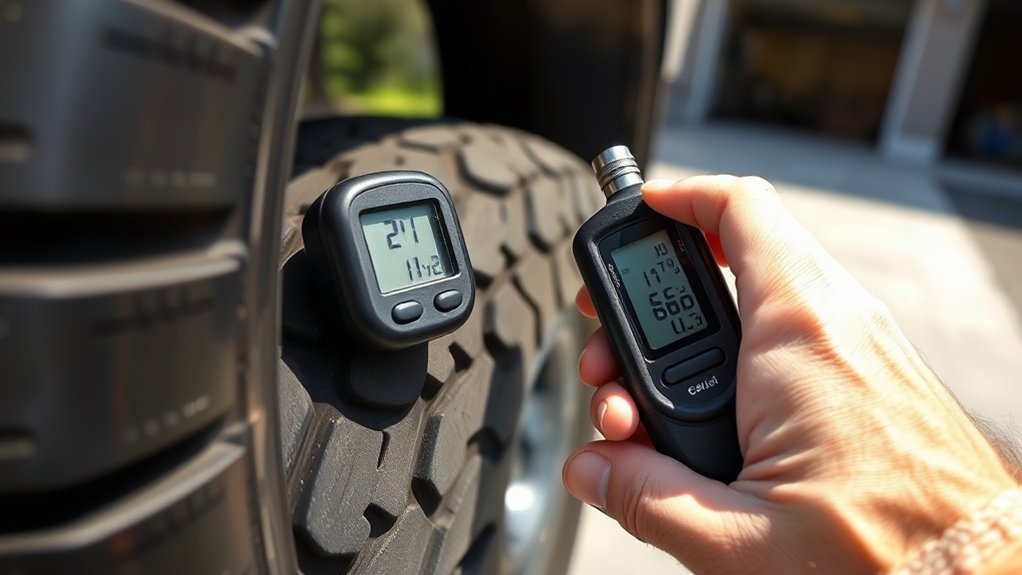
You get the best reading when your tires are cold. Park for at least three hours, then check each tire with a digital, dial, or pencil gauge.
Remove the valve cap, press the gauge straight onto the valve stem, and read the number. Compare that number with the recommended tire pressure from your door label or owner’s manual.
| When to check | Tool | Target source |
|---|---|---|
| Monthly for normal use | Digital, dial, or pencil gauge | Driver-side door label |
| Weekly during cold snaps | Reliable tire-pressure gauge | Owner’s manual |
| Before long trips or heavy loads | Cold-tire reading | Recommended tire PSI |
Check every tire, including the spare if your vehicle has one. Add air if the tire reads low. Release air slowly if the tire reads high, then check again.
Replace the valve caps after you finish. This small step helps keep dirt and moisture away from the valve stem.
How to Fix Low or High Tire Pressure
If a tire reads low, add air until it reaches the manufacturer’s recommended PSI. If it reads high, press the valve stem gently to release small amounts of air, then recheck.
Warning: Do not ignore a tire that keeps losing pressure, because a puncture, valve leak, rim issue, or tire damage may need repair.
Top tires to the manufacturer’s cold PSI, bleed high pressure slowly, and recheck monthly to reduce wear, fuel waste, and blowout risk.
- Use a handheld gauge or service-station gauge for quick readings.
- Recheck pressure when tires are cold after any roadside fill-up.
- Inspect the tire for nails, cuts, cracks, bulges, or damaged valve stems.
- If a warning light stays on after adjustment, check for leaks or a TPMS sensor problem.
- If you use Zimbrick in Madison, Middleton, or Sun Prairie, check the location’s service page or call first to confirm tire-service availability.
Ask a tire shop for help if one tire loses pressure faster than the others. You should also get help after a hard curb hit, pothole impact, puncture, vibration, or visible sidewall damage.
Frequently Asked Questions
How Long Does Air Last in Tires?
Air can stay in a tire for months, but pressure still drops over time. A tire may lose about 1 PSI per month through normal permeation, so you should not wait until the tire looks low.
What Is the 3% Tire Rule?
The 3% tire rule is a rough habit some drivers use to decide when a pressure change needs attention. Treat it as a reminder only, not as a safety standard. Your best target is still the manufacturer’s recommended cold PSI.
How Often Do Tires Lose Pressure?
Tires can lose pressure slowly each month, even without a visible leak. Temperature swings, tire age, valve issues, small punctures, and rim damage can make the loss faster.
How Often Should a Driver Check Tire Pressure?
A driver should check tire pressure at least once a month and before long trips. Check more often during cold snaps, heavy hauling, off-road driving, or frequent high-speed travel.
Should You Fill Tires When They Are Hot?
Try to check and adjust tires when they are cold. If you must add air while tires are hot, recheck them later when they cool so you can set the correct cold pressure.
Safety Disclaimer: This article is for informational purposes only and does not replace professional vehicle or tire service. Always follow your vehicle owner’s manual and consult a qualified tire technician if you notice leaks, damage, warning lights, vibration, or handling problems.
Conclusion
A steady tire-pressure routine helps you protect your tires, fuel use, and road safety. Check once a month, before long trips, and more often when cold weather or heavy loads put extra stress on your tires.
Use a reliable gauge when tires are cold, follow the PSI on your vehicle placard, and fix low or high readings right away. If one tire keeps losing air or shows damage, let a tire professional inspect it. A few minutes of care now can help you avoid a risky roadside problem later.
References
- Tire Safety Ratings and Awareness: TireWise, National Highway Traffic Safety Administration, 2026.
- Understanding Tire Pressure and Temperature Change, AAA, 2025.
- How Much Does Tire Air Pressure Change Over Time?, Tire Rack, accessed 2026.
- Schedule a Service Appointment, Zimbrick Automotive, 2026.