

Key Takeaways
- Presta (Skinny/Metal): Best for road, gravel, and tubeless setups. Requires a smaller rim hole and handles high pressure well.
- Schrader (Thick/Rubber): Standard on cars and casual bikes. Robust, universally compatible with gas station pumps, and easy to use.
- Compatibility: You cannot put a Schrader valve in a Presta rim (hole is too small). You can put a Presta in a Schrader rim, but use a grommet to prevent rattling/tearing.
- Tools: Most modern bike pumps fit both. Carry a simple adapter to use gas station air on Presta valves.
Choosing the right inner tube means knowing your valves. Presta valves are the standard for high-pressure road tires, lightweight rims, and modern tubeless setups because they are slimmer and require a smaller rim hole. Schrader valves are the go-to for casual bikes, offering robust durability and compatibility with service-station air pumps. While pumps now often fit both, knowing how to maintain your specific valve type ensures you are never stranded with a flat.
Presta and Schrader Valves Explained

Valves control how air enters and exits your tire. Presta and Schrader are the two dominant standards you will encounter:
- Presta valves (SV/French): These are taller, slimmer (6mm diameter), and made of metal. They are favored for high-end bikes and tubeless systems because the narrower hole preserves rim structural integrity. They feature a built-in locknut at the top that must be unscrewed to inflate.
- Schrader valves (AV/American): These are wider (8mm diameter), shorter, and typically rubber-wrapped. Identical to car tire valves, they use a spring-loaded check valve pin. They are robust and fit lower-pressure setups like mountain bikes (older models), BMX, and city cruisers.
While you can use adapters to convert a Presta valve to accept a Schrader pump (useful for gas stations), your bike’s rim usually dictates which valve you must use. Putting a thick Schrader valve into a narrow Presta hole is impossible without drilling (which weakens the rim).
How Presta and Schrader Differ (Shape, Parts, Pressure)
Beyond the visual differences, the mechanics of these valves affect how you ride and maintain them.
Presta valves are tapered and use air pressure to seal themselves. The removable valve core (common on quality versions) allows you to add tubeless sealant or replace a sticky core without tossing the whole tube. They excel at holding pressures upwards of 80–125 PSI.
Schrader valves rely on a mechanical spring to keep the valve closed. While very reliable, they require the pump center pin to depress the valve spring to allow air in. Standard Schrader cores are removable (with a dedicated tool), but they are rarely serviced on casual bikes compared to Presta cores.
| Feature | Presta (High Performance) | Schrader (Universal/Robust) |
|---|---|---|
| Shape & Design | Tall, slim (6mm), metal threaded body | Short, wide (8mm), often rubberized |
| Rim Hole | Small (Requires less drilling) | Large (Standard automotive size) |
| Maintenance | Locknut must be unscrewed; cores easily swapped | Spring-loaded; cores removable but low maintenance |
| Pump Fit | Bike-specific pumps | Gas stations & car pumps |
Quick Answer: Which Valve Should You Choose?
Stick to what your rims are drilled for.
- Choose Presta if you ride road, gravel, or high-end mountain bikes. The valve allows for high-performance aerodynamic rims and works seamlessly with tubeless sealant systems.
- Choose Schrader if you value simplicity and want to be able to fill up at any gas station without an adapter. It is the best choice for utility bikes, kids’ bikes, and older mountain bikes.
Note: If you have a Presta rim, you MUST use a Presta valve. If you have a Schrader rim, you can use a Presta valve if you use a “rim nut” or grommet to fill the gap, but sticking to Schrader is usually better.
[Products Worth Considering]

Mold cured rubber for consistent side wall–prevents high pressure blow outs

Valve Lenght: 42mm Presta Valve – Suitable for Rims with a Presta Valve Drill Hole and Rimdepth of 30mm (1 3/16″) or Less

Bell Self-Sealing Bicycle Inner Tube, 26"x 1.75-2.25", Schrader Valve
Which Valve Fits Which Bike and Riding Style
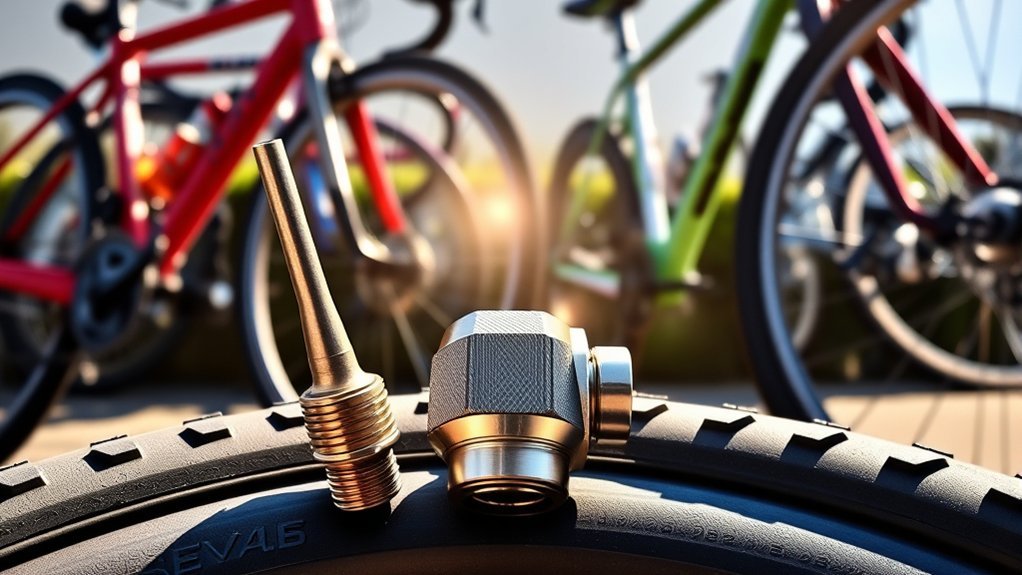
[Products Worth Considering]

Super Light & Anti-rust: Made of lightweight anodized aluminum, our tubeless presta valve stem is not only lightweight but also anti-rust.

Package include: 20 pieces presta valve cores you will get in the bag, enough for your bicycle, you can also share them with your family and friends, they are good bicycle necessities
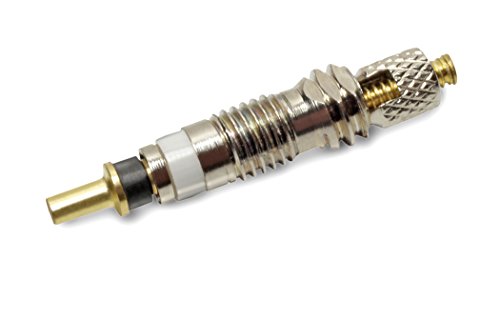
DURABLE AND STURDY: These valve cores are made of quality copper and nickel.
Road And Gravel Use
For road and gravel riding, Presta is the king. High-performance wheels often have deep aerodynamic sections that require long valve stems (60mm or 80mm), which are exclusively available in Presta. Furthermore, gravel riders using tubeless setups need to remove valve cores frequently to inject sealant, a process designed into modern Presta valves.
City And Commuter
For urban environments, Schrader offers freedom. If you commute, being able to top up your tires at a petrol station air compressor is a massive convenience. Schrader valves are also tougher; the external valve stem is usually robust enough to handle rough locking mechanisms or getting knocked against bike racks.
Pumps and Compressors
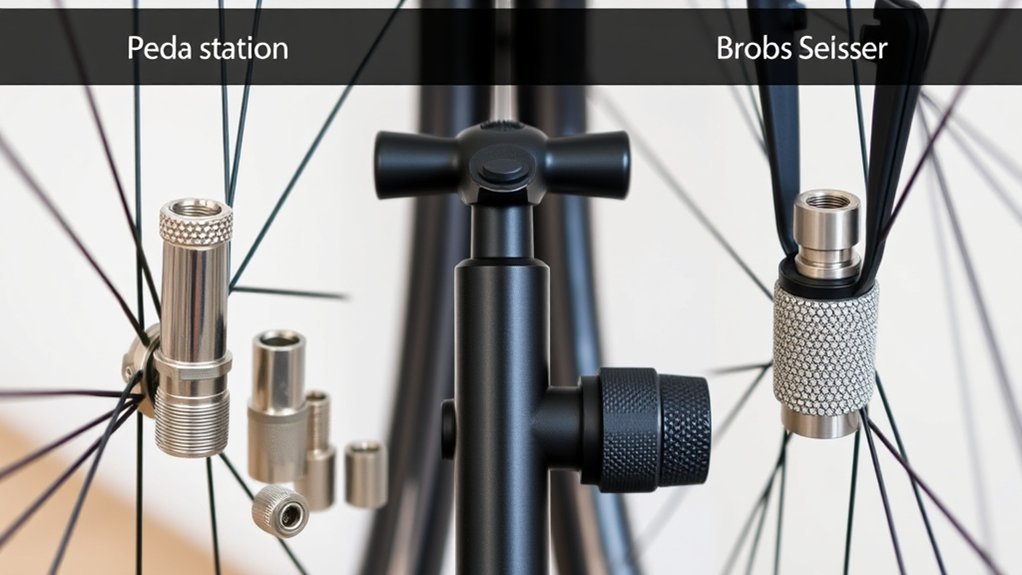
Most modern floor pumps feature a “Dual Head” or a swappable internal gasket that fits both standards. However, portable setups require attention.
[Products Worth Considering]

COMFORTABLE HANDLE because of ergonomically designed air pump for bike handle.
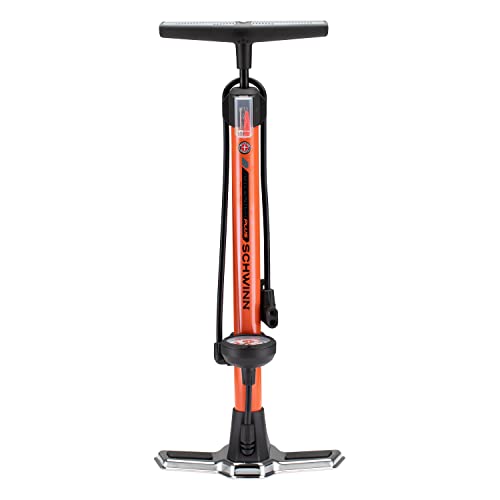
MANUAL AIR PUMP: Keep your bike ready for the trails with the Schwinn Air Center Plus Floor Pump. The universal fit dual head works with both Schrader and Presta valves, and uses a red/green color indicator to show when you're ready to inflate.

PRECISION PRESSURE GAUGE: Maximum 160 PSI GOBKO bike floor pump with mechanical gauge. The pressure gauge features a copper movement and provides highly accurate, easy to read pressure values
Pump Head Compatibility
- Twin Ports: The pump head has two distinct holes—one for Presta, one for Schrader.
- Smart Heads: A single hole that automatically detects the valve type and adjusts (common on high-end pumps).
- Swappable Internals: You have to unscrew the cap and flip the rubber gasket inside. This is common on budget mini-pumps.
Using Air Compressors
Gas station compressors are exclusively Schrader. To use them with a Presta bike, you need a Presta-to-Schrader adapter (a small brass fitting). Screw the adapter onto your open Presta valve, then apply the compressor nozzle. Caution: Compressors deliver air very fast. Bursting a bicycle tire is easy if you aren’t careful—use short bursts.
Valve Adaptors And Extenders
Adapters are cheap and essential. Keep one screwed onto a valve stem on your bike so you always have it.
Extenders are for deep-section carbon rims where a standard 48mm valve barely pokes out. These screw into the core threads to give you extra length for your pump head to grab.
How to Inflate, Deflate, and Troubleshoot Presta Valves
- Unscrew the Locknut: Turn the tiny knurled nut at the very top of the valve counter-clockwise until it stops.
- “Burp” the Valve: Tap the top of the nut with your finger to release a quick hiss of air. This breaks the seal and ensures the valve isn’t stuck.
- Inflate: Attach the pump head gently (don’t bend the tip!) and lock it. Pump to target PSI.
- Close: Remove pump and tighten the locknut finger-tight.
Troubleshooting: If air leaks out immediately after pumping, your valve core might be loose. Use a valve core tool (or small pliers) to gently tighten the core into the stem.
How to Inflate, Deflate, and Troubleshoot Schrader Valves
Schrader is plug-and-play. Remove the plastic dust cap, press the pump head on firmly, and lock the lever. If the pump won’t register pressure, the pin inside the pump head likely isn’t depressing the pin in the valve center.
To Deflate: Use a key, fingernail, or the protrusion on the pump cap to press the center pin down.
Decision Checklist
Before your next ride, ensure you have the following:
- The Right Tube: Check your old tube or rim spec. Don’t guess.
- The Adapter: A Presta-to-Schrader adapter costs under $2 and saves you in emergencies.
- The Pump: Verify your mini-pump is set up for your valve type before you get a flat on the road.
For a detailed visual guide on valve maintenance, reliable sources like Park Tool’s Repair Help offer excellent step-by-step videos.
Frequently Asked Questions
Are Presta and Schrader Valves Interchangeable?
Generally, no. A Schrader valve will not fit through a Presta rim hole. A Presta valve fits loosely in a Schrader rim, which can cause the valve to rip off at the base unless you use a specific adapter nut.
Do Presta to Schrader Adapters Work?
Yes, they work perfectly. They are simple brass fittings that allow a standard car pump to grab onto the thinner Presta threads.
Can I Inflate a Presta Valve With a Schrader Pump?
Only if you use an adapter. Without an adapter, the Schrader pump head cannot seal onto the Presta valve or depress the locknut mechanism.
Why do road bikes use Presta?
Road bike rims are narrow. A larger Schrader hole would remove too much material from the rim bed, weakening the wheel. Presta’s slimmer profile leaves more rim material intact.
Conclusion
Presta offers high-pressure finesse for speed and tubeless tech, while Schrader provides rugged ease for commuting. Don’t overthink it: pick the valve that matches your rim. If you run Presta, carry that tiny brass adapter—it is the universal passport that ensures you can get air anywhere, from a pro bike shop to a rural gas station.







Leave a Reply