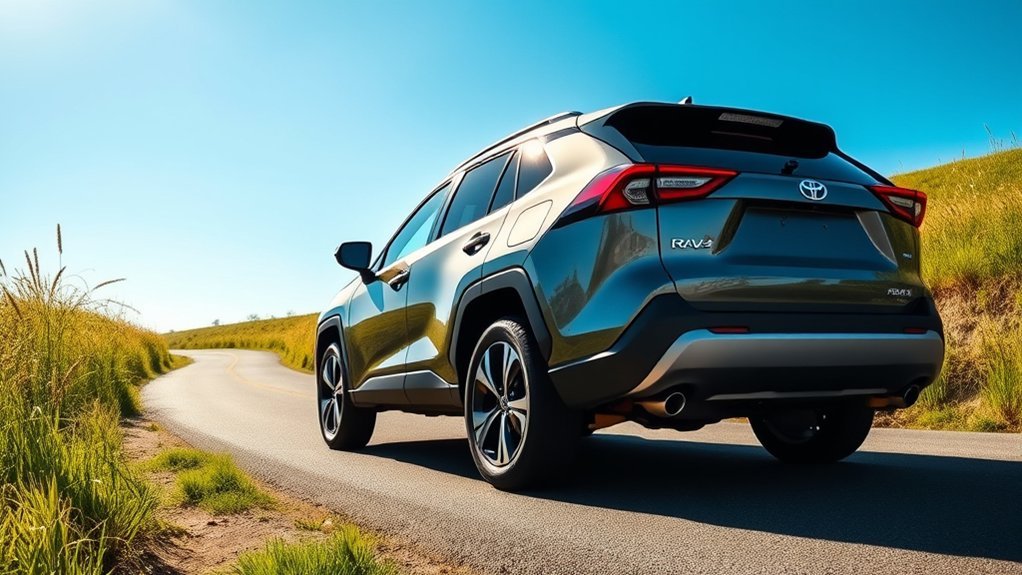
Your Toyota RAV4 Hybrid can use less fuel when you drive it with a light foot and plan each trip with care. Small habits, like easing into acceleration, coasting early, and keeping tires properly inflated, often make the biggest difference. Use the tips below to help your RAV4 Hybrid stay efficient in city traffic, on highways, and during colder months.
Quick Answer
To maximize MPG in your Toyota RAV4 Hybrid, accelerate gently, brake early, use Eco mode, and keep up with basic maintenance. You can also improve fuel economy by reducing extra weight, limiting drag, checking tire pressure, and planning smoother routes.
Key Takeaways
- Drive smoothly to help the hybrid system use electric power more often.
- Use Eco mode during daily driving to soften throttle response and reduce energy use.
- Keep tire pressure, oil changes, and air filters on schedule to protect fuel economy.
- Remove extra cargo and unused roof racks to reduce weight and drag.
- Plan routes with fewer stops, heavy traffic, and steep hills when possible.
Understanding Your Toyota RAV4 Hybrid’s Fuel Economy
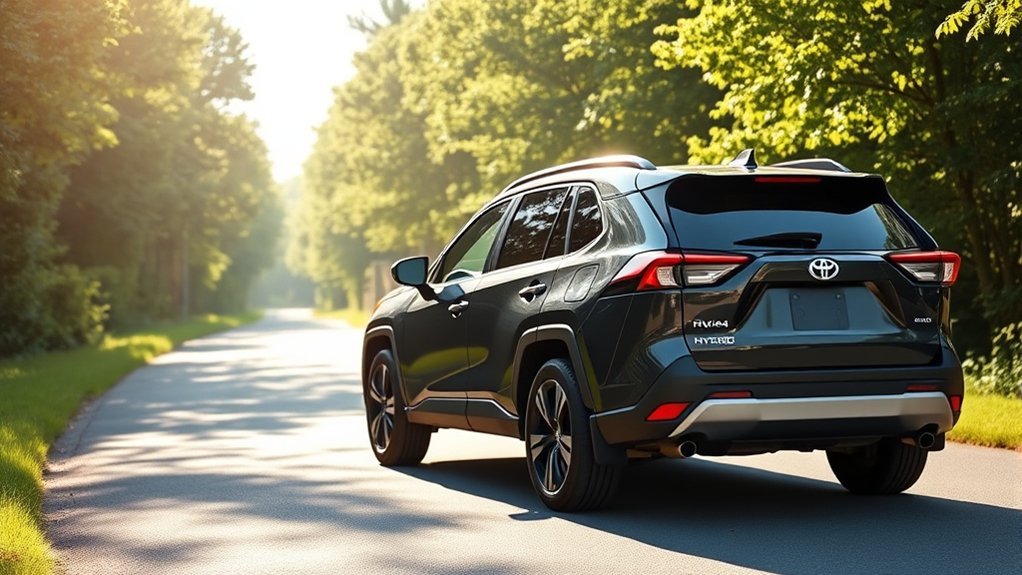
When you drive a Toyota RAV4 Hybrid, your habits can affect fuel economy as much as road conditions do. Many RAV4 Hybrid models carry an EPA-estimated combined rating near 40 MPG, though your real-world mileage can vary by trim, speed, weather, tires, and driving style.
The hybrid system can use electric power at low speeds, especially in slow traffic and gentle city driving. Eco mode can also help by smoothing throttle response and reducing some climate control demand.
Regular maintenance matters, too. Proper tire pressure, clean oil, fresh filters, and a healthy hybrid battery all help the system work with less waste.
How Gentle Acceleration and Braking Improve Fuel Efficiency
Gentle acceleration and braking can boost your RAV4 Hybrid’s fuel efficiency. Smooth starts help the vehicle stay in electric drive more often, while gradual braking gives the regenerative braking system more time to recover energy.
Smooth Acceleration Techniques
Smooth acceleration helps your RAV4 Hybrid use electric power more efficiently. Press the accelerator lightly from a stop, then build speed in a steady way instead of surging forward.
Rapid acceleration uses more fuel because the gasoline engine must work harder. On open roads, a steady speed also helps reduce wasted energy.
You can also use a gentle pulse-and-glide approach in light traffic. Ease up to speed, lift your foot slightly, and let the vehicle glide while you maintain momentum.
Gradual Braking Benefits
Gradual braking helps your RAV4 Hybrid recover more energy through regenerative braking. The system captures some energy during deceleration and sends it back to the hybrid battery.
Coast toward red lights, stopped traffic, and turns whenever you can do so safely. This habit reduces hard stops and lowers the need for heavy acceleration after each stop.
Smoother braking can also reduce wear on brake pads and tires. That means better efficiency and lower long-term maintenance costs.
Maintaining Steady Speed
Maintaining a steady speed helps your Toyota RAV4 Hybrid use fuel more efficiently. Frequent speed changes force the engine and battery to work harder than needed.
Use cruise control on clear highways when traffic and weather allow it. Avoid cruise control on slick roads, steep hills, or heavy traffic where you need more direct control.
Look ahead, leave enough space, and avoid sudden throttle changes. These small choices help the hybrid system keep energy use smooth.
Pro tip: Watch the hybrid energy display for a few trips to see how your throttle and braking habits affect electric driving.
Maximizing EV Mode for Fuel Efficiency
EV mode can help in the right setting, but it works best for short, low-speed driving. Your RAV4 Hybrid’s computer will decide when electric-only driving makes sense based on battery charge, speed, temperature, and power demand.
Understanding EV Mode Limitations
EV mode in the Toyota RAV4 Hybrid can support short electric-only driving in certain low-speed conditions. It works best for parking lots, slow neighborhood streets, and brief stop-and-go movement.
Do not force EV mode for every trip. The hybrid system often delivers better overall efficiency when it can switch between electric power and the gas engine on its own.
If the battery charge drops or you press the accelerator too hard, the gas engine may start. That behavior is normal and helps protect performance.
Effective Battery Usage Tips
You can help the hybrid battery work efficiently by using light, steady inputs. Smooth driving gives the system more chances to stay in electric drive at low speeds.
- Accelerate gently to reduce sudden engine demand.
- Use EV mode only for short, low-speed situations.
- Coast early when traffic allows safe deceleration.
- Monitor the hybrid display to learn which habits waste energy.
Optimal Conditions for Engagement
EV mode works best at low speeds with a charged battery and light throttle input. City streets, parking areas, and slow traffic often create the right conditions.
Engage EV mode only when it fits your driving situation. Heavy acceleration, steep hills, high speeds, and strong climate control demand can end electric-only driving quickly.
Use seat heaters instead of heavy cabin heat when that feels comfortable and safe. This can reduce energy demand during cold starts.
Using Eco Mode for Better Fuel Economy

Eco mode can help your Toyota RAV4 Hybrid use fuel more efficiently during normal driving. It softens throttle response, which makes smooth acceleration easier.
Eco mode may also reduce climate control demand in some conditions. That can help the hybrid system save energy during daily commutes.
Boost your fuel efficiency in your Toyota RAV4 Hybrid by using Eco mode for smoother acceleration and better MPG.
- Use Eco mode for city driving and routine errands.
- Keep throttle inputs light for smoother starts.
- Limit heavy heating or cooling when you can stay comfortable.
- Recheck the drive mode after each start if your vehicle resets it.
Key Maintenance Practices to Enhance Fuel Economy
Regular maintenance helps your Toyota RAV4 Hybrid protect fuel economy. A well-maintained hybrid system, engine, and tire setup need less energy to move the vehicle.
Start with tire pressure. Use the pressure shown on the driver’s door placard or your owner’s manual, not a number from a forum or another trim.
- Check tire pressure at least monthly and before long trips.
- Change oil on the schedule listed in your owner’s manual.
- Replace dirty engine air filters when needed.
- Use the correct oil grade recommended by Toyota.
- Have warning lights checked instead of ignoring them.
Keep service records so you can spot patterns over time. If MPG drops sharply without a clear reason, ask a qualified technician to inspect the vehicle.
How to Reduce Weight and Drag for Better MPG
Extra weight and drag make your RAV4 Hybrid work harder. You can improve MPG by removing items and accessories that you don’t need for daily driving.
- Clear heavy cargo from the trunk and rear seats.
- Remove unused roof racks, cargo boxes, or bike carriers.
- Keep windows closed at highway speeds when possible.
- Avoid oversized tires unless they match your efficiency goals.
- Keep tires aligned to reduce rolling resistance.
Small weight changes may not transform MPG by themselves. Combined with smooth driving and good maintenance, they can still help your hybrid use less fuel.
How to Adjust Your Driving for Seasonal Changes?

Cold weather can lower fuel economy because the engine, battery, tires, and cabin need more energy. Your RAV4 Hybrid may run the gas engine more often during warm-up.
Use seat heaters when they keep you comfortable, since they often use less energy than heating the whole cabin. Clear snow and ice from the vehicle before driving because extra drag and weight hurt efficiency.
Winter fuel blends, low tire pressure, and slippery roads can also reduce MPG. Check tire pressure more often during temperature swings because pressure drops as air gets colder.
Note: Fuel economy often changes by season, so compare your MPG against similar weather and routes.
Strategic Trip Planning for Enhanced Fuel Efficiency
Smart trip planning can help your Toyota RAV4 Hybrid avoid wasted fuel. Fewer cold starts, smoother routes, and less stop-and-go traffic all support better MPG.
- Combine errands into one route when practical.
- Use navigation apps to avoid traffic delays.
- Choose flatter routes when the time difference is small.
- Travel outside peak traffic when your schedule allows.
- Plan parking and exits to avoid long idle periods.
Short trips can hurt MPG because the engine may not reach efficient operating temperature. Combining errands helps the hybrid system work more efficiently once the vehicle warms up.
How to Track Your RAV4 Hybrid’s Real-World MPG
Tracking MPG helps you see which habits actually work. Use the vehicle’s trip computer, but also check fuel use by dividing miles driven by gallons added at fill-up.
Reset one trip meter after each tank and use another for longer-term tracking. This gives you a better view of seasonal changes, route differences, and tire or maintenance issues.
If your MPG drops for several tanks in a row, review recent changes first. New tires, low pressure, colder weather, roof racks, heavy cargo, or a change in route can all affect fuel use.
Common Mistakes That Lower RAV4 Hybrid MPG
Several common habits can lower your RAV4 Hybrid’s fuel economy. Most are easy to fix once you know what to watch.
- Accelerating hard from stops.
- Braking late instead of coasting early.
- Driving with low tire pressure.
- Leaving roof accessories installed year-round.
- Using heavy heat or air conditioning before the cabin needs it.
- Taking many short trips with cold starts.
Focus on one change at a time so you can see what helps. Start with tire pressure and smoother driving because both are free and easy to measure.
Frequently Asked Questions
How do you increase MPG in a RAV4 Hybrid?
Increase MPG by accelerating gently, braking early, using Eco mode, and keeping your tires properly inflated. Remove extra cargo and plan routes that avoid heavy traffic when you can.
Why is my Toyota RAV4 Hybrid getting bad gas mileage?
Bad gas mileage can come from low tire pressure, cold weather, short trips, heavy cargo, poor alignment, aggressive driving, or overdue maintenance. If the drop happens suddenly, check for warning lights and schedule an inspection.
When should you use Eco mode in a RAV4?
Use Eco mode for city driving, daily commutes, errands, and steady highway trips. Skip it when you need stronger throttle response, such as merging quickly or climbing steep grades.
Does the RAV4 Hybrid really get 40 MPG?
Many RAV4 Hybrid models have EPA estimates near 40 MPG combined, depending on trim and model year. Real-world results vary with weather, speed, traffic, tires, terrain, and driving style.
Does EV mode save gas in a RAV4 Hybrid?
EV mode can save gas during short, low-speed driving when the battery has enough charge. For normal trips, let the hybrid system choose the best mix of electric and gas power.
Conclusion
Better MPG in your Toyota RAV4 Hybrid starts with smooth driving and consistent maintenance. Ease into acceleration, brake early, use Eco mode wisely, and keep your tires properly inflated.
Track your MPG over several tanks so you can spot what helps and what hurts. With steady habits, your RAV4 Hybrid can deliver strong fuel economy without making every drive feel difficult.