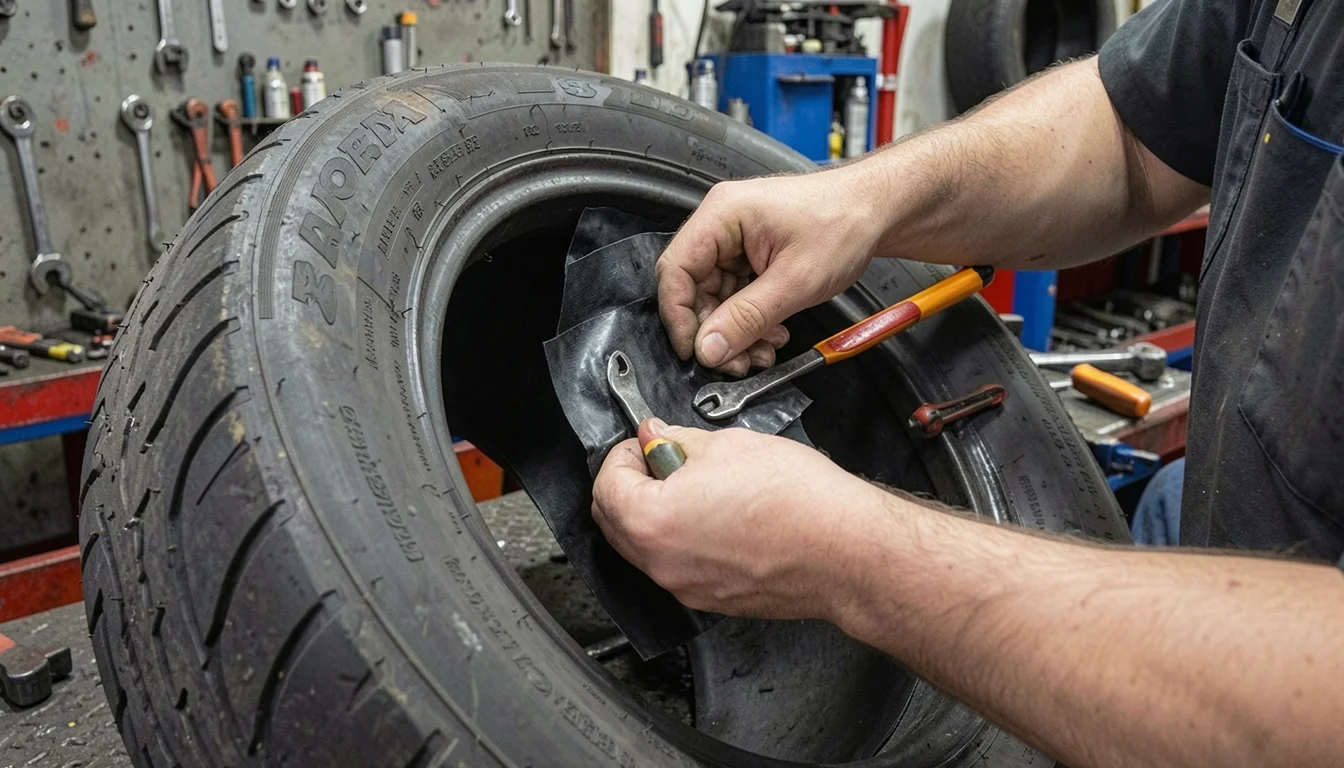
A properly patched tire can last the rest of its life. When a tire is repaired from the inside with a patch and plug combination, the repair is designed to stay sealed for the remaining life of the tire, which is typically years or tens of thousands of miles. Many tire experts quote seven to ten years for a good repair, but the tire itself will usually wear out or age out before the patch fails. This guide explains what makes a repair last, when a patch will not hold and how to spot trouble.
How Long Does a Patched Tire Last?
Industry sources, including the American Automobile Association, describe the bond between a patch and the tire’s inner liner as permanent and meant to last the lifetime of the tire. A repair that includes both a patch on the inside and a stem or plug through the puncture channel seals the hole from both sides, which is why it is considered the correct repair method. Estimates of seven to ten years are common, but they depend on proper installation and on the tire remaining in good condition.
| Repair type | Expected lifespan |
|---|---|
| Professional patch and plug combo (inside the tire) | Often the remaining life of the tire |
| Patch only | Bonds well, but the puncture channel stays unsealed |
| Plug only | Temporary. Can last months, but is not recommended as a permanent fix |
| Liquid sealant | Short-term emergency fix |
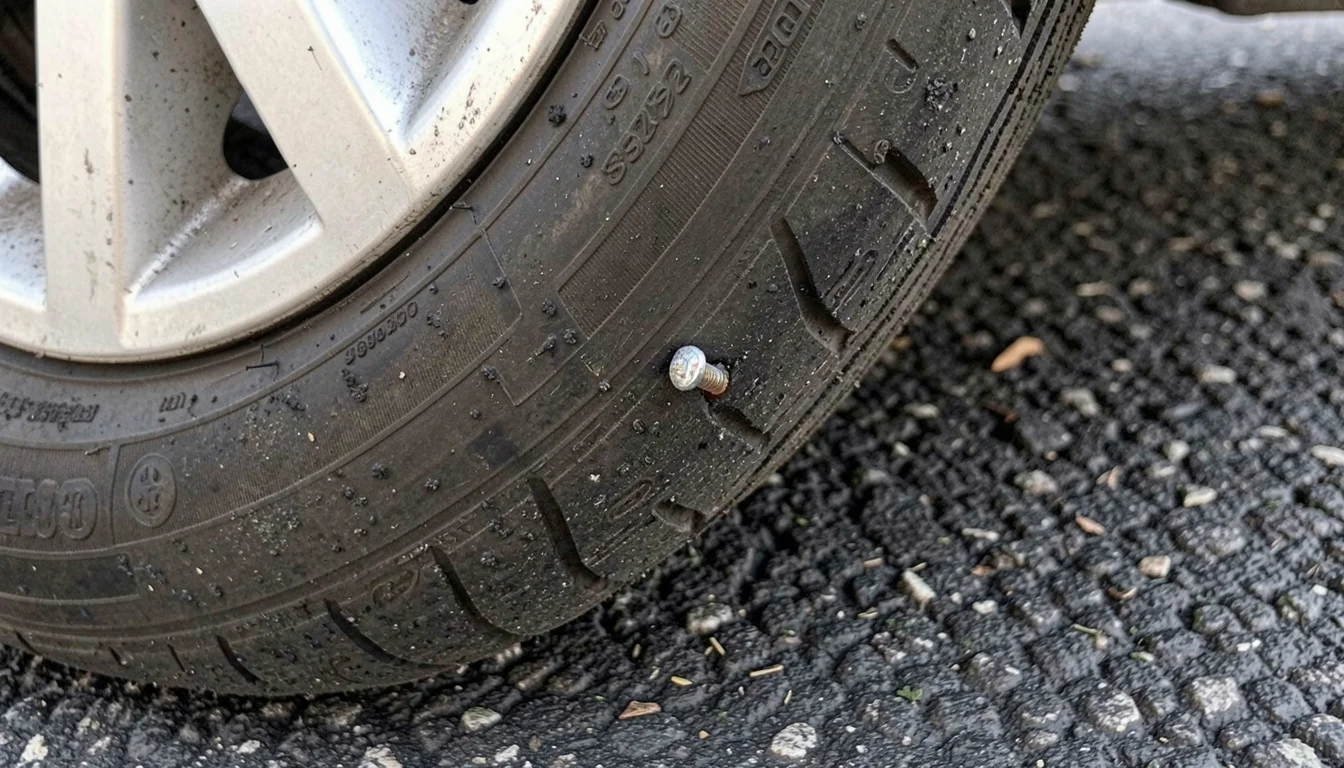
What Makes a Tire Patch Last
- Correct method. The tire should come off the rim so that the inside can be inspected. A shop should buff, clean and seal the inner liner before applying the patch.
- Puncture location. The repair must be in the tread area. Sidewall and shoulder punctures cannot be repaired safely.
- Puncture size. A hole bigger than 1/4 inch (6 mm) is too large for a standard repair.
- No driving on a flat. Driving a long distance on a deflated tire can damage the inner structure, which a patch cannot fix. Learn more in our guide on how far you can drive on a flat tire.
- Tire condition. A worn, old or dry-rotted tire should be replaced, not patched.
- Driving habits. Aggressive driving and hard braking add stress to a repaired area.
When a Tire Cannot Be Patched
- The puncture is in the sidewall or shoulder.
- The hole is larger than 1/4 inch.
- The tire has been driven on while flat or very low.
- Two punctures are too close together, or there have already been multiple repairs in the same area.
- The tread is below the legal minimum.
- The tire has visible damage such as bulges, cracks or exposed cords.
If you are not sure, a shop will inspect the tire for free in many cases. Tires that are near the end of their tread are better replaced. See 4/32 tire tread for when to stop.
Patch vs. Plug: Which Lasts Longer?
A patch seals the inside of the tire and a plug seals the hole. Used together they are the standard of the industry and are recognized by tire safety organizations. A plug alone fills the channel but leaves the inner liner unprotected, so it is best seen as a temporary repair. For more on this, read plugging a tire and how long a tire plug lasts.
Signs a Patch Is Failing
- The tire loses air over a few days.
- You hear a hiss or find bubbles when you spray soapy water on the area.
- The TPMS warning light comes on repeatedly. See how tire pressure sensors work.
- You notice vibration, bulging or tread separation.
Check the pressure monthly with a quality gauge, such as those in our tire pressure gauge guide.
How Many Times Can a Tire Be Patched?
A tire can be repaired more than once, as long as the repairs do not overlap and each is in a repairable area and separated by enough distance. Many sources say a single tire should not be patched in the same spot twice, and repeated repairs reduce confidence in the tire. If you have a pattern of punctures, replacement is wiser. You can learn about costs in how much it costs to patch a tire.
How Long Does a Patched Tire Last FAQs
Is a patched tire safe?
Yes, when the repair is done from inside the tire by a trained technician and the damage is in the repairable tread area.
Can I drive long distances on a patched tire?
Yes. A proper repair does not limit speed or distance. A plug-only repair is more of a short-term fix.
How long can I drive on a plugged tire?
A plug alone may last months, but it is best to get a proper patch as soon as you can.
Do patches affect the tire warranty?
Many manufacturers allow properly done patch-and-plug repairs, but check your warranty terms.
Does a patched tire need to be rebalanced?
Sometimes. If you notice vibration after the repair, ask the shop to check the balance.
Bottom Line
A professional plug-patch repair on a tire with a small tread puncture can last as long as the tire. Avoid plug-only fixes for the long term, replace tires with sidewall damage, and watch the pressure for a few days after any repair.