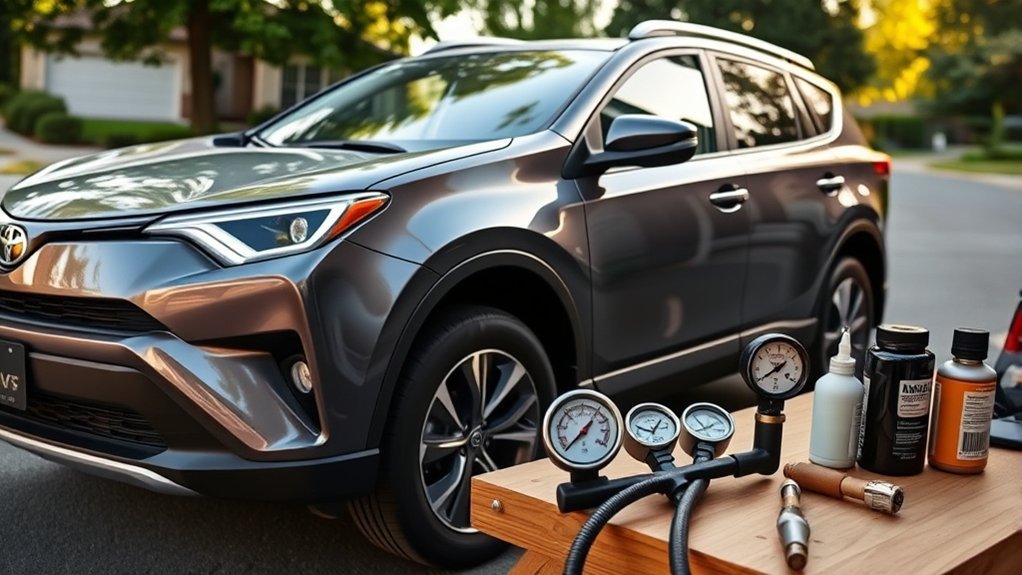
To improve MPG in a Toyota RAV4 V6 AWD, keep the tires at the door-jamb pressure, drive smoothly, carry less weight, use the fuel grade your manual lists and keep up with maintenance. The V6 AWD is thirstier than the four-cylinder RAV4, so small habits matter, but no trick will transform it. Treat the tips below as practical guidance rather than guaranteed savings.
How to Improve MPG in a Toyota RAV4 V6 AWD by Losing Weight
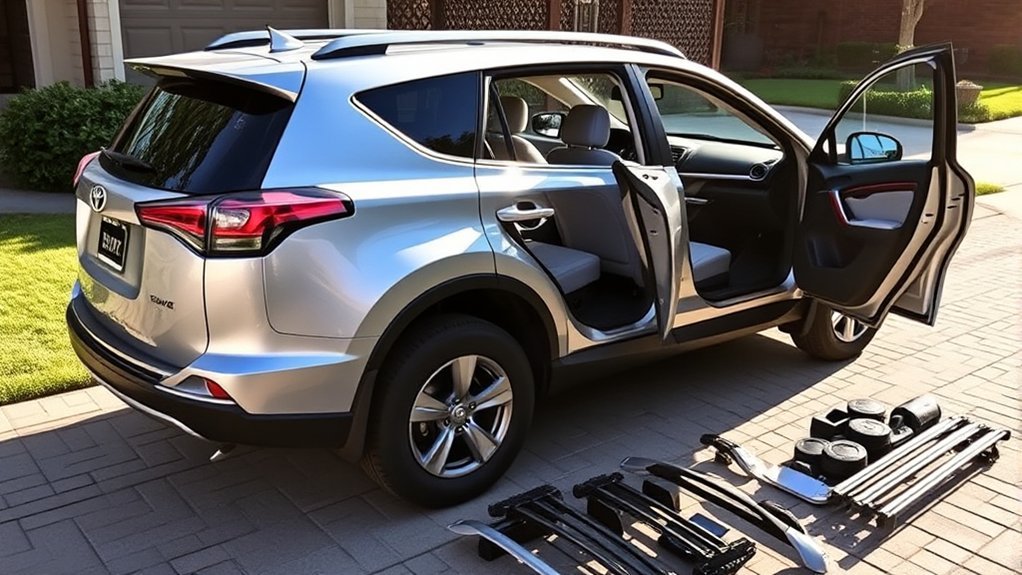
- Remove cargo, tools and gear you do not need.
- Take off roof racks and carriers when not in use.
- Keep the cargo area tidy; weight adds up.
Optimizing Tire Pressure for Fuel Efficiency
Under-inflated tires increase rolling resistance, which costs fuel and wears the tires faster. Check them cold at least monthly.
Recommended PSI Levels
Use the pressure on the sticker in the driver’s door jamb or in the owner’s manual, not the maximum on the sidewall.
Impact on Fuel Economy
Correct pressure helps a little with mileage and a lot with tire life and handling.
The Impact of Driving Speed on Gas Mileage
Aerodynamic drag grows quickly with speed, so a V6 at high highway speeds uses noticeably more fuel than at moderate speeds. Hold a steady speed and ease off on long highway trips.
How to Accelerate and Brake Smoothly for Better MPG
Squeeze the throttle gently, look ahead and coast to slow down rather than braking late. Smooth driving is the biggest free improvement.
Why Regular Maintenance Matters
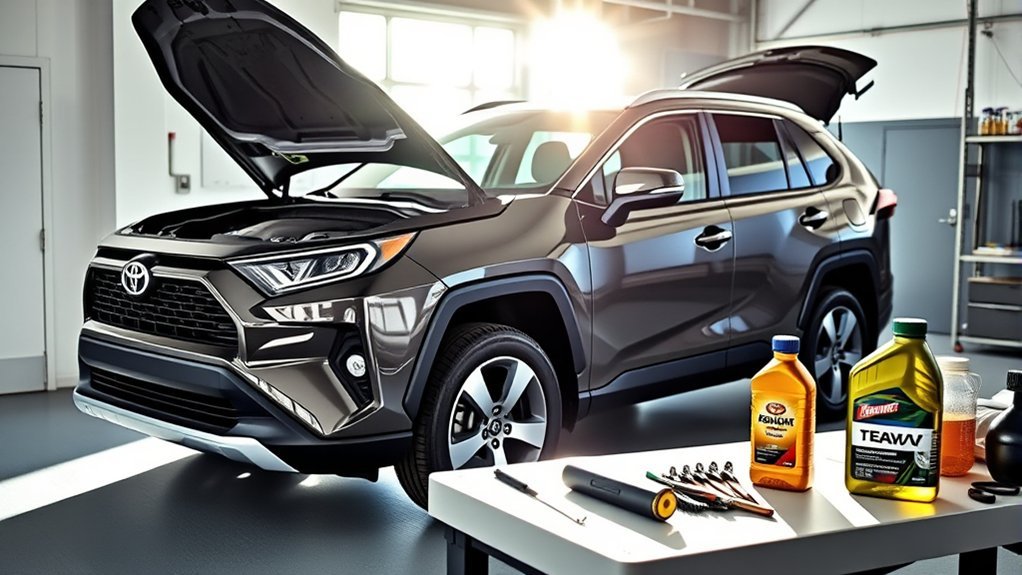
- Change the engine oil with the grade and interval in the manual.
- Replace a dirty engine air filter.
- Replace spark plugs at the recommended interval.
- Check alignment and tire wear; a dragging brake also hurts mileage.
Best Fuel Types for Your RAV4’s Fuel Efficiency
Use the fuel grade listed in your owner’s manual. If the manual says regular is fine, premium will not improve mileage.
High-Quality Fuel Benefits
Top Tier detergent gasoline can help keep fuel injectors and intake parts clean over time. It is not a guarantee of better mileage.
Octane Rating Considerations
Use the octane rating your manual specifies. A higher octane than required usually adds cost without benefit.
How to Make the Most of Eco Mode for Better Fuel Economy
Some model years have an Eco indicator or Eco mode that softens throttle response. If yours has one, try it in everyday driving and compare your own numbers over a few tanks.
When to Turn Off Your Engine for Savings?
A common guideline is that idling for more than about 10 seconds uses more fuel than restarting. Only turn the engine off when it is safe and legal to do so.
Short Stops and Errands
Do not leave the engine running while you wait in a parked car if you can avoid it.
Extended Idling Situations
Avoid long warm-up idling; driving gently warms the engine faster than idling.
Effective Modifications to Boost Your RAV4’s Fuel Efficiency
- Fit low-rolling-resistance tires when you next replace them, in the correct size.
- Remove unused crossbars and carriers.
- Skip so-called fuel savers and chips, which rarely deliver what they promise.
Understanding Environmental Factors Affecting MPG
- Cold weather and short trips raise fuel use.
- Headwinds and hills increase load on the engine.
- Air conditioning adds load, especially in heat.
Related reading:
- How to Improve MPG on a Toyota RAV4: Easy Fuel-Saving Habits
- Toyota RAV4 AWD System Malfunction: Troubleshooting Guide
- What Is Toyota RAV4 Dynamic Torque Control AWD?
Frequently Asked Questions
How Can I Make My RAV4 More Fuel Efficient?
Keep the tires at the sticker pressure, drive smoothly, carry less weight and follow the maintenance schedule.
How Many Miles per Gallon Does a V6 RAV4 Get?
It depends on the model year and drive type. Look up your exact year on fueleconomy.gov and compare with your own real-world figures; the V6 uses more fuel than the four-cylinder.
Why Did Toyota Stop Putting V6 in RAV4?
The V6 was offered on earlier-generation RAV4s, and later generations moved to four-cylinder and hybrid engines. Toyota’s newer engines focus on fuel economy, which is what most buyers prioritise.
Why Is My RAV4 Getting Bad Gas Mileage?
Low tire pressure, heavy loads, aggressive driving, roof accessories, cold weather and overdue maintenance are common causes. A sudden change can mean a fault, so have it checked.
Conclusion
Small habits add up: tire pressure, smooth driving, less weight and regular maintenance. Track your fuel use for a few tanks to see what works for your V6 AWD.