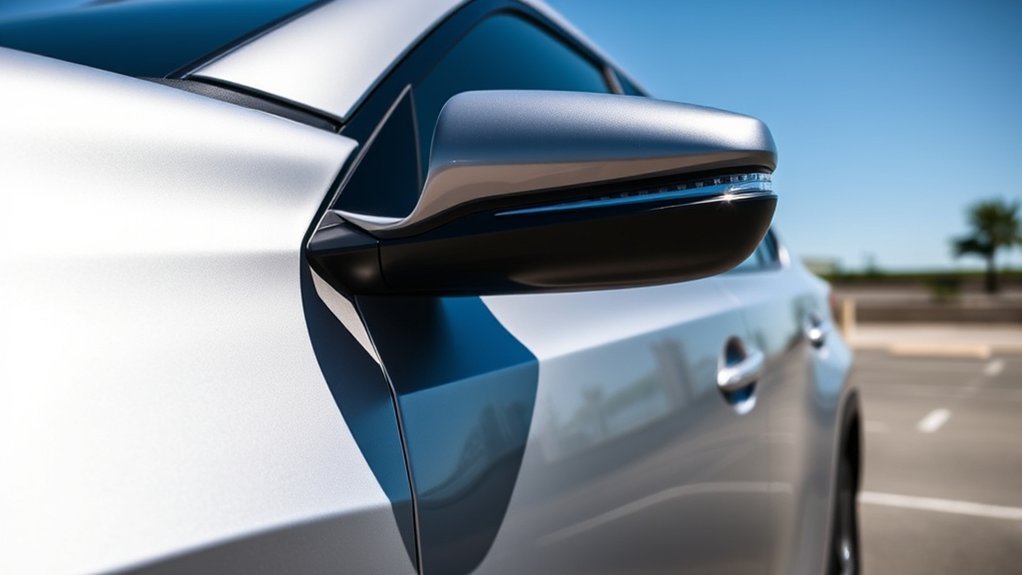
Does the Toyota RAV4 LE Have Blind Spot Monitoring?
What’s in This Article
- RAV4 LE vs XLE: Which Trim Gets Blind Spot Monitor?
- Model-Year Note: Check Your Exact RAV4 Before You Buy
- Can You Add Blind Spot Monitor To The RAV4 LE?
- How Much Does Adding BSM To A RAV4 LE Cost?
- Is Blind Spot Monitor Worth Having?
- What Are Alternatives To Blind Spot Monitor For RAV4 LE Owners?
- Is Upgrading To XLE For BSM Worth It?
- Frequently Asked Questions
The Toyota RAV4 LE can confuse shoppers because Blind Spot Monitor availability changes by model year, trim, package, and market. In many recent U.S. LE models, Blind Spot Monitor (BSM) with Rear Cross-Traffic Alert (RCTA) does not come standard, while the XLE trim often includes it or makes it easier to find. That difference matters if you drive in heavy traffic, merge often, or want more help during lane changes.
Quick Answer
The Toyota RAV4 LE does not always include Blind Spot Monitor as standard equipment. For 2024 U.S. RAV4 models, Toyota listed BSM with RCTA as optional on LE and standard on XLE. For 2025 gas RAV4 models, Toyota listed BSM with RCTA under the XLE trim. Always check the exact model year, window sticker, and VIN before you buy.
Key Takeaways
- RAV4 LE models may not include BSM as standard equipment, depending on the model year and market.
- RAV4 XLE models are more likely to include BSM with RCTA from the factory.
- Adding BSM after purchase can cost more than you expect because sensors, mirrors, wiring, and calibration may be required.
- Aftermarket BSM systems may not work as cleanly as Toyota’s factory system.
- You should confirm BSM on the window sticker before buying any RAV4 LE.
RAV4 LE vs XLE: Which Trim Gets Blind Spot Monitor?
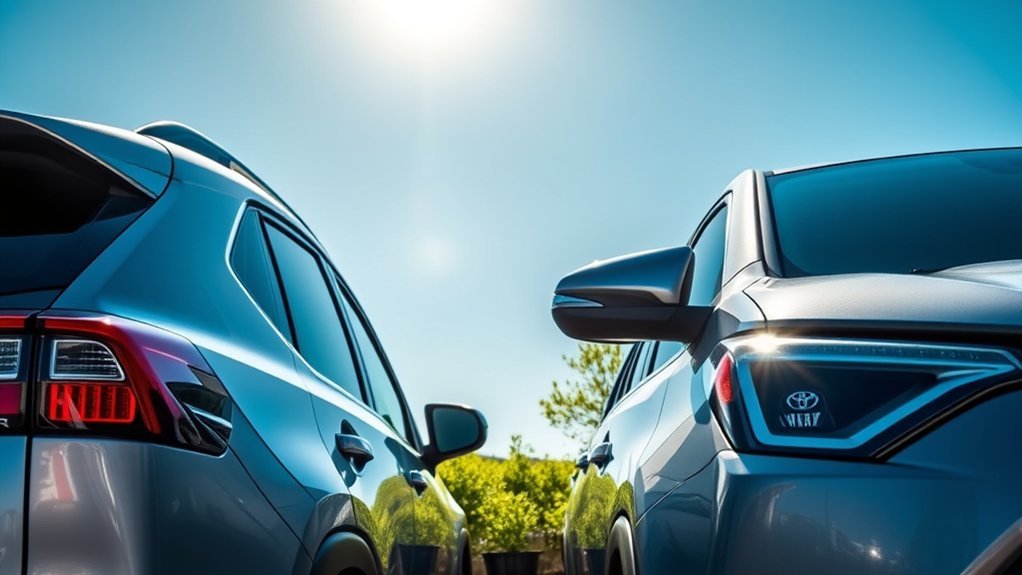
When you compare the RAV4 LE and XLE, focus on the exact model year first. According to Toyota’s 2024 RAV4 brochure, BSM with RCTA was optional on the LE and standard on the XLE. Toyota’s 2025 RAV4 page also lists BSM with RCTA under the XLE trim.
That means a RAV4 LE may still have BSM if it came with the right option package. But you should not assume every LE has it. The safest way to confirm it is to check the original window sticker or ask a Toyota dealer to verify the VIN.
| Trim | BSM Availability | What You Should Check |
|---|---|---|
| RAV4 LE | Not always standard; may be optional on some model years. | Check the window sticker for BSM with RCTA. |
| RAV4 XLE | More commonly listed with factory BSM. | Confirm standard equipment by model year. |
| Used RAV4 LE | Depends on original options and market. | Look for mirror warning icons and verify the VIN. |
For 2025 gas RAV4 trims, Toyota listed the LE base MSRP at $29,800 and the XLE base MSRP at $31,310. That creates a $1,510 MSRP gap before destination, taxes, packages, and dealer fees. If BSM matters to you, that gap can make the XLE easier to justify.
Model-Year Note: Check Your Exact RAV4 Before You Buy
The RAV4 lineup changed for 2026, and trim names do not match every older LE vs XLE comparison. Toyota’s U.S. 2026 RAV4 page shows LE, SE, XLE Premium, Woodland, XSE, and Limited trims. That means an older LE vs XLE article may not apply cleanly to a 2026 shopper.
Note: Toyota equipment can change by market, model year, package, and production batch, so your window sticker matters more than a general trim chart.
If you shop used, check the original Monroney label, dealer listing, Toyota build sheet, or owner portal details. Look for the exact wording “Blind Spot Monitor (BSM) with Rear Cross-Traffic Alert (RCTA).”
Can You Add Blind Spot Monitor To The RAV4 LE?
You may be able to add a blind spot alert system to a RAV4 LE, but the job is not always simple. Factory-style BSM uses sensors, mirror indicators, wiring, software support, and calibration. If your LE lacks those parts, the cost and labor can rise fast.
A factory-installed system usually gives you the cleanest fit because Toyota built it into the vehicle’s electronics. Aftermarket systems can help, but they may use separate indicators or sensors that do not match Toyota’s factory setup. Ask your dealer how any modification could affect warranty coverage before you approve the work.
Installation Challenges and Costs
Adding BSM to a RAV4 LE can involve more than one part. You may need rear-side sensors, mirror indicators, control modules, wiring, brackets, and calibration. Some vehicles may also need software support that your trim does not already have.
- Confirm the VIN: Ask a Toyota dealer whether your exact RAV4 can support factory-style BSM parts.
- Check the parts list: Make sure the quote includes sensors, mirrors, wiring, switches, and calibration if needed.
- Compare total cost: Compare the full install price with the cost of buying a trim that already includes BSM.
- Ask about warranty: Get written guidance before you install aftermarket electrical parts.
Take your time with this decision. A cheap system that gives poor alerts may not help you as much as a factory system.
Factory vs. Aftermarket Options
Factory BSM usually works best because it connects with Toyota’s mirrors, sensors, warnings, and vehicle settings. It also looks cleaner inside the cabin. If you want the smoothest experience, factory equipment or a trim that already includes BSM usually makes more sense.
Aftermarket systems can still help if your budget is tight or you plan to keep the LE. But you should choose a reputable installer, ask about calibration, and check how alerts appear while you drive. Some kits use separate lights or buzzers, which may feel less natural than Toyota’s factory setup.
Warning: Poor sensor placement or bad calibration can reduce alert accuracy, so avoid rushed or unverified installations.
How Much Does Adding BSM To A RAV4 LE Cost?
The cost to add BSM to a RAV4 LE depends on your model year, parts, labor rate, and whether your vehicle already has some needed wiring. A dealer quote can differ a lot from an aftermarket quote. You should ask for a written parts and labor breakdown before you compare options.
Dealer Installation Costs
A dealer can tell you whether Toyota parts can work with your exact RAV4 LE. That matters because factory-style BSM may need more than mirror indicators. It may also need rear radar sensors, wiring harnesses, control units, and calibration.
- Ask for a VIN-based quote: A VIN check helps the dealer confirm compatible parts.
- Request a full parts list: The quote should show sensors, mirrors, wiring, labor, and calibration.
- Compare with a trim upgrade: If the install cost comes close to an XLE upgrade, the higher trim may offer better value.
- Confirm warranty terms: Ask how the work affects related electrical and safety systems.
Aftermarket Installation Challenges
An aftermarket BSM system may cost less up front, but it can create tradeoffs. Some kits do not connect with Toyota’s factory displays or mirror indicators. Others may need drilling, bumper work, or visible cabin parts.
You should also consider long-term support. If the system gives false alerts or misses nearby vehicles, you may need more labor to adjust it. For that reason, you should compare the full ownership cost, not just the first install price.
Is Blind Spot Monitor Worth Having?
Blind Spot Monitor can help because it gives you another warning when a vehicle sits beside or slightly behind you. It does not replace mirror checks or shoulder checks. It adds one more layer of information when you change lanes or merge.
The Insurance Institute for Highway Safety (IIHS) reported that blind spot detection lowered the rate of all lane-change crashes by 14% in its study. IIHS also stressed that the driver still must pay attention and make the final decision. That is the right way to view BSM: useful help, not a substitute for safe driving.
- Lane-change support: BSM can warn you when another vehicle sits in a hard-to-see area.
- Parking-lot help: RCTA can warn you about cross traffic when you back out of a space.
- New-driver confidence: The alerts can help newer drivers feel more aware in traffic.
- Used-car value: Many shoppers prefer vehicles that already include modern safety features.
What Are Alternatives To Blind Spot Monitor For RAV4 LE Owners?
If your Toyota RAV4 LE does not have BSM, you still have ways to improve awareness. Start with mirror setup. Properly adjusted side mirrors can reduce blind spots more than many drivers expect.
You can also add small blind spot mirrors to your side mirrors. They cost much less than an electronic system and can help you see vehicles beside you. You should still use your turn signals early, keep a safe following distance, and do a quick shoulder check before moving over.
- Adjust your mirrors: Angle them outward enough to cover nearby lanes.
- Use blind spot mirrors: Add small convex mirrors for a wider side view.
- Check over your shoulder: Confirm the lane before you move.
- Signal early: Give other drivers time to react.
- Keep space around you: Avoid driving beside other vehicles longer than needed.
These habits can make your LE safer and easier to drive, even without factory BSM.
Is Upgrading To XLE For BSM Worth It?
Upgrading to the RAV4 XLE can make sense if you want BSM from the factory. You also avoid the uncertainty that can come with aftermarket sensors, wiring, and calibration. For many shoppers, the cleaner factory setup is the main reason to move up.
- Factory integration: XLE equipment works with Toyota’s built-in alerts and mirrors.
- More confidence: BSM can support lane changes in traffic.
- Added features: XLE models often add comfort and convenience features beyond BSM.
- Better resale appeal: Used buyers often like factory safety features.
The upgrade may not make sense if you drive mostly in low-speed areas or plan to keep costs as low as possible. But if you spend a lot of time on highways, the XLE can feel like the smarter long-term choice.
What RAV4 Owners Say About BSM
Many RAV4 owners like BSM because it gives quick visual alerts during lane changes. Drivers who commute on busy roads often value the extra warning most. Owners also tend to like RCTA when backing out of parking spaces with blocked side views.
Some LE owners feel disappointed when they learn their vehicle lacks factory BSM. Others try aftermarket kits and find the installation more complex than expected. That feedback points to one simple lesson: confirm BSM before you buy, not after you bring the vehicle home.
Key Considerations For RAV4 Owners Regarding BSM
Before you decide on a RAV4 LE or XLE, think about how and where you drive. BSM helps most when traffic moves fast, lanes stay crowded, or parking lots block your view. It helps less if you mainly drive short local trips on quiet roads.
- Trim level: Check whether your exact LE includes BSM or only offers it through a package.
- Model year: Equipment changed across recent RAV4 years, so avoid one-size-fits-all advice.
- Install risk: Aftermarket systems may not match factory performance or appearance.
- Total value: A higher trim may cost more up front but save you retrofit hassle.
How To Confirm Whether A RAV4 LE Has BSM
You can confirm BSM before you sign any paperwork. Look at the side mirrors first. Factory BSM usually uses small warning icons in the mirror glass or mirror housing.
Then check the window sticker and build sheet. The feature should say “Blind Spot Monitor (BSM) with Rear Cross-Traffic Alert (RCTA).” If the listing only says “Toyota Safety Sense,” do not assume that BSM comes with it because Toyota treats BSM as a separate safety and convenience feature on many models.
- Check the window sticker for BSM with RCTA.
- Ask the dealer to verify the feature by VIN.
- Look for blind spot warning icons on the side mirrors.
- Test the feature during a safe test drive if the dealer allows it.
- Review the owner’s manual for system limits after purchase.
Frequently Asked Questions
Which Toyota RAV4 Has Blind Spot Monitoring?
RAV4 XLE and higher trims are more likely to include Blind Spot Monitor with Rear Cross-Traffic Alert from the factory. Some LE models may offer it as an option or package, depending on model year and market.
Does The RAV4 LE Have Blind Spot Monitor As Standard?
Not always. Toyota’s 2024 RAV4 brochure listed BSM with RCTA as optional on the LE and standard on the XLE. You should confirm your exact vehicle by window sticker or VIN.
Can A Dealer Add BSM To A RAV4 LE?
A dealer can tell you whether factory-style parts can work with your exact RAV4 LE. The answer depends on your model year, wiring, sensors, mirrors, modules, and calibration needs.
Is Aftermarket BSM Worth It On A RAV4 LE?
Aftermarket BSM may help if you choose a good installer and a quality kit. It may not look or work like Toyota’s factory system, so compare the full cost with buying a trim that already includes BSM.
What Should You Check Before Buying A Used RAV4 LE?
Check the window sticker, mirror warning icons, owner’s manual, and dealer VIN report. You should also ask the seller to show the BSM setting or demonstrate the system during a safe test drive.
Conclusion
The RAV4 LE does not always include Blind Spot Monitor, so you should verify the exact vehicle before you buy. If BSM matters to you, the XLE or another trim with factory BSM may give you better long-term value. If you keep the LE, use proper mirror setup, careful shoulder checks, and a trusted installer if you add an aftermarket system. Your safest choice starts with checking the window sticker, not guessing from the trim name.
References
- 2025 Toyota RAV4 trims and features — Toyota Motor Sales, U.S.A., 2026
- 2024 Toyota RAV4 eBrochure — Toyota Motor Sales, U.S.A., 2024
- 2026 Toyota RAV4 overview — Toyota Motor Sales, U.S.A., 2026
- Lane departure warning, blind spot detection help drivers avoid trouble — Insurance Institute for Highway Safety, 2017