The best cleaner for white wall tires is a dedicated whitewall or tire cleaner used with a stiff but non-metal brush. Apply it, let it dwell as the label says, scrub the sidewall, then rinse well. Of the seven products below, four are tire cleaners or degreasers, one is a brush, and two are not meant for whitewalls and are labeled that way.
Disclosure: some links are Amazon affiliate links; we may earn a commission at no extra cost to you.
Quick answer: start with a tire cleaner made for whitewalls, such as White Lines or Bleche-Wite, and add the Nanoskin brush. Heavy browning may need a second pass.
More Details on Our Top Picks
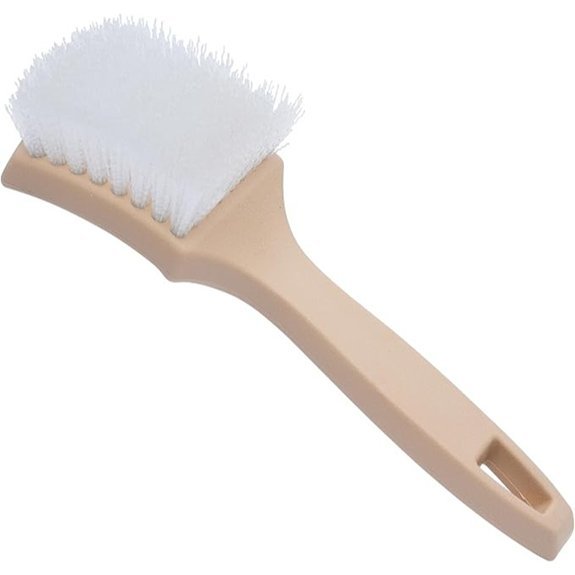
Nanoskin Nylon Utility Scrub Brush for Automotive Detailing
An 8.5 inch utility scrub brush with white nylon bristles, useful for agitating cleaner on a sidewall. It is a tool, not a cleaner, so you still need a product from this list. The listing also mentions non-tire uses. Avoid wire brushes on tire rubber and test on a small area first.
- Product Type:Utility scrub brush
- Size:8.5 inch
- Material:Nylon bristles
- Use:Agitating cleaner on sidewalls
- Needs:A tire cleaner
Pros
- Dense white nylon bristles scrub hard repeatedly
- Ergonomic handle keeps grip comfortable during use
- Controls stubborn whitewalls without damaging sidewalls
Cons
- Requires manual scrubbing effort
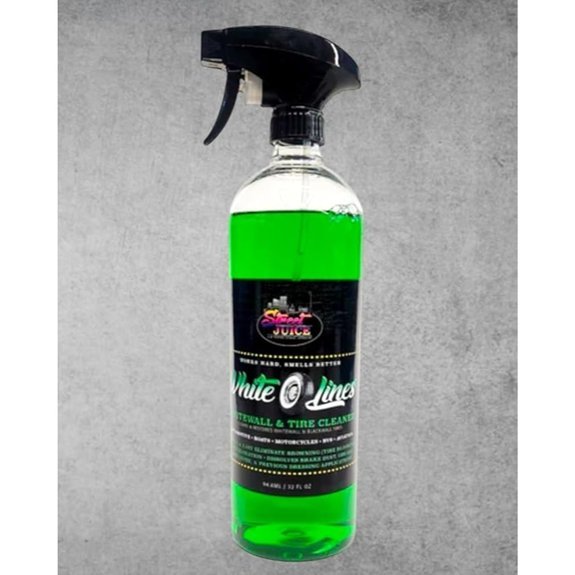
White Lines Whitewall & Tire Cleaner (32 fl oz)
A 32 fl oz whitewall and tire cleaner that the listing says is for whitewall, white letter and blackwall tires and targets blooming, browning and old dressing. You apply it, let it work, then wipe or rinse. Use gloves and follow the label, because chemical tire cleaners can irritate skin.
- Product Type:Tire cleaner
- Size:32 fl oz
- Form:Liquid
- Method:Apply, let sit, wipe or rinse (per listing)
- Surfaces:Whitewall, white letter, blackwall
Pros
- Cuts blooming, oxidation, and road grime fast
- Works cars, trucks, motorcycles, RVs, and more
- Apply-and-wait method simplifies the cleaning process
Cons
- Spray application may vary by pressure
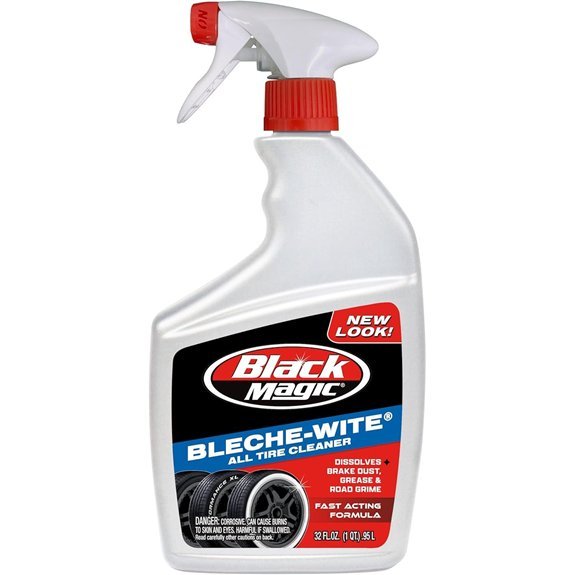
Black Magic 800002224 Bleche-Wite Tire Cleaner Trigger Spray – 32 oz.
A 32 oz trigger spray listed for whitewall and blackwall tires, aimed at brake dust, road film and grime. The listing describes it as unscented and low-odor. Spray on, agitate with a brush, then rinse thoroughly and keep it off paint and brake components.
- Product Type:Tire cleaner
- Size:32 oz
- Form:Liquid trigger spray
- Method:Spray, agitate, rinse
- Surfaces:Blackwall and whitewall tires
Pros
- Most trusted formula restores whitewall tires quickly
- Easy trigger spray application suits all users
- Works fleet and plant maintenance applications
Cons
- Spray usage can be wasteful
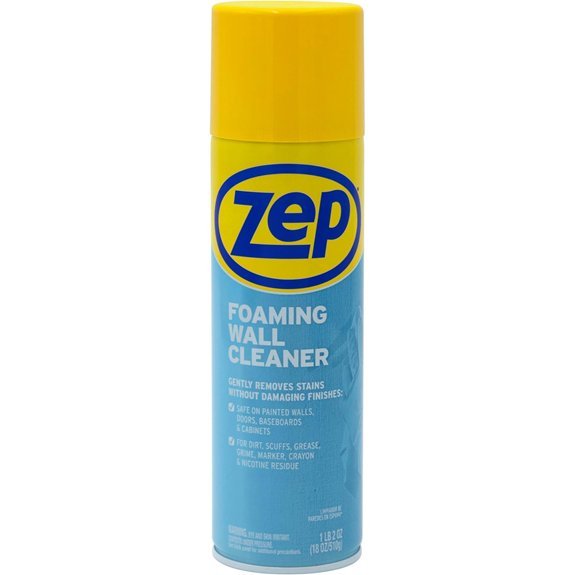
Zep ZUFWC18 Foaming Wall Cleaner 18 oz Clear
Not a tire cleaner. This is a foaming household wall cleaner meant for painted walls, baseboards, doors and trim. We kept the link, but do not recommend it for whitewall tires, because the product is described as a wall and trim cleaner, not a tire product. Choose one of the tire cleaners above instead.
- Product Type:Foaming wall cleaner
- Size:18 oz
- Intended Surfaces:Painted walls, trim, doors
- Method:Spray and wipe
- Tire Use:Not intended
Pros
- Scrub-free foam clings to vertical surfaces
- Lifts scuffs, fingerprints, grease, and marker fast
- Safe on painted, vinyl, and most finishes
Cons
- Foam coverage may be inconsistent
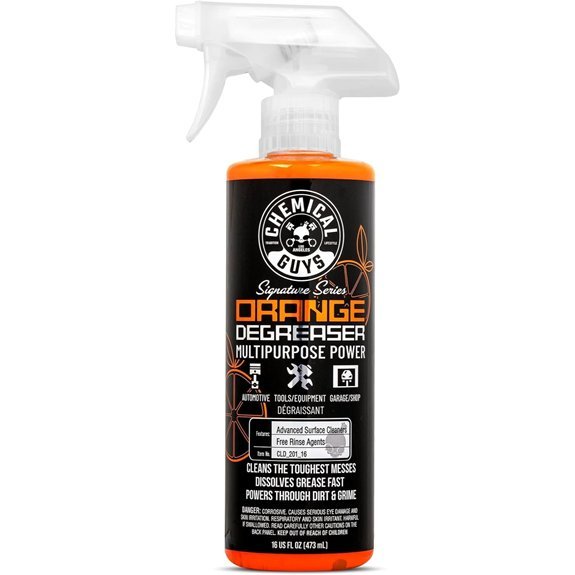
Chemical Guys Orange Degreaser Spray 16 oz
A 16 oz citrus-based degreaser with limonene, described for tires, wheels and engine bays. It cuts grease, oil and road film, so it suits tires with heavy grime or old dressing. Dilute it as the label directs, scrub, rinse well and test a small area first. It is a degreaser, not a whitewall specialist.
- Product Type:Degreaser spray
- Size:16 oz
- Form:Concentrate/spray
- Method:Spray, scrub, rinse
- Surfaces:Tires, wheels, engine bays (per listing)
Pros
- Citrus-based formula cuts grease and oil fast
- Dilute option saves money on concentrate
- Works wheels, engine bays, and tires
Cons
- Citrus smell is strong and lingering
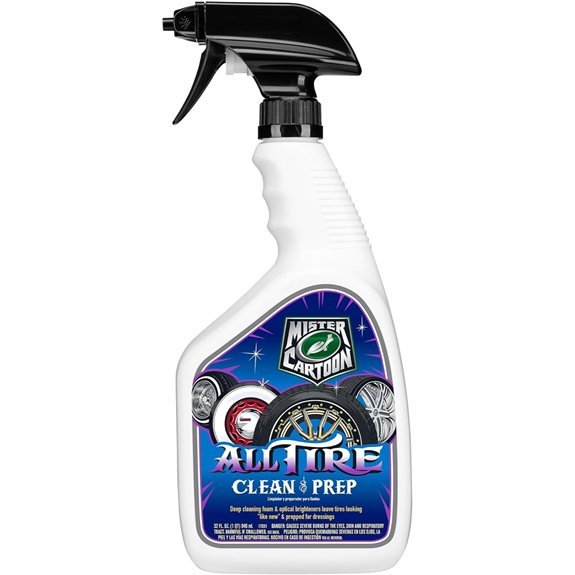
Turtle Wax All Tire Clean and Prep
A tire cleaner and prep product. The listing says to spray it on cool sidewalls, let it sit 30 seconds to a minute, scrub with a stiff brush and rinse. It is described as lifting brake dust, grease and old dressings and brightening white lettering. Repeat if stains remain.
- Product Type:Tire cleaner and prep
- Size:32 oz (per listing)
- Form:Liquid foam
- Method:Spray, wait 30-60 seconds, scrub, rinse
- Surfaces:Tires and sidewalls
Pros
- Fast-acting formula cuts brake dust and grease
- 30-second to 1-minute dwell minimizes waiting
- Brightens white walls and restores appearance
Cons
- Foam coverage may miss heavy buildup areas
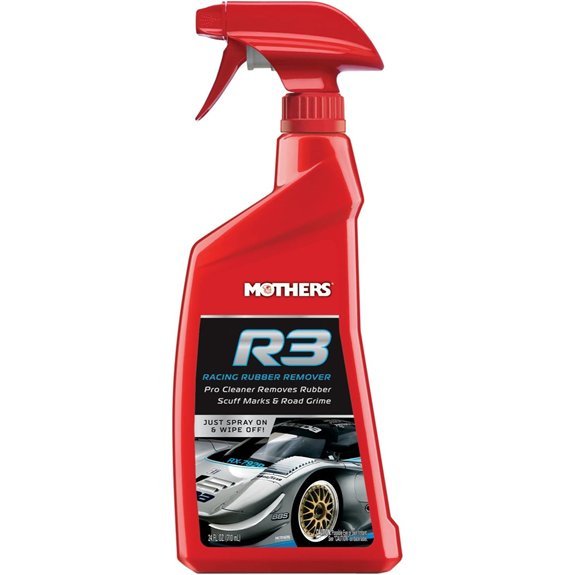
Mothers R3 Rubber Remover Pro Cleaner (09224)
Not a whitewall cleaner. Mothers R3 is a 24 oz rubber remover for rubber marks left on paint, glass, vinyl wraps and other exterior surfaces, such as after track days. It is not designed to scrub tire sidewalls. We kept the link but it does not fit this guide as a whitewall pick.
- Product Type:Rubber remover
- Size:24 oz
- Form:Spray
- Method:Spray and wipe
- Surfaces:Paint, glass, wraps (per listing)
Pros
- Track-side fast cleanup simplifies maintenance
- Works paint, glass, vinyl wraps safely
- Unscented formula avoids strong chemical smell
Cons
- Niche track-use focus limits everyday appeal
How to Clean White Wall Tires Step by Step
- Park in shade and let the tires and wheels cool.
- Rinse off loose dirt and brake dust.
- Spray the cleaner on the sidewall, keeping it off paint and brake parts.
- Let it dwell for the time on the label, without letting it dry.
- Scrub with a nylon or soft-bristle brush, not a wire brush.
- Rinse thoroughly, then repeat on heavy browning.
- Dry and, if you like, apply a tire dressing that suits whitewalls.
Safety: wear gloves and eye protection, ventilate the area, never mix cleaning products, and test on a small spot first. While the wheels are off the ground or freshly cleaned, it is a good time to check pressure with an air pressure gauge and read about how tire pressure affects fuel efficiency.
How to Choose a White Wall Tire Cleaner
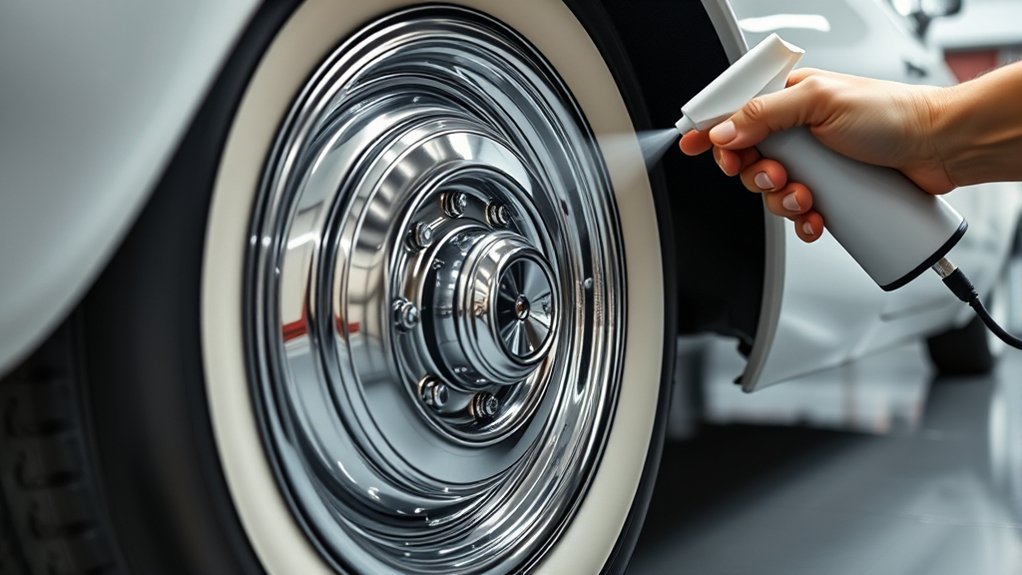
Made for tires
Pick a product that lists tires or whitewalls on the label. Household wall cleaners and paint-surface rubber removers are not designed for tire rubber.
Strength vs. safety
Stronger degreasers lift old dressing and browning faster but need more care. Follow the dilution and dwell time, and rinse well.
Form
Trigger sprays are easy to apply. Foams cling better to sidewalls. Concentrates need diluting.
Brush
A nylon brush helps with browning. Metal bristles can damage rubber and lettering.
Odor and cleanup
Low-odor products suit garages. Citrus degreasers smell strong and need a thorough rinse.
Frequently Asked Questions
How often should white wall tires be cleaned?
Clean them whenever browning or grime appears, often every few weeks for a regularly driven car. Rinsing off road film between deep cleans makes the next clean easier.
Why do white wall tires turn brown?
Browning is often caused by the tire’s protective compounds migrating to the surface, along with road grime and old dressing. Cleaning removes it, though it can return.
Can these cleaners damage tire lettering?
Follow the label and rinse thoroughly. Avoid wire brushes, and test a small spot first, especially on raised white lettering.
Are foam cleaners better than liquid sprays?
Not necessarily. Foam clings longer on the sidewall, while sprays are easy to apply and rinse. What matters most is dwell time, agitation with a brush and rinsing.
Can I use a wall cleaner or rubber remover on whitewalls?
We do not recommend it. The Zep wall cleaner and Mothers R3 rubber remover on this page are not made for tire sidewalls, so use a tire cleaner instead.
Bottom Line
For most whitewalls, a dedicated tire cleaner plus a nylon brush and a thorough rinse does the job. Use a degreaser only for heavy buildup, and skip wall cleaners and paint rubber removers.