A Toyota RAV4 transmission usually lasts The older 4-speed automatics are highly durable, while newer 6-speed and 8-speed options offer great reliability alongside a few specific quirks. Regular maintenance Catching the early signs of failure can also save you from expensive repairs down the road.
Toyota RAV4 transmission lifespan explained
- Lifespan: A standard Toyota RAV4 transmission lasts between 150,000 and 200,000 miles with routine care.
- Maintenance: Changing the transmission fluid every 60,000 miles is the most effective way to prevent early failure.
- Years to Avoid: The 2001–2003 RAV4s are notorious for Engine Control Module (ECM) failures that severely damage the transmission.
Understanding the Lifespan of Toyota RAV4 Transmissions
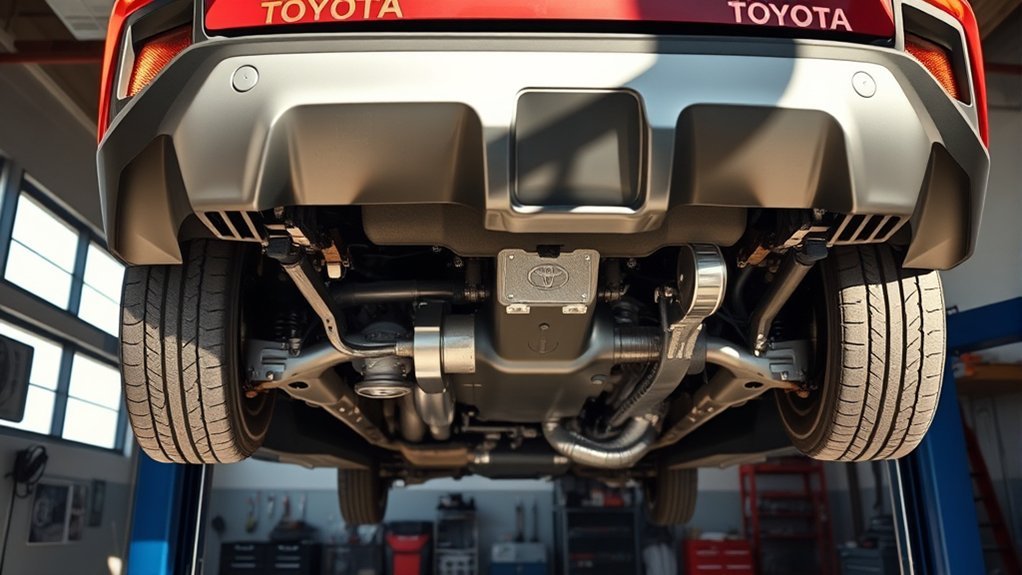
Several factors influence the lifespan of Toyota RAV4 transmissions. With proper maintenance, you can expect the transmission to last between 150,000 and 200,000 miles. The 4-speed automatic models (1996 to 2012) are known for their rugged durability. The 6-speed automatic (2013 to 2018) is highly reliable but occasionally suffers from delayed engagement. If you own a 2019 or newer model, the 8-speed automatic provides faster acceleration but has documented complaints about whining noises and harsh shifts. For hybrid models, the e-CVT is exceptionally reliable because it uses planetary gears instead of traditional belts, though the separate inverter cooling system requires maintenance to prevent overheating. Regular maintenance remains the deciding factor for all models.
Essential Factors Influencing RAV4 Transmission Lifespan
Your driving habits and maintenance practices dictate how long your transmission will survive. Timely fluid changes and smart driving can easily push a RAV4 past the 200,000-mile mark. Knowing your specific model year’s quirks also helps you stay proactive against known issues.
Maintenance Practices Impact Longevity
To get the most out of your RAV4, stick to a regular maintenance schedule. Changing the transmission fluid Pay close attention to the fluid’s condition. Dark or burnt-smelling fluid means the transmission is running too hot and may already be damaged. Keeping fresh fluid in the system easily extends your transmission’s lifespan Owners of a 2013-2018 RAV4 generally have fewer transmission worries, while older and newer generations require a closer eye on shifting behavior.
Driving Conditions Matter Significantly
How and where you drive directly impacts the lifespan of your transmission. Heavy stop-and-go traffic, towing, and steep inclines generate excess heat, which breaks down transmission fluid faster. If you frequently drive in these conditions, you should change your fluid more often than the standard 60,000-mile interval. To reduce mechanical strain, avoid aggressive acceleration and hard braking. Smooth driving keeps internal temperatures down and helps ensure optimal performance.
Model-Specific Reliability Issues
While the Toyota RAV4 is highly reliable overall, certain model years have known transmission issues. The 2001–2003 models are notorious for Engine Control Module (ECM) failures. The faulty ECM sends incorrect shifting signals, which quickly destroys the transmission. The 2002 RAV4, in particular, has hundreds of documented transmission failures for this exact reason. On the newer end, the 2019–2021 RAV4s (equipped with an 8-speed automatic) often experience harsh shifting and whining noises at lower speeds. On the flip side, second-generation models (outside of the ECM issue years) and the 6-speed generations are praised for their durability. Regular maintenance is essential across all years to prevent these known quirks from turning into full failures.
Common Signs of RAV4 Transmission Failure
If you notice delayed gear engagement when shifting from park to drive or reverse, your transmission needs attention. You should also listen for unusual noises like grinding, clunking, or whining. Catching these symptoms early can often save you from needing a complete transmission rebuild.
Delayed Gear Engagement
A noticeable lag when shifting your RAV4 from park into drive or reverse points to potential transmission issues. This delayed engagement is fairly common in 2019 to 2021 models, which also suffer from harsh shifts and hesitation during low-speed acceleration. Do not ignore a slipping or delayed transmission, as it usually means the internal clutches are wearing out or the fluid pressure is too low. Check your fluid condition immediately. If the fluid looks fine but the hesitation continues, seek professional diagnostics before the internal damage gets worse.
Unusual Noises While Driving
Transmissions should operate quietly. Grinding, whining, or clunking sounds almost always signal a mechanical failure. A whining noise that gets louder as you accelerate often points to a failing transmission pump or low fluid, a complaint frequently seen in 2019–2021 models. If you hear a harsh clunk when shifting gears, you likely have a worn transmission mount or a damaged internal gear. High-pitched noises while idling in gear usually indicate a failing torque converter. Have a mechanic inspect these unusual noises immediately to avoid costly repairs.
Transmission Types: Lifespan Comparison
The lifespan of different transmission types varies slightly depending on the technology used. The 4-Speed Automatic The 6-Speed Automatic The Direct-Shift 8-Speed Automatic (2019 and newer) has some programming quirks that cause rough shifting, but the mechanical hardware is still built to last if maintained. Finally, the e-CVT in hybrid models (2016 and newer) is arguably Toyota’s most durable transmission. It uses electric motors and planetary gears instead of traditional belts, making it highly efficient and long-lasting as long as the cooling system is maintained.
Maintenance Tips to Extend Your RAV4’s Transmission Life
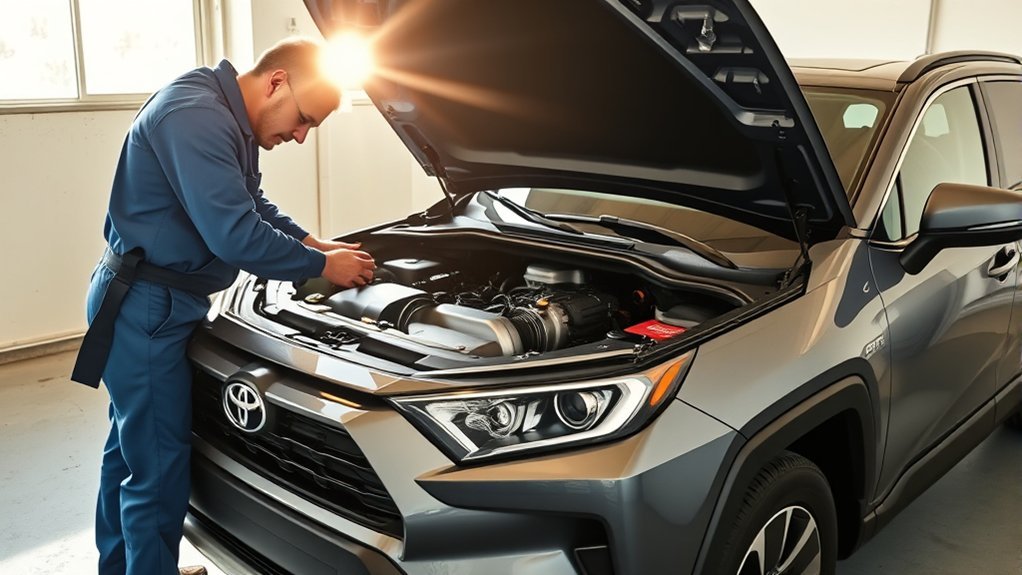
To keep your RAV4 on the road, prioritize regular maintenance practices. The most important step is changing your transmission fluid If your fluid’s condition is dark, cloudy, or smells burnt, change it immediately—though severely burnt fluid may mean internal damage has already occurred.
Adjust your maintenance schedule based on your driving habits. Do a quick visual check under the car for leaks around the transmission pan and cooler lines. If you feel any gear slipping or delayed engagement, get professional diagnostics right away to prevent complete failure.
Common Transmission Issues Across RAV4 Generations
Each RAV4 generation has its own set of transmission quirks. While the newer models struggle with software and shift programming, early 2000s models suffered from catastrophic electrical failures.
| RAV4 Generation | Common Transmission Issues |
|---|---|
| 2001-2003 | ECU problems affecting performance |
| 2002 | Notorious for severe transmission issues |
| 2019-2021 | Whining noises and harsh shifts |
The second generation (2001-2005) also saw isolated torque converter failures, while the early fifth generation (2019-2021) has shifting complaints that Toyota largely addressed with software updates. If you are shopping for a used RAV4, check the service history carefully to ensure these common transmission issues were fixed.
Real Owner Stories: High Mileage RAV4 Transmissions
Owners of high-mileage Toyota RAV4s routinely push their vehicles well past the 200,000-mile mark. On owner forums, it is common to see a 2016 RAV4 hit 200,000 miles or more on the original transmission with nothing but 60,000-mile fluid changes.solid service history and absolutely zero shifting problems. These owner experiences prove that a RAV4 will run reliably for decades if you stay disciplined about fluid changes and drive smoothly.
Related reading:
- Complete RAV4 Tires Guide: Lifespan, Cost & Care
- How To Tell If Toyota RAV4 Has CVT Transmission
- How Long Do Toyota RAV4 Brake Pads Last?
Frequently Asked Questions
Where can I find the exact steps for my car?
Your owner’s manual lists the steps, specifications and warnings for your exact model year, and a dealer can confirm details from your VIN.
Can I rely on a general guide for specifications?
Use a general guide for orientation only. Specifications such as fluid types, intervals and capacities vary by model year and market, so confirm them in your owner’s manual.
When should I see a professional?
If a job affects braking, steering, airbags, fuel or the cooling system, or you are unsure at any step, have a qualified technician do it or check it.
Does this apply to every model year?
Not necessarily. Details change between generations and model years, so check the year and trim of your car before you follow any step.
Conclusion
The lifespan