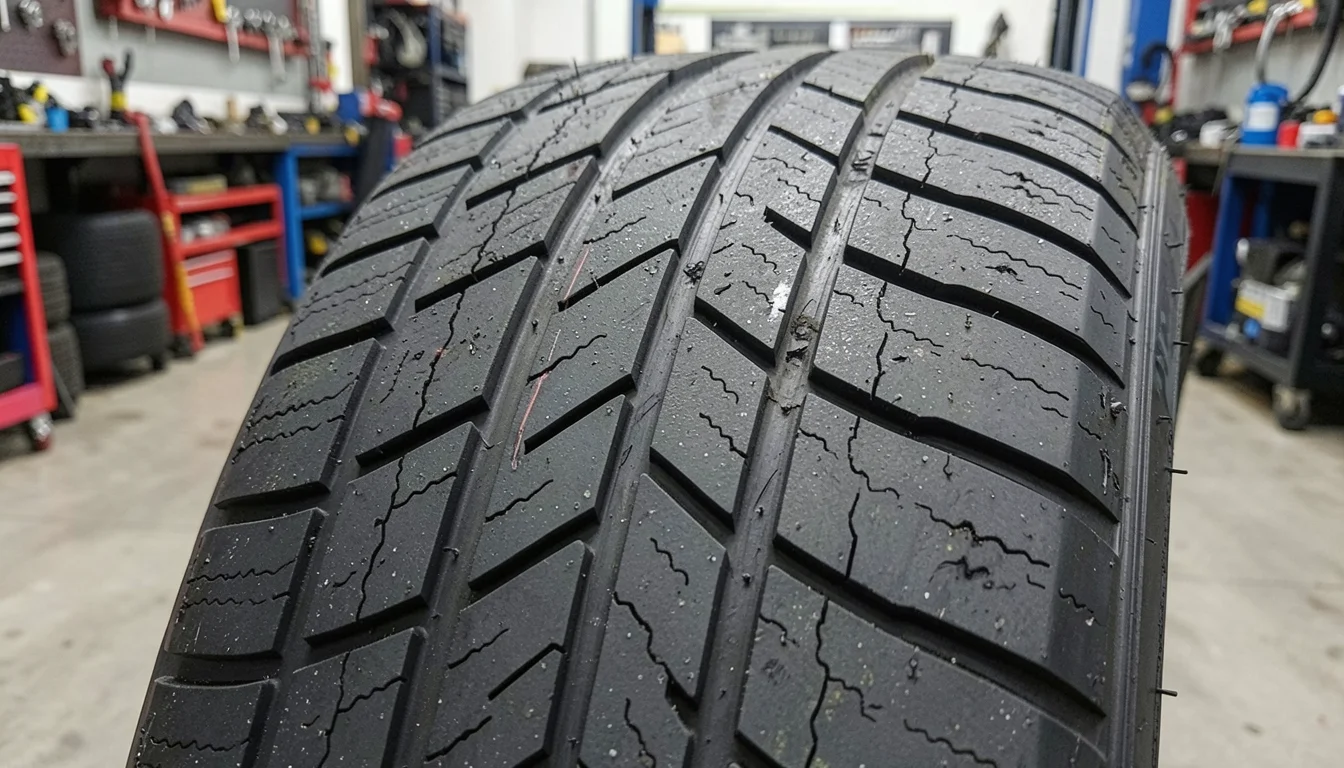
New tire tread depth is typically 10/32 to 11/32 of an inch for a passenger car tire, which is roughly 8 to 9 millimeters. Some tires start deeper, such as all-terrain and winter tires, and some start shallower, like summer performance tires. Knowing how much tread your tires start with, and how much you can safely use, tells you when to start shopping for replacements instead of waiting for a failed inspection.
How Much Tread Does a New Tire Have?
| Tire type | Typical new tread depth | In millimeters (approx.) |
|---|---|---|
| Summer or performance | 8/32 to 10/32 inch | 6.4 to 7.9 mm |
| All-season passenger tire | 10/32 to 11/32 inch | 7.9 to 8.7 mm |
| SUV and light truck highway tire | 11/32 to 12/32 inch | 8.7 to 9.5 mm |
| Winter or snow tire | 10/32 to 12/32 inch, sometimes more | 7.9 to 9.5 mm or more |
| All-terrain tire | 12/32 to 15/32 inch or more | 9.5 to 11.9 mm or more |
| Mud-terrain tire | Often 18/32 inch or more | 14.3 mm or more |
The exact figure depends on the brand and model, so check the tire maker’s spec sheet if you need it. Tire retailers can also tell you the original tread depth for the exact tire you are considering.
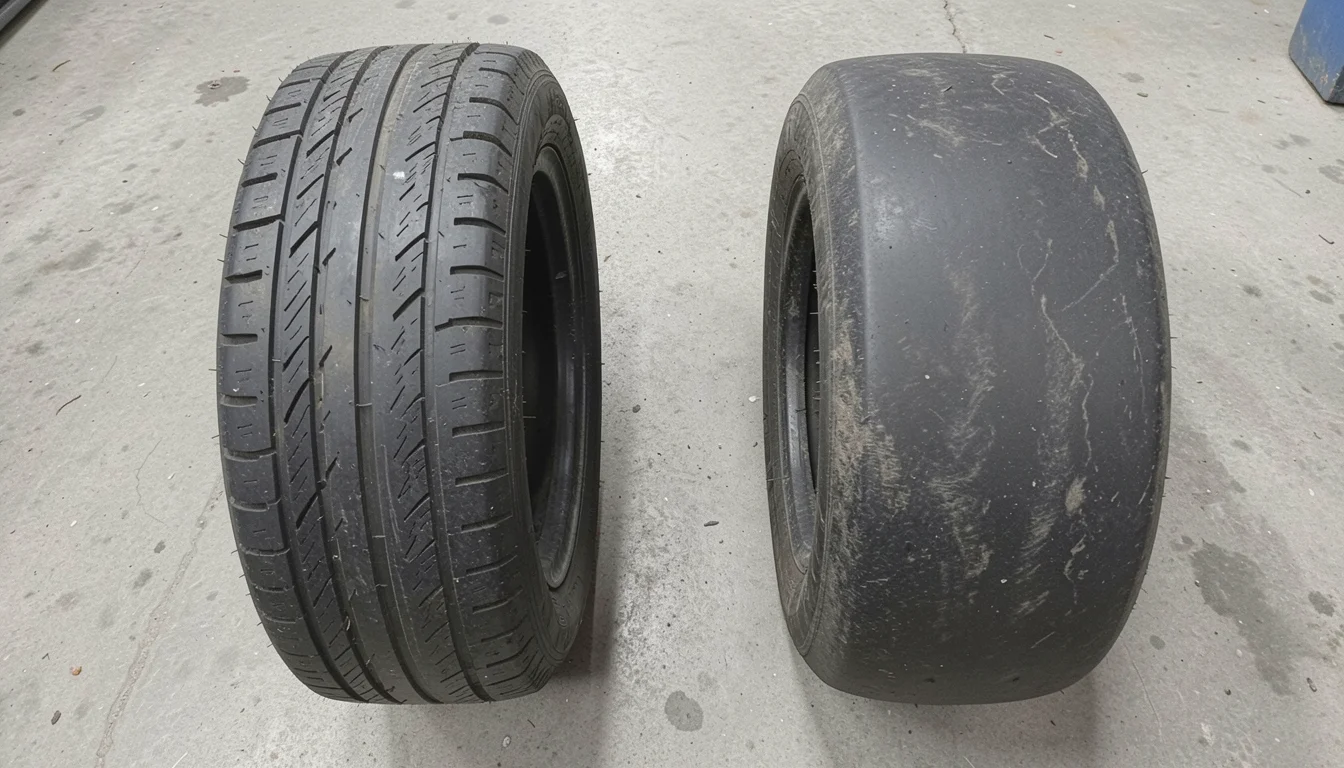
Tread Depth Conversion Chart
US shops measure tread in 32nds of an inch, while many gauges and other countries use millimeters. This quick table helps with both.
| 32nds of an inch | Millimeters | Condition |
|---|---|---|
| 10/32 to 11/32 | 7.9 to 8.7 mm | New or like new |
| 8/32 | 6.4 mm | Good |
| 6/32 | 4.8 mm | Fair, plan ahead |
| 5/32 | 4.0 mm | Replace winter tires |
| 4/32 | 3.2 mm | Shop for new tires |
| 2/32 | 1.6 mm | Legal limit, replace now |
How Much Tread Can You Actually Use?
Because a tire is legally worn out at 2/32 inch, the usable tread is the new depth minus 2/32. A tire that starts at 10/32 inch has 8/32 inch of useful rubber. If it measures 6/32 inch today, it has worn 4/32 inch, which is half of its usable life. This is why the first half of a tire’s life goes by quickly in terms of depth but the last stages matter most for safety.
When Should You Replace Tires?
- 2/32 inch: the legal minimum in most states. The tire is worn out and should be replaced immediately.
- 4/32 inch: the point many tire experts recommend replacing tires for safe wet-weather driving. At this depth, wet braking distances grow noticeably and hydroplaning is more likely.
- 5/32 inch: a sensible replacement point for winter or snow tires, because deeper tread helps bite into snow and slush.
For more detail on how much grip you have at 4/32, see our guide to 4/32 tire tread.
Why Tread Depth Matters
- Water evacuation. Grooves channel water away from the contact patch. As they get shallow, they move less water and the tire is more likely to hydroplane.
- Braking distance. Worn tires take noticeably longer to stop on wet roads. The decline is gradual at first and steeper near the end of the tire’s life.
- Snow and slush traction. Deeper tread bites better and packs less.
- Legal compliance. Tires below the minimum depth can fail an inspection and leave you liable after a crash.
How to Measure Tread Depth
- Use a tread depth gauge. Push the probe into a main groove and read the number. A basic gauge costs only a few dollars.
- Measure three places on each tire. Check the inner, center and outer groove, since wear is rarely even.
- Use the penny test if you have no gauge. Our step-by-step guide to checking tire tread with a penny explains how to read the result.
- Look for wear bars. Raised bars in the grooves mean the tire has reached 2/32 inch.
How Long Does New Tire Tread Last?
Most passenger tires last roughly 40,000 to 60,000 miles, though warranties and real-world life vary by tire type, driving style, climate and maintenance. Tread life depends on:
- The tire’s treadwear rating and compound.
- Proper inflation. Our guide to tire PSI explains how to check it.
- Alignment and balance.
- Driving habits such as hard braking and fast cornering.
- Regular rotation.
Rubber also ages. Even with plenty of tread, a tire that is about ten years old should be replaced, as explained in our guide to tire dry rot.
New Tire Tread Depth FAQs
What is the tread depth of a new tire?
Usually 10/32 to 11/32 inch for passenger car tires. Truck, winter and off-road tires can start deeper.
Is 6/32 tread good?
Yes. It is about halfway through the usable life of a typical tire. Keep checking it and start planning for replacement.
At what tread depth should you replace tires?
The legal limit is 2/32 inch, but replacing at 4/32 inch is safer in rain and replacing winter tires at about 5/32 inch helps in snow.
Do all tires start with the same tread depth?
No. Summer tires start shallower, and all-terrain and winter tires start deeper.
How many millimeters is 10/32 inch?
About 7.9 millimeters.
Bottom Line
New passenger tires start with about 10/32 to 11/32 inch of tread. You can use roughly 8/32 to 9/32 inch of it, and the smart replacement point for most drivers is 4/32 inch. Measure your tread regularly, rotate on schedule and replace tires before they reach the legal limit.