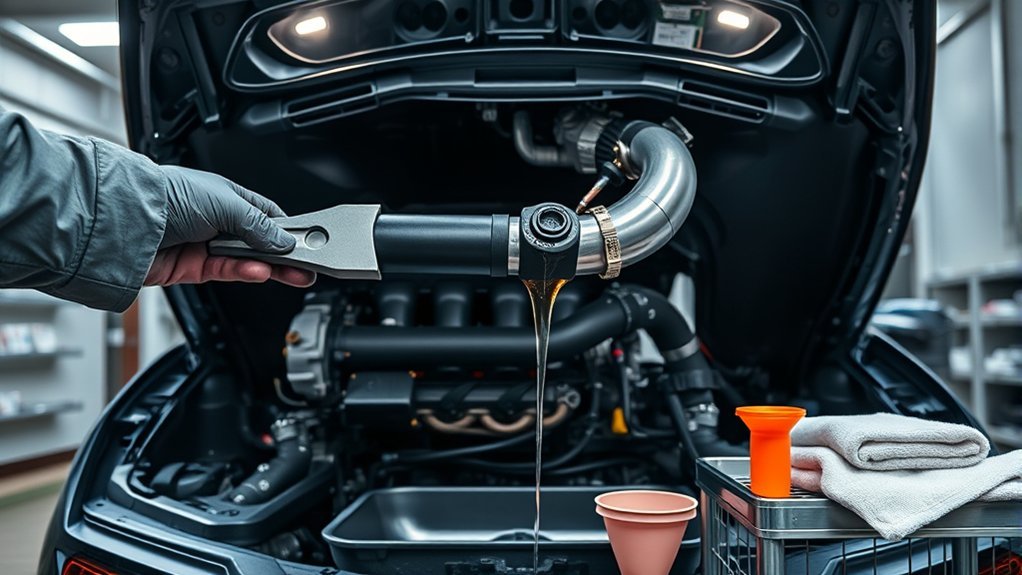
A Toyota Supra coolant leak usually shows up as a low coolant level, a sweet smell, puddles under the car or a rising temperature gauge. Stop driving if the gauge climbs, find the source (hoses, radiator, water pump or connections), and repair or replace the part rather than relying on a sealant. Related: Supra coolant type guide.
Identifying Signs of a Coolant Leak and What to Do Next
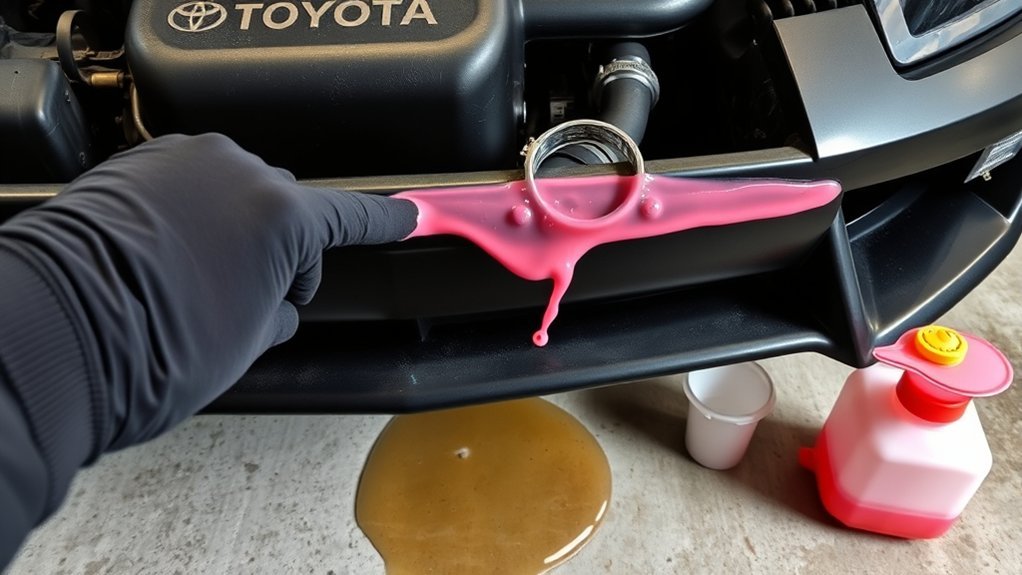
- Low coolant level in the reservoir
- Sweet smell or white vapor
- Green, pink or blue puddles under the car (colors vary)
- Temperature gauge rising
Essential Tools for Diagnosing Coolant Leaks
A flashlight, gloves, a cooling system pressure tester and paper or cardboard to catch drips.
How to Find a Toyota Supra Coolant Leak
- Let the engine cool completely.
- Check the coolant level and top up only if the engine is cold.
- Look for wet or crusty residue on hoses, clamps, the radiator and the water pump.
- Use a pressure tester, following the tool and service manual instructions.
Visual Inspection Techniques
Check hose ends, clamps and the underside of the car. Dried coolant often leaves a white or colored crust.
Pressure Testing Methods
Attach the tester to the filler or reservoir as the service manual describes and pump to the pressure that the manual gives, never higher. Watch for a pressure drop and look for the leak point. Do this only on a cold engine.
Common Leak Sources
- Hoses and clamps
- Radiator
- Water pump
- Thermostat housing
- Reservoir and cap
How to Fix Leaky Hoses and Connections
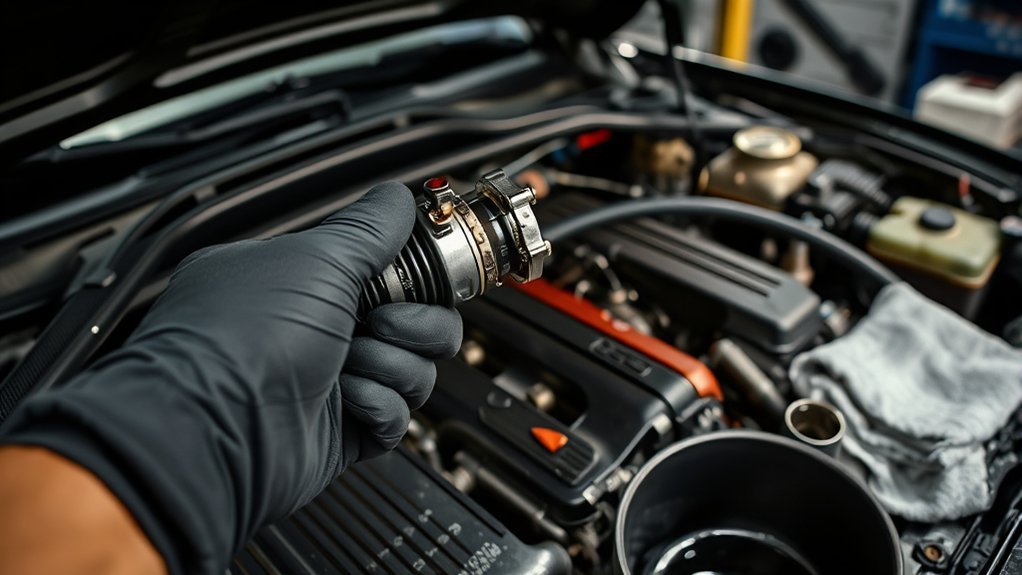
Replace a cracked or soft hose and its clamps rather than patching it. After the repair, refill with the right coolant, bleed the system and check for leaks.
Repair or Replace Your Radiator: Key Considerations
A leaking radiator is normally replaced, not patched. Sealants are, at best, a short-term measure and can block passages.
Signs Of Radiator Damage
Look for cracked plastic tanks, wet seams, bent fins and corrosion.
Repair Versus Replacement Costs
Costs depend on the model, the parts and labor rates. Get a quote before you decide, and weigh a temporary repair against the risk of overheating.
Is Your Water Pump Failing? Signs to Watch For?
Coolant dripping near the pump, whining noises or overheating can point to the pump. See how to replace the Toyota Supra water pump.
Preventing Future Coolant Leaks in Your Supra
- Check the coolant level when cold.
- Use the coolant specified in your owner’s manual.
- Replace old hoses and clamps on schedule.
- Change the coolant at the interval in your manual.
When to Seek Professional Help for Coolant Leak Repairs?
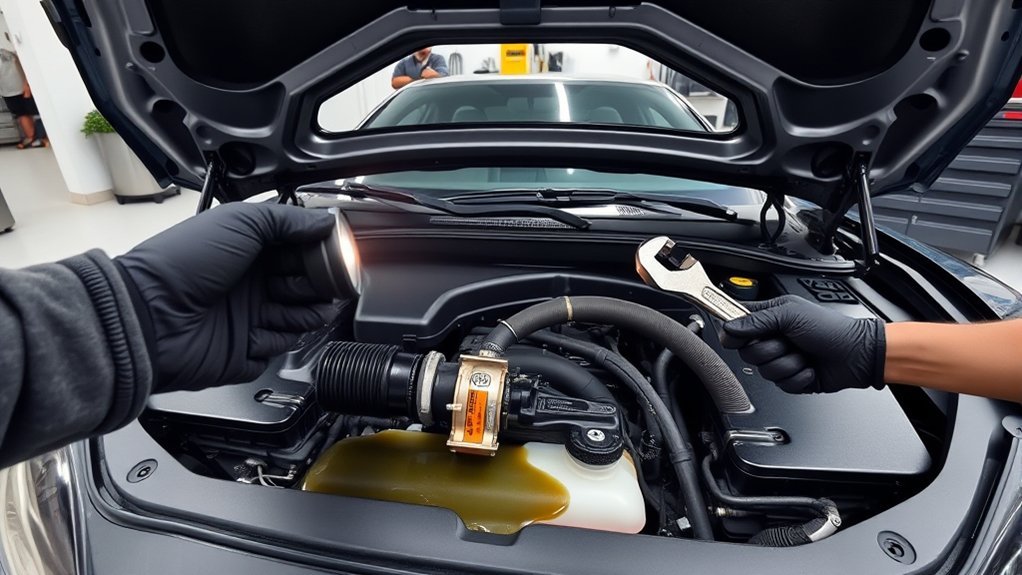
Get help if the leak is large, the engine overheats, you see white smoke or milky oil, or you cannot find the source.
Related reading:
Frequently Asked Questions
Why Is My Toyota Leaking Coolant?
Common causes are a worn hose, a bad clamp, a leaking radiator or water pump, or a faulty cap.
Where to Go if Coolant Is Leaking?
A Toyota dealer or a trusted repair shop. Do not drive far if the engine runs hot.
Is it safe to drive with a coolant leak?
Only for a very short distance, and only if the temperature gauge stays normal. Overheating can damage the engine, so call for help if the gauge rises.
Can I use a stop-leak product?
It may be a temporary measure, but it can clog small passages. Repair or replace the leaking part instead.
Conclusion
Find the source, fix it properly, use the right coolant, and bleed the system.