
For Toyota Supra wipers in heavy rain on the GR Supra, push the wiper lever on the left of the steering column up past the intermittent and auto positions to the fast setting, because the rain sensor can react late to spray from trucks; if the glass still smears, the blades or a film on the glass are the usual cause. Fresh blades, a clean windshield and a glass treatment applied as the maker directs make the biggest difference. The lever positions and sensor settings are described in the owner manual for your model year.
How the Lever Works for Toyota Supra Wipers in Heavy Rain

Toyota’s GR Supra quick reference guide describes a wiper lever on the left side of the steering column with these positions:
| Lever position | What it does |
|---|---|
| Position 1 (rest position) | Rain-sensing AUTO mode |
| Position 2 | Normal speed |
| Position 3 | Fast speed |
| Pressed down from the standard position | One brief wipe |
A thumbwheel on the lever adjusts how sensitive the rain sensor is. Turning it toward the more sensitive end makes the wipers start and run faster for the same amount of water. Labels and movements can differ slightly by model year, so confirm the details in your owner’s manual.
Step by Step: Get the Best Visibility in a Downpour
- Raise the thumbwheel sensitivity first if you want to stay in AUTO. The sensor reads the water on the glass, so a higher setting wipes sooner.
- Move to position 3 (fast) if AUTO does not keep up, or if the sensor reacts late to road spray from trucks.
- Slow down and increase following distance. Wet roads lengthen braking distances, and heavy spray from other vehicles cuts visibility even with perfect wipers.
- Turn on the climate control defrost if the inside of the glass fogs. Rain makes the cabin humid. Use outside air and the A/C, as described in our Supra defrost guide.
- Turn on the headlights. Many places require headlights with wipers, and they help other drivers see you.
- Pull over safely if you cannot see the road. Use a safe spot, not the lane, and turn on the hazard lights.
Why Wipers Struggle in Heavy Rain
- Worn or hardened blade rubber. Rubber cracks from heat, sun and age and stops conforming to the curved glass. The result is streaks, smears and bands of missed water.
- Dirty glass and blades. Road film, oil and insect residue make the blade skip. Clean both with glass cleaner.
- Rain sensor lag. Automatic mode reacts to the water it detects and can lag behind a sudden downpour. A fixed speed removes that uncertainty.
- Dirty or blocked sensor area. The sensor sits at the top of the windshield. Dirt or a film on the glass there can affect how it reads.
- Wiper arm problems. A weak arm spring or bent arm lifts the blade at speed, which shows up as poor contact at higher speeds.
- Aftermarket films or coatings. Some products leave a film that makes blades chatter or confuses the sensor. Read the product’s instructions.
Maintaining and Replacing Wiper Blades
Inspect blades each season. Replace them when you see streaking, skipping, squeaking, or cracked or split rubber. Replacement every 6 to 12 months is a common rule of thumb, but wear depends on climate and how often you use the wipers, so judge by condition rather than the calendar.
- Check the blade rubber along its whole edge for cracks, nicks and hardening.
- Wipe the rubber with a clean cloth and washer fluid or glass cleaner to remove road film.
- Check the wiper arm for correct tension and make sure it is not bent.
- Buy blades listed for the GR Supra by length and connector type. The length can differ between the driver and passenger sides, so check each against the owner’s manual or the seller’s fit guide.
- Lift each arm carefully, release the old blade and fit the new blade until it clicks. Lower the arm gently onto the glass so the arm cannot snap back and crack it.
Toyota’s quick reference guide shows only a resting position for the wipers. Check the owner’s manual for the approved way to position the arms for blade changes on your year.
Blades and Products That Help
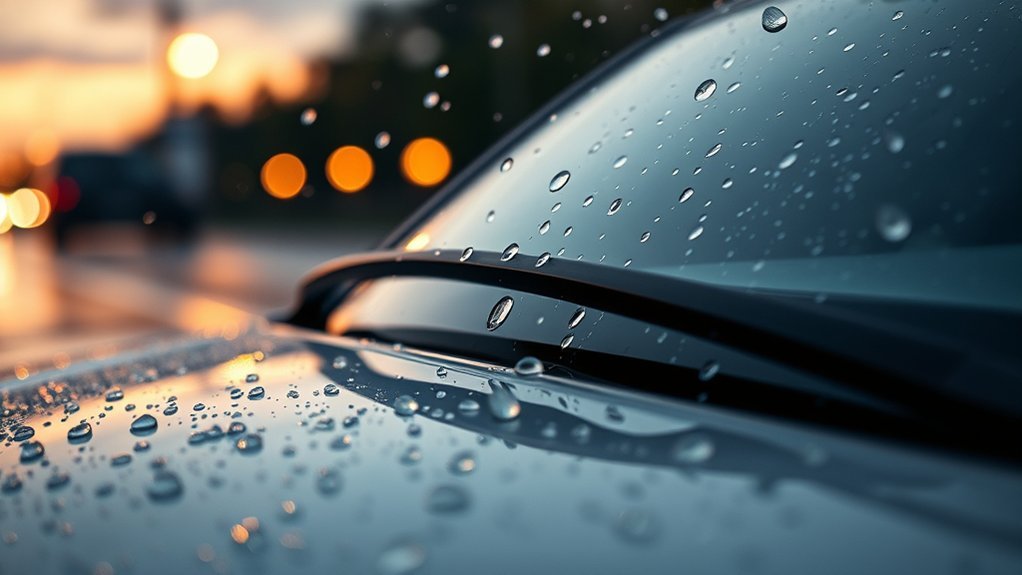
- Quality replacement blades. Fit and rubber quality matter more than brand. Streak-free wiping on a clean windshield is the test.
- Silicone rubber blades. Many drivers choose silicone for longer life in heat and sun. They cost more than standard rubber.
- Water-repellent glass treatments. A hydrophobic coating makes water bead and roll off the glass at speed, which helps in heavy rain. Apply it only to a clean windshield, follow the directions, and stop if the wipers begin to chatter.
- Washer fluid. Keep the reservoir full with washer fluid rated for your climate. Clean glass helps the wipers work.
The wipers skip or chatter
Clean the glass and blades first. If the noise remains, replace the blades. A coating that has built up on the glass can be removed with a glass cleaner made for that purpose.
The wipers smear in one spot
A nick in the rubber or a blade that is not following the glass curve leaves a band of water. Replace the blade and check the arm pressure.
The wipers do not start in AUTO
Raise the sensitivity with the thumbwheel. Clean the top of the windshield where the sensor sits. If they still do not respond, use the manual speeds and ask a dealer to check the sensor.
The wipers run slowly or stop
If they slow down at all speeds, even on a wet windshield with new blades, the motor, linkage or a fuse may be at fault. Do not keep driving in rain without working wipers.
When to See a Dealer
Have a Toyota dealer inspect the car if the wipers fail to park, stall, run at a wrong speed, make a grinding noise, or ignore the lever position with new blades fitted. If the car is under warranty, use the dealer so the work is recorded.
Safety and Owner Manual Notes
Replace blades when they streak or chatter rather than on a fixed calendar, and use the blade size listed for your model year. If the wipers slow, stop or the AUTO setting never works, have a dealer check the motor, linkage and rain sensor, especially while the car is under warranty.
Related reading:
- How to Adjust Backup Camera Settings in a Toyota Supra
- Toyota Supra Traction Control in Snow: Settings and Tires
Frequently Asked Questions
How do I get the fastest wiper speed on a GR Supra?
Push the lever up to the highest position. The AUTO position relies on the rain sensor, which can lag behind sudden spray, so switch to the fast setting manually in heavy rain.
Why do the wipers smear in one spot?
The blade is worn or the glass has a film from road grime or a treatment. Clean the glass, wipe the rubber edge, and replace the blade if it still smears.
Why does AUTO not start the wipers?
The sensor needs a clean patch of glass behind the mirror and a lever set to the AUTO position; some settings adjust the sensitivity. If it never works, have a dealer check the sensor.
What about older Supras?
The 1986-1998 Supras use conventional wiper stalks with intermittent settings according to published manuals. The same blade care and glass treatment advice applies.
Conclusion
Go to the fast setting manually in heavy rain, keep the blades and glass clean, and have the sensor or motor checked if the wipers behave oddly.