Cordless Tire Inflators: How They Work and When to Choose One
Low tire pressure can turn a normal drive into a slow, stressful stop. A cordless tire inflator helps you top off tires without hunting for a gas station or power outlet. This guide explains how these battery-powered inflators work, which specs matter most, and how to use one safely.
Quick Answer
A cordless tire inflator uses a rechargeable battery to power a small compressor that pushes air through a hose into the valve stem. A digital gauge shows the tire pressure, and many models stop on their own when they reach your preset pounds per square inch (PSI). Choose one with enough battery life, the right pressure range, a secure chuck, and clear controls.
Key Takeaways
- Choose a cordless tire inflator with enough battery capacity for your normal tire and gear needs.
- Match the maximum PSI and airflow to your vehicle, especially if you drive a truck or larger tire setup.
- Look for a secure threaded chuck, auto-stop, a flexible hose, and a bright work light.
- Follow the duty cycle so the motor can cool during longer inflation jobs.
- Check your tire pressure when tires are cold for the most useful reading.
How Cordless Tire Inflators Work
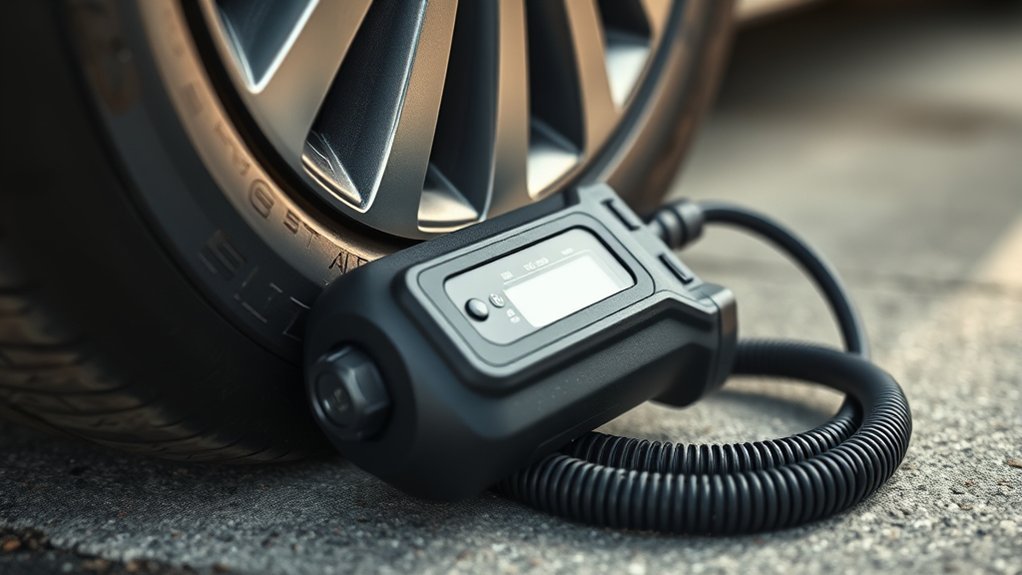
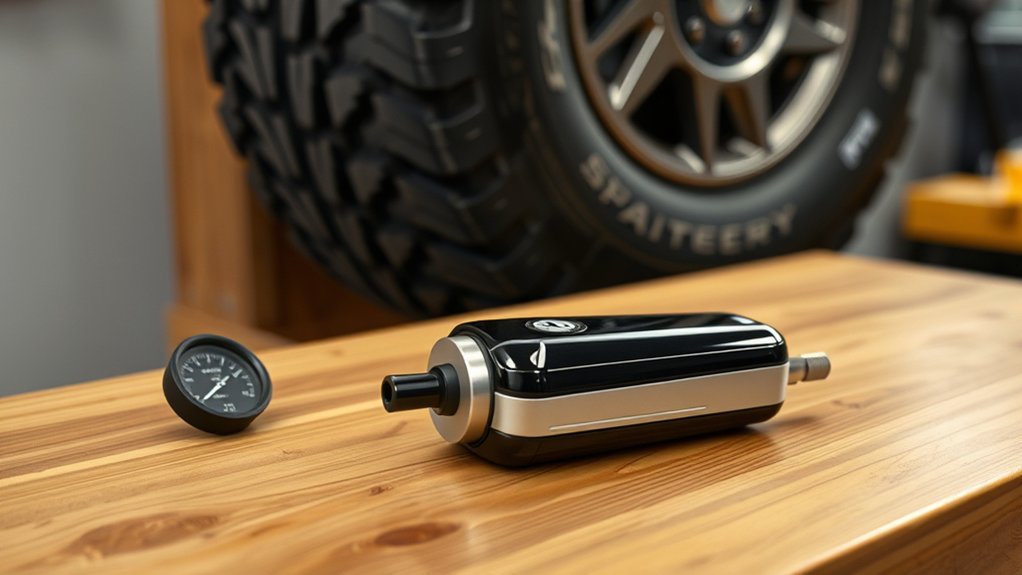
A cordless tire inflator runs on a rechargeable battery, so you can add air without a wall outlet or 12-volt car socket. You attach the chuck to the valve stem, set the target pressure, and start the motor. The built-in compressor then pushes air through the hose and into the tire.
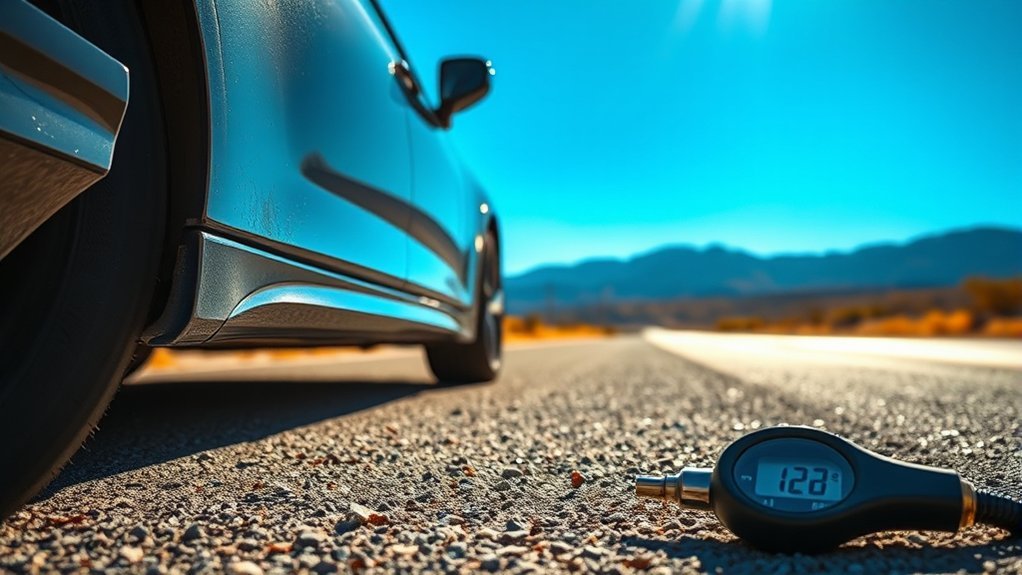
A digital pressure gauge shows real-time pounds per square inch (PSI) while the tire fills. Many inflators let you set a target pressure and use auto shut-off when the tire reaches that number. This feature helps prevent overinflation and saves battery power.
Most kits include nozzle attachments for sports balls, bike tires, and small inflatables. The basic steps stay the same: attach the right adapter, choose the pressure, and start the inflator. Battery life controls how many tires or items you can fill before you need a recharge.
Do You Need a Cordless Tire Inflator?
You should consider a cordless inflator if you drive often, take road trips, park outside overnight, or want a fast way to handle low pressure. It gives you portable top-offs, clear digital readings, and more control than many public air pumps. It also helps with bikes, sports gear, and camping equipment.
A compact battery-powered unit makes the most sense when access to service stations feels limited or inconvenient. It won’t replace tire repair for a puncture or sidewall damage. It can, though, help you correct low pressure before it hurts handling, tire wear, or fuel use.
When To Carry One
If you drive in cold weather or take long trips, a cordless tire inflator can help you respond to pressure drops. Tire pressure often falls when temperatures drop, so regular checks matter more during cold swings. A portable tire inflator lets you correct the pressure before the tire looks visibly low.
Keep one in your vehicle if you travel through rural areas, camp, bike, or use inflatable gear. It also helps if your vehicle tends to lose small amounts of air over time. You gain the freedom to inflate on demand without waiting for a working pump.
Benefits Over Station Pumps
A cordless inflator can replace many routine trips to public air pumps. You can add air at home, in a parking lot, at a campsite, or on the roadside. That control matters when a service station pump is broken, crowded, or hard to reach.
- Saves time: Top off tires in minutes without waiting at a pump.
- Improves portability: Store the inflator in a trunk, garage, or gear bag.
- Supports precision: Use digital gauges and auto shut-off to avoid overfilling.
- Adds emergency value: Handle slow leaks or low pressure until you can inspect the tire.
Warning: Do not drive on a tire with severe damage, exposed cords, a sidewall bulge, or rapid air loss.
Must-Have Specs: Battery, PSI, CFM, and Duty Cycle
Check the battery capacity, pressure range, airflow, and duty cycle before you buy. Battery capacity affects run time, while maximum PSI and cubic feet per minute (CFM) affect what the inflator can fill and how fast it can work. Duty cycle tells you how long the motor can run before it needs a rest.
For most passenger cars, a 120 to 150 PSI maximum rating gives enough headroom. Larger tires need more airflow, so CFM matters as much as maximum PSI. A high pressure rating alone does not guarantee fast tire fills.
Battery Capacity (Ah)
Battery capacity, measured in amp-hours (Ah), helps show how long a cordless tire inflator can run before a recharge. A larger battery usually supports more top-offs, but motor efficiency also matters. Higher pressure targets and longer jobs drain the battery faster.
- Choose higher Ah if you expect to inflate multiple tires in one session.
- Balance battery size with weight, storage space, and charging speed.
- Check whether the battery works with tools you already own.
- Carry a spare battery if you need longer run time away from home.
Maximum Pressure (PSI)
Match the PSI limit to your vehicle and other gear. Many cordless inflators list maximum pressure between 120 and 160 PSI, which covers most passenger cars, light trucks, bikes, and small inflatables. Pick a unit with a maximum pressure above your normal target so the motor does not work at its limit.
PSI tells you pressure, not speed. For larger tires, compare CFM or measured fill times because tire volume affects how long inflation takes. A unit with strong airflow will often feel more useful than one with a high PSI number but slow filling.
Duty Cycle And Cooling
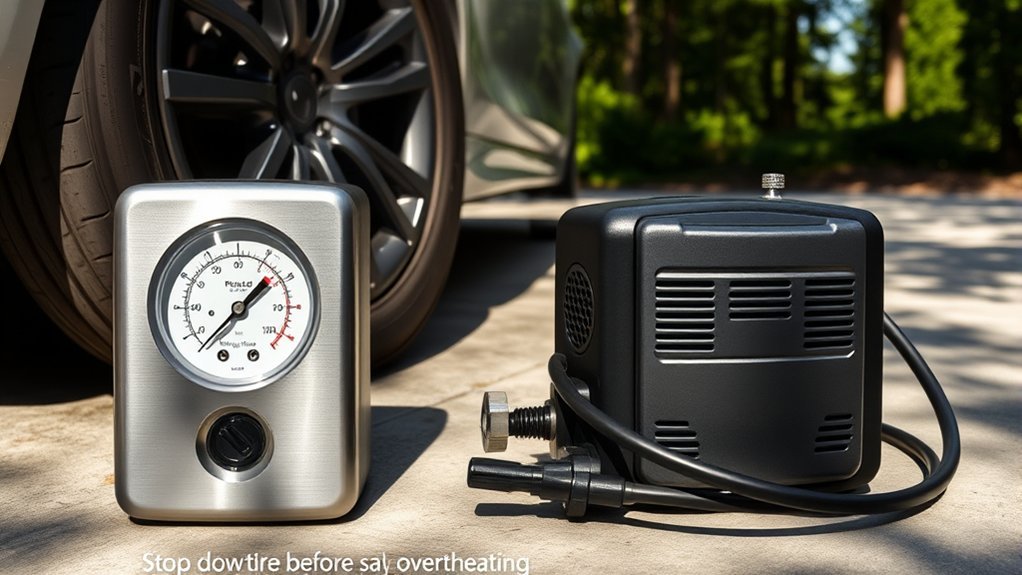
Cordless inflators build heat when they work under load. The duty cycle tells you how long the motor can run before it needs a cooling break. For example, a 50% duty cycle may mean five minutes of use followed by five minutes of rest.
Match the duty cycle to your normal tire inflation needs. A short top-off on one tire may not stress the motor. Filling several large tires can require planned pauses.
- Check the duty cycle before long inflation jobs.
- Match PSI to your tire placard or equipment label.
- Choose higher CFM for faster fills on larger tires.
- Confirm the battery supports repeated use and cooling cycles.
Practical Features to Prioritize: Chuck, Auto-Stop, Hose, and Lights
Prioritize a threaded Schrader chuck, reliable auto-stop, a long flexible hose, and built-in LED lighting. These features improve the seal, reduce overfilling risk, extend reach, and make night use safer. They also make the inflator easier to use when you feel rushed.
Choose a threaded chuck over a loose clip-on fitting when you want a firm, leak-resistant connection. Use auto-stop to set the target PSI and let the unit stop at that point. A clear digital display helps you check pressure while the tire fills.
A longer hose helps you reach valve stems without dragging the inflator against the tire or wheel. A flexible, kink-resistant hose also makes awkward valve positions less frustrating. Built-in lights help you see valve stems, caps, and the work area after dark.
Pro tip: Set the inflator one PSI higher, then recheck with a trusted gauge after the tire cools.
Real-World Inflation Times and Performance Examples
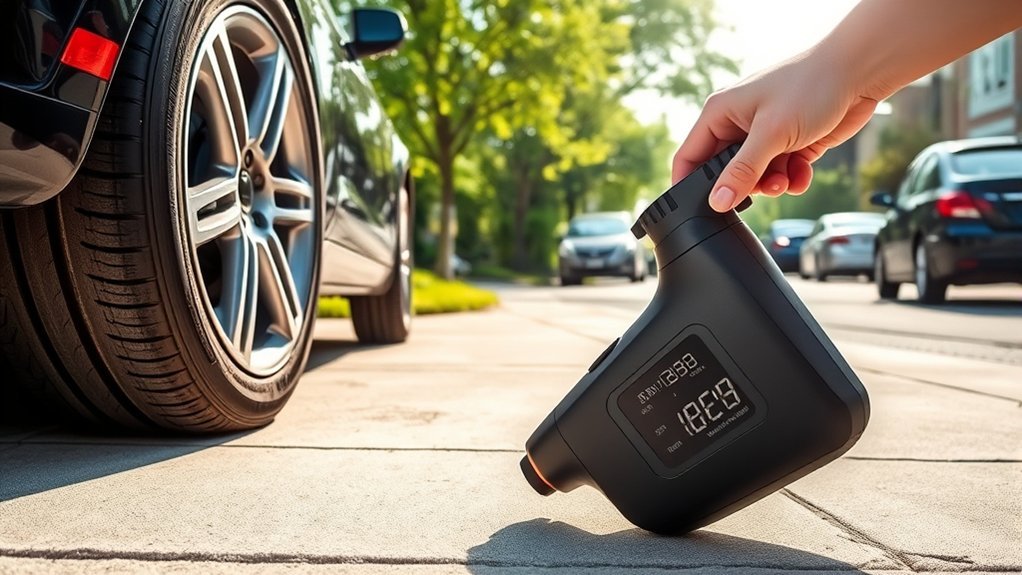
Specs help, but real-world inflation times show how an inflator performs under load. Focus on measured fill rates at common pressure targets when you compare models. A faster unit can matter during a roadside stop or bad weather.
- Milwaukee 2848-20 M18: Strong fit for fast roadside top-offs and frequent use.
- Viair 88P: Useful for heavier use, though it is not a cordless battery-only model.
- Slime Cordless Pro Power: Compact choice for routine driver needs and occasional gear inflation.
- Avid Power and Teromas budget models: Practical for occasional emergency top-offs when speed matters less.
Choose based on how often you need fast fills. If you only top off a few PSI each month, a compact model may work well. If you fill larger tires or help other drivers, favor faster airflow and stronger cooling.
How to Use and Maintain a Cordless Inflator Safely
Safe use starts before you press the power button. Check the battery level, inspect the hose, and confirm the tire’s target pressure on the door placard or equipment label. Use the pressure printed on the tire sidewall only as a maximum limit, not as your normal fill target.
Attach the chuck firmly to the valve stem, then set the target pressure on the digital pressure gauge. Start the inflator and watch the reading while it works. Use auto shut-off when available to reduce overfilling risk.
After each use, wipe the nozzle and valve attachments to remove grit. Store the inflator in a cool, dry place away from extreme heat or cold. Once a month, inspect hoses and fittings, check gauge accuracy against a trusted gauge, and charge the battery.
Common Mistakes To Avoid
Many inflator problems come from rushed setup, not from the tool itself. A poor chuck connection can leak air and make the gauge reading jump. A low battery can also slow the motor and stretch fill times.
- Do not ignore the duty cycle during longer inflation jobs.
- Do not fill tires based only on the tire sidewall number.
- Do not leave the inflator in extreme heat for long storage periods.
- Do not assume the built-in gauge matches a separate tire gauge exactly.
Frequently Asked Questions
How Do I Choose a Portable Tire Inflator?
Choose a portable tire inflator by matching its pressure range, battery life, hose design, and gauge accuracy to your normal use. For cars, focus on secure tire connections and reliable auto-stop. For larger tires, compare airflow and duty cycle before you buy.
How Do I Choose the Right Inflator?
Pick an inflator that fits your vehicle, storage space, and charging habits. Prioritize durable construction, clear controls, fast enough fill times, and a battery system you can keep charged. Shared batteries can help if you already own tools from the same brand.
What Is the Best Cordless Tire Inflator?
The best cordless tire inflator depends on how you plan to use it. A fast, tool-battery model can suit frequent drivers and larger tires. A smaller all-in-one unit can work better for occasional top-offs and compact storage.
Which Is Better, 150 PSI or 300 PSI?
A 150 PSI inflator is enough for most car, bike, and light-truck needs. A 300 PSI rating may help with certain high-pressure equipment, but it does not always mean faster tire inflation. For vehicle tires, airflow and duty cycle often matter more than a very high pressure rating.
Can A Cordless Inflator Fix A Flat Tire?
A cordless inflator can help with a slow leak or low tire, but it cannot repair damage. If the tire loses air quickly, has a puncture, or shows sidewall damage, stop driving and get professional help. Use the inflator only as a short-term aid when the tire can still hold air.
Conclusion
A good cordless tire inflator gives you fast pressure control when a tire needs attention. Choose one with the right battery, PSI range, airflow, chuck, hose, and auto-stop for your vehicle. Keep it charged, follow the duty cycle, and check your tire pressure on a regular schedule. With a little care, it can turn low tire pressure from a roadside problem into a simple maintenance task.