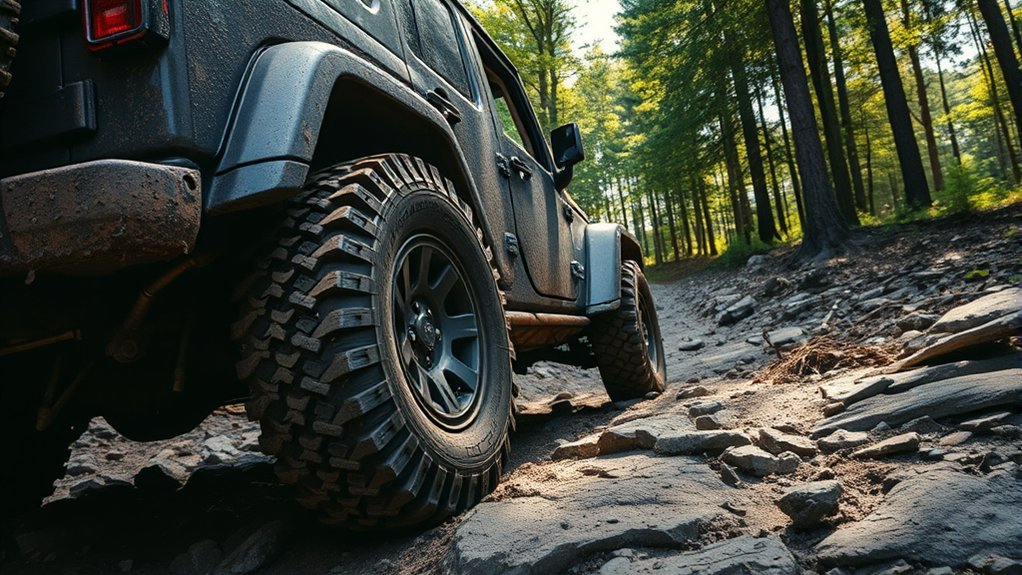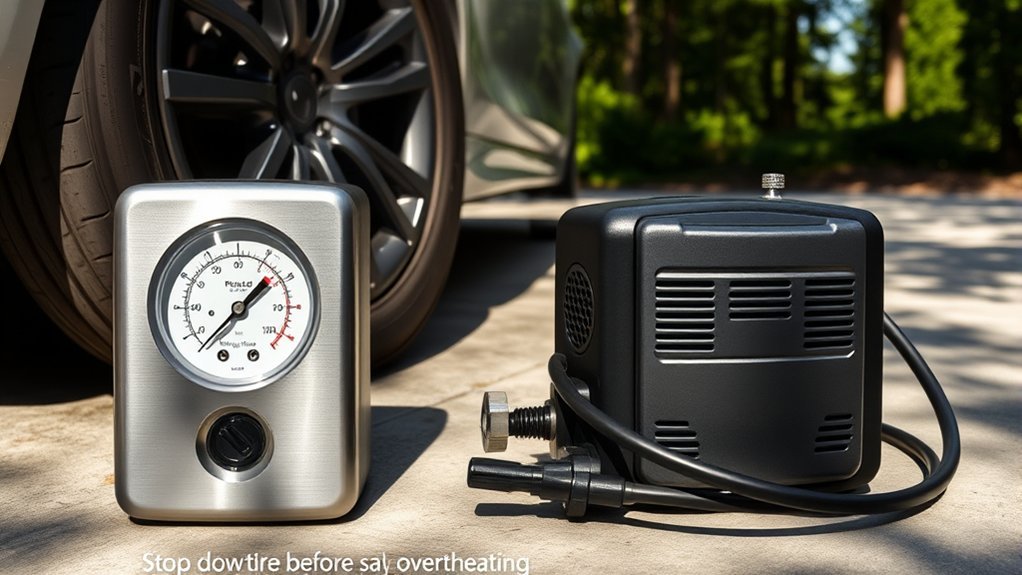
Single vs Twin Cylinder Tire Inflators: Power, Speed, and Durability
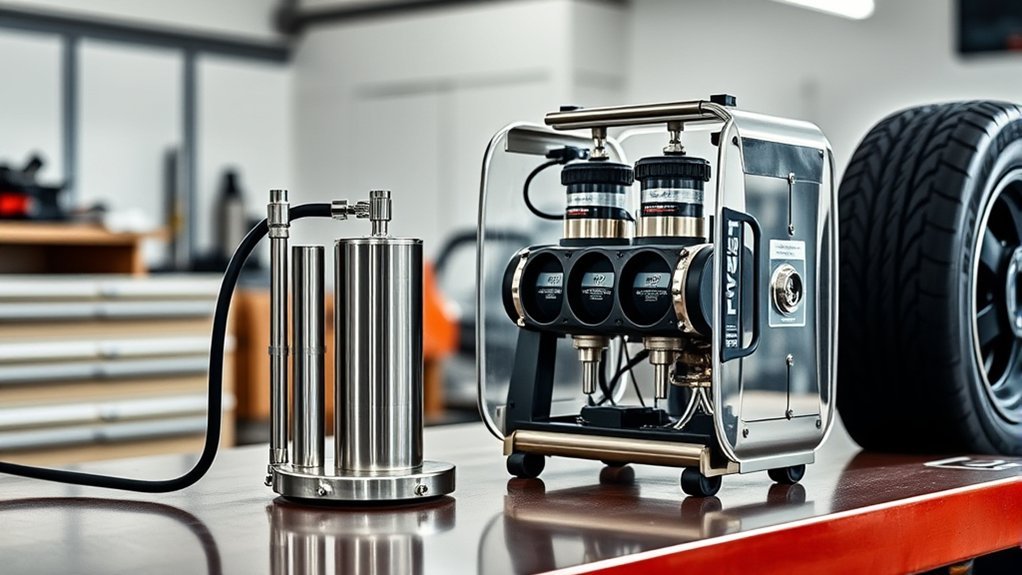
You’ll choose a single-cylinder inflator if you want a compact, low-cost unit for occasional light-duty inflation; it’s quieter, lighter, and fine for cars and motorcycles. A twin-cylinder model gives higher PSI/CFM, faster fills, and better sustained performance for trucks, RVs, or frequent use, though it’s bulkier and costlier. Twin units also tolerate heavier duty and repeat cycles with less strain. Keep going and you’ll find detailed specs, times, and buying tips.
Quick Verdict: Single vs Twin Compressors
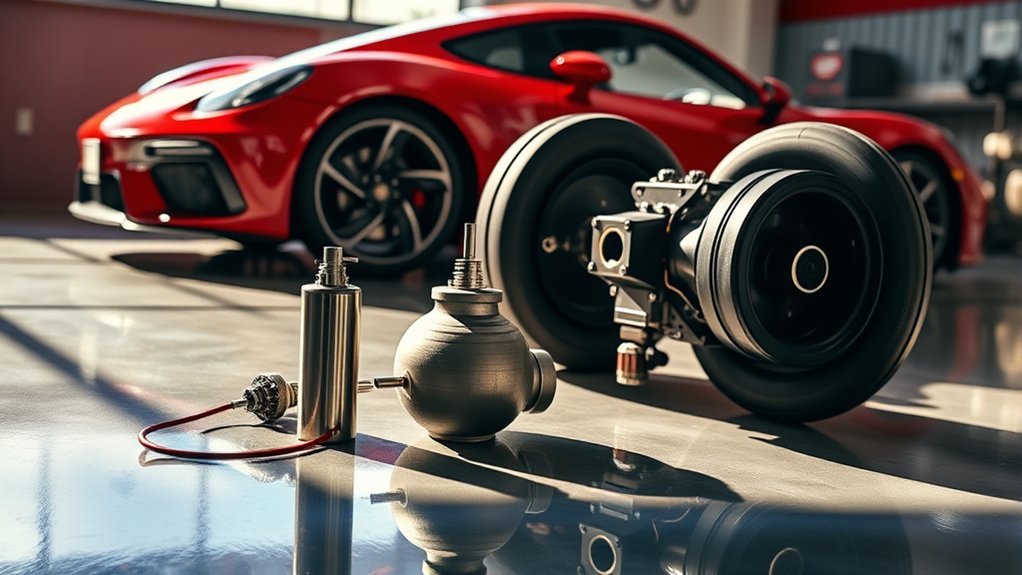
While single-cylinder compressors suit casual users who need compact, affordable gear, twin-cylinder units deliver faster, more durable performance for frequent or heavy-duty inflation tasks. You’ll choose single cylinder compressors when space, cost, and portability matter: they’re compact, simple, and adequate for occasional use or small tires. If you need repeated or large-volume inflation, twin cylinder compressors offer higher airflow and reduced strain per piston, improving durability and sustained output. Evaluate tire inflation time relative to your use case: twin units cut time for multiple or large tires, while singles suffice for sporadic single-tire jobs. Consider maintenance and lifecycle cost: twins distribute workload, lowering thermal and mechanical stress, which often yields better long-term value despite higher upfront cost. Make a decision matrix: frequency of use, tire size, portability requirement, and budget. That methodical assessment lets you opt for liberation through reliable, fit-for-purpose equipment rather than compromise.
Why Twin Cylinders Inflate Faster
Having weighed portability, cost, and use case in the quick verdict, you can now examine why twin-cylinder units deliver faster inflation. You’ll see the mechanics: dual pistons double effective displacement, so the unit moves greater air volume per cycle and can inflate faster without pushing the motor to its limit. Performance data confirm shorter fill times—often reducing several-minute jobs to a couple of minutes—because two cylinders maintain consistent flow and pressure build.
You should note three core advantages:
- Increased airflow output boosts fill rate and reduces time to target PSI.
- Shared workload lowers thermal and mechanical stress, extending service life.
- Consistent air volume delivery sustains higher pressures for larger tires.
This technical, methodical view lets you choose equipment that frees you from slow fills. If you need reliable, efficient inflation for trucks or RVs, a twin cylinder system is designed to maximize speed and durability.
When a Single Cylinder Makes More Sense
If you need an inflator that fits into tight engine bays or stays stowed without opening doors, a single cylinder‘s compact footprint makes installation and access simpler. You’ll also pay less up front, since single-cylinder units are typically more affordable than twins. For occasional, light-duty tire inflation where rapid fill isn’t required, the simpler, portable single cylinder is the more practical choice.
Tight Engine Bay Fit
One compact single-cylinder compressor will often be the practical choice when under-bonnet clearance is tight, because it installs more easily without requiring open doors or extensive repositioning of components. You’ll appreciate a single-cylinder air compressor for its compact fit and installation ease; it tucks into constrained cavities, letting you maintain clean routing and access to other systems. You’ll minimize labor, interference, and risk of snagging wiring. For liberation-focused users who value autonomy and simple solutions, this design supports swift self-service. Consider these practical points:
- Fits into narrow spaces where twin units won’t.
- Reduces removal or relocation of panels and brackets.
- Shortens installation time for DIY repairs and checks.
Choose form-factor over peak throughput when space dictates.
Lower Purchase Cost
Space constraints aside, cost often decides the compressor you buy. You’ll choose a single cylinder when lower purchase cost and functional adequacy matter more than peak performance. A single-cylinder portable air compressor delivers compressed air at rates sufficient for standard vehicle tires and routine maintenance, without the premium of twin-cylinder units. Its simplified design reduces parts, installation time, and long-term upkeep, so you spend less up front and on service. If you prioritize freedom from high expenses and want gear that fits tight spaces, the single unit lets you control costs while retaining dependable inflation capability. Opting for a single cylinder is a deliberate trade-off that maximizes utility per dollar and preserves your mobility.
Occasional Light Use
For occasional light use—such as topping off compact car or motorcycle tires—you’ll find a single-cylinder inflator more practical and efficient. You gain compactness and portability, so you can liberate trunk space and avoid unnecessary bulk. Simpler mechanics reduce maintenance and learning curve; you won’t need advanced skills to connect the air hose or read a tire pressure gauge. Lower cost means you keep extra money for other priorities without sacrificing reliable inflation for smaller PSI ranges.
- Compact storage: fits tight spaces, easy to stow.
- Budget efficiency: lower purchase cost, saves extra money.
- Simplicity: straightforward hookup of air hose and tire pressure gauge.
Choose single-cylinder units when speed and heavy duty power aren’t required.
Key Specs to Compare: PSI, CFM, Duty Cycle
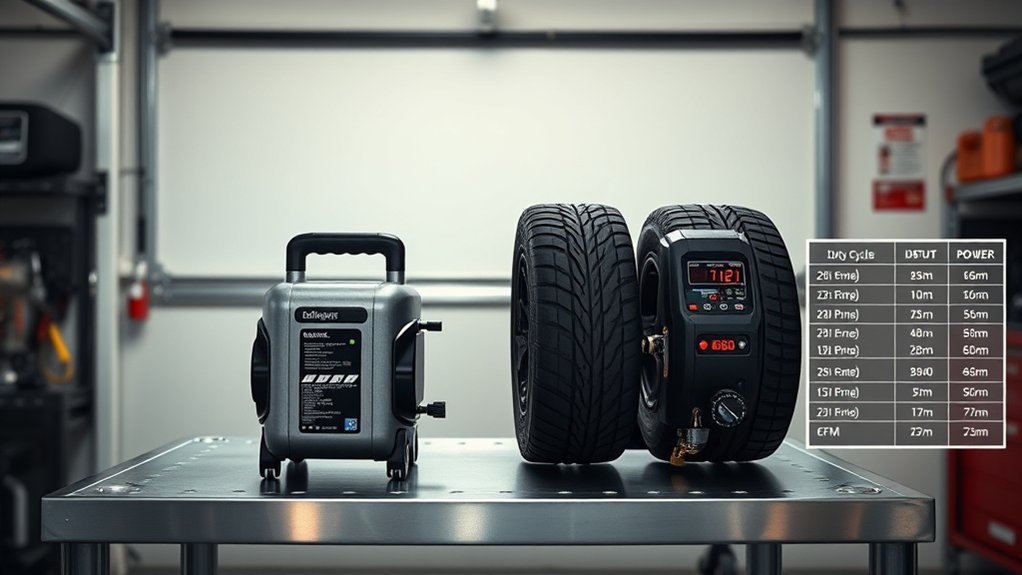
Compare three core specs—PSI, CFM, and duty cycle—when choosing between single- and twin-cylinder tire inflators, because each directly determines the pressures you can reach, how quickly air is delivered, and how long the unit can run under load. You want freedom to travel without being tethered to a service bay; read specs like a manifesto. Twin cylinders often hit ~150 PSI and higher CFM (~12.35 CFM / 350 L/min), so you’ll finish tasks faster and tackle heavy tires. Single units cap near 100 PSI, suit light-duty needs, and fit easily in a cigarette lighter-ready kit or new account gear bag. Duty cycle dictates sustained operation—twins allow longer continuous use, reducing cool-down interruptions.
| Spec | Single Cylinder | Twin Cylinder |
|---|---|---|
| PSI | ~100 PSI | ~150 PSI |
| CFM | Lower | Higher |
Use this precise comparison to claim mobility and control; choose the spec that liberates your routine.
Expected Inflation Times (Car, Truck, RV, Jeep)
Expect about twice the speed from a twin-cylinder inflator versus a single when you need to reach typical tire pressures. You’ll see clear differences in inflation efficiency across Tire size and use cases: cars, trucks, RVs, and Jeeps respond predictably. Twin cylinders halve cycle time for common targets, freeing you to act with more autonomy.
Expect roughly twice the inflation speed with twin cylinders—halving cycle time across cars, trucks, RVs, and Jeeps.
- Car: single 5–7 min to 30 PSI; twin 2–4 min.
- Truck: single 10–15 min to 80 PSI; twin 5–8 min.
- RV/Jeep: single 8–12 min to higher PSI; twin 3–6 min.
Use these benchmarks to match inflator capability to User preferences—speed vs. cost, portability vs. duty cycle. For larger Tire size and higher PSI demands, twin-cylinder units deliver superior throughput and less thermal strain. You’ll gain liberty from long waits and reduced downtime, choosing the setup that aligns with your operational tempo and inflation efficiency needs.
Installation & Compatibility Tips (Engine Bay, Brackets)
Assess engine bay fitment first: measure available space, clearances to heat sources, and wiring access so you can confirm a single cylinder will sit without modifications or a twin will fit with brackets. For bracket mounting options, compare vehicle-specific under-bonnet kits and universal mounts, noting required tools and any reinforcement points. Also verify electrical compatibility and consult 4×4 Mechanic Pty Ltd or a qualified installer when space or bracket complexity exceeds your skill set.
Engine Bay Fitment
One clear advantage of single-cylinder inflators is they usually install easily in tight engine bays without needing to open the car doors, so you can mount and access them quickly for routine use. You’ll value compact engine access, lower compressor weight, and straightforward mounting flexibility when liberating your vehicle from bulky setups. Twin compressors offer higher capacity but demand precise planning for fit and compatibility with vehicle models; anticipate spatial constraints and airflow clearance. Check manufacturer guidance and model-specific fitment notes to avoid damage.
- Verify clearance and heat sources before selecting location.
- Match compressor dimensions to available bay geometry.
- Confirm electrical load capacity and secure grounding.
Plan deliberately, prioritize serviceability, and choose the configuration that frees your mobility.
Bracket Mounting Options
Several common bracket mounting approaches let you fit inflators securely in tight engine bays, and choosing the right one cuts installation time and service issues. You’ll evaluate bracket types: compact single-compressor mounts for constrained spaces and reinforced twin-compressor frames for under-bonnet installs. Expect installation challenges with twins—they often need bespoke brackets, additional clearances, and routing for hoses and wiring. Work with suppliers like 4×4 Mechanic Pty Ltd to obtain tailored brackets that match vehicle compatibility and reduce trial fitting. Verify mounting points, vibration isolation, and access for maintenance before purchase. Prioritise brackets that preserve engine bay airflow and minimize interference with other systems. With precise measurements and the correct bracket type, you’ll overcome compatibility hurdles and liberate your vehicle’s utility.
Trade-Offs: Noise, Portability, Maintenance, Longevity
Although twin-cylinder inflators deliver faster fill rates by sharing the workload between two pistons, they trade off higher noise and greater mechanical complexity compared with single-cylinder units. You’ll weigh noise reduction techniques against performance: single-cylinder units are quieter; twin-cylinder units demand acoustic isolation or enclosure design to reach acceptable decibel levels. Portability solutions favor single-cylinder models — they’re smaller, lighter, and easier to stow in constrained vehicles.
Twin-cylinder inflators boost fill speed but increase noise and complexity; single-cylinder models favor quiet, compact portability.
You’ll also manage maintenance schedules more actively for twin-cylinder units because added components raise inspection and service frequency. Durability favors twin-cylinder designs under heavy use since workload distribution reduces per-component stress, extending operational life if you maintain them properly.
Consider these pragmatic trade-offs:
- Noise vs speed: quieter operation versus faster fills.
- Portability vs power: compactness versus sustained output.
- Maintenance vs longevity: more service for longer life.
Choose based on your priorities for freedom, efficiency, and self-reliance.
Future-Proof Features: Brushless Motors & Cooling

Because brushless motors cut internal friction and eliminate brush wear, they deliver higher efficiency, longer service life, and lower maintenance demands—qualities that make them a core future-proof feature for tire inflators. You’ll gain brushless benefits: improved energy conversion, quieter operation, and extended duty cycles that free you from frequent upkeep. Combine that with purposeful cooling technology—aluminum or steel cylinders, heat sinks, and airflow channels—and the unit sustains performance under prolonged use.
| Component | Effect |
|---|---|
| Brushless motor | Greater efficiency, lower wear |
| Cooling system | Stable temperatures, longer run |
You’ll appreciate that these elements enable practical future innovations: integrated sensors, automatic shut-off, and real-time pressure monitoring. Design choices that prioritize efficient motors and robust cooling give you autonomy—freedom from breakdowns and constraints. Adopt models that pair brushless drives with engineered thermal management to secure durability, performance, and a platform ready for smart upgrades without sacrificing reliability.
Buying Checklist for Trucks & RVs (What to Prioritize)
You’ll want an inflator rated at a minimum of 80 PSI with a high CFM to move air quickly into large truck and RV tires. Check duty cycle and cooling features—longer duty cycles and active cooling (or brushless motors that run cooler) let you inflate multiple large tires without overheating. Also confirm vehicle-battery power input, durable cylinder materials, and hose length to guarantee reliable, repeatable performance in the field.
Max PSI & CFM
Start by prioritizing maximum PSI and CFM together: for trucks and RVs aim for a compressor rated at least 80–100 PSI and with as high a CFM as you can reasonably power, since PSI determines the pressure ceiling for large tires while CFM controls how quickly you reach that pressure. You’ll value maximum pressure considerations and airflow efficiency equally to maintain operational freedom on the road. Match tire compatibility factors to the compressor spec sheet, and confirm vehicle battery connection capability for heavy-duty units. Prioritize durable construction and adequate hose length for accessibility. Consider this checklist:
- PSI ≥ 80–100 for large tire capability.
- CFM high enough to minimize inflation time.
- Power source compatibility (direct battery hookup).
Duty Cycle & Cooling
Duty cycle and cooling determine how long you can run a compressor before it needs to rest, so prioritize models rated at or above a 50% duty cycle for trucks and RVs to handle multiple tire fills or tool use without frequent cooldowns; pair that with aluminum or steel cylinder construction and active cooling or thermal protection to reduce heat soak and extend continuous operation. You need clear duty cycle performance and cooling efficiency metrics to plan fills and tool runs; balance CFM with duty cycle to avoid stalls. Choose units with thermal protection to safeguard components and maintain payload freedom on long routes. Inspect cylinder material, fan or finning, and auto-shutdown thresholds to guarantee resilient, liberating field performance.
| Parameter | Importance |
|---|---|
| Duty cycle performance | High |
| Cooling efficiency | High |
| Thermal protection | Critical |
| CFM vs duty cycle balance | Essential |
Top Picks and Short Recommendations (Single + Twin)
Because space and budget matter for many drivers, pick a single-cylinder inflator when you need a compact, easy-to-install unit for occasional use, and choose a twin-cylinder model when you require faster, more durable performance for larger tires or frequent inflation. You’ll favor single-cylinder for small cars and infrequent inflation frequency; it’s cheaper, lighter, and pairs well with basic compressor accessories. For trucks, RVs, or off-road rigs, go twin-cylinder for higher airflow, longer duty cycles, and reduced motor strain.
Recommend succinct picks and actions:
- Single: compact model — prioritize easy install, basic user maintenance tips, and minimal accessories.
- Twin: Kohree 12V — 150 PSI, 12.35 CFM; use for heavy-duty, fast fills and higher inflation frequency.
- Value choice: favor twin for long-term durability; invest in quality hoses, clamps, and a pressure gauge.
You’ll act methodically: match inflator type to vehicle demands, schedule maintenance, and standardize compressor accessories for liberation through reliable, independent mobility.
Frequently Asked Questions
What Is the Most Reliable Portable Tire Inflator?
The most reliable portable tire inflator is a dual-cylinder model like Kohree; you’ll get portable inflator features, superior tire pressure maintenance, and proven inflator brand reliability, with thermal shut-off, sturdy construction, and accurate gauges.
Which Is Better Single Screw or Twin Screw Compressor?
Twin screw wins for most users: you’ll get superior performance comparison results, higher efficiency analysis scores, and longer-term durability; you’ll accept slightly higher maintenance requirements but gain faster, more reliable inflation and better long-term value.
What Is Better, a Single-Stage or Two-Stage Air Compressor?
You’ll choose two-stage if you need sustained high PSI and durability; single-stage advantages matter when portability and simplicity free your workflow. Assess two stage efficiency versus application suitability, then pick what liberates your operations.
Which Air Compressor Lasts the Longest?
Twin-cylinder compressors last longest: durability factors include heat reduction and load distribution; maintenance tips are regular oil checks and valve inspections; monitor usage frequency to schedule servicing, and you’ll preserve lifespan and operational freedom.
Conclusion
You’ll pick speed or simplicity like choosing between a sprint and a pocket watch: twins sprint, pushing higher CFM and shorter fill times for trucks and RVs, while singles tick reliably, lighter and easier to stash. Match PSI, duty cycle and cooling to your load, and prefer brushless motors for longevity. Don’t be sentimental — prioritize required CFM/PSI, portability, and maintenance schedule, and you’ll get the right inflator without overpaying for show.