Tire Inflator vs CO2 Cartridge: Which Is Better for Emergencies?
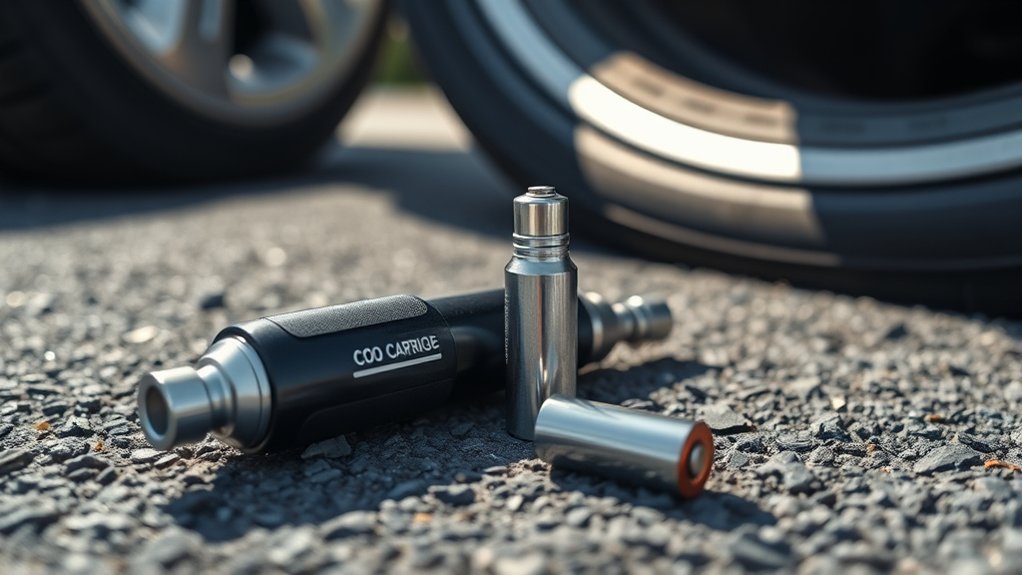
Flat tires force a fast choice: use a carbon dioxide (CO2) cartridge for instant pressure, or use a pump for repeatable control. CO2 gets you rolling in seconds, but it’s a single-use fix that can lose pressure faster than normal air. Portable electric inflators take longer, but they give you controlled pressure without spare cartridges. This guide compares speed, size, cost, reliability, and best use cases so you can pack the right roadside kit.
What’s in This Article
- Quick Verdict: When CO2 Wins and When Electric Inflators Win
- CO2 Cartridges, Electric Compressors, and Hand Pumps Explained
- How CO2 Cartridges Work in an Emergency
- How Hand and Electric Inflators Perform Roadside
- Speed, Portability, and Reliability Compared
- Cost, Consumables, and Environmental Impact
- Best Choice by Rider and Trip Type
- Choose CO2 If You Need Speed and Minimal Bulk
- Choose an Electric Inflator If You Need Repeatable Pressure
- Practical Checklist and Common Roadside Fixes
- Frequently Asked Questions
- Conclusion
Quick Verdict: When CO2 Wins and When Electric Inflators Win
Quick Answer
Choose CO2 when speed and low weight matter most. Choose an electric inflator when you need repeatable, controlled pressure for more than one tire. Many riders carry CO2 for the first fast fix and a small pump as backup.
Key Takeaways
- Use CO2 for fast, compact emergency inflation during races or short rides.
- Use an electric inflator for repeatable pressure control and multiple fills.
- Carry extra CO2 cartridges if you ride larger tires or tubeless setups.
- Recheck tire pressure after using CO2 because it can seep faster than air.
- Pack a backup pump when a failed cartridge would leave you stranded.
Quick verdict: CO2 works best for riders who value speed, low weight, and a single fast repair. Electric inflators work best for commuters, drivers, and riders who want repeatable pressure without consumables.
CO2 cartridges deliver a fast burst of pressure, often filling small bike tires in seconds. They work well for emergency fixes, but they can require more than one cartridge for larger tires. They also give you less pressure control than a pump.
Electric inflators take several minutes, but they let you set or check pressure with more control. They cost more up front, but they avoid single-use cartridges. For long trips, group rides, and vehicle use, an electric inflator gives you more independence from consumables.
CO2 Cartridges, Electric Compressors, and Hand Pumps Explained
Before you compare options, it helps to know the basic terms. Carbon dioxide (CO2) cartridges are small metal canisters filled with compressed gas. You attach one to an inflator head, open the valve, and send gas into the tire.
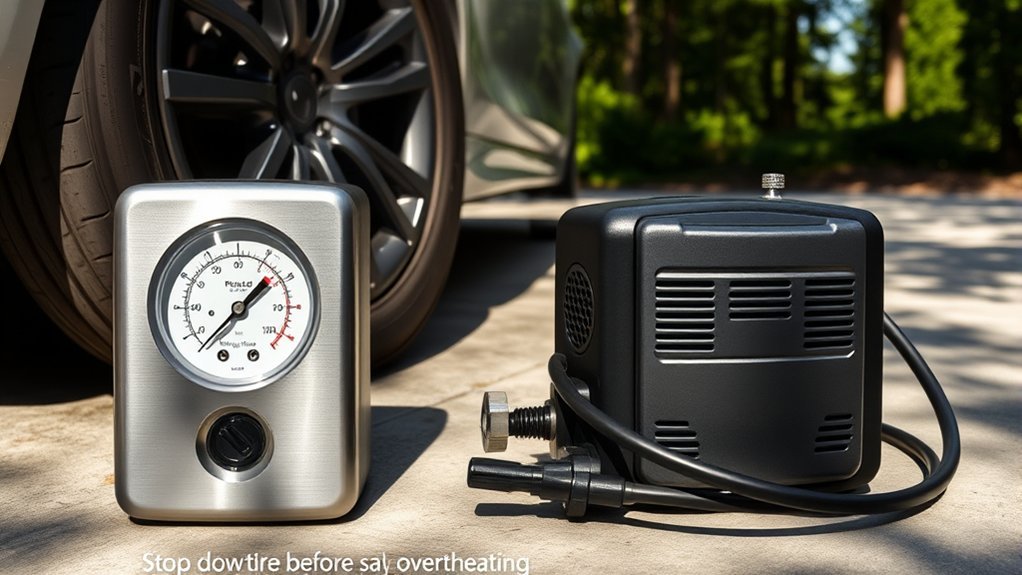
Electric pumps, often called portable compressors or electric inflators, use a motor and battery or power cord. They deliver repeatable inflation and can help you reach a target pressure more easily. They weigh more than CO2, and they need a charged battery or power source.
Hand pumps and frame pumps use manual force. They take more effort, but they don’t need cartridges or power. The broader term tire inflator can refer to CO2 heads, electric pumps, or manual pumps.
How CO2 Cartridges Work in an Emergency
A CO2 cartridge releases compressed gas into your tire in a rapid burst. You screw the cartridge into a compatible inflator head, fit the head to the valve, and open the flow. Many small road tires can reach usable pressure very quickly.
The cartridge gets cold as the gas expands, so protect your fingers during use. The fill depends on cartridge size, tire volume, valve fit, and how much gas escapes while you attach the inflator. CO2 also seeps through rubber faster than regular air, so you should recheck pressure after the repair.
- Cartridge sizes: 16g, 20g, and 25g cartridges suit different tire volumes.
- Handling: Attach the inflator carefully because the cartridge gets cold.
- Use count: Treat each cartridge as single-use once pierced.
- Pressure control: Expect less precision than you get from a pump.
- Follow-up: Recheck and top up the tire before a longer ride.
Warning: CO2 cartridges can become cold enough to irritate skin, so use the sleeve or hold the inflator head.
How Hand and Electric Inflators Perform Roadside

Hand pumps work almost anywhere, but they require effort and time. A small mini pump may take several minutes to reach rideable pressure. High-pressure road tires can feel especially slow with a short pump body.
Electric inflators reduce effort and give you more repeatable pressure. Many models let you set a target pressure, then stop when the tire reaches it. They work well when you can charge the battery or plug into a vehicle outlet.
CO2 still wins on raw speed. Electric inflators win when you need more than one fill or better pressure control. A hand pump remains the simplest backup because it does not depend on cartridges or battery charge.
Speed, Portability, and Reliability Compared
Speed, size, and reliability pull you in different directions. CO2 gives you the fastest fill and the smallest kit. Electric inflators take more space, but they can fill tire after tire as long as power holds.
Think about failure points before you pack. CO2 can run out, leak during setup, or give you less pressure than expected. Electric inflators can lose charge, overheat, or fail if the motor or hose breaks.
| Factor | CO2 Cartridges | Electric Inflators |
|---|---|---|
| Speed | Fastest, often seconds for small tires | Slower, often several minutes |
| Pack size | Very small and light | Bulkier and heavier |
| Repeat use | Limited by cartridge count | Limited by battery or power source |
| Pressure control | Less precise | More precise on many models |
| Best fit | Racing, short rides, fast repairs | Commuting, vehicles, group rides |
- CO2: fastest fill and smallest pack size.
- Electric pump: better repeat use and pressure control.
- CO2 weakness: single-use cartridges can leave you short.
- Electric weakness: batteries and motors can fail.
- Best strategy: match the tool to the trip and carry backup when risk is high.
Cost, Consumables, and Environmental Impact
CO2 cartridges cost less up front, but each use adds a new cost. A larger tire or poor seal may require more than one cartridge. That makes CO2 less economical if you deal with flats often.
Electric inflators cost more at purchase, but they remove cartridge waste and recurring cartridge costs. They still need care, charging, and eventual battery replacement. For frequent use, they often make more sense than disposable cartridges.
| Metric | CO2 Cartridges | Electric Inflators |
|---|---|---|
| Upfront cost | Lower per item | Higher device cost |
| Consumables | Single-use cartridges | Reusable device |
| Waste | Recurring cartridge disposal | Less waste if maintained |
| Pressure retention | Shorter than air in many tubes | Uses air for normal retention |
Note: Recycle or dispose of spent cartridges according to local rules, since guidance can vary by area.
Best Choice by Rider and Trip Type
Your best choice depends on where you ride and how much backup you need. Road racers often choose CO2 because it saves time and weight. Commuters, mountain bikers, and drivers may prefer a pump or electric inflator for repeat use.
Road and Racing
Road cyclists often choose CO2 when every second matters. A small cartridge and inflator head fit in a saddle bag or jersey pocket. That makes CO2 easy to carry during races and fast group rides.
Carry enough cartridges for your tire size and risk level. One cartridge may work for many small road tires, but poor setup can waste gas. A compact pump gives you a safer backup when you cannot afford a failed fill.
- Rapid inflation: CO2 helps you return to pace quickly.
- Minimal weight: Small cartridges keep your kit light.
- Simple setup: Practice before race day so you avoid wasting gas.
- Backup pump: A small pump helps if the cartridge fails.
- Spare cartridges: Larger tires and repeated flats need more gas.
Commuter, MTB, and Driver Use
Commuters need dependable tools, not just fast tools. CO2 works well for short urban rides, but a hand pump or electric inflator handles more than one stop. That matters when your ride includes errands, bad roads, or repeat pressure checks.
Mountain bike (MTB) riders may use CO2 to reseat a tubeless tire or add quick pressure on trail. Larger tire volume can drain cartridges fast, so carry spares and sealant. Drivers usually benefit from electric inflators because vehicle tires need more air and more time.
Choose CO2 If You Need Speed and Minimal Bulk
Choose CO2 if your main goal is a fast, light emergency repair. It suits road racing, short rides, and riders who want the smallest possible kit. It also helps when you need a quick burst to seat some tubeless beads.
CO2 works best when you already know your cartridge size and inflator head. Practice at home before you depend on it roadside. A small mistake can empty the cartridge before your tire reaches usable pressure.
Choose an Electric Inflator If You Need Repeatable Pressure
Choose an electric inflator if you want controlled pressure and multiple fills. It suits commuters, drivers, group rides, and long trips. It also helps when you need to top off tires often.
Check battery charge before each trip and know the inflator’s duty limits. Some compact units need breaks between longer fills. Keep a hose, valve adapter, and charging cable with the inflator so the kit stays complete.
Pro tip: Test your full repair kit at home, including valve fit, before you trust it on a ride.
Practical Checklist and Common Roadside Fixes
A good roadside kit helps you fix the flat before you inflate the tire. Pack tire levers, a patch kit or spare tube, a pump or CO2 cartridges, a valve adapter, and a pressure gauge. Check the kit often so you don’t carry empty cartridges or a dead battery.
Match your tools to your valves. Many bikes use Presta valves, while many cars and some bikes use Schrader valves. Confirm fit before your trip so you don’t discover a mismatch after a puncture.
Quick Flat Repair Steps
- Assess the flat tire. Find the puncture, remove any sharp object, and decide whether you need a patch or spare tube.
- Remove or repair the tube. Use tire levers carefully, patch the tube, or install your spare tube.
- Fit the inflator correctly. Confirm Presta or Schrader valve fit before you open the CO2 cartridge or start the pump.
- Inflate in a controlled way. Add pressure slowly when possible, then check the bead and valve seal.
- Recheck pressure after riding. Stop soon after the repair and top off the tire if pressure drops.
Essential Roadside Tools
Build a compact kit that covers common tire and drivetrain problems. Store it in a waterproof roll, saddle bag, or frame bag. Keep the items easy to reach when you’re tired, wet, or stuck near traffic.
- Inflation tool: Carry a CO2 inflator, hand pump, electric inflator, or a mix.
- Tube repair: Pack tire levers, patches, and at least one spare tube.
- Tubeless support: Carry plugs, sealant, and a valve core tool if you ride tubeless.
- Pressure check: Use a gauge when accurate pressure matters.
- Basic repairs: Add a multi-tool, chain tool, quick link, and nitrile gloves.
Frequently Asked Questions
Is a CO2 Bike Tire Inflator Better Than a Pump?
A CO2 bike tire inflator works better when you need the fastest possible emergency fill. A pump works better when you need repeat use, better pressure control, and no consumables.
Does CO2 Leak Out of Tires Faster Than Air?
Yes, CO2 can seep through rubber faster than regular air. After a CO2 repair, recheck the tire during the ride and replace the CO2 with air when you get home.
Should I Buy a Tire Inflator or Air Compressor?
Buy a portable tire inflator if you want a compact tool for bikes, cars, and roadside pressure checks. Choose a larger air compressor if you need shop use, faster vehicle tire fills, or frequent high-volume inflation.
How Much PSI Can a CO2 Cartridge Hold?
A CO2 cartridge does not guarantee one fixed tire pressure because tire size controls the final result. A 16g cartridge may bring many small road tires near usable pressure, but larger tires often need more gas.
How Many CO2 Cartridges Should You Carry?
Carry at least one cartridge for a short road ride and more for larger tires, tubeless setups, or remote routes. Two cartridges give you more margin if the first fill leaks or you get a second flat.
Conclusion
CO2 cartridges give you the fastest and smallest emergency inflation option, while electric and hand pumps give you repeatable backup. Choose CO2 when speed matters most, and choose a pump when control and reuse matter more. Before your next ride, test your full kit at home and confirm your valve fit. The best roadside setup is the one you can use calmly when a flat interrupts your day.