What’s in This Article
- Toyota Supra Sport Roof: GR Supra Sport Top Explained
- A Brief History of Supra Sport Roof Models
- Key Design Features of the GR Supra Sport Top
- Engine Performance and Driving Feel
- Enthusiast Reactions to the Sport Top Concept
- How 3D Printing Shaped the Sport Top Roof
- Could the Supra Sport Top Reach Production?
- Why This Concept Matters
- Frequently Asked Questions
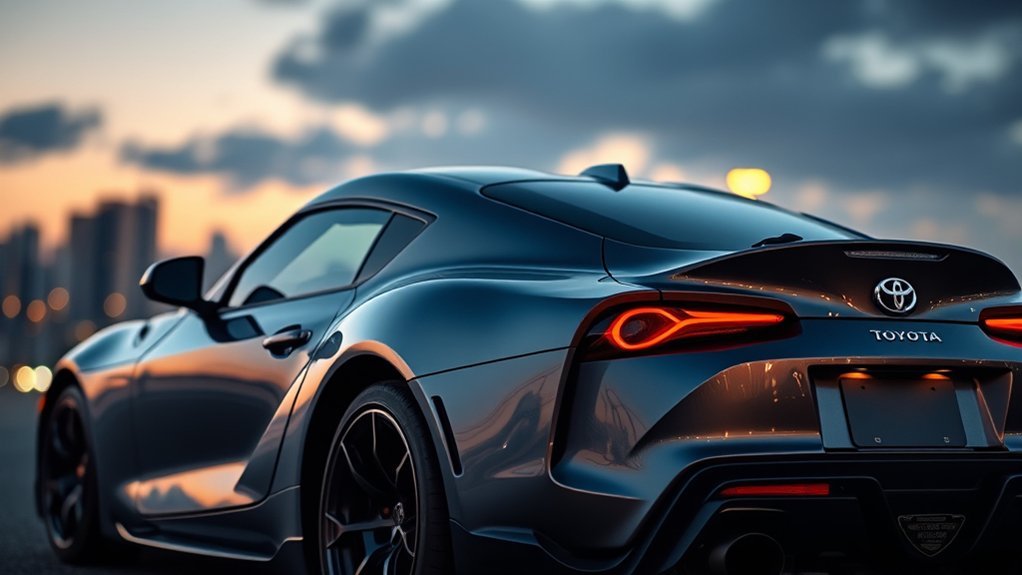
The Toyota Supra Sport Roof idea matters because it connects the modern GR Supra to one of the nameplate’s most loved features. Toyota officially revealed the one-off GR Supra Sport Top concept in 2020 as a modern tribute to the removable-roof Supra models of the past. It used two 3D-printed composite roof panels, extra body reinforcement, and a design inspired by the MkIV Supra’s open-air character.
Quick Answer
The Toyota Supra Sport Roof usually refers to Toyota’s removable-roof Supra heritage and the modern GR Supra Sport Top concept. Toyota built the Sport Top as a one-off SEMA360 concept, not a production model. It showed how a modern Supra could bring back open-air driving while keeping the coupe’s performance focus.
Key Takeaways
- The GR Supra Sport Top was a one-off concept, not a production Supra trim.
- Toyota used two 3D-printed composite roof panels that could fit in the trunk.
- The concept honored earlier Supra Sport Roof and targa-style models from the A70 and A80 generations.
- Toyota added reinforcement to help support the car after removing the fixed roof panel.
- The current GR Supra does not offer a factory sunroof, targa top, or removable Sport Roof.
Toyota Supra Sport Roof: GR Supra Sport Top Explained
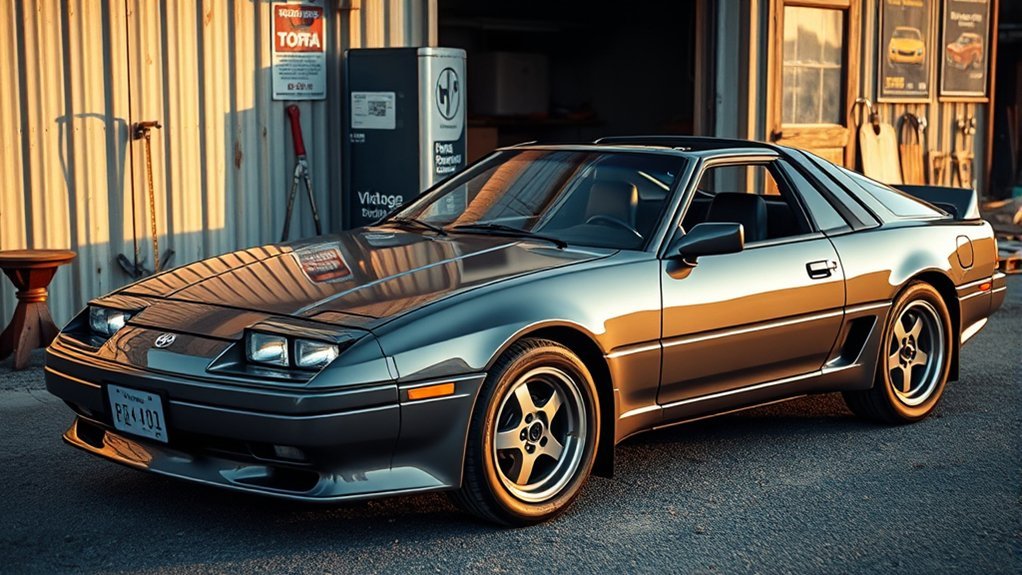
The Toyota GR Supra Sport Top stands out because it revives a familiar Supra idea in a modern way. Toyota built the concept for SEMA360 and used it to honor the removable-roof design many fans link with older Supra models.
According to Toyota’s official pressroom, the roof used two 3D-printed composite panels made by Toyota Motor North America Research and Development in Ann Arbor, Michigan. The panels followed the GR Supra’s body lines and could be stored in the trunk.
Toyota also kept the windshield header and the outer roof body structure shapes. To help protect rigidity, the team reinforced the roof’s outer body structures and added support underneath from the engine bay to the rear tub.
A Brief History of Supra Sport Roof Models
The Supra’s removable-roof history started before the modern GR Supra. Toyota added a Sport Roof model to the Supra in 1986, and the company said it gave the driver and passengers a more open and airy cabin. Toyota also reinforced many body sections to support handling and stability.
In 1993, Toyota launched the new fourth-generation Supra and said it could be equipped with a removable aluminum sport roof. That A80 generation helped make the open-roof Supra a lasting part of the car’s image.
Iconic Mk4 Supra Design
The Mk4 Supra, also called the A80 Supra, gave the Sport Roof idea a stronger place in car culture. Its removable roof helped drivers enjoy open-air motoring while keeping the shape and feel of a sports coupe.
The Mk4 Supra also gained fame through tuning culture and film culture. The orange Supra in The Fast and the Furious helped bring the model to a much wider audience.
Why the Sport Roof Became Popular in the 1990s
The 1990s gave the Supra Sport Roof a clear identity. It offered a mix of style, performance, and open-air driving that many sports car fans wanted.
| Feature | Why It Mattered | Reader Takeaway |
|---|---|---|
| Removable Roof | Added an open-air driving feel | You got more freedom without a full convertible |
| Turbo Performance | Supported the Supra’s strong performance image | You could pair open-air driving with real power |
| Clean Coupe Shape | Kept the Supra’s sleek profile | You did not lose the coupe look |
| Body Reinforcement | Helped support handling and stability | You got a more balanced design |
Modern Remake Inspirations
The GR Supra Sport Top concept took direct inspiration from the older removable-roof Supra models. Toyota did not copy the old design exactly, but it brought back the same feeling with modern materials and build methods.
The concept used two composite roof panels instead of one large removable panel. This made the panels easier to handle and easier to store inside the car.
Key Design Features of the GR Supra Sport Top
The GR Supra Sport Top focused on three main design goals: open-air driving, strong body support, and a clean factory-style look. Toyota had to remove part of the fixed roof, so the team also had to add support in key areas.
Removable Targa-Style Roof Design
The removable targa-style roof gave the concept its main appeal. It created an open cabin feel while keeping the Supra’s coupe layout.
- Open view: The design avoided a center bar, so you got a cleaner view above the cabin.
- Two-piece layout: The roof used two panels, which made removal and storage more practical.
- Trunk storage: Toyota designed the panels so they could fit in the trunk.
- Factory-style shape: The panels followed the GR Supra’s body lines for a clean look.
Enhanced Structural Reinforcements
Removing a fixed roof can reduce body stiffness, so Toyota added reinforcement to the Sport Top concept. Toyota’s pressroom says the team reinforced the roof’s outer body structures and added support underneath from the engine bay to the back of the tub.
That work helped the concept keep the feel of a performance coupe. It also showed why a removable-roof Supra needs more engineering than a simple roof cut.
Warning: Cutting a fixed roof from a modern car can weaken the body, affect crash safety, and create leaks if a qualified builder does not engineer it correctly.
Lightweight Construction Benefits
The Sport Top concept used composite roof panels, which helped Toyota shape a removable roof without using heavy metal panels. Toyota did not publish a final weight-saving figure for the concept, so you should avoid claims that it cut weight by a set percentage.
- Composite panels: The material helped create a shaped roof with a precise fit.
- 3D-printed process: Toyota used 3D printing to form the two roof panels.
- Body support: Extra reinforcement helped balance the roof change.
- Open-air function: The panels gave the concept its semi-open driving feel.
Engine Performance and Driving Feel
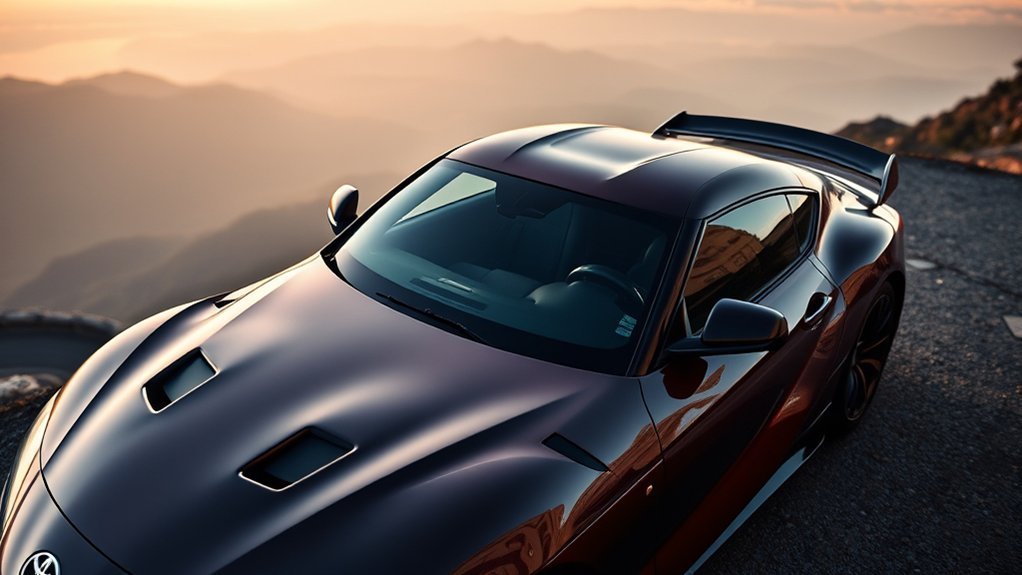
The GR Supra Sport Top concept focused more on roof design than new engine hardware. It used the modern GR Supra platform, which Toyota offered in 2021 with a 2.0-liter turbocharged inline-four and a 3.0-liter turbocharged inline-six.
Toyota’s 2021 GR Supra press materials list the 2.0-liter engine at 255 horsepower and 295 lb-ft of torque. Toyota also updated the 3.0-liter inline-six for 2021, giving the six-cylinder model stronger performance than the first U.S. model year.
For the 2026 GR Supra, Toyota lists a 3.0-liter turbocharged inline-six, a 0 to 60 mph time of 3.9 seconds, and either a 6-speed manual or 8-speed automatic transmission. The Sport Top concept did not become a separate engine trim.
Enthusiast Reactions to the Sport Top Concept
Supra fans reacted strongly because the concept answered a request many enthusiasts had made since the fifth-generation Supra arrived. They wanted a modern version with the open-air character of older Sport Roof models.
- The two-piece roof brought back a familiar Supra idea without copying the old car exactly.
- The 3D-printed composite panels showed how modern methods can support heritage design.
- The trunk-storable roof made the concept feel more practical than a pure show car.
- The lack of production plans left many fans wishing Toyota had offered a factory targa model.
How 3D Printing Shaped the Sport Top Roof
3D printing played a key role in the GR Supra Sport Top concept. Toyota used it to create two composite panels that matched the Supra’s roof shape and body lines.
This process helped Toyota test a complex idea without building a full production roof system. It also showed how concept builds can use fast design work to bring heritage ideas back in a modern form.
Note: The 3D-printed roof panels helped Toyota build the concept, but that does not mean the same process would appear in a mass-production Supra.
Could the Supra Sport Top Reach Production?
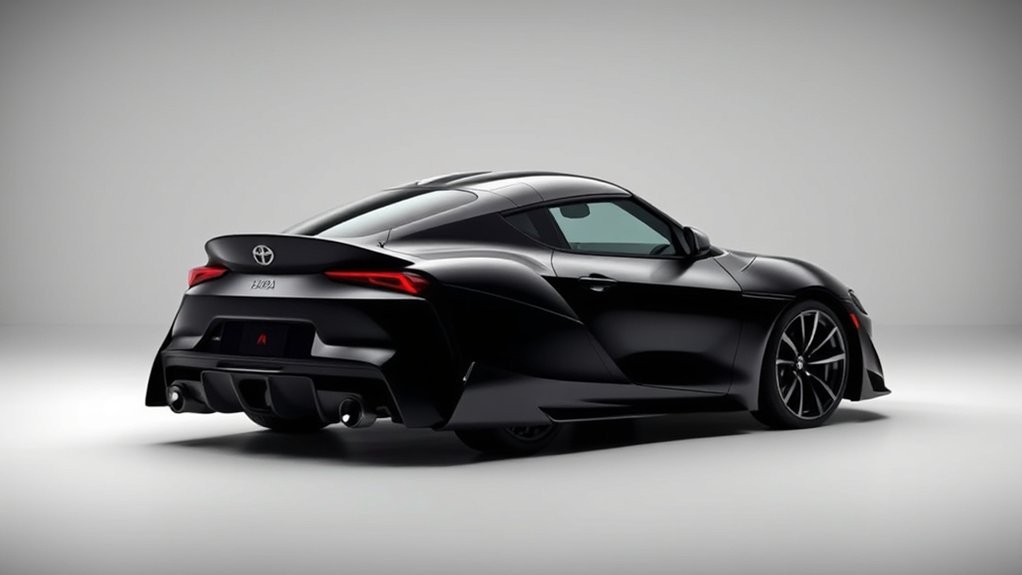
Toyota has not announced a production GR Supra Sport Top. As of May 2026, Toyota sells the 2026 GR Supra with the MkV Final Edition, and Toyota’s pressroom says fifth-generation GR Supra production ends in spring 2026.
That timing makes a production Sport Top for the current MkV Supra unlikely. The concept still matters because it shows that Toyota understands the value of the Supra’s removable-roof heritage.
- Heritage appeal: The design connects directly to A70 and A80 Supra Sport Roof models.
- Fan demand: The concept showed that enthusiasts still want a removable-roof Supra.
- Engineering challenge: A factory version would need safety, sealing, durability, and body-stiffness work.
- Model timing: The MkV Supra’s production end makes a late factory targa version unlikely.
Why This Concept Matters for Automotive Heritage and Innovation
The Toyota GR Supra Sport Top concept matters because it links old Supra character with modern build methods. It does not just add a removable roof. It shows how Toyota can use design history as a guide for future sports cars.
The concept also highlights a hard truth about modern performance cars. A removable roof can add joy, but it also requires careful engineering to protect body strength, safety, weather sealing, and daily usability.
For Supra fans, the Sport Top remains a strong reminder of what made earlier models special. It gives you a clear look at how heritage and modern manufacturing can work together when a brand treats its past with care.
Frequently Asked Questions
Does the Toyota Supra Have a Sunroof?
No, the current Toyota GR Supra does not offer a factory sunroof. Toyota sells it as a fixed-roof coupe, and the Sport Top was only a one-off concept.
Do the New Supras Have a Targa Top?
No, new production GR Supra models do not have a factory targa top. Toyota built the GR Supra Sport Top concept to show the idea, but it did not become a production trim.
What Does a Toyota Supra Top Out At?
Toyota does not promote the GR Supra mainly by top speed, but many modern GR Supra listings cite an electronically limited top speed of about 155 mph. For most drivers, acceleration, braking, and handling matter more than the top-speed number.
Is a Supra Faster Than a Hellcat?
A Dodge Challenger Hellcat has far more horsepower than a stock GR Supra, so it can be faster in many straight-line speed tests. The Supra counters with lighter weight, sharp handling, and a more compact sports-car feel.
Can You Convert a GR Supra to a Targa Top?
A custom shop could modify a GR Supra, but a roof conversion needs serious structural, sealing, and safety work. You should treat it as a major custom build, not a simple cosmetic change.
Conclusion
The Toyota Supra Sport Roof idea matters because it keeps one of the Supra’s most memorable features alive. Toyota’s GR Supra Sport Top concept proved that a modern removable-roof Supra can look natural and honor the A70 and A80 generations.
You should view it as a heritage concept, not a production model you can order from a dealer. If Toyota builds another Supra generation, the Sport Top concept gives fans one clear request: bring back open-air driving with proper factory engineering.
References
- GR Supra Sport Top Blows the Roof Off the Competition — Toyota USA Newsroom, 2020
- Toyota Adds Sport Roof Model to Supra — Toyota Motor Corporation, 1986
- Toyota Launches All-New Supra — Toyota Motor Corporation, 1993
- Toyota GR Supra Races Into 2021 with More Power and First-Ever Four-Cylinder Turbo Model — Toyota USA Newsroom, 2020
- 2026 Toyota GR Supra — Toyota, 2026
- Take One Last Lap in the Toyota GR Supra MkV Final Edition — Toyota USA Newsroom, 2025