
A Toyota Supra parking sensor malfunction message usually means a sensor is dirty, blocked by ice, snow or an accessory, or damaged, or that the system has a wiring or software fault. Start by cleaning each sensor with a soft cloth and checking for cracks, dents or loose bumper parts, then restart the car and test again. If the message stays, have a shop read the fault codes. Do not rely on the sensors alone; always look around and use the mirrors and camera.
Common Symptoms of Parking Sensor Malfunctions
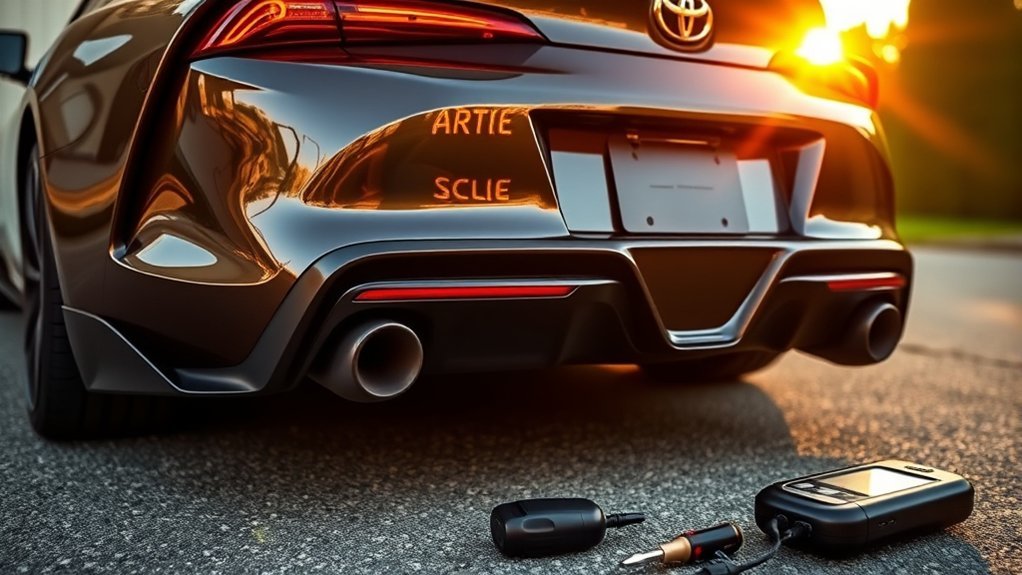
When you notice persistent error messages like “PKSB Malfunction,” it often indicates a parking sensor issue. One of the most common symptoms of parking sensor malfunctions is the failure of one or more sensors to engage during parking assistance. You might also see reduced or erratic sensor performance, especially after installing aftermarket parts that can obstruct sensor signals. Users frequently report that only certain sensors, like side sensors, function correctly, signaling potential calibration or connectivity problems. While disconnecting the battery or resetting system settings might temporarily clear these error messages, they won’t fix the underlying faults. Regular maintenance is essential; ensure your sensors are clean and functioning properly, as dirt or debris can impair performance. By recognizing these symptoms early, you can take steps to address parking sensor malfunctions before they escalate, granting you the freedom to park with confidence.
Toyota Supra Parking Sensor Malfunction: Step-by-Step Checks
- Clean each sensor with a soft cloth and plain water.
- Check for ice, snow, stickers, bike racks or aftermarket bumper parts blocking the sensors.
- Restart the car and test again.
- Inspect the bumper and sensors for cracks, dents or loose connectors.
- If the message stays, have a shop read the fault codes.
Check Sensor Connections
To effectively troubleshoot parking sensor issues, begin by visually inspecting the sensor connections for signs of damage or loose wires. Follow these steps to ensure proper functionality:
- Disconnect the sensor connectors: Clean them thoroughly to remove any dirt or corrosion.
- Reinstall securely: Make sure the connectors are tightly fitted to avoid future issues.
- Test the sensors: Apply power and check for error codes or warnings on the dashboard.
Additionally, use a multimeter to measure voltage at the sensor connectors, confirming they receive adequate power. If problems persist, consult your vehicle’s service manual for specific diagnostic procedures related to the parking sensor system. Proper attention to sensor connections can greatly enhance your troubleshooting efforts.
Reset System Settings
There is no single reset that fixes a sensor fault. Restarting the car is safe. Disconnecting the battery can clear some temporary errors but can also reset settings and other systems, so check your owner’s manual first and do not treat it as a fix for a hardware fault.
How to Check for Obstructions and Clean Sensors
Start by visually inspecting your parking sensors for any obstructions like dirt or ice that could affect their performance. Use a soft, damp cloth to clean the sensors, avoiding harsh chemicals that might cause damage. Once clean, test their functionality by placing objects at various distances to ensure accurate detection.
Visual Inspection of Sensors
A thorough visual inspection of your Toyota Supra’s parking sensors is vital for ensuring their proper functionality. Here’s how to check for obstructions:
- Inspect for Dirt and Debris: Look for any visible dirt or obstructions on the sensor surfaces that could hinder performance. Even minor blockages can lead to malfunctions.
- Check for Physical Damage: Examine the sensors for signs of misalignment or damage that might require replacement or recalibration.
- Test Sensor Functionality: Wave an object gently in front of the sensors to confirm they detect it, ensuring they’re functioning as intended.
Regularly maintaining these sensors is essential. As you handle the steering wheel, make sure to include this inspection in your routine to keep your parking assist system operating effectively.
Cleaning Techniques and Tools
To ensure your Toyota Supra’s parking sensors function at their best, regular cleaning is essential. Start by visually inspecting the sensors for dirt, grime, or ice that may obstruct their operation. Use a soft cloth or microfiber towel dampened with water to gently clean the sensor surface—this protects the delicate coating. Avoid harsh chemicals or abrasive materials, as they can damage the sensors, affecting their detection capabilities. Incorporate these sensor maintenance tips into your routine, especially after washing your car or driving in muddy conditions. For a cleaning products comparison, opt for mild, non-abrasive solutions. Remember, employing proper sensor protection methods ensures long-lasting functionality. If sensors remain unresponsive post-cleaning, further diagnostics might be necessary.
Testing Sensor Functionality
Before testing your Toyota Supra’s parking sensors, it’s crucial to confirm they’re free from any obstructions that could hinder their performance. Follow these steps to ensure peak sensor functionality:
- Inspect Sensors: Visually check for dirt, mud, or debris that can impair sensor features and detection range.
- Clean Sensors: Use a soft cloth with mild soap and water to gently clean the surfaces, confirming they’re free from contaminants.
- Conduct a Functional Test: Place objects of varying sizes near the sensors to see if they respond correctly, confirming proper system integration.
If problems persist after these steps, consider consulting a professional to inspect wiring and connections, as faulty wiring can affect sensor functionality.
Inspecting Wiring and Connectors for Damage
When inspecting the wiring and connectors of your Toyota Supra’s parking sensors, start by looking for any visible signs of fraying or damage. Use effective wiring inspection techniques to thoroughly examine the entire harness for wear. Pay close attention to connector corrosion signs, as corrosion can disrupt signals critical for sensor functionality.
Check for loose connections that might prevent proper communication between the sensors and your vehicle’s system. Verify you’re securing wiring properly, avoiding any pinching or exposure to moving parts that could cause further issues over time.
Also, take a moment to inspect the connectors for broken or bent pins, as these can hinder electrical connections. Finally, utilize a multimeter to test the continuity of the wiring, confirming that electrical signals reach the sensors effectively. This thorough inspection can save you from further complications down the road.
Resetting the Vehicle’s Computer System

A diagnostic scan tool can clear stored fault codes after the repair. Clearing codes without fixing the cause only hides the problem, and the message will return.
Common Issues Post-Resetting and Their Solutions
If the message returns, there is usually a real fault, such as a damaged sensor, a connector or wiring problem, or something blocking the sensor. Software updates are done at a dealer, so ask whether any apply to your car.
Calibration Needs for Aftermarket Sensors
While aftermarket sensors can enhance your Toyota Supra‘s parking capabilities, they often require calibration to ensure seamless integration with the vehicle’s systems. Proper calibration ensures accurate functioning of Intelligent Clearance Sonar (ICS) systems and automatic braking. Here are some key considerations for calibration:
- Aftermarket Sensor Compatibility: Confirm your chosen sensors are compatible with your Supra’s model year to avoid issues.
- Calibration Tools Overview: Utilize a special gauge for measuring sensor angles and a bi-directional scanner for entering new sensor IDs into the CANBUS system.
- Sensor Installation Tips: Follow the manufacturer’s installation guidelines closely, as improper installation can complicate calibration.
Ignoring these calibration needs can lead to malfunctioning systems and unexpected behavior. Always double-check with your installation documentation or consult a professional if you’re unsure about the calibration process. Proper attention to these details will enhance your driving experience considerably.
When Should You Seek Professional Help for Parking Sensor Issues?
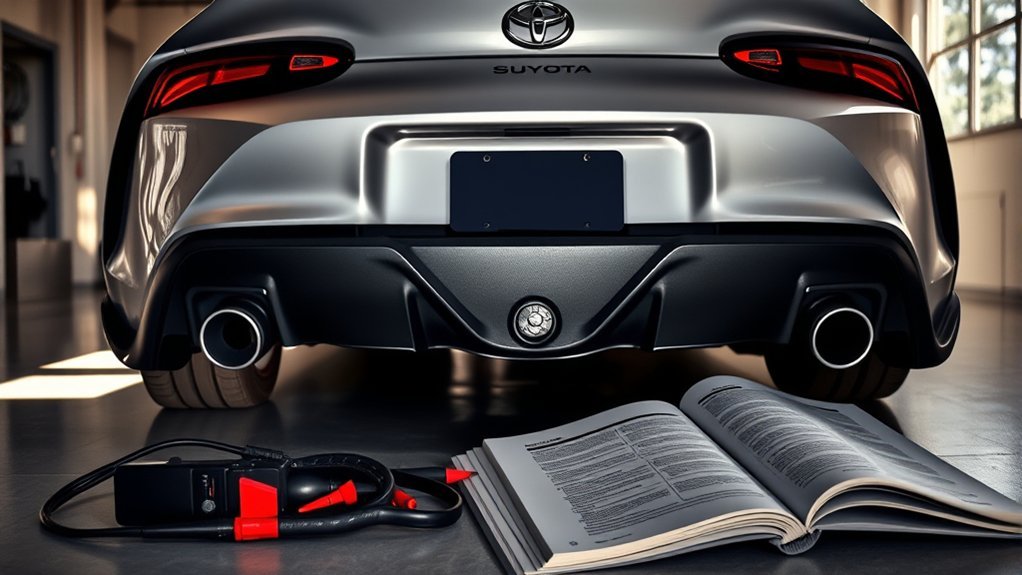
When error messages persist despite your attempts at basic troubleshooting, seeking professional help for parking sensor issues becomes vital. If you’ve already disconnected the battery or cleaned the sensors without success, it’s time to consult an expert. Persistent “PKSB Malfunction” errors may require professional calibration to restore proper functionality.
If your vehicle is still under warranty, ask the dealer whether the repair is covered. If you’ve used aftermarket parts or made modifications, these may affect sensor performance, making dealer consultation critical.
When multiple sensor replacements fail, it often indicates a need for a software update or recalibration, best handled with specialized diagnostic tool usage. Don’t compromise your vehicle’s safety—getting professional assistance ensures your parking sensor system operates effectively, liberating you from ongoing frustration and potential hazards.
Related reading:
- How to Use Toyota Supra Parking Sensors
- Top Wideband O2 Sensor Kits MK5 Toyota Supra Enthusiasts
- Electronic Parking Brake vs Manual Handbrake: Key Differences
Frequently Asked Questions
How to Fix Parking Sensor Malfunction?
To fix parking sensor malfunctions, start with wiring inspection methods, ensuring secure connections. Apply sensor calibration techniques to correct any errors. Regular cleaning helps prevent common sensor errors, keeping your system functioning smoothly.
How to Reset a Parking Sensor?
Restart the car first. If the message returns, have the codes read and the cause repaired. Clearing codes alone will not fix a fault.
How to Diagnose Which Parking Sensor Is Faulty?
To diagnose a faulty parking sensor, use sensor testing methods like multimeter checks, apply visual inspection techniques for dirt, and listen for common sensor issues. Swap sensors to confirm faults for accurate troubleshooting.
How Do I Turn off My Toyota Parking Sensor?
To turn off your Toyota parking sensor, press the dedicated button or adjust settings in the infotainment system. Remember, disabling parking assist technology might reduce obstacle detection, impacting your parking sensor features and sensor sensitivity.
Conclusion
In conclusion, addressing parking sensor malfunctions in your Toyota Supra can often be a straightforward process. Remember, about 30% of parking sensor issues stem from simple obstructions or dirt on the sensors. By following the troubleshooting steps outlined, you can effectively identify and resolve many common problems. If issues persist, don’t hesitate to consult a professional. Keeping your sensors in peak condition not only enhances safety but also improves your driving experience.