A Supra heater not working problem often traces to low coolant, a failing thermostat, a clogged heater core, a weak blower motor or a stuck blend door. Check the coolant level only when the engine is cold, listen for the blower, and have a shop diagnose the rest.
How to Diagnose Your Heater Issues Effectively
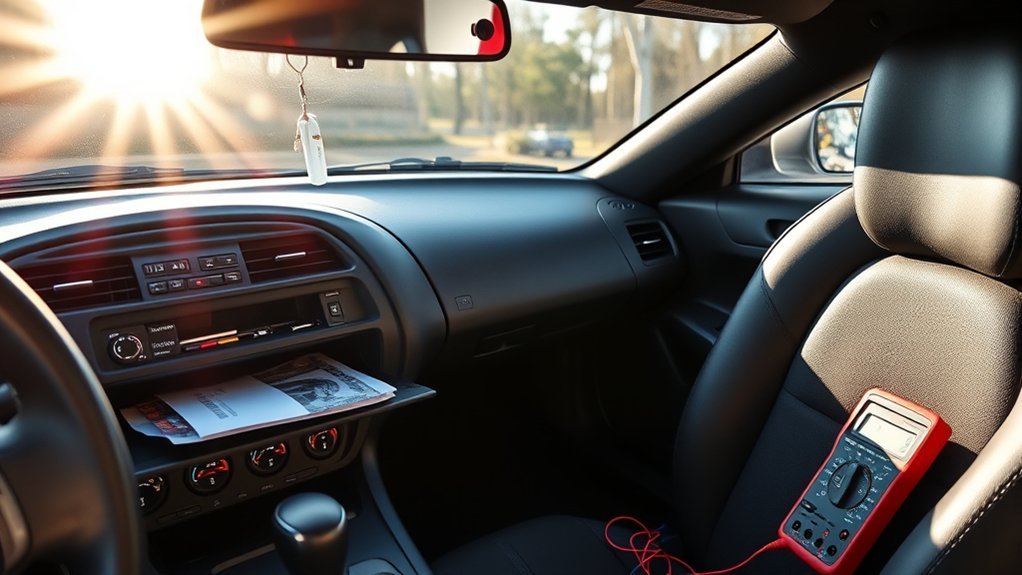
When diagnosing heater issues in your Toyota Supra, it’s vital to start with the basics to pinpoint the problem efficiently. First, check the coolant level; low coolant can drastically affect heater performance, preventing warm air from circulating. Next, inspect the heater core for clogs, a common culprit that disrupts hot air flow. If the heater core is clear, assess the heater blower motor‘s functionality. This component ensures proper airflow, so verify it’s operating correctly.
Don’t overlook the thermostat; it regulates coolant flow and is important for ideal heater operation. A malfunctioning thermostat can hinder warmth production. Finally, utilize a scan tool to perform HVAC calibration tests. This can uncover underlying issues with the heater controls, blend doors, or sensors that may be affecting heater performance. By methodically addressing these areas, you’ll efficiently diagnose and resolve your heating issues.
Common Causes of a Supra Heater Not Working
After diagnosing your heater issues, it’s important to identify the common causes of heater malfunctions in Toyota Supras. One frequent culprit is low coolant, which can disrupt warm air circulation. A clogged heater core or malfunctioning thermostat can also prevent effective heating. If you’re experiencing inadequate airflow, the heater blower motor or its resistor might be faulty, leading to inconsistent fan speeds.
Additionally, pay attention to the blend door; if it’s stuck or broken, you might find cold air blowing on one side while the other side remains warm. Electrical issues can complicate matters, with a faulty heater control unit or poor ground connections affecting the climate control system’s reliability. Regular diagnostic checks, like inspecting coolant levels and testing the heater control panel, can help you identify and resolve these issues before they worsen.
Step-by-Step Heater Troubleshooting Guide
To troubleshoot your Toyota Supra’s heater, start by checking the coolant level, as insufficient coolant can lead to poor heating performance. Next, inspect the heater core for any clogs that might block warm air circulation. Finally, test the blower motor to verify it’s functioning properly, as a faulty motor can prevent adequate airflow through the vents.
Check Coolant Levels
Checking coolant levels is essential for ensuring your Toyota Supra’s heater operates effectively. Start by inspecting the coolant reservoir; if it’s low, your heater might not blow hot air. Next, look over the radiator and hoses for any visible leaks or damage that could lead to coolant loss. If the level is low, top it off only with the coolant type listed in your owner’s manual, and have a shop check for a leak, since coolant does not normally disappear. After refilling, run the engine with the heater on to circulate the coolant. This helps identify any air pockets that may require bleeding from the system. Regularly check coolant levels, especially during seasonal changes, to prevent heater malfunctions and maintain peak engine temperature.
Inspect Heater Core
Low coolant levels can greatly impact your Toyota Supra’s heating performance, so once you’ve verified the coolant is topped off, it’s time to inspect the heater core. Start by checking the inlet and outlet hoses; if they feel cool, your heater core might be clogged. Flush it with a garden hose to eliminate any debris obstructing coolant flow. Next, look for any signs of leaks around the heater core and confirm all connections are tight, as leaks can lead to heating problems due to coolant loss. If everything seems intact but heating issues persist, inspect the HVAC controls and blend doors to confirm they’re directing warm air effectively into the cabin, maintaining proper temperature control.
Test Blower Motor
Before diving into testing the blower motor, make sure the vehicle is turned off and the key is removed from the ignition. Find the blower motor location in your owner’s manual or service information. Use a multimeter to check for voltage at the blower motor’s connector while turning on the ignition and adjusting the fan speed. You should see around 12 volts if everything’s working. If the blower does not run, check the blower fuse listed in your owner’s manual and have a shop test the motor and wiring. If the motor gets power but doesn’t operate, remove and test it directly. Finally, check for any obstructions that might prevent airflow.
| Step | Action |
|---|---|
| 1. Voltage Check | Use a multimeter; expect ~12 volts. |
| 2. Fuse/Relay Check | Inspect for continuity; replace if blown. |
| 3. Motor Function Test | Apply power directly; replace if faulty. |
When to Seek Professional Help for Repairs
When your Toyota Supra‘s heater fails to deliver warm air despite adjusting the temperature settings, it’s important to recognize when to seek professional help. If you’ve checked common causes like coolant levels and heater core functionality but the heater issues persist, it’s time to consult a professional. A stuck blend door may require specialized diagnostic tools for accurate assessment, which you might not have at home. Additionally, if extensive repairs are necessary, such as dash removal for HVAC system installation, professional assistance ensures proper handling and prevents damage to your vehicle’s interior. If your vehicle is still under warranty, consider using dealership services for heater repairs; this can provide peace of mind and potentially save on costs. Finally, if you notice jerking motions or other symptoms alongside heater problems, these could indicate underlying issues that warrant a thorough inspection by a professional for effective Toyota repair.
Preventive Maintenance Tips for Your Heater
Addressing heater issues promptly can prevent costly repairs down the line, making preventive maintenance essential for your Toyota Supra’s heating system. Here are some key maintenance tips to keep your heater running efficiently:
Timely heater maintenance is crucial for your Toyota Supra to avoid expensive repairs later.
- Regularly check and maintain the coolant level to ensure proper heating.
- Inspect the heater core for clogs that may hinder performance.
- Verify the thermostat is functioning correctly for peak engine and heater temperatures.
- Schedule periodic inspections of the blower motor and resistor for effective warm air circulation.
- Keep the heater control panel clean to avoid electrical issues that can lead to malfunctions.
How to Use Your Warranty for Heater Repairs
Whether a heater repair is covered depends on your warranty terms. Read the coverage documents for your factory or extended plan, write down the symptoms (temperature settings, when it happens, any noises), and ask the dealer to confirm in writing whether the repair is covered before work starts.
Related reading:
- Toyota Supra Apple CarPlay Not Working: Causes and Fixes
- Toyota Supra Backup Camera Not Working: Causes and Fixes
- Toyota Supra Key Not Detected: Causes and Fixes
Frequently Asked Questions
Why Is My Toyota Heater Not Getting Hot?
Your Toyota heater’s not getting hot due to low coolant levels, heater core issues, or a thermostat malfunction. Check the air blend door too; it might be stuck, preventing warm air from circulating effectively.
What Would Cause My Heat Not to Kick On?
A thermostat that is stuck open can keep the engine from warming up, which leaves the heater weak. Check your coolant levels, as low coolant or air pockets can hinder performance. A clogged heater core might also block warm air from circulating effectively.
What Are the Common Problems With Supras?
Common Supra issues include cooling problems, electrical failures, and blend door malfunctions. For peak performance, you should prioritize regular maintenance, inspect your heater core, and address symptoms promptly to avoid more significant complications.
Why Is My Car Blowing Out Cold Air When the Heat Is On?
If your car’s blowing cold air when the heat’s on, check coolant levels, as low coolant affects the heater core. Temperature fluctuations might also indicate a malfunctioning thermostat or a clogged heater core.
Conclusion
In the end, tackling your Toyota Supra’s heater issues is like maneuvering a winding road—sometimes tricky, but often manageable with the right guidance. By diagnosing problems, understanding common causes, and following our troubleshooting steps, you can warm up your ride in no time. Don’t hesitate to seek professional help if needed, and remember that regular maintenance is your best ally. Keep your heater in top shape, and enjoy those cozy drives, no matter the weather!