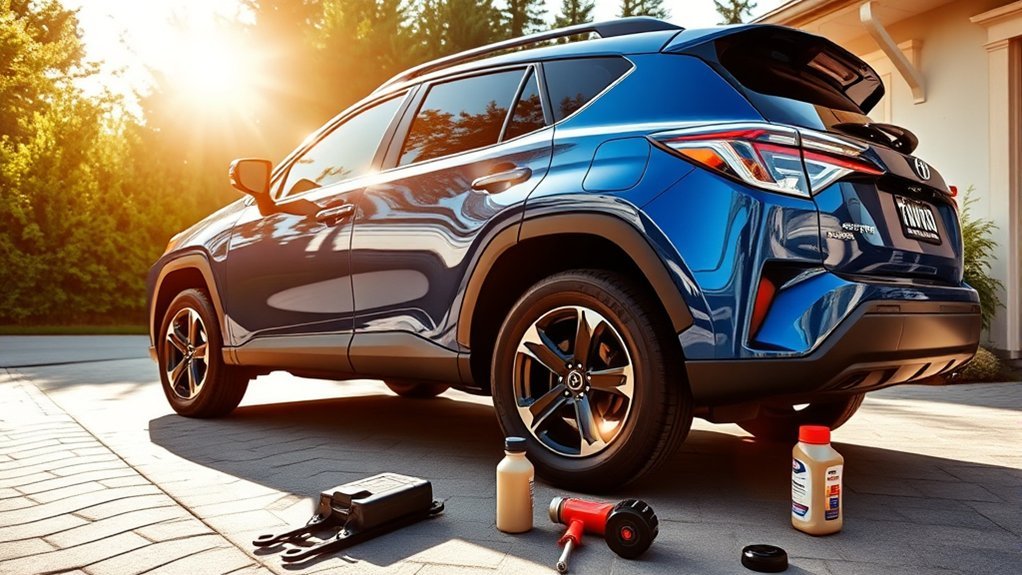
Toyota RAV4 Brake Fluid Change Guide
What’s in This Article
- What Is Brake Fluid and Why Is It Important for Your RAV4?
- How to Recognize When Your Brake Fluid Needs Replacement
- How Often Should You Change Brake Fluid in a Toyota RAV4?
- What Brake Fluid Type Should You Use in a Toyota RAV4?
- Potential Dangers of Ignoring Brake Fluid Maintenance
- How to Easily Check Your Brake Fluid at Home
- Brake Fluid Flush Cost and What to Expect
Old brake fluid can make your Toyota RAV4 feel less sharp when you need it most. Moisture, dirt, and heat slowly weaken the fluid, even if your brakes still seem normal. This guide shows you when to check it, when to replace it, what warning signs matter, and what a brake fluid service may cost.
Quick Answer
You should inspect your Toyota RAV4 brake fluid at every routine service and replace it when the fluid tests poorly, looks dark, or your owner’s manual calls for service. Many owners use 2 to 3 years as a practical baseline, but your driving conditions, model year, and fluid test results matter. If your brake pedal feels soft, your fluid looks dirty, or the brake warning light comes on, have a mechanic check the system right away.
Key Takeaways
- Check your RAV4 brake fluid level and color during regular maintenance.
- Replace brake fluid sooner if it looks dark, dirty, or tests high for moisture.
- Use the brake fluid type listed in your owner’s manual or on the reservoir cap.
- Do not ignore a soft pedal, longer pedal travel, or weaker stopping power.
- Expect a professional brake bleed or fluid service to cost more than a simple fluid top-off.
What Is Brake Fluid and Why Is It Important for Your RAV4?
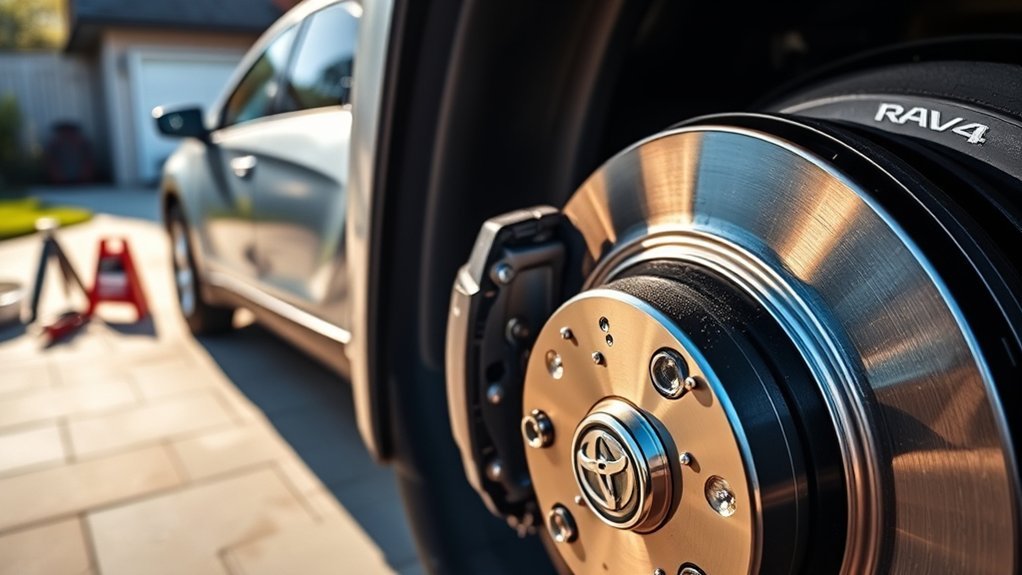
Brake fluid helps your Toyota RAV4 braking system transfer force from the brake pedal to the brake parts at each wheel. When you press the pedal, the hydraulic system uses brake fluid to help move the calipers or wheel cylinders.
Most common brake fluids absorb moisture over time. This matters because moisture can lower the fluid’s boiling point and raise the risk of corrosion inside the brake system. Once the fluid gets too old or dirty, your brakes may feel softer and less consistent.
Regular brake fluid checks help protect your stopping power. They also help you catch leaks, contamination, or low fluid before the problem becomes more expensive.
How to Recognize When Your Brake Fluid Needs Replacement
You can often spot weak brake fluid before it causes a major problem. Watch the fluid color, pedal feel, and stopping response. These signs do not replace a professional inspection, but they can tell you when to act.
Brake Fluid Color Change
Fresh brake fluid often looks clear, pale yellow, or light amber. If your RAV4 brake fluid looks dark brown, murky, or dirty, it may contain moisture, rust, or debris.
Do not judge fluid condition by color alone. Color gives you a quick warning, but a technician can test moisture and boiling point more accurately. If the fluid looks dark and your RAV4 has not had brake fluid service in years, schedule an inspection.
Soft Brake Pedal Feel
A soft or spongy brake pedal can point to old fluid, air in the brake lines, a leak, or another brake system problem. If your pedal travels farther than normal before the brakes respond, treat it as a safety issue.
Moisture and air can make the hydraulic system less firm. Your RAV4 may still stop, but the pedal may feel less direct. Ask a mechanic to inspect the system before you keep driving long distances.
Increased Brake Pedal Travel
Increased brake pedal travel means your foot must push farther before the brakes bite. This can happen when brake fluid ages, air enters the system, or brake parts wear down.
If the pedal sinks toward the floor or loses steady pressure, stop driving as soon as you can do so safely. That symptom can point to a serious hydraulic problem.
How Often Should You Change Brake Fluid in a Toyota RAV4?
You should inspect your Toyota RAV4 brake fluid at routine service visits and replace it when the owner’s manual, fluid condition, or test results call for it. Many repair shops use 2 to 3 years as a practical brake fluid service interval because brake fluid absorbs moisture over time.
Toyota maintenance guidance can vary by model year, market, and powertrain. Some schedules focus on checking brake fluid level and condition rather than naming one fixed replacement mileage for every RAV4. Your safest choice is to follow your owner’s manual and ask for a brake fluid test during regular service.
Recommended Change Intervals
Use these intervals as a practical guide, not a replacement for your manual:
- Normal use: Inspect at each service and consider replacement about every 2 to 3 years.
- Humid climate: Test the fluid more often because moisture can build faster.
- Heavy braking or mountain driving: Ask for earlier testing because heat stresses brake fluid.
- Older vehicle: Check the fluid more often if the service history is unknown.
- Soft pedal or dark fluid: Schedule service right away instead of waiting for mileage.
Signs Of Fluid Degradation
Old brake fluid often shows up through dark color, a soft pedal, or weaker brake feel. You may also notice longer stopping distance or less confidence during hard braking.
Many brake fluid testers flag concern when moisture reaches about 3% to 4%, but tester design varies. A shop can confirm the fluid condition with better tools and inspect the rest of the brake system at the same time.
What Brake Fluid Type Should You Use in a Toyota RAV4?
Use the brake fluid type listed in your Toyota RAV4 owner’s manual or printed on the brake fluid reservoir cap. Many late-model RAV4 manuals list fluid that meets Federal Motor Vehicle Safety Standard (FMVSS) No.116 DOT 3 or DOT 4 specifications, but you should confirm your exact model year.
Do not mix in DOT 5 silicone brake fluid unless your manual specifically allows it. The wrong fluid can damage parts or change brake feel. If you are unsure, ask a Toyota dealer or qualified mechanic before adding fluid.
Note: Use fresh brake fluid from a sealed container because opened fluid can absorb moisture from the air.
Potential Dangers of Ignoring Brake Fluid Maintenance
Ignoring brake fluid maintenance can raise real safety risks. Moisture can lower the fluid’s boiling point, which may lead to vapor in the brake lines during hard braking. Vapor compresses more than liquid, so your pedal can feel soft or fade.
Dirty or moisture-heavy fluid can also speed up corrosion inside brake lines, calipers, and other hydraulic parts. That can turn a simple fluid service into a much higher repair bill.
Warning: Do not keep driving if your brake pedal sinks, your brake warning light stays on, or your RAV4 takes longer to stop.
If you notice a sudden change in braking, put safety first. Pull over in a safe place and contact a mechanic or roadside service.
Benefits of Regular Brake Fluid Changes for Optimal Performance

Regular brake fluid changes help your Toyota RAV4 keep a firm pedal and steady stopping response. Clean fluid also helps protect internal brake parts from moisture-related corrosion.
A timely fluid service removes old fluid and replaces it with clean fluid that meets the correct specification. This helps the braking system handle heat better during steep descents, highway driving, and sudden stops.
Brake fluid service also gives a technician a chance to inspect the reservoir, lines, calipers, and warning signs of leaks. That can help you fix small issues before they become unsafe.
How to Easily Check Your Brake Fluid at Home
You can check your RAV4 brake fluid level and color at home in a few minutes. Do this when the vehicle sits on level ground and the engine is off.
- Locate the brake fluid reservoir: Open the hood and find the reservoir with a cap labeled “brake fluid” or a brake symbol.
- Check the fluid level: Make sure the fluid sits between the “MIN” and “MAX” lines on the reservoir.
- Look at the fluid color: Clear, pale yellow, or light amber fluid looks normal. Dark or murky fluid needs attention.
- Check the cap area: Wipe dirt away before opening the cap so debris does not enter the system.
- Use the right fluid only: If you must top off, use the exact DOT type listed in your manual or on the cap.
If the fluid level drops often, do not keep topping it off without finding the cause. Low brake fluid may point to worn brake pads or a leak. Have a mechanic inspect the system.
Brake Fluid Flush Cost and What to Expect
A Toyota RAV4 brake bleed or fluid service often costs about $182 to $267 before taxes, fees, and location adjustments, based on current RepairPal estimates. Your final price can change by model year, labor rate, shop type, and whether the brake system needs extra repair.
A brake fluid flush replaces old fluid throughout the hydraulic system. A brake bleed removes air from the lines and often happens after brake repairs. Some shops use these terms loosely, so ask what the service includes before you approve the work.
| Service Type | Typical Cost | What It Means |
|---|---|---|
| Professional brake bleed or fluid service | $182-$267 | Current RepairPal estimate before taxes and location factors |
| Dealer service | Varies | May cost more but uses Toyota procedures and dealer equipment |
| Independent shop | Varies | May cost less depending on labor rate and local market |
| DIY fluid only | Lower parts cost | Requires correct fluid, tools, safe bleeding method, and brake system knowledge |
| Diagnostic inspection | Varies | Needed if you have a soft pedal, leak, or warning light |
Frequently Asked Questions
How Often Should Brake Fluid Be Changed on a Toyota RAV4?
Inspect your brake fluid at each routine service and replace it when your owner’s manual or fluid test says it needs service. Many owners use 2 to 3 years as a practical baseline, especially in humid areas or with heavy braking.
Is It Necessary to Change Brake Fluid Every Two Years on a Toyota?
A two-year interval can make sense for many drivers, but it is not the same as a universal Toyota rule for every model and market. Check your owner’s manual and ask a technician to test the fluid condition before you decide.
How Much Is a Brake Fluid Change on a Toyota RAV4?
A Toyota RAV4 brake bleed or fluid service often falls around $182 to $267 before taxes, fees, and location factors. Dealer pricing and local shop pricing can differ, so ask for an itemized estimate.
How Often Does Brake Fluid Really Need to Be Changed?
Brake fluid needs replacement when it absorbs too much moisture, becomes dirty, or reaches the service interval in your manual. If your fluid looks dark or your pedal feels soft, do not wait for a mileage number.
Can I Drive With Dark Brake Fluid in My RAV4?
Dark brake fluid does not always mean immediate brake failure, but it does mean you should schedule an inspection soon. If you also have a soft pedal, warning light, or weak stopping power, stop driving and get help.
Vehicle Safety Disclaimer: This article is for informational purposes only and does not replace professional brake inspection or repair. Always consult a qualified mechanic before driving with brake warning lights, fluid leaks, soft pedal feel, or reduced stopping power.
Conclusion
Your Toyota RAV4 brake fluid matters because it helps your brakes respond with steady pressure. Check the level and color often, and ask for a fluid test during routine service. Replace the fluid when it looks contaminated, tests poorly, or your owner’s manual calls for service.
If your brake pedal feels soft or your RAV4 takes longer to stop, treat it as a safety problem. A timely inspection can protect your brake system and help you drive with more confidence.
References
- 2026 Toyota RAV4 Hybrid Warranty & Maintenance Guide — Toyota Motor Sales, U.S.A., 2026
- 2020 Toyota RAV4 Maintenance Data — Toyota Owners, 2026
- Toyota RAV4 Brake Bleed Cost Estimate — RepairPal, 2026
- Brake Fluid Boiling Points: What Are They and Why Do They Matter? — ADVICS Aftermarket, 2023
- Brake Fluid: A Practical Guide — Machinery Lubrication, 2016