
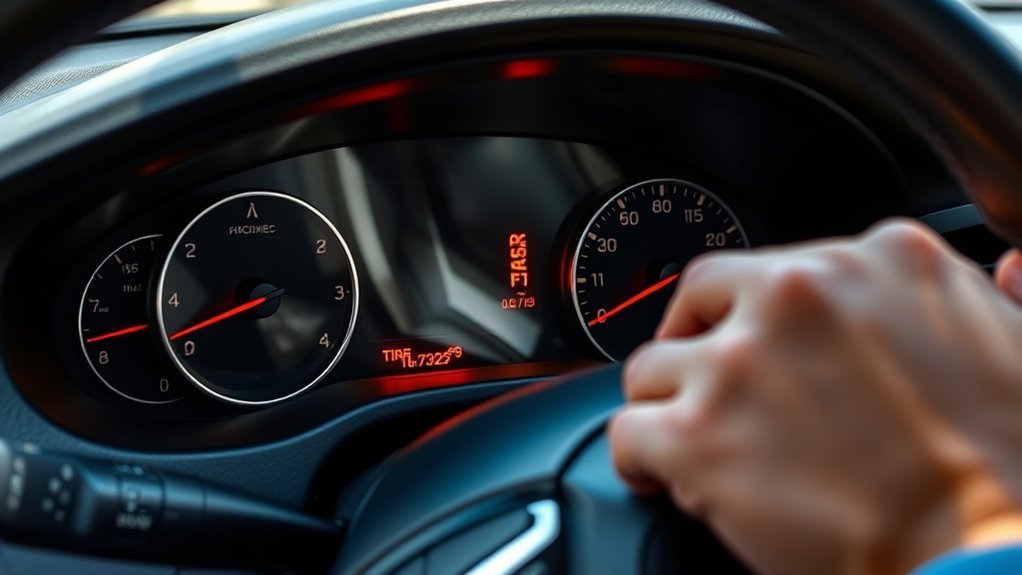
When your tire pressure warning light comes on, safely pull over and check each tire with a reliable gauge—don’t rely on the dashboard alone. Inflate tires to the PSI listed on your door jamb or owner’s manual, inspect for punctures or bulges, and recheck after 15–30 minutes for slow leaks. If the light stays on, a TPMS sensor or slow leak may need service. Keep monthly checks and seasonal adjustments to avoid repeats; more troubleshooting and fixes follow below.
What to Do When the Tire Pressure Light Comes On

If your tire pressure warning light comes on, pull over safely and check each tire with a gauge right away—TPMS only alerts you when pressure is about 25% below the recommended level, so don’t rely on it as a substitute for manual checks. You’ll use the tire pressure light as a prompt to check your tire pressures immediately and identify low tire pressure before it compromises control or fuel economy. Inspect valves and tread for punctures; if pressure drops repeatedly after inflation, you’ve likely got a leak. Remember temperature effects: pressure drops roughly 1 psi for every 10°F decrease, so the TPMS warning light can trigger with cold mornings. If the TPMS warning light flashes for 60–90 seconds, that signals a system malfunction—don’t guess, have tire pressure sensors and the system inspected. If you can’t resolve it roadside, drive cautiously to a service station to check tire condition, repair leaks, or recalibrate sensors so you regain confident, liberated control of your vehicle.
Immediate Steps: Check, Inflate, and Safety Checklist
When the tire pressure warning light comes on, pull over safely and check each tire with a reliable gauge right away; TPMS only alerts you after pressure is substantially low, so don’t assume the system replaces routine checks. You’ll check all four tires (plus the spare if accessible), comparing readings to the manufacturer’s specifications on the doorjamb or in the manual. If pressure is low, inflate to spec at a service station or with a portable compressor; top up in short bursts and recheck.
Follow a compact safety checklist: secure the vehicle, use hazard lights, apply the parking brake, and avoid roadside hazards. Inspect for visible damage or punctures—slices, bulges, or embedded objects mean you shouldn’t just inflate and drive. If the TPMS light stays on after you inflate, know it can take up to ~200 miles to reset, but persistent illumination or signs of damage require professional repair. Keep monthly checks to maintain control and freedom on the road.
Check and Set Tire Pressure (Find the Right PSI)
Start by locating the tire pressure placard on the driver’s door jamb or check the owner’s manual for the exact PSI rating, then use an accurate gauge to check each cold tire (best before driving) and inflate to the specified pressure—remember tires lose about 1 PSI per 10°F drop and should be checked monthly. You’ll want to check your tire pressure at least once a month and any time the TPMS light warns you. Use a calibrated gauge, remove valve caps, and test each tire while cold for consistent readings. Inflate to the correct pressure indicated on the placard or in the owner’s manual; aim for all tires properly inflated to avoid poor fuel economy, uneven wear, and safety risks. After adjusting pressures, monitor monitoring systems and the TPMS light—some systems take time or distance to update. This practical routine hands control back to you: measure, set, and verify so your vehicle performs reliably and you stay free from avoidable roadside binds.
[Products Worth Considering]
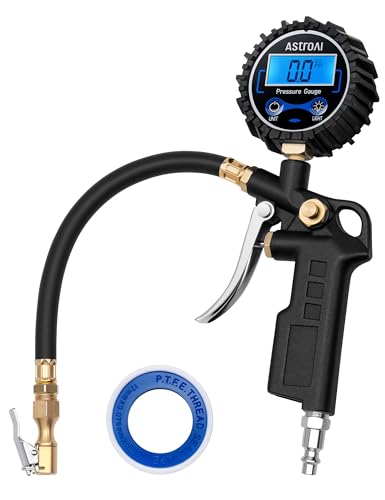
COMPATIBLE WITH both ¼” and ½” NPT air compressors outputs. COMPATIBLE WITH Standard Schrader Valves.

Advanced accuracy: Professionally calibrated tire pressure gauges for cars. Accurately measures from 0-100 PSI with a resolution of +/-1 PSI.

Accurate: Spurtar tire inflator air pressure gauges with rubber hose are performance-tested and calibrated to the ANSI B40.1 Grade B (2%) international accuracy standard. This device allows you to measure your tire pressure accurately and inflate your tires without the need to drive to a gas station or garage. Easily use the tire pressure gauge with an air pump or compressor to inflate your tires efficiently
What TPMS Means and When the Light Activates
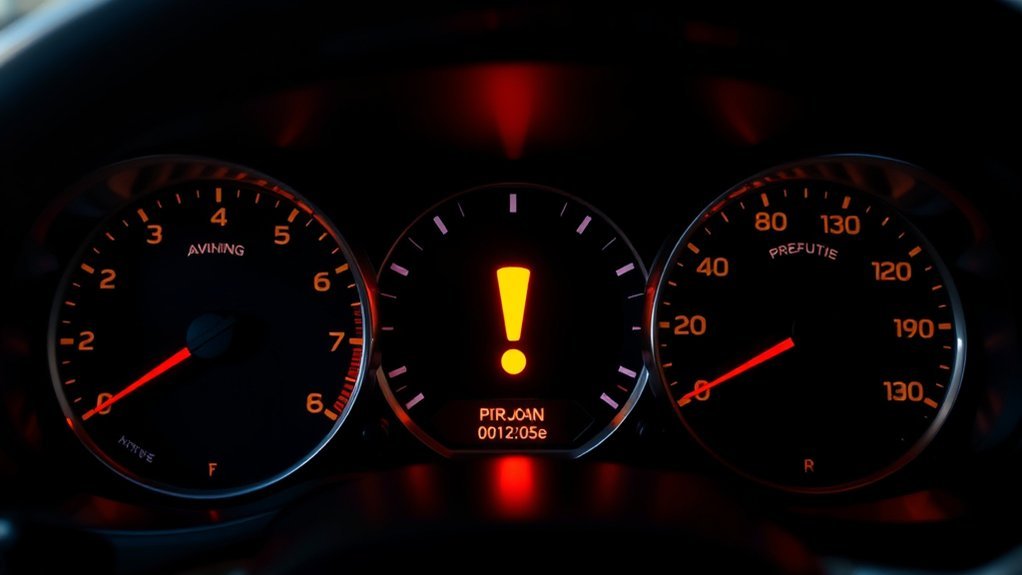
A TPMS (Tire Pressure Monitoring System) watches your tire pressures and lights the horseshoe-shaped warning symbol with an exclamation point when pressure in any tire falls about 25% below the recommended PSI. You’ll see the dashboard indicator — the Warning Light Comes on — signaling low pressure. Direct systems use sensors mounted on each wheel to report exact psi; indirect systems infer pressure from wheel-speed changes. Temperature shifts can trigger the light: expect roughly 1 psi drop per 10°F decline.
| System Type | Data Source | Typical Note |
|---|---|---|
| Direct | Wheel sensors | Exact tire pressure |
| Indirect | ABS wheel-speed | Relative change only |
| Manual Check | Gauge | Confirms multiple tire loss |
You should treat the TPMS as active monitoring, not absolute. Sensors transmit pressure to the dashboard indicator, but they can miss simultaneous loss or misreport. Check tires manually, correct PSI, and reclaim control — stay liberated from unexpected flats and compromised handling.
If the TPMS Light Stays On: Diagnose Leaks and Sensor Faults
If the TPMS light stays on after you’ve inflated the tires to the recommended PSI, you’ve likely got either a slow leak or a sensor/TPMS fault that needs diagnosing. First perform a manual pressure check on all tires; the TPMS light typically signals a tire pressure low condition when a tire is ~25% below spec. If one tire reads low, inspect the valve stem and bead for punctures and scan the tread for nails or cuts that cause leaks. Mark and recheck suspected tires after 15–30 minutes to catch slow leaks.
If pressures are correct but the TPMS light remains, you’ll need to diagnose sensor faults. Use a diagnostic tool or visit a shop to read TPMS codes and verify sensor battery or signal failures. Also inspect for abnormal tire wear patterns that could indicate underinflation over time. If in doubt, consult your owner’s manual or a professional to reset or recalibrate the system and restore your control and freedom on the road.
[Products Worth Considering]
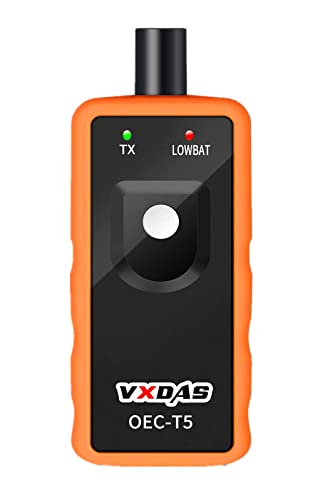
🚗2023 UPDATED FOR WIDER COMPATIBILITY: Specifically designed to work with most GM vehicles 2006-2023 (Chevy / Buick / GMC / Opel /Cadillac and more) equipped with 315/433 MHz. Your vehicle deserves the best tire pressure sensor reset tool.(It is not suitable for heavy trucks with more than 4 tires or vehicles with an external TPMS system.)Tip:Based on factory and customer-tested models shown in A+, please refer to the car model list to confirm compatibility with the VXDAS TPMS tool.

INNOVATIVE 2-IN-1 DESIGN: VXDAS TPMS relearn tool supports for GM and Ford series vehicles, (Buick, Cadillac, Chevrolet, GMC, Lincoln, Mazda, F150, F250, Focus, Fusion, and more). The added "G" and "F" model switch button on top makes it more convenient to use

【Quick TPMS Maintenance】The XTOOL TP150 tpms programming tool efficiently supports TPMS maintenance by activating, relearning, and programming sensors, reading data, diagnosing issues, and resetting warning lights. TPMS management is quick and simple for both professionals and DIY enthusiasts. Important Notes: 1. XTOOL TP150 can only program 𝐏𝐫𝐞-𝐩𝐫𝐨𝐠𝐫𝐚𝐦𝐦𝐞𝐝 𝐒𝐞𝐧𝐬𝐨𝐫𝐬 or 𝐗𝐓𝐎𝐎𝐋 𝐓𝐒𝟏𝟎𝟎 𝐒𝐞𝐧𝐬𝐨𝐫𝐬. 2. If a TPMS sensor cannot be read or relearned, ensure it is 𝐀𝐜𝐭𝐢𝐯𝐚𝐭𝐞𝐝 𝐛𝐲 𝐓𝐏𝟏𝟓𝟎 before performing reading or relearning operations.
TPMS Sensors & Tire Replacement: Costs and What to Expect
When you replace tires, check each TPMS sensor for function and battery age so you don’t pay for avoidable replacements. Expect direct-fit sensors to cost about $45–$65 each, with specialty sensors running higher, and plan on replacing sensors or their batteries around the 10-year mark. Have the sensors serviced and recalibrated during tire work to guarantee accurate readings and avoid extra labor later.
[Products Worth Considering]

【Pre-programmed and OBD Learing Sensors】Each TPMS sensor is pre-programmed and only needs to be learned and activated after installation. For the specific learning and activation process, please refer to the details page.
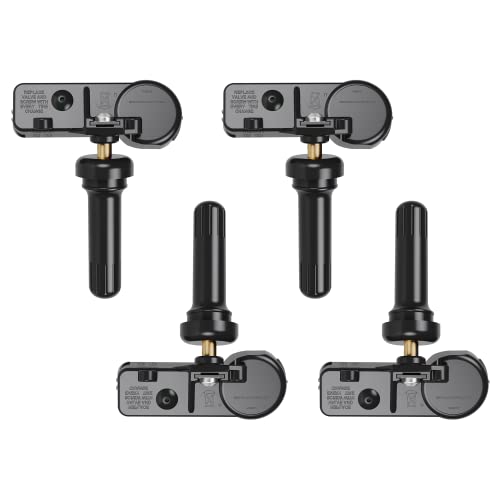
PREFECT REPLACEMENT:The tire pressure monitor system (TPMS) is 100% Brand new Compatible with most GM branded vehicles manufactured after 2006.including GMC Chevy Buick Cadillac

Application: Marsflex tire sensors are compatible for Toyota 4 Runner, Avalon, Camry, Corolla, FJ Cruiser, Highlander, Land Cruiser, Matrix, Prius, Prius V, RAV4, Sequoia, Solara, Tacoma, Tundra, Venza, Yaris
Sensor Replacement Costs
Expect to budget roughly $45–$65 per direct TPMS sensor for most vehicles, though specialty sensors for niche cars can cost considerably more. Sensor replacement costs should be part of your tire replacement plan: TPMS sensors are an important part of the system that triggers the TPMS light, so don’t ignore that warning. When you get new tires, check the pressure and inspect sensors; you can often reuse functioning TPMS sensors to save money. Factor sensor charges separately because tire price quotes may exclude them. Maintain a routine to check the pressure regularly and respond to alerts promptly — freeing yourself from roadside risk. When a sensor fails, replace it during service to minimize downtime and preserve your vehicle’s tires and safety.
Battery Lifespan Expectations
Battery packs inside direct TPMS sensors usually last about 5–10 years, so plan on replacing sensors on a similar schedule rather than waiting for total failure. When the TPMS light comes on intermittently or after long storage, check battery lifespan first: aging cells are the most common cause. You should replace direct TPMS sensors proactively during tire maintenance to save labor and cost — typical sensors run $45–$65, higher for specialty vehicles. Regular monitoring condition routines will catch declining signal strength or intermittent faults before they produce inaccurate tire pressure alerts. That prevents unexpected tire-related issues and preserves overall vehicle safety. Stay deliberate: schedule sensor checks with tire service and don’t accept degraded warning capability.
Replacing Tires With Sensors
Although you can often reuse functioning TPMS sensors, it’s practical to inspect and consider replacing them during every tire change to avoid future failures and additional labor costs. When replacing tires, check sensor batteries — they last about 10 years — and verify each sensor reports an accurate pressure level before remounting. Replacing TPMS sensors during tire rotation or full tire replacement is easier and saves repeat disassembly. Direct TPMS sensors typically cost $45–$65 apiece; specialty sensors run higher, so factor parts and labor into your budget. Regular tire maintenance that includes verifying TPMS sensors guarantees proper functioning, reduces roadside risk, and keeps you in control. Choose replacement only when sensors show age, damage, or inconsistent pressure level readings.
Preventive Routine: Monthly Checks, Seasonal Tips, and When to Call a Shop

Check your tire pressures at least once a month and more often when temperatures change, since tires can lose air daily and pressure falls about 1 psi for every 10°F drop. For a reliable preventive routine, perform monthly checks and log readings against the tire pressure specifications found in the owner’s manual or on the sticker in the driver’s side door jamb. Track seasonal changes proactively: check pressure before cold spells and after heat waves, because colder air lowers pressure and can trigger the TPMS light.
Use a calibrated gauge, measure cold tires, and adjust to spec. If the TPMS light stays on after inflation, schedule a professional inspection to diagnose sensor faults, leaks, or system faults. Include TPMS health in regular service visits; sensors typically need replacement every 5–10 years. Staying disciplined with checks and timely shop visits keeps you mobile and reduces the chance of unexpected downtime.
Frequently Asked Questions
How Much Would It Cost to Fix a Tire Pressure Sensor?
Expect sensor replacement costs around $45–$65 for common models; specialty parts cost more. Use DIY repair tips, watch for sensor malfunction signs, check warranty coverage options, factor professional service fees, compatibility issues, and budget friendly solutions for tire pressure monitoring.
Is It Okay to Drive With a Tire Pressure Warning Light?
No, you shouldn’t drive with that warning light on; prioritize tire safety tips, check air pressure, perform pressure maintenance promptly to avoid driving risks, tire damage, reduced vehicle performance, and follow maintenance frequency for warning light meanings and freedom.
What Should I Do if My Tire Pressure Light Comes On?
Pull over, perform emergency tire inflation, check and adjust tire pressure using tire pressure adjustment steps, follow air pressure monitoring and tire maintenance tips, attempt warning light reset; consult sensor replacement guide, schedule seasonal tire checks for driving safety tips.
What Is the First Thing You Should Do When a Low Air Pressure Warning Comes On?
Safely pull over and stop, then immediately check tire pressure using a pressure gauge; apply tire maintenance tips, tire inflation basics and pressure gauge usage, debunk tire pressure myths, consider air compressor options and seasonal tire changes.
Conclusion
When the tire pressure warning light comes on, treat it like a flashing dashboard map pointing you to immediate action: check all tires with a gauge, inflate to the vehicle’s recommended PSI, and inspect for punctures or slow leaks. If the TPMS light stays on, scan for sensor faults or have a shop diagnose leaks and sensor replacements. Maintain monthly pressure checks and seasonal adjustments to keep systems reliable and avoid roadside surprises.







Leave a Reply