
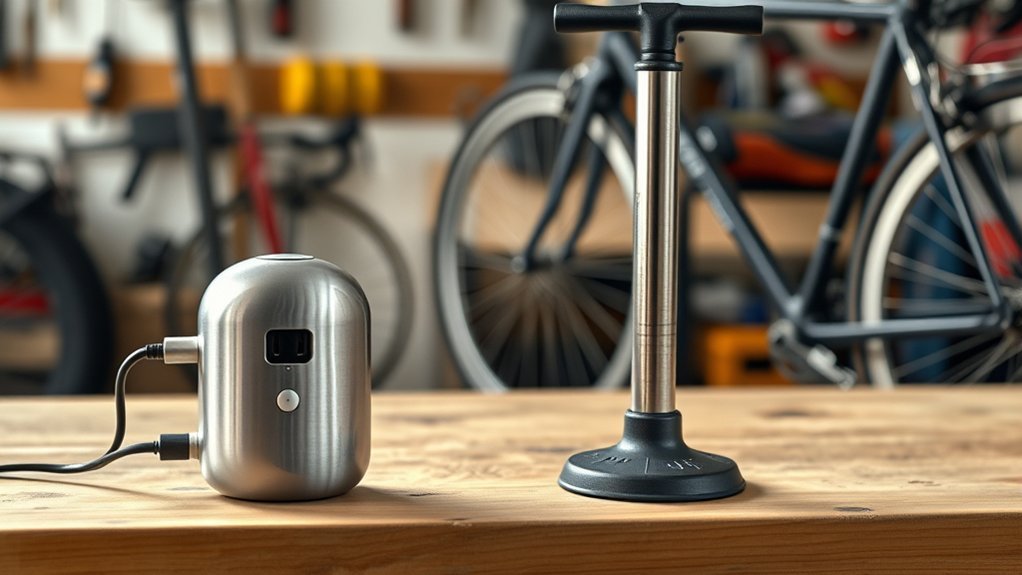
You’ll pick a CO2 inflator when you want near-instant, low-effort tire top-ups—cartridges restore pressure in under two minutes and take minimal saddlebag space. Choose a hand pump when you need reusable, maintenance-free autonomy for longer rides; pumps take more time and physical effort but avoid disposable cartridges and waste. Both need valve-compatible heads and practice to use safely. Keep a mini-pump as a reliable backup, and the rest of this guide compares speed, cost, and use cases.
Quick Answer: CO2 Inflator vs Hand Pump
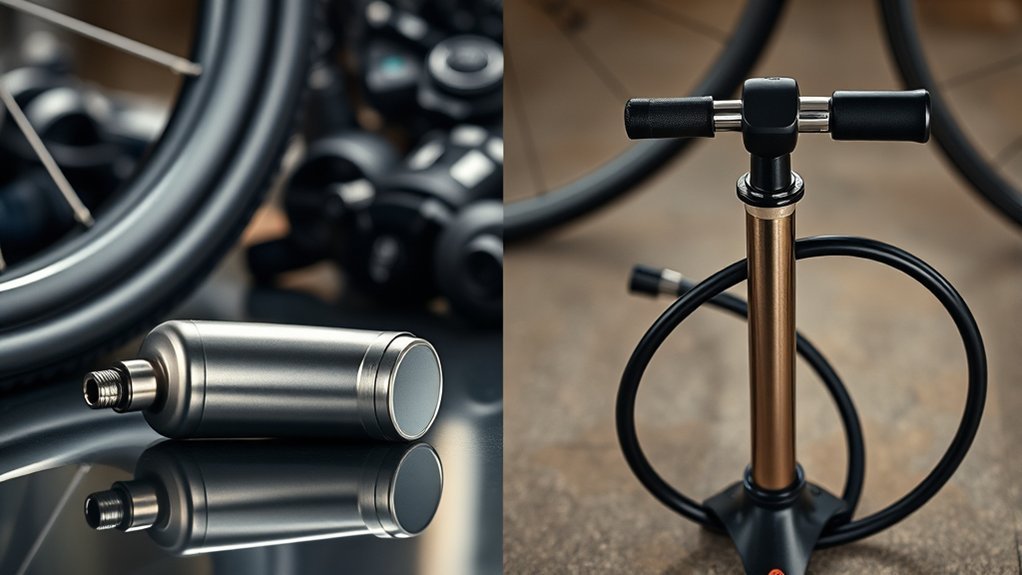
One glance settles it: a CO2 inflator restores tire pressure in seconds, while a hand pump can take several minutes and a lot more effort. You’ll choose CO2 inflators when speed and low exertion matter: a 16g cartridge will typically inflate a road tire quickly and seat tubeless beads with a strong gas burst. You’ll carry spare cartridges if you expect multiple stops, since cartridges are single-use. You’ll choose hand pumps for reliability and autonomy: they last years, need no consumables, and give continuous air without extra cost, though they demand substantial physical work and many pumps per PSI. For liberation — freedom from delay or dependence — weigh your priorities: rapid roadside fixes and light weight versus self-reliant endurance and durability. Both tools work to inflate a tire; your route, frequency of flats, and tolerance for carrying supplies will determine which one frees you to keep riding.
[Products Worth Considering]
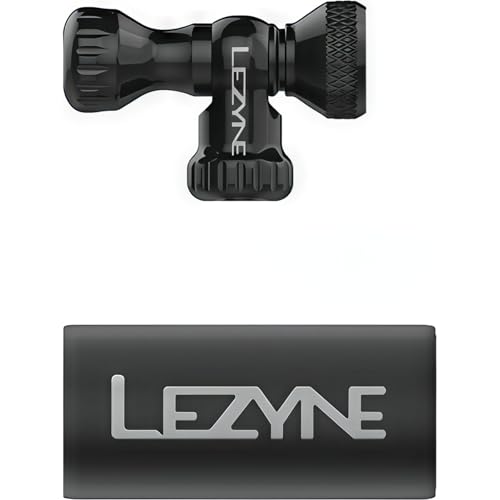
CONTROL DRIVE CO2 – The Lezyne Control Drive CO2 bike tire inflator offers precision inflation control and rugged dependability in a compact, easy-to-use trail-ready design; Compatible with standard threaded CO2 cartridges (sold separately), the Twin Slip Chuck head provides cyclists with a flexible, minimalist tool for dependable off-road tire inflation
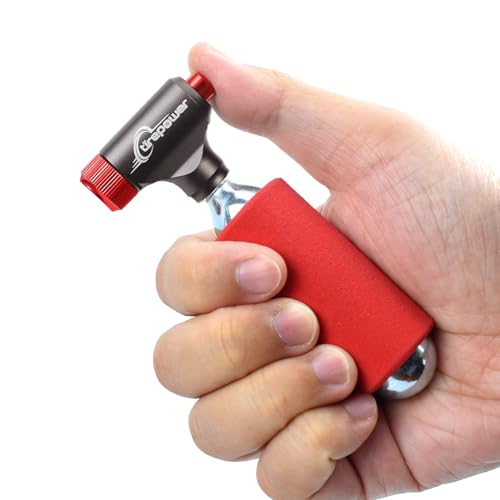
Quick Inflation in Seconds: Ctrepower co2 bike tire inflator can fill your bike tire in just a few seconds ; Perfect for cyclists in a rush or those who need fast tire fixes to keep their ride going without delay

【Get Back Riding Fast】: The CXWXC CO2 Cartridges are a new standard of threaded CO2 Cartridge, perfect for whether your going on tough mountain range rides, or in need of fast air pressure during hot pursuit racing! With the 16g threaded cartridges, it can fill a large (26” x 1.95”) MTB tire to 40psi (2.7bar) in a single shot, now that’s impressive! Get yourself back on the trail quick and conveniently with the handy 16 gram threaded CO2 cartridge
How CO2 Inflators and Hand Pumps Work
You’ve just weighed speed versus self-reliance; now let’s look at how each tool actually moves air. CO2 inflators use a sealed cartridge of compressed carbon dioxide that you puncture or open into a valve attachment; the pressurized gas rushes into the tube and fills the tire almost immediately. You control release via a threaded head or lever, and cartridges are single-use—simple, violent, and efficient for emergency top-ups.
Hand pumps rely on a piston and cylinder: you pull to draw ambient air into the chamber, then push to force that air through a hose and valve stem to inflate your tires. Floor pumps offer larger bore and volume per stroke; mini-pumps trade volume for portability. Hand pumps demand mechanical effort but are reusable and predictable, letting you depend on stored human power rather than expendable cartridges. Both systems use valve-specific fittings and basic gas laws; you choose based on whether you want speed or sustained autonomy to inflate your tires.
Inflation Speed, Effort, and Accuracy (Real-World)
Speed, effort and accuracy matter differently depending on whether you’re aiming for a roadside fix or a workshop tune-up. In real-world terms, CO2 inflators maximize inflation speed: you attach, discharge, and reach target pressure in under two minutes, so you’ll be back riding fast. They demand almost no physical effort, but their rapid fill can lead to gradual pressure loss over hours due to gas diffusion, so they’re best for immediate liberation, not long-term storage.
Manual pumps trade speed for reliability. Expect seven-plus minutes and substantial physical effort—hundreds of strokes—to reach high pressures, with analog gauges that may limit accuracy. Electric pumps sit between: roughly five minutes, moderate effort only to carry and power the unit, and superior accuracy through digital gauges and auto-stop features. Choose based on whether you prioritize instant inflation speed and minimal physical effort or steady, accurate pressure retention for sustained freedom on the road.
[Products Worth Considering]
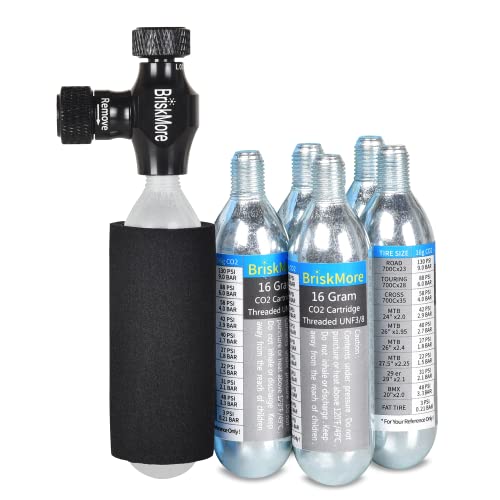
★Classic, Durable, Compact and Lightweight design.BriskMore CO2 Inflator Set has one inflator head, 5 units 16g 3/8 sized threaded CO2 cartridges and insulate sleeve for 16g cartridges only.

【Get Back Riding Fast】: The CO2 Inflator Set (CO2 Cartridges x 4/ CO2 Inflator/ insulate sleeve) is a new standard of threaded CO2 Cartridge, perfect for whether your going on tough mountain range rides, or in need of fast air pressure during hot pursuit racing! With the 16g threaded cartridges, it can fill a large (26” x 1.95”) MTB tire to 40psi (2.7bar) in a single shot, now that’s impressive! Get yourself back on the trail quick and conveniently with the handy 16 gram threaded CO2 cartridge
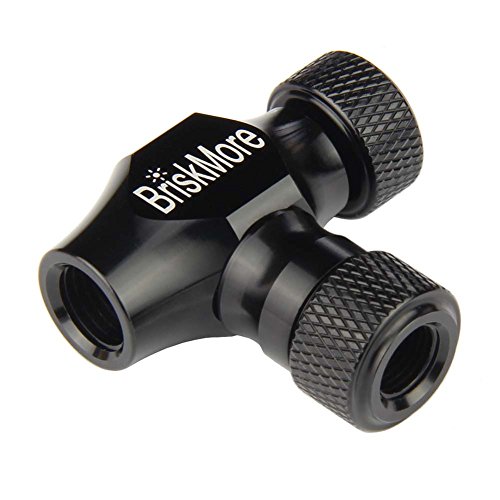
★Classic, Durable, Compact and Lightweight design. Insulted Rubber foam sleeve(for 16g cartridges only) included to prevent frozen fingers when operating.
Portability and Storage: Saddlebag to Garage
Decide how much saddlebag space you can spare: CO2 cartridges and mini-pumps take minimal room, while full-size floor or electric pumps need dedicated storage. For home or vehicle, plan for the bulk and weight of electric inflators and store CO2 canisters in a cool, dry place to avoid degradation. Match your choice to multi-ride needs—competitive riders will favor ultra-light CO2 kits, casual riders a durable mini- or frame pump.
Saddlebag Space Requirements
One compact inflator or a slim mini-pump will take up only a few cubic inches of saddlebag space, letting you carry tire repair capability without crowding tools or snacks. You’ll find portable tire inflators, CO2 cartridges, and mini-pumps are optimized for minimal volume and weight; a standard CO2 cartridge fits in a pocket or small tool bottle, while a 100 g mini-pump nests neatly in a saddle bag. If you prize freedom on long rides, choose gear that preserves space for food and layers. Avoid heavy electric pumps for saddlebag carry—they’re bulkier and reduce mobility. Pack by function: one cartridge or pump, a patch kit, and a multi-tool. This disciplined selection keeps your kit compact, efficient, and liberating.
Home Storage Considerations
Think about where you’ll use each inflator and store it: keep lightweight manual pumps and CO2 cartridges with your ride kit (saddlebag, tool bottle, or jersey pocket) for quick access, and reserve heavier electric inflators and floor pumps for garage storage where weight and bulk don’t matter. At home, allocate fixed space: mount a robust floor pump by the workbench and shelf electric pump units with their chargers and cords. Label compartments so you grab the right tool fast. For liberation on the road, prioritize compact manual pumps and CO2 for emergency use — they don’t need charging and fit tight spaces. If you bikepack, store a mini hybrid pump in a dedicated kit pocket; it bridges portability and repair capability without cluttering your garage essentials.
Multi-Ride Portability
When you plan for multi-ride portability, match the inflator to where and how you ride: pack a mini-pump or CO2 cartridge in your saddlebag or jersey pocket for immediate roadside repairs, stow compact electric inflators in a larger backpack when you need faster, tire-specific fills, and reserve full-size floor pumps for the garage where weight and bulk aren’t an issue. You’ll choose tools by weight, volume, and mission: mini-pumps and CO2 are ultra-portable; electric units trade weight for speed and pressure control.
| Option | Best use |
|---|---|
| Mini-pump | Emergency roadside; <200g |
| CO2 | Pocketable rapid inflate |
| Compact electric | Quick, precise fills; backpack |
| Floor pump | Home/garage high-volume fills |
Cost, Reuse & Environmental Impact of Cartridges vs Pumps
Although CO2 inflators give you near-instant tire fills, they’re single-use and add recurring costs and waste, while a durable manual pump is a one-time purchase that avoids disposable cartridges. You’ll weigh cost, reuse, environmental impact: a CO2 kit with four cartridges runs about $29, so repeated use quickly eclipses a $25–$55 pump. CO2 cartridges force regular repurchase and generate metal and propellant waste unless you recycle every canister properly.
You’ll appreciate that a manual pump eliminates refill logistics and finite supply concerns; it’s reusable, predictable, and lowers lifecycle waste. For riders seeking autonomy and reduced environmental burden, pumps offer a clear advantage: no cartridges to carry, no single-use disposables to discard, and fewer long-term expenses. CO2 still wins for rapid roadside repairs, but if you prioritize sustainability and liberation from consumables, invest in a quality pump that serves indefinitely with minimal ecological footprint.
Safety, Maintenance & Common Mistakes (Field Checklist)
Having settled the cost and environmental trade-offs, you should now focus on safety, maintenance and common mistakes that affect both CO2 inflators and manual pumps. Inspect your device before every ride: look for cracks, bent fittings, worn seals and loose connections. For CO2, store cartridges cool and dry, check expiry or corrosion, and replace suspect units; that’s basic maintenance that prevents leaks and failure. Practice at home so you master valve attachment and target pressure—this reduces common mistakes like cross-threading or overinflation. During use, handle cartridges with gloves or a cloth; they get extremely cold and can cause frostbite. After inflating with CO2, recheck pressure after a short ride; CO2 can bleed off faster than air. For pumps, keep the head and hose clean, lubricate seals periodically, and verify gauge accuracy. Follow this field checklist and you’ll stay safe, reduce breakdowns, and keep your freedom to ride without avoidable interruption.
Choosing the Right Tool by Rider Type and Use Case

If you ride to work or run errands, an electric inflator will save you time with quick, hands-off pressure checks and top-ups. For long-distance touring or bikepacking you’ll want a compact, reliable manual pump that never depends on batteries and can be serviced in the field. We’ll compare performance, weight, range, and failure modes so you can match tool choice to your typical trip profile.
[Products Worth Considering]

Portable and Lightweight Design: The GPUTEK bike electric pump measures a compact 2.81 x 1.77 x 1.25 inches and weighs just 0.23 lbs, making it easy to carry on your bicycle rides. This Mini design allows you to conveniently store it in your bag or pocket, providing a lightweight solution for your riding needs

ADVANCED TRUEGAUGE SCREEN: This battery tire inflator includes updated sensor technology, capable of collecting pressure data from tire inflators at a frequency of 200 times per second. Its valid data rate is higher than 80%, which is 60% better than the market average. Wherever you go, accurate readings help you drive safely.

Jet-inflate continuous work: with 5000 mAh battery, X9 Ace can inflate 8 tires in a single charge; Also this electric bike pump features a cooling system, allowing it to operate continuously for 25 mins without the need for any mid-session breaks
Commuters And Errands
For daily commutes and quick errands, pick the tool that matches how fast and how often you need to restore pressure: electric inflators give sub‑minute, preset‑PSI fills for regular maintenance, CO2 cartridges deliver near‑instant top‑ups with minimal bulk, and lightweight manual mini‑pumps serve as dependable, battery‑free backups when portability and simplicity matter. If you value absolute convenience and consistent tire pressure, an electric inflator fits your routine: set the PSI, plug in, and move on. If you prioritize minimal weight and instant recovery between stops, CO2 cartridges restore pressure in seconds. If you need freedom from batteries and resupply, carry a compact manual mini‑pump that reliably boosts pressure enough for urban tires. Match tool to frequency, target PSI, and refusal to be stranded.
Long-Distance And Touring
When you’re planning multi-day rides or remote tours, prioritize tools that keep you riding without depending on external support: carry a reliable manual mini-pump as your primary emergency inflator, pack a couple of CO2 cartridges for fast roadside top-ups when weight and time matter, and treat electric pumps as optional—useful for pre-ride checks or vehicle support but unreliable as your sole solution due to battery and charging constraints.
| Tool | Weight | Role |
|---|---|---|
| Mini Bike Pump | Low | Best emergency, reliable |
| CO2 Inflator | Very low | Rapid top-ups |
| Electric Air Pump | High | Fast, requires power |
Choose a lightweight manual pump for self-sufficiency and a compact CO2 for speed. Use electric air only when you can guarantee charge; liberation comes from dependable, minimal gear.
Frequently Asked Questions
What Are the Disadvantages of Tire Inflators?
You’ll face single-use waste, CO2 leakage, frostbite risk, battery limitations, noise levels, portability issues, higher cost and unpredictable performance — so you’ll need backups, vigilant pressure checks, and careful handling to stay free and self-reliant.
Is a CO2 Bike Tire Inflator Better Than a Pump?
Yes — but it depends. You’ll gain CO2 efficiency and unmatched inflation speed, yet you’ll weigh portability comparison and cartridge limits; choose based on mission: rapid, technical freedom or durable, reliable self-reliance in the long run.
Is It Possible to Inflate a Car Tire With a Bike Pump?
Yes — you can inflate a car tire with a bike pump, but you’ll confront bike pump limitations, tire size compatibility issues, and poor inflation efficiency comparison; you’ll expend significant effort, so carry a compressor for faster, liberating freedom.
Can I Use a Tire Inflator on a Bike?
Yes — you can use a tire inflator on a bike: check bike pump compatibility, confirm tire valve types, and set inflator pressure settings to your tire’s PSI; you’ll gain fast, precise inflation while preserving ride freedom.
Conclusion
You want fast, reliable air? Don’t pretend a medieval hand pump isn’t heroic — it’s slow, sweaty, and accurate-ish; CO2 cartridges are the cheat code: instant, exact pressure, and mysteriously gone when you need them next. Pack a pump for long rides, keep a cartridge for race-day theatrics, and learn basic valve/pressure checks so you don’t look heroic and useless. Practical rule: redundancy beats regret — bring both, use smartly.







Leave a Reply