
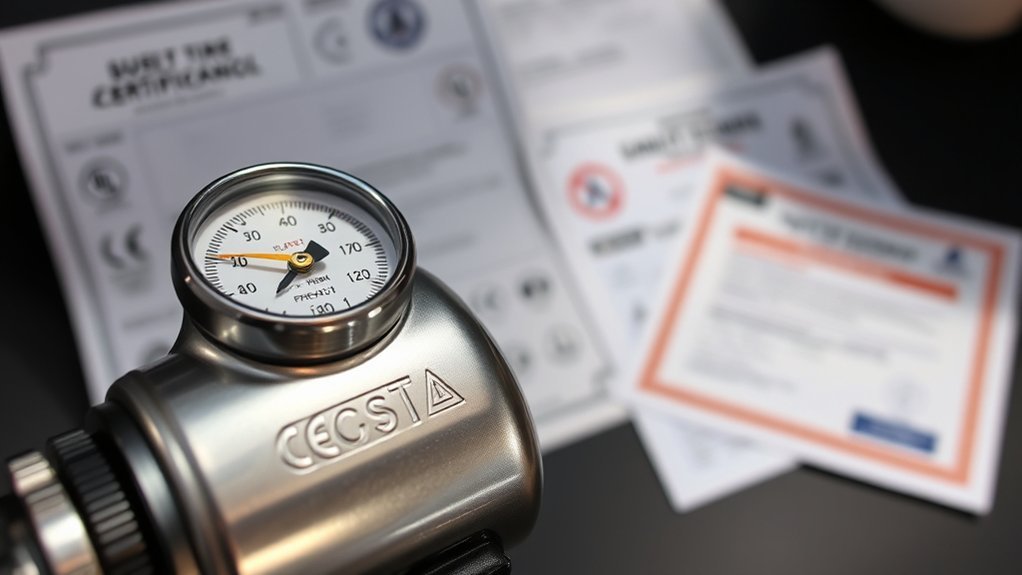
Only buy a portable tire inflator with genuine safety certifications (like UL 2527) and solid electrical protections. Certified units prevent fires, overheating, and early failure while delivering predictable performance. Look for a molded UL mark, confirm the model on the UL site, and prefer units with sealed thermal switches, automatic shut-off, and a thick, oil-resistant power cord rated for the unit’s amperage. Ask for compliance documents and a clear warranty.
Quick Answer
- Look for a molded UL mark (not a sticker) and verify it in the UL certification directory online.
- Require automatic shut-off and a sealed thermal switch to prevent over-inflation and overheating.
- Inspect the power cord for thickness, flexibility, and oil-resistant insulation.
- Ask for compliance documentation and a warranty of at least 6–24 months before buying.
Why UL 2527 and Other Standards Matter for Portable Tire Inflators
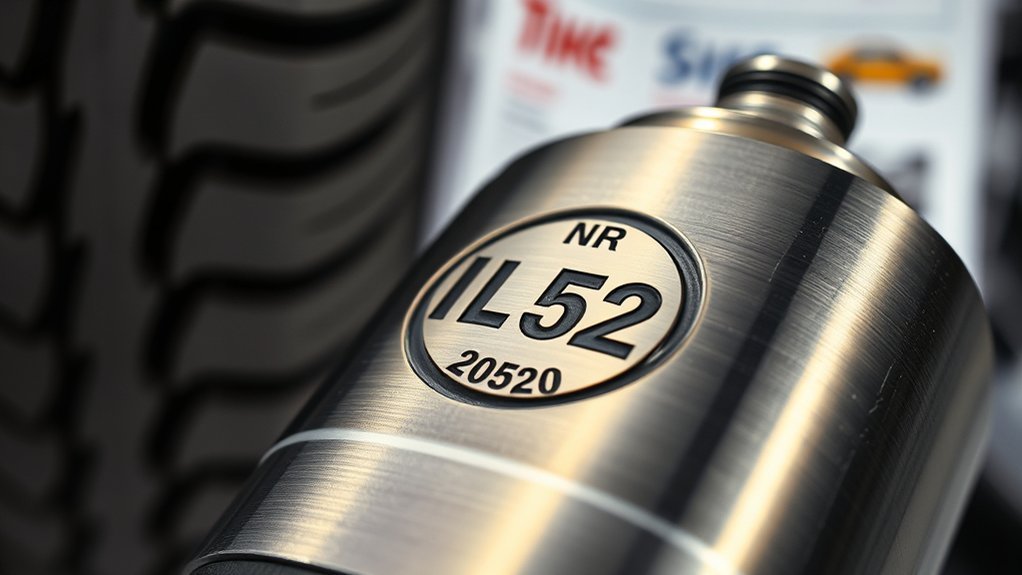
Because you rely on a portable tire inflator in stressful situations, its safety standard matters. UL 2527 certifies that a unit has been tested for electrical integrity, fire resistance, thermal management, and mechanical robustness under realistic failure conditions.
UL 2527’s lifecycle and failure-mode testing gives you practical assurance that the device won’t quit when you need it most. Look for units that include overheating prevention features and a clear thermal management design. These address the most common failures found in untested units.
Verify genuine UL Marks molded into the housing rather than trusting adhesive stickers, which can signal counterfeits. Treat UL certification as a baseline for product safety and pair it with complementary certifications for added protection. A certified inflator gives you predictable performance, clearer maintenance needs, and measurable safety criteria to compare across models.
How UL, IEC/EN, CE, and RoHS Differ: What to Watch For
Each certification mark addresses different risks, so knowing what each one actually guarantees helps you make a smarter choice.
UL targets electrical integrity, fire prevention, and mechanical safety for portable tools like tire inflators. Its tests cover lifecycle risks so you can trust durable protection. IEC/EN aligns technical performance and safety across Europe, focusing on harmonized requirements that reduce regional gaps. CE shows a product meets European health, safety, and environmental rules and allows market access, but it’s a manufacturer’s declaration rather than a single independent-test stamp. RoHS limits hazardous substances, ensuring inflators are free of toxic materials.
When evaluating models, look for genuine certification marks confirming compliance with relevant safety standards. Each mark covers a distinct threat: electrical and fire safety (UL), harmonized performance (IEC/EN), regulatory conformity (CE), and material hazards (RoHS). That clarity makes it easier to compare units on safety grounds alone.
Verifying Certification on a Tire Inflator: Real vs. Fake UL Marks
When you inspect a tire inflator, first look for a molded UL mark in the housing rather than a paper or vinyl sticker. Check the power lead for thickness, flexibility, and oil-resistant insulation, as these are common indicators of a genuine UL-listed unit. Finally, confirm the model on the Underwriters Laboratories website to make sure the mark is valid.
[Products Worth Considering]

QUICK & ACCURATE: Built with the highest quality materials, Airmoto is a portable tire inflator for car, trucks, SUVs, motorcycles, and bicycles. Quickly inflate your vehicle's tires in just minutes with precision accuracy up to 120 PSI. Small and compact car air pump that fits in your glove box or trunk.

Please Note: This product must be powered by a 12V DC Cigarette Lighter to function properly, and ensure the vehicle is in a running state. And it equipped with a 9.8-foot cord, which can meet the usage needs of most regular-sized vehicles.

Fast-Inflation & Compact: Our compact and lightning-fast upgrade to the popular R7 air compressor portable. With a powerful 40L/Min cylinder, this air pump for car can inflate a tire (215/50 R17) in under a minute (26-35PSI) and even Tesla tires (235/40 R19) in just 1.5 minutes (28-36PSI). Say goodbye to slow and cumbersome inflation processes – This 150PSI tire inflator portable air compressor offers a smoother, faster solution for all your inflation needs.
Check Molded UL Mark
A molded UL Mark on a tire inflator means the manufacturer submitted that unit to Underwriters Laboratories for testing. The mark is permanent, not decorative.
Inspect the housing for a raised, molded UL Mark, not a glued sticker, and confirm the mark matches product specifications listed by the maker. Authentic certifications protect consumer safety and let you inflate your tires with confidence.
- Look for a permanently molded UL Mark on the case, not an adhesive label.
- Cross-check the model and UL Listing with the manufacturer’s site or UL database.
- Prefer units displaying multiple safety certifications (CE, etc.) for added assurance.
Counterfeit marks are common, so verify before you buy.
Inspect Power Lead Quality
Inspect the power lead closely. Feel for a thick, flexible cord that resists oil and doesn’t crack when bent. Those qualities usually point to higher manufacturing standards and compliance with safety requirements.
You want a lead that’s solidly joined to the housing, free of frays, cuts, or exposed conductors. Electrical integrity depends on a secure connection to the power source.
Genuine UL Listed models often pair a molded mark with durable wiring. Adhesive labels and flimsy cords can signal counterfeit certifications. Favor reputable retailers who stock verified units.
Verify Certification Online
To be certain a UL mark is real, verify the certification using UL’s certification directory. Search by product name or model number, then cross-check the physical mark on the unit. Real UL certification is molded into the housing; adhesive stickers can signal fakes.
Also confirm additional certifications like CE for added product safety. Inspect for thicker, oil-resistant power leads and robust thermal management to prevent overheating during use, and check pressure gauges for accuracy.
- Visit UL’s certification directory and enter model details to verify the listing.
- Check the physical UL mark (molded vs. sticker) and look for robust thermal management features.
- Confirm additional certifications and test pressure gauges to guarantee accuracy.
Thermal and Electrical Protections to Require (Auto Shut‑Off, Thermal Switch, Cord Specs)
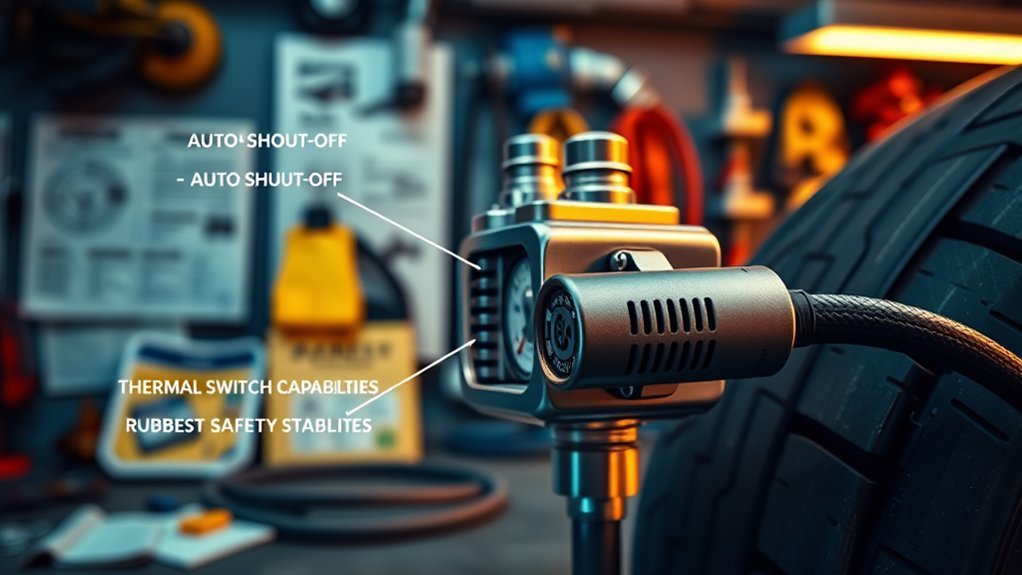
Check that the auto shut-off is reliable and stops the compressor precisely at your set pressure to avoid over-inflation and blowouts. Verify the presence of a sealed thermal switch that cuts power if the unit overheats. Inspect the power cord for a thick, flexible, oil-resistant lead and confirm the model meets UL 2527 electrical integrity testing.
[Products Worth Considering]

【Powerful Inflation】Delivers up to 150 PSI, inflating a 195/65 R15 tire from 30–36 PSI in under 1 minute—fast, reliable performance for roadside emergencies.

Effective Tire Inflation: Tire inflator offers rapid inflation up to 150 PSI, with a built-in gauge for precise readings. It's an essential accessory for car, bike, motorcycle, ball, and inflatables

【50s Fast Inflation】: Equipped with Industrial-Leading chip, sensor and Zinc-Alloy motor, Inzeetor Tire Inflator takes only 50 seconds to inflate a tire (195/65R15) from 30 to 36 PSI.
Auto Shut-Off Reliability
An inflator’s auto shut-off and thermal protections do the real work of preventing accidents and equipment damage. Prioritize models that combine a reliable auto shut-off, a sealed thermal switch, and strong cord construction.
You want an auto shut-off that stops inflation at the set pressure to reduce blowout risk, paired with reliable thermal protection to cut power if temperatures climb. Look for UL 2527 certification as proof that the device’s safety mechanisms and electrical protections passed rigorous testing. Prioritize heavy, flexible, oil-resistant cords for durability and user safety, especially in rough conditions.
- Auto shut-off accuracy and repeatability
- Sealed thermal switch and power interruption
- Cord thickness, flexibility, and oil resistance
Thermal Switch Protection
A reliable auto shut-off sets the baseline for safe inflation, but the thermal switch is what keeps the unit safe under prolonged or heavy use. Thermal switch protection detects rising internal temperatures and cuts power before overheating causes failure or fire.
Look for models with UL 2527-style thermal management and documented safety testing, including abnormal operation tests that simulate worst-case stress. Auto shut-off handles pressure limits; thermal switches handle sustained load.
Inspect specs for robust insulation and oil-resistant leads to reduce electrical hazards during heavy use. Choosing a tested, well-designed unit protects you and keeps performance predictable when conditions get demanding.
Power Cord Specifications
When inspecting a tire inflator, pay close attention to the power cord. Its thickness, flexibility, insulation, and oil-resistance tell you more about thermal and electrical protection than any marketing claim does.
You want power cord specifications that match the unit’s current draw and operating voltage, with oil-resistance to survive garage environments. Prefer models with sealed thermal protection switches and an automatic shut-off to prevent over-inflation and thermal runaway. Look for UL 2527 or equivalent safety certifications that verify electrical integrity and thermal management.
- Thick, flexible, oil-resistant cord rated for the device’s voltage and amperage.
- Built-in thermal protection (sealed switch) to cut power under fault.
- Automatic shut-off to stop the compressor at set pressure, preventing over-inflation.
Buying Checklist: Required Features, Documentation, and Warranty
Focus on three essentials when shopping for a tire inflator: certified safety marks, clear documentation, and a solid warranty.
Inspect units for recognized safety certifications like UL 2527 or RoHS compliance. Verify a genuine UL Mark molded into the unit, since counterfeit marks are a known problem. Confirm thermal management systems such as sealed thermal switches to prevent overheating during repeated use.
Ask for compliance documentation: compliance certificates, detailed product specifications, and clear operational data such as max PSI, duty cycle, and power draw. These documents let you compare models and support a warranty claim if something fails.
Aim for a warranty period of 6–24 months. Longer terms signal manufacturer confidence and protect you from premature replacement costs. Before buying, check what the warranty actually covers: parts, labor, and whether misuse voids it.
[Products Worth Considering]

ADVANCED TRUEGAUGE SCREEN: This battery tire inflator includes updated sensor technology, capable of collecting pressure data from tire inflators at a frequency of 200 times per second. Its valid data rate is higher than 80%, which is 60% better than the market average. Wherever you go, accurate readings help you drive safely.

[Fast & Efficient Inflation] The OlarHike tire inflator features a high-performance motor that delivers rapid airflow—inflate a standard car tire (195/65 R15) from 30 to 35 PSI(+5 PSI) in just 55 seconds, or a larger SUV tire (235/65 R17) from 30 to 35 PSI(+5 PSI) in only 2.2 minutes. Ideal for cars, SUVs, light Pickup(Within 51 PSI), motorcycles, bicycles, and sports balls. Important Note: The unit can only inflate car/pickup truck tires up to 51 PSI

[Powerful Battery Jump Starter] Wagan iOnBoost V10 AIR delivers powerful 1500A peak current to jump-start most 12V vehicles, including gas engines up to 7.8L V10 and diesel engines up to 3.0L. Suitable for cars, trucks, SUVs, and motorcycles, it offers up to 25 jump starts per full charge, making it a dependable roadside solution for emergencies or everyday use.
Troubleshooting, Maintenance, and When to Replace Your Certified Inflator
Regular checks keep your certified inflator reliable. Inspect power leads, connectors, and the sealed thermal switch every few uses to catch wear or damage early. Following simple maintenance routines and respecting run-time limits keeps performance consistent.
If inflation takes longer than usual or pressure readings fluctuate, start troubleshooting: look for air leaks, kinked hoses, or a failing motor.
Inspect power leads, connectors, and the sealed thermal switch regularly; troubleshoot leaks, kinks, or motor issues to ensure safe, consistent inflation.
- Check power leads and connectors for fraying, test for leaks at fittings, and verify the sealed thermal switch resets reliably.
- Track inflation times and pressure readings; compare them to manufacturer performance metrics and recommended run durations.
- Store the unit dry and cool, avoid continuous operation beyond 10 minutes, and follow the maker’s maintenance schedule.
If the inflator can’t hold correct pressure or shows persistent performance decline after fixes, plan for replacement. Don’t compromise safety to get more time out of a worn-out unit.
Frequently Asked Questions
What Should I Look for in a Tire Inflator?
Prioritize automatic shut-off, an accurate pressure gauge, flexible power source options, fast inflation speed, low noise, and strong build quality. Verified user reviews are a reliable way to spot real-world reliability issues before you commit to a model.
How Do I Choose the Right Inflator?
Look for a portable model with a digital gauge, fast inflation speed, a reliable power source, and low noise levels. Check brand reputation and warranty terms. A compact, well-reviewed unit from a certified manufacturer covers most everyday roadside needs.
What Are the Safety Ratings for Tires?
Tire safety ratings cover tread wear, temperature resistance, traction, load rating, and puncture resistance. Monitor tire pressure regularly and choose tires with higher grades in the areas that matter most for your driving conditions and climate.
What Are the Different Types of Tire Inflators?
The main types are portable electric inflators (12V DC or AC-powered), manual inflators, and heavy-duty compressors. Electric models with digital gauges and auto shut-off are the most practical for everyday roadside use. Heavy-duty versions are better suited to commercial vehicles or frequent, high-volume use.
Conclusion
You’re not just buying a gadget. You’re choosing a small lifesaver that shouldn’t overheat, fry your car, or quit when you need it most. Insist on UL 2527 or equivalent marks, real thermal and electrical protections, clear documentation, and a solid warranty. Verify labels and test regularly. With the right certified inflator in your trunk, you’ll be genuinely prepared for a flat tire at any hour.







Leave a Reply