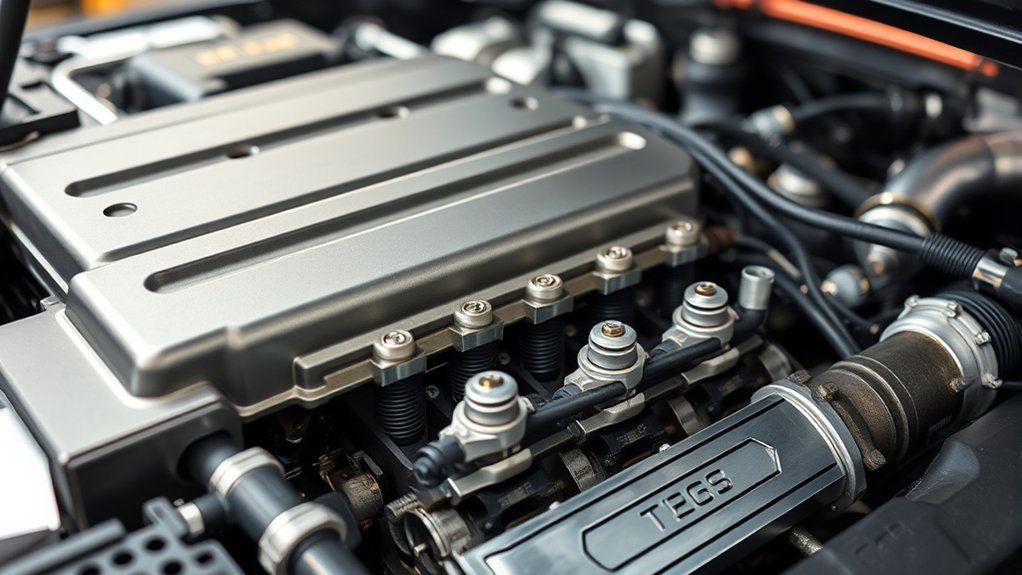
Toyota Supra Ignition System Guide
A weak ignition system can make your Toyota Supra feel rough, slow, or hard to start. The system must send a strong spark at the right time, or the engine can misfire and lose power. This guide explains how the Supra ignition system works, what usually fails, how to troubleshoot problems, and how to maintain it with care.
Quick Answer
The Toyota Supra ignition system creates and controls the spark that starts combustion inside the engine. Many Supra models use electronic ignition parts, and some use a coil-on-plug layout for cleaner spark delivery. If your Supra misfires, cranks without starting, or feels weak under load, start by checking coils, plugs, connectors, wiring, and sensor signals.
Key Takeaways
- Check spark plugs, coils, connectors, and wiring before replacing costly parts.
- Use the correct ignition timing procedure for your exact Supra engine and model year.
- Look for heat damage, corrosion, and loose plugs around ignition connectors.
- Upgrade ignition parts only when your engine setup needs stronger spark support.
- Disconnect the battery and follow safe test steps before working near ignition parts.
Understanding the Toyota Supra Ignition System
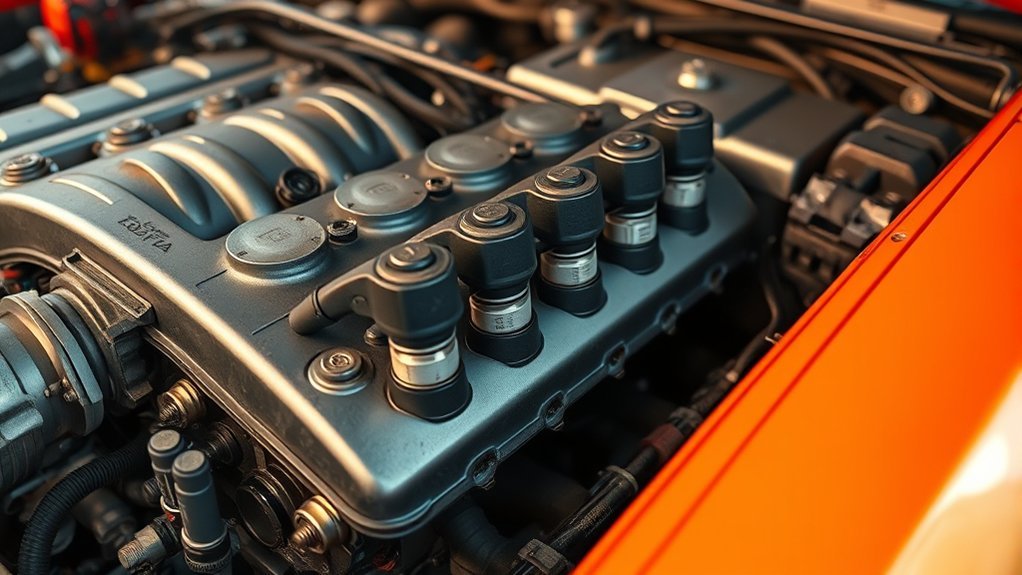
Your Toyota Supra ignition system creates the spark that lights the air and fuel mixture inside each cylinder. A good spark helps the engine start fast, idle smoothly, and pull hard under load. A weak or mistimed spark can cause misfires, poor fuel use, and hard starting.
Many later Supra engines use electronic ignition control, and the 2JZ-GTE setup uses a coil-on-plug design. This layout places an ignition coil near each spark plug, which helps reduce spark loss compared with older long-wire systems. The engine control unit uses sensor signals to decide when each coil should fire.
Ignition timing matters because the spark must happen at the right point before the piston reaches top dead center. On many 2JZ-GTE service procedures, base timing gets checked near 10 ± 2° before top dead center at idle. Always confirm the timing method for your exact model year, engine, and market version before adjustment.
Note: Supra ignition layouts can vary by generation, market, engine, and modifications, so use the correct service manual for your car.
The ignition system also depends on the crankshaft position sensor and camshaft position sensor. These sensors help the engine control unit track engine position and timing. If one sensor gives a bad signal, your Supra may crank without starting, misfire, or lose power.
Common Toyota Supra Ignition Problems
Several ignition issues can hurt Toyota Supra engine performance and reliability. Faulty ignition coil connectors, damaged spark plugs, weak coils, and brittle wiring often cause misfires. Heat and age can also make plastic connectors crack or loosen.
Start with the basic parts before you blame the engine control unit. Loose or corroded wiring harness connections can interrupt power or signal flow. A poor ground can also create random ignition faults that feel hard to trace.
- Rough idle after startup
- Misfire under boost or heavy throttle
- Hard starting or long crank time
- Poor throttle response
- Fuel smell from incomplete combustion
- Check engine light or stored misfire codes
Incorrect ignition timing can also create problems. If timing sits too far advanced or retarded, the engine may run rough, knock, or lose power. Check timing only with the correct diagnostic steps for your Supra.
How to Troubleshoot Ignition Problems in Your Supra?
Troubleshooting ignition problems in your Toyota Supra works best when you follow a clear order. Start with simple visual checks, then move to electrical tests. This keeps you from replacing good parts by mistake.
- Check the battery first. Confirm that the battery has enough charge and that both terminals fit tight.
- Inspect the spark plugs. Look for worn electrodes, oil fouling, carbon buildup, or cracked porcelain.
- Check the ignition coils. Look for cracked housings, burn marks, swelling, or signs of arcing.
- Inspect the coil connectors. Check for broken clips, corrosion, loose pins, or heat damage.
- Test ignition wires where fitted. Use a multimeter to check resistance and continuity against the correct service specs.
- Scan for fault codes. Read stored engine codes before clearing them, since they can point to a cylinder or sensor fault.
- Verify sensor signals. Check the crankshaft position sensor and camshaft position sensor if the engine cranks but does not start.
- Confirm ignition timing. Use the proper timing light method and service procedure for your exact Supra engine.
Warning: Ignition systems can produce high voltage, so disconnect the battery and avoid touching coils or plug leads while the engine runs.
A wiring diagram can help when basic checks do not find the fault. Trace the ignition system’s power, ground, and signal paths. If you find damaged insulation or loose terminals, repair them before you install new ignition parts.
When to Check Spark Plugs and Coils
Check spark plugs and coils when your Supra starts to idle rough, stumble, or lose power under load. Spark plug wear can build slowly, so performance may fade before the engine shows a clear fault code. A boosted or modified engine can expose weak ignition parts faster than a stock engine.
Remove and inspect each spark plug if one cylinder keeps misfiring. A wet plug may point to fuel or spark loss. An oily plug may point to a separate engine issue, so do not assume the ignition system caused every symptom.
Swap testing can help you narrow down a bad coil. Move a suspected coil to another cylinder, then check whether the misfire follows that coil. If the misfire moves, the coil likely needs replacement.
Upgrading Your Toyota Supra Ignition System
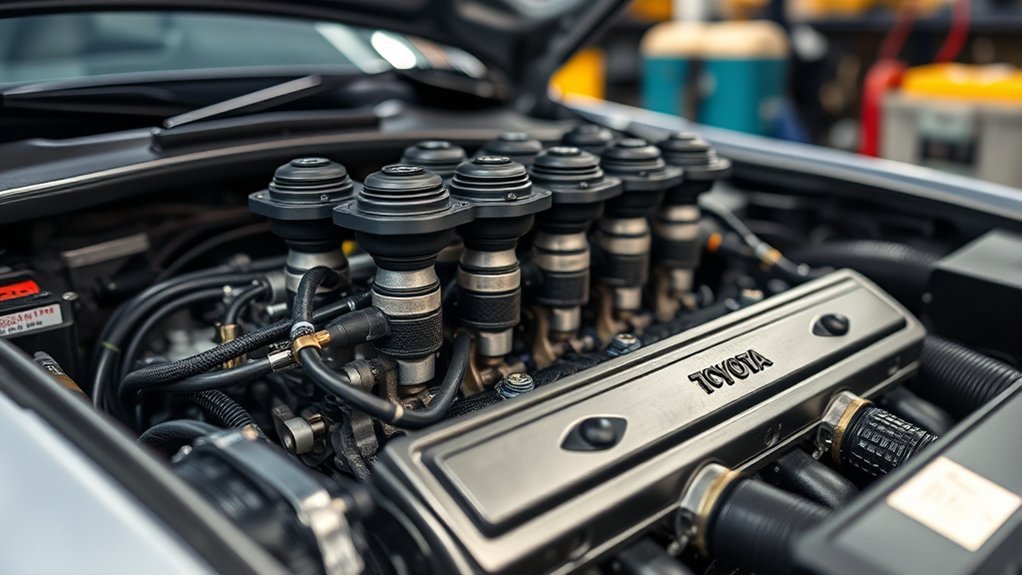
Upgrading the ignition system in your Toyota Supra can help when your engine needs stronger spark support. This matters most on cars with more boost, higher cylinder pressure, or performance tuning. A stock or lightly modified Supra may not need every ignition upgrade.
Start with high-quality spark plugs that match your engine setup. Iridium or platinum plugs can work well, but heat range and gap matter more than brand hype. Use the plug type and gap that fit your tune, fuel, and boost level.
High-performance ignition coils can help if your current coils struggle under load. Better coils may improve spark strength, but they will not fix bad wiring, poor grounds, or wrong tuning. Inspect those basics before you buy upgrades.
You can also upgrade related electrical support on heavily modified cars. A healthy battery, alternator, and ground system help keep voltage stable. Stable voltage helps the ignition system fire more consistently.
Pro tip: Match ignition upgrades to your tune instead of buying the strongest parts without a clear need.
Best Maintenance Practices for Your Ignition System
Regular maintenance helps your ignition system stay reliable. You do not need to wait for a misfire before you inspect key parts. A quick check can prevent a small connector issue from becoming a road problem.
- Inspect and clean ignition coil connectors to reduce corrosion risk.
- Check spark plugs for wear, oil, fuel fouling, or cracked porcelain.
- Look over ignition wires where your setup uses them.
- Test continuity and resistance only with the correct service specifications.
- Check engine grounds and battery terminals during ignition service.
- Confirm ignition timing with the correct service procedure.
Idle speed can also affect how the engine feels during diagnosis. Many 2JZ-GTE service references list idle near 650 ± 50 rpm under the correct test conditions. Check your exact service manual before you adjust idle or timing.
Keep water and harsh cleaners away from coils, connectors, and exposed wiring. Moisture can create poor contact or short paths. Let the engine cool before you unplug connectors, since old plastic can break when hot.
When to Get Professional Help
Call a qualified technician if your Supra cranks but will not start after basic checks. You should also get help if the car misfires under boost, shows repeated ignition codes, or has damaged wiring near the engine harness. These faults can harm the catalytic converter or engine if you keep driving.
Professional diagnosis makes sense when you need oscilloscope testing, wiring repair, or tune review. A shop that knows Toyota performance engines can test sensor signals and ignition events under load. That can save time when the problem only appears during real driving.
Frequently Asked Questions
What Are the 5 Positions of the Ignition System?
Many key-style ignition switches use Off, Accessory, On, Start, and Run positions. Off shuts the system down, while Accessory powers some cabin features. Start cranks the engine, and Run keeps the engine operating after startup.
What Are the 10 Parts of the Ignition System?
A modern ignition system can include spark plugs, ignition coils, coil connectors, wiring, fuses, relays, grounds, the engine control unit, the crankshaft position sensor, and the camshaft position sensor. Some older systems may also use a distributor, cap, rotor, or separate ignition module. Your Supra’s exact parts depend on its generation and engine.
What Are the 4 Types of Ignition Systems?
Common ignition system types include distributor ignition, distributorless ignition, coil-on-plug ignition, and capacitive discharge ignition. Each design controls spark delivery in a different way. Your best maintenance approach depends on which system your engine uses.
How to Start a Toyota Supra?
To start your Toyota Supra, place the transmission in park or neutral and press the brake pedal if your model requires it. Turn the key or press the start button until the engine fires. If it cranks but does not start, check battery condition, fuel supply, ignition spark, and stored fault codes.
Can Bad Ignition Coils Damage a Supra Engine?
Bad ignition coils can cause misfires, rough running, and unburned fuel in the exhaust. Long-term misfires can damage the catalytic converter and may stress engine parts. Fix repeated misfires as soon as you notice them.
Should You Gap Spark Plugs on a Modified Supra?
Yes, you should check spark plug gap on a modified Supra. Higher boost can need a smaller gap to prevent spark blowout. Use the gap your tuner or service information recommends for your exact setup.
Conclusion
Your Toyota Supra’s ignition system plays a major role in starting, smooth idle, power, and fuel use. Start diagnosis with spark plugs, coils, connectors, wiring, grounds, and stored fault codes. Use the correct service manual before you adjust timing or replace major parts. A clean, well-tested ignition system helps your Supra feel stronger and stay more reliable.