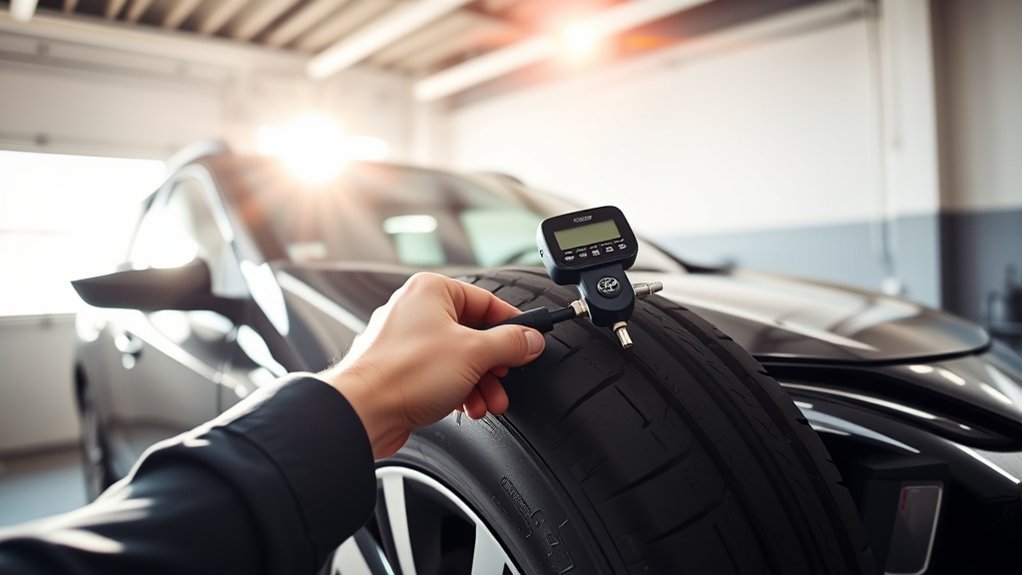
What’s in This Article
- Steps to Check Tire Pressure and Inflate Correctly
- What Your Tire Pressure Light Means
- What to Do Before You Reset the TPMS Light
- Step-by-Step: How to Reset the TPMS Light
- How to Diagnose and Fix Persistent TPMS Light Problems
- Alternative Methods to Reset the TPMS Light
- Check Your Spare Tire Pressure Regularly
- Common Causes of TPMS Light Issues
- When to Consult a Professional for TPMS Problems
- Frequently Asked Questions
Your Toyota RAV4 tire pressure light can feel stressful, especially when the tires look fine. The light often means one tire has low pressure, but it can also point to a Tire Pressure Monitoring System (TPMS) fault. Start by checking all tires with a gauge, inflating them to the pressure shown on the driver’s door sticker, and driving normally so the system can update.
Quick Answer
To turn off the tire pressure light in your Toyota RAV4, check every tire with a gauge and inflate each one to the pressure listed on the driver’s door placard. Then drive for several minutes so the TPMS can read the new pressure. If the light blinks or stays on after correct inflation, inspect for leaks, sensor problems, or a failed TPMS battery.
Key Takeaways
- Use the tire pressure value on your RAV4 driver’s door sticker, not the number printed on the tire sidewall.
- Check tire pressure when the tires are cold for the most accurate reading.
- A solid TPMS light usually means low tire pressure, while a blinking light often means a system fault.
- Some RAV4 models reset automatically after driving, while others may use a TPMS reset button or menu setting.
- If the light stays on after correct inflation, check for leaks, damaged sensors, or TPMS battery failure.
Steps to Check Tire Pressure and Inflate Correctly
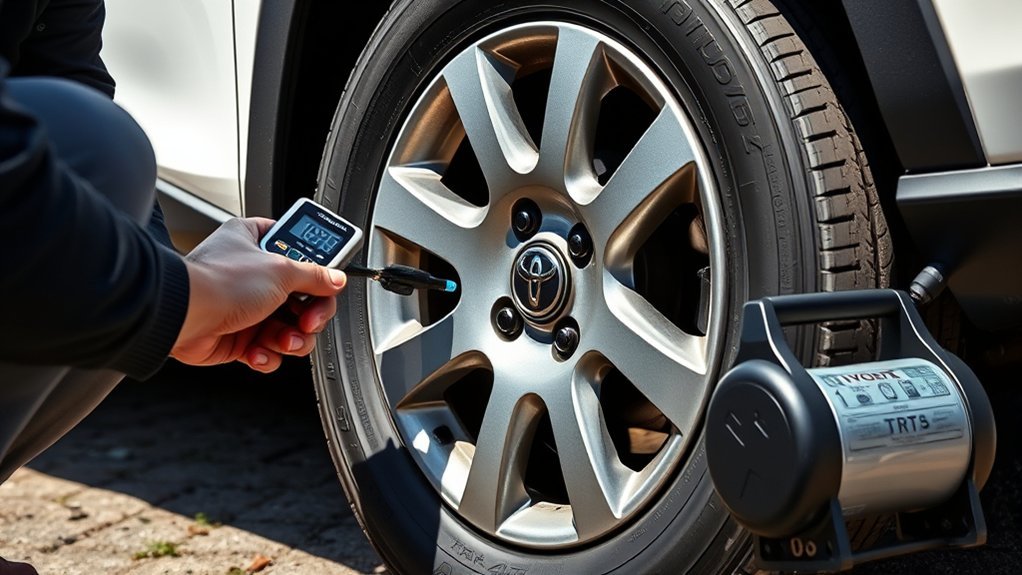
Start with a reliable tire pressure gauge and check all four tires when they are cold. Cold means the RAV4 has been parked for at least three hours or driven only a short distance at low speed.
Compare each reading with the tire pressure label on the driver’s door jamb. Do not use the maximum pressure printed on the tire sidewall, because that number does not show the correct pressure for your RAV4.
- Park your RAV4 on a level surface and turn the engine off.
- Remove the valve cap from one tire.
- Press the gauge firmly onto the valve stem.
- Read the pressure and compare it with the door-jamb label.
- Add air if the tire reads low.
- Release air slowly if the tire reads too high.
- Replace the valve cap and repeat the process on each tire.
After you inflate the tires, drive your RAV4 so the Tire Pressure Monitoring System (TPMS) can update. If the light stays on, check the pressure again before trying a reset.
Warning: Do not fully deflate your tires to reset the TPMS, because driving on underinflated tires can damage them and reduce control.
What Your Tire Pressure Light Means
When the tire pressure light turns on, your RAV4 warns you that one or more tires may need air. Low pressure can reduce handling, increase tire wear, and raise the risk of tire damage.
A solid light usually points to low tire pressure. A blinking light often means the TPMS has a fault, such as a bad sensor, weak sensor battery, or lost sensor programming.
Check tire pressure before you assume the system needs repair. Temperature changes can also drop tire pressure, especially when cold weather arrives.
What to Do Before You Reset the TPMS Light
Before you reset the TPMS light, make sure the tire pressure problem has been fixed. Resetting the light without fixing the cause can hide a real safety issue.
You’ll need a few basic items before you start:
- A tire pressure gauge
- An air compressor or nearby air pump
- Your RAV4 tire pressure label on the driver’s door jamb
- Your owner’s manual for model-specific reset instructions
Estimated time: about 10 to 20 minutes, depending on how many tires need air.
Step-by-Step: How to Reset the TPMS Light
Use these steps after you confirm the tires have the correct pressure. Your exact reset method can vary by RAV4 model year and trim.
- Check all four tires with a gauge.
- Inflate each tire to the pressure shown on the driver’s door placard.
- Start the RAV4 and watch the tire pressure light.
- Drive normally for several minutes so the system can read the updated pressure.
- Press the TPMS reset button if your model has one, and hold it until the light blinks.
- Use the vehicle settings menu if your RAV4 resets TPMS through the display instead of a button.
- Recheck tire pressure if the light does not turn off.
Some RAV4 models may need a short drive after the reset button or menu reset. If the light blinks, focus on sensor diagnosis instead of repeated resets.
Driving Tips to Reset the TPMS Light
After you inflate your tires, drive your RAV4 long enough for the TPMS to read the updated tire pressure. Normal driving often gives the system enough wheel rotation to update.
Avoid relying on one exact speed or time for every RAV4. Model year, sensor condition, temperature, and tire pressure can all affect how fast the light turns off.
Drive for Several Minutes
Drive your Toyota RAV4 for several minutes after correcting the tire pressure. This lets the TPMS compare the new readings and clear the warning if the system works correctly.
Before you drive, confirm each tire matches the pressure on the door placard. If one tire remains low, the light may stay on.
Complete Several Revolutions
If you recently inflated your tires and the TPMS light remains on, short normal driving can help the system update. The sensors need wheel movement to send useful readings.
| Action | Expected Outcome |
|---|---|
| Check all tires | Confirms correct pressure before reset |
| Drive normally | Lets TPMS read updated pressure |
| Recheck pressure | Finds leaks or incorrect inflation |
If the light remains on after these steps, one tire may still be low. You may also have a sensor fault that needs testing.
Allow Enough Driving Time
Give the TPMS enough driving time after you inflate the tires. The system may not turn the light off the moment you add air.
If the TPMS light blinks first and then stays solid, your RAV4 may have a monitoring system fault. A tire shop or repair shop can scan the sensors and confirm the cause.
How to Diagnose and Fix Persistent TPMS Light Problems
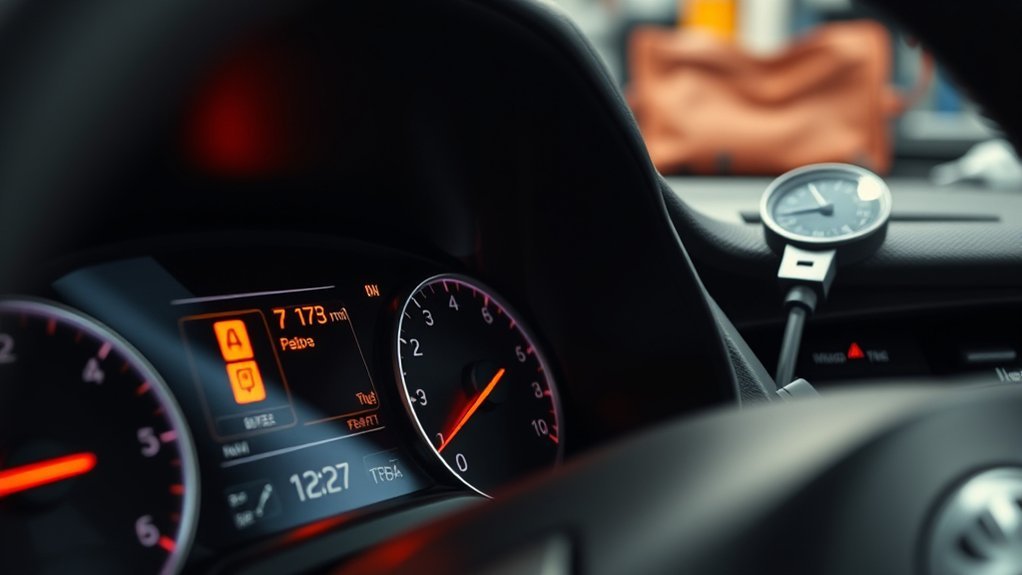
Start with the easiest checks before you assume the TPMS sensor failed. Many persistent warnings come from slow leaks, incorrect pressure readings, or a tire that lost air again after inflation.
If the tire pressure stays correct but the light remains on, inspect the sensor function next. A TPMS scan tool can read sensor IDs, pressure readings, and battery status.
Check Tire Pressure Regularly
Check your RAV4 tire pressure at least once a month and before long trips. Regular checks help you catch slow leaks before the TPMS light turns on.
Cold weather can reduce tire pressure, so check more often when temperatures drop. If one tire keeps losing air, inspect it for nails, valve-stem leaks, or bead leaks.
Inspect TPMS Sensor Functionality
When the TPMS light stays on after correct inflation, inspect each sensor. A repair shop can use a TPMS scan tool to find weak batteries, damaged sensors, or programming issues.
| Issue | Solution |
|---|---|
| Underinflated tire | Inflate to the door-jamb pressure |
| Slow leak | Inspect tire, valve stem, and wheel bead |
| Blinking light | Scan TPMS sensors for faults |
| New tire or wheel installed | Register or relearn TPMS sensors if needed |
| Persistent light | Follow the owner’s manual reset method |
If the light persists, ask a qualified technician to test the system. Repeated resets will not fix a failed sensor.
Alternative Methods to Reset the TPMS Light

If the normal driving method does not clear the TPMS light, check your owner’s manual for your model-specific reset method. Some RAV4 models use a TPMS reset button, while newer models may use the instrument display settings.
If your RAV4 has a reset button, turn the ignition on without starting the engine. Hold the TPMS reset button until the tire pressure light blinks, then drive normally so the system can relearn the tire pressure.
A battery disconnect may clear some warnings, but it can also reset other vehicle settings. Use that method only if you understand the steps in your owner’s manual or a technician recommends it.
Note: The TPMS reset button location can vary, so check below the steering wheel, near the lower dash, or in the settings menu.
Check Your Spare Tire Pressure Regularly
After you check the four road tires, review your spare tire setup. Some vehicles monitor the spare tire, while others do not, but a low spare can still leave you stranded during a flat.
- Check the spare tire during routine tire pressure checks.
- Inflate the spare to the pressure listed in your owner’s manual or on the tire label.
- Inspect the spare for cracks, age, and tread damage.
- Confirm that the jack, lug wrench, and spare tools are present.
A properly inflated spare gives you a safer backup plan. It also helps you avoid delays when you already have a flat tire.
Common Causes of TPMS Light Issues
Low tire pressure causes many TPMS warnings, but it is not the only reason the light turns on. Your RAV4 may also warn you about sensor or system problems.
- Low tire pressure: A tire lost air from normal seepage, cold weather, or a small leak.
- Incorrect inflation: One or more tires do not match the pressure on the door label.
- Slow leak: A nail, valve stem leak, or wheel bead leak lets air escape.
- Dead sensor battery: TPMS sensors have batteries that can fail with age.
- Unregistered sensor: A new wheel or tire sensor may need relearning.
- Damaged sensor: Tire service, corrosion, or impact damage can harm a sensor.
If the light turns on again after you add air, do not ignore it. Recheck the pressure and look for a leak.
When to Consult a Professional for TPMS Problems
Seek professional help when the tire pressure light stays on after you inflate every tire correctly. A shop can test the sensors, inspect the tires, and check the TPMS control system.
If your RAV4 tire pressure light remains on after correct inflation, treat it as a warning that needs diagnosis.
- Visit a technician if the TPMS light blinks before staying solid.
- Ask for a leak test if the same tire keeps losing pressure.
- Request a TPMS scan if you recently replaced tires, wheels, or sensors.
- Get help if your reset button or menu reset does not work.
A tire shop can often find the issue quickly with the right scan tool. This saves time and helps you avoid unsafe driving.
Frequently Asked Questions
How do you reset the low tire pressure light on a Toyota RAV4?
Check all tires with a gauge and inflate them to the pressure listed on the driver’s door placard. Then drive normally for several minutes or use the TPMS reset button or menu if your RAV4 has one.
Where is the TPMS button on a RAV4?
Some RAV4 models have a TPMS reset button below the steering wheel, near the lower dash, or around the center console area. Newer models may place tire pressure reset options inside the vehicle settings menu instead.
Why is my tire pressure light still on after filling the tires on my Toyota RAV4?
The light may stay on if one tire still has the wrong pressure, a tire has a slow leak, or the system has not updated yet. If the light blinks, your RAV4 may have a TPMS sensor or system fault.
Can cold weather turn on the RAV4 tire pressure light?
Yes, cold weather can lower tire pressure and trigger the TPMS light. Check the tires when they are cold, then inflate them to the pressure shown on the driver’s door label.
Is it safe to drive with the TPMS light on?
You should check the tire pressure before you keep driving. If a tire is very low, inflate it or repair it first, because low pressure can reduce handling and damage the tire.
Safety Disclaimer
This article is for general vehicle maintenance information only. Always follow your Toyota RAV4 owner’s manual and the tire pressure label on your vehicle. If you suspect a tire leak, sensor fault, or unsafe tire condition, contact a qualified tire technician.
Conclusion
Your RAV4 tire pressure light usually turns off after you correct the tire pressure and let the TPMS update. Check every tire with a gauge, inflate to the door-jamb pressure, and drive normally before trying more reset steps. If the light stays on or blinks, let a technician scan the TPMS and inspect the tires. A few minutes of tire care can help keep your RAV4 safer, smoother, and ready for the road.