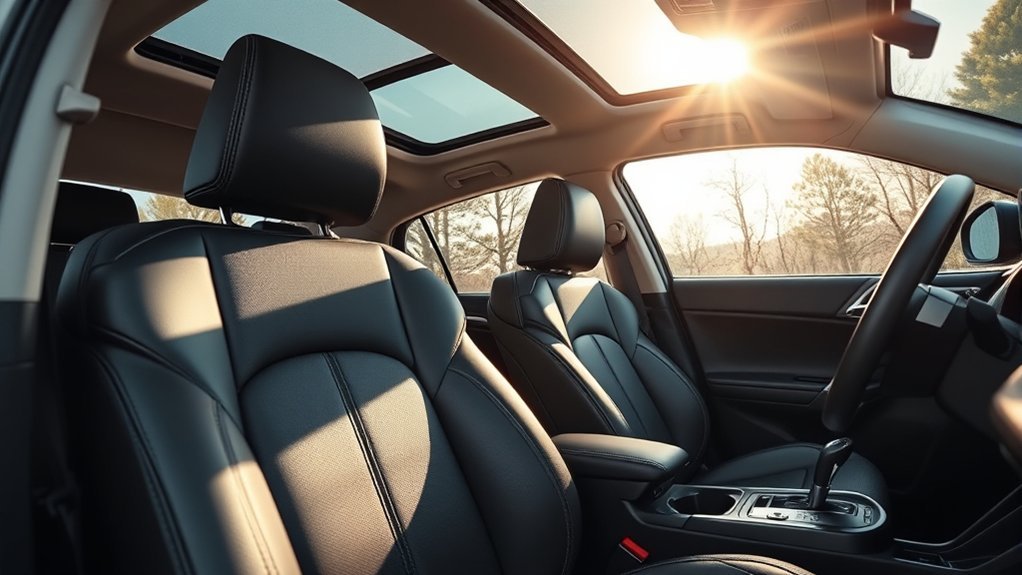
Toyota RAV4 seat comfort is not a simple yes-or-no issue. Some drivers find the upright position supportive, while others notice firm padding, a short-feeling cushion, or pressure from the center console during longer trips. Model year, trim, body shape, and seat setup all matter, so the exact RAV4 you drive is more important than the badge alone.
Quick Answer
RAV4 seats feel supportive to many people but firm or flat to others. The 2019–2025 front passenger seat is a common concern because it sits high and has limited adjustment on many trims. The redesigned 2026 RAV4 adds broader seat adjustment across the lineup, but a long test drive is still essential.
Key Takeaways
- Comfort varies by body type, model year, trim, seat material, and driving position.
- Independent testing of the 2026 RAV4 found firm padding and a higher-than-ideal seating position, although adults can still fit comfortably in both rows.
- The 2026 LE lists manual 6-way adjustment for both front seats, while XSE and Limited add power 8-way adjustment for the front passenger.
- Start with the factory controls before buying a cushion, and never modify the seat rails or block seat-mounted airbag seams.
- Persistent pain, numbness, or weakness needs more than a seating hack; stop when safe and seek medical advice if symptoms continue.
How Comfortable Are Toyota RAV4 Seats Compared to Other Vehicles?
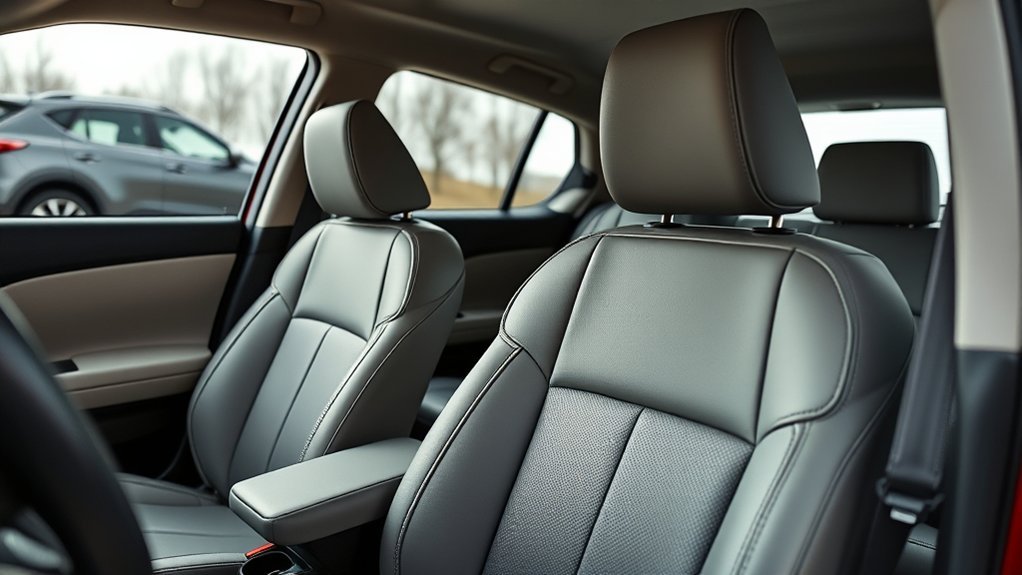
Compared with other compact SUVs, the RAV4 delivers a useful upright view and reasonable space, but it is not always a class leader for seat comfort. An independent 2026 RAV4 test by Edmunds described the front-seat padding as firm and the seating position as higher than preferred after several hours. At the same time, Car and Driver found enough room for adults to get comfortable in both rows.
That mixed result is more useful than saying the RAV4 is either comfortable or uncomfortable. The shape of the seat bottom, side bolsters, center console, steering-wheel reach, and pedal position can affect each driver differently. A person with long thighs may want more cushion length, while a shorter driver may value the elevated view.
The same caution applies when comparing the RAV4 with the Subaru Forester, Honda CR-V, Kia Sportage, Nissan Rogue, or a luxury SUV. Review scores can narrow your list, but they cannot predict how the seat will fit your hips, thighs, back, and shoulders. Use a site such as Kelley Blue Book to compare equipment, then sit in and drive the exact trims you are considering.
Seat comfort is personal: the most useful review is a long drive in the exact model year and trim you plan to own.
What Complaints Do RAV4 Owners Have About Seat Comfort?
Owner reviews and professional road tests show several recurring themes, but they are not a scientific survey of every RAV4 driver. Complaints vary by generation and trim, and positive experiences are common too.
| Common Concern | What It May Feel Like | Safer First Step |
|---|---|---|
| Firm or flat seat bottom | Pressure under the thighs, hips, or sitting bones on longer drives | Change seat height and tilt, then retest before adding a thin cushion |
| Short-feeling cushion | Limited thigh support for some taller drivers | Move the seat slightly back while keeping full pedal control |
| High front passenger position | Reduced headroom or a perched feeling, especially in 2019–2025 models | Test the passenger seat with your usual passenger before buying |
| Center-console or bolster contact | Pressure against the right knee, outer thigh, or hips | Try a different seat height and compare standard versus sport seats |
| Lumbar pressure | A hard spot in the lower back or difficulty relaxing the shoulders | Retract the lumbar support and add it back gradually |
Do not assume the highest trim will automatically be the softest. Sport seats may use firmer bolsters, while a simpler fabric seat may fit a particular body better. The best comparison is side-by-side testing of the trims available in your model year.
What Products Can Enhance RAV4 Seat Comfort?
Start with free adjustments. If those do not solve the problem, a carefully chosen accessory may help, but it must not interfere with the seat belt, pedals, occupancy sensor, heating or ventilation, or a seat-mounted side airbag.
- Thin automotive seat cushion: A low-profile foam or gel cushion may reduce pressure, but a thick cushion can raise you too close to the roof or change belt fit.
- Small lumbar roll: A modest lumbar pad can support the natural inward curve of the lower back. The CDC/NIOSH posture guidance explains why low-back support and an upright position can matter during prolonged sitting.
- Breathable seat cover: A model-specific cover may improve surface feel, provided it is explicitly compatible with seat-mounted airbags and does not cover ventilation perforations.
- Manufacturer-approved adaptive equipment: Drivers with a significant fit or mobility problem should use a qualified mobility specialist rather than improvised seat-rail changes. The NHTSA adapted-vehicle guide explains the role of professional evaluation.
Warning: Do not place cardboard, wood, loose blocks, or homemade spacers under the cushion. Do not drill, extend, or alter the seat rails. These changes can affect seat stability, airbag operation, pedal control, and seat-belt geometry.
Note: Taking a thick wallet or other object out of a back pocket may reduce uneven pressure, but it will not correct a seat that is fundamentally the wrong shape for your body.
How to Adjust RAV4 Seats for Better Comfort
Make all major adjustments while parked. The goal is to reach the pedals and steering wheel without stretching, keep your shoulders supported, and maintain correct seat-belt placement.
At a Glance
| Time Required | 10–20 minutes for setup, plus a 30-minute or longer test drive |
| Difficulty | Easy |
| Tools Needed | None; optional thin automotive cushion or small lumbar roll |
| Cost | $0 for adjustments; accessory cost varies |
- Set the distance from the pedals. Slide the seat until you can fully press the brake while keeping your hip against the seatback and a slight bend in your knee.
- Adjust seat height. Keep a clear view of the road and gauges without placing your head too close to the roof.
- Fine-tune the seat-bottom angle. Support your thighs without creating hard pressure behind the knees.
- Set a supportive seatback angle. Keep your shoulders in contact with the backrest and avoid reclining farther than necessary.
- Add lumbar support gradually. Begin with the lumbar control retracted, then increase it until the lower back feels supported rather than pushed forward.
- Bring the steering wheel to you. Use the tilt and telescoping adjustment so your shoulders stay relaxed and your elbows remain slightly bent.
- Check the head restraint. Position it to support the back of your head rather than your neck, following the owner’s manual.
- Confirm seat-belt fit. NHTSA says the lap belt should rest across the hips and the shoulder belt should cross the middle of the chest, away from the neck. Review its seat-belt safety guidance.
- Test one change at a time. Drive your normal route and make small adjustments so you can identify what actually helps.
Pro Tip: On trims with seat memory, save a comfortable position for normal driving and a second slightly different position for long trips. Small changes in seat height or backrest angle can shift pressure during extended drives.
How Do RAV4 Seat Features Differ Across Trim Levels?
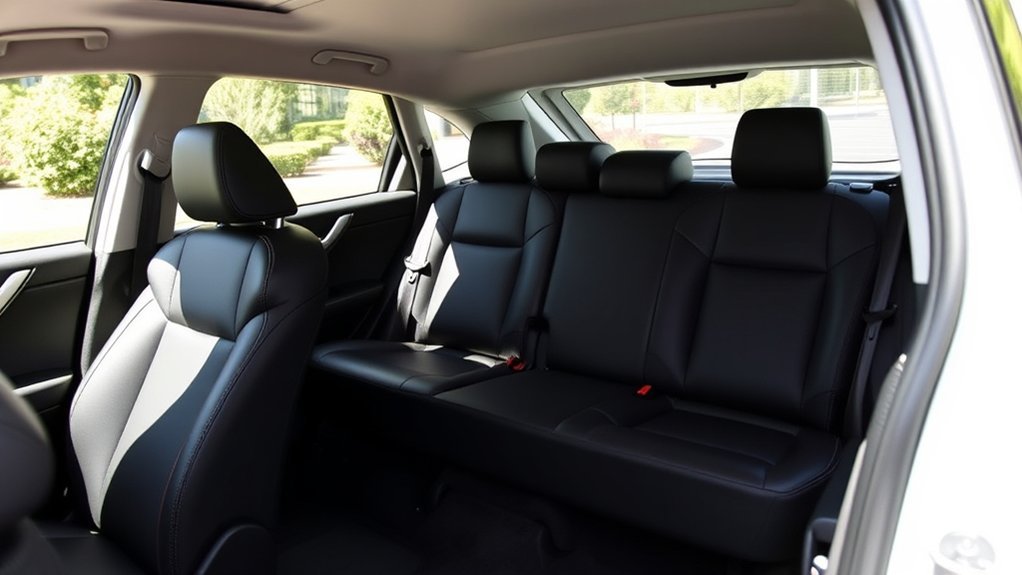
Seat equipment changes by model year, so older advice may not apply to a new RAV4. Toyota redesigned the vehicle for 2026 and changed both the lineup and front-seat adjustment. Always confirm the window sticker or official specifications for the exact vehicle.
2026 RAV4 Seat Features by Trim
The following U.S.-market features come from Toyota’s 2026 RAV4 grade information. Packages and regional specifications can differ.
| 2026 Trim | Seat Material | Front-Seat Adjustment and Comfort Features |
|---|---|---|
| LE | Fabric | Manual 6-way driver and manual 6-way passenger |
| XLE Premium | SofTex | Power 8-way driver, manual 6-way passenger, heated front seats |
| Woodland | SofTex | Power 8-way driver and manual 6-way passenger |
| SE | Fabric sport trim | Power 8-way driver, manual 6-way passenger, heated front seats |
| XSE | Ultrasuede and SofTex sport trim | Power 8-way driver with memory, power 8-way passenger, heated and ventilated front seats |
| Limited | SofTex | Power 8-way driver with memory, power 8-way passenger, heated and ventilated front seats, heated rear outboard seats |
| GR SPORT | Brin Naub synthetic suede and SofTex sport trim | Power 8-way driver, manual 6-way passenger, heated front seats, wider sport bolsters |
Standard Vs. Premium Features
The base 2026 LE keeps fabric upholstery and manual controls. Moving up can add SofTex, driver-seat power adjustment, memory, heat, ventilation, or power passenger adjustment. Those features improve convenience, but they do not guarantee a better fit. A wide sport bolster can feel secure to one driver and restrictive to another.
Adjustability Across Trim Levels
Adjustment range is often more important than upholstery. The redesigned 2026 LE has manual 6-way adjustment for both front seats. XLE Premium, Woodland, SE, and GR SPORT add a power 8-way driver seat but retain a manual 6-way passenger seat. XSE and Limited provide power 8-way adjustment for both front occupants.
For the 2025 RAV4, Toyota listed a 6-way driver seat and 4-way passenger seat on LE models. Many 2019–2025 reviews also criticized the fixed-height or high-feeling front passenger position. This is why any statement about “the RAV4 passenger seat” needs a model year.
Material Quality Differences
Fabric, SofTex, synthetic suede, perforation, stitching, and bolster shape change the surface feel. SofTex is Toyota’s synthetic upholstery, not leather. Heated and ventilated seats can improve temperature comfort, but ventilation does not change the underlying cushion length, firmness, or pressure points.
Key Factors for Prospective RAV4 Buyers Regarding Seat Comfort
Do not judge a RAV4 seat from a five-minute showroom sit. Wear your normal shoes, empty bulky items from your pockets, set the steering wheel and mirrors, and drive on the kinds of roads you use most.
Seat Design Considerations
- Seat-bottom length: Check whether your thighs feel supported without pressure behind the knees.
- Bolster width: Compare standard and sport seats if the side bolsters touch your hips or thighs.
- Console clearance: Make sure your right knee does not press against the center console during normal pedal use.
- Backrest and lumbar shape: Start with minimal lumbar support and increase it slowly.
- Headroom and entry: Test the seat at the height you need for visibility, not only at its lowest setting.
The Passenger Seat Problem
The front passenger seat is a well-documented concern on many fifth-generation RAV4s from 2019 through 2025. It can feel high, and lower trims generally offer less passenger adjustment than the driver receives. Toyota listed only a 4-way front passenger seat on the 2025 LE, while the Limited used a 4-way power passenger seat.
The 2026 redesign changes that picture: Toyota lists a manual 6-way passenger seat on LE, XLE Premium, Woodland, SE, and GR SPORT, plus a power 8-way passenger seat on XSE and Limited. Shoppers should therefore avoid applying a 2025 complaint automatically to a 2026 vehicle.
Personal Comfort Preferences
Height alone does not determine comfort. Leg length, torso length, hip width, shoulder position, mobility, and previous back or joint problems can all change the result. One tall driver may fit well while another person of the same height may dislike the cushion or console.
Do not treat pain as proof that every RAV4 seat is defective, and do not assume you will “get used to it.” If discomfort appears during a proper test drive and small adjustments do not solve it, compare another trim or vehicle.
Test Drive Recommendations
- Drive the exact trim. LE, Limited, XSE, and GR SPORT seats do not have the same material, controls, or bolster shape.
- Stay in the seat long enough. Ask for an extended drive that includes local roads and highway time when possible.
- Test both front seats. Have the usual passenger check entry, headroom, cushion support, and belt fit.
- Try your normal routine. Check pedal reach, mirror adjustment, console clearance, and visibility while wearing your usual shoes.
- Compare immediately. Drive a competing SUV on the same day so the differences remain clear.
Reading owner forums can reveal patterns, but forum posts should be treated as individual experiences, not proof that every vehicle has the same problem.
How Does Seat Comfort Impact Long-Distance Driving in the RAV4?
A minor pressure point during a short commute can become distracting on a long trip. Firm padding, limited thigh support, excessive lumbar pressure, or a poor steering-wheel position may contribute to fatigue. Road vibration and an unchanging posture can add to the problem.
| What You Notice | What to Do |
|---|---|
| Mild stiffness that improves after moving | Take regular breaks, vary posture, and make one small seat adjustment |
| Pressure behind the knees or under the thighs | Reduce cushion tilt or height while preserving safe pedal reach |
| Lower-back pressure | Retract lumbar support, bring the seatback more upright, and reassess |
| Numbness, tingling, weakness, or pain that affects control | Stop driving when safe and seek medical advice |
Warning: A cushion is not a treatment for persistent back, hip, leg, or neck pain. Do not continue driving when pain, numbness, weakness, or restricted movement makes it harder to steer, brake, or check traffic safely.
Are There Positive Experiences With RAV4 Seats?
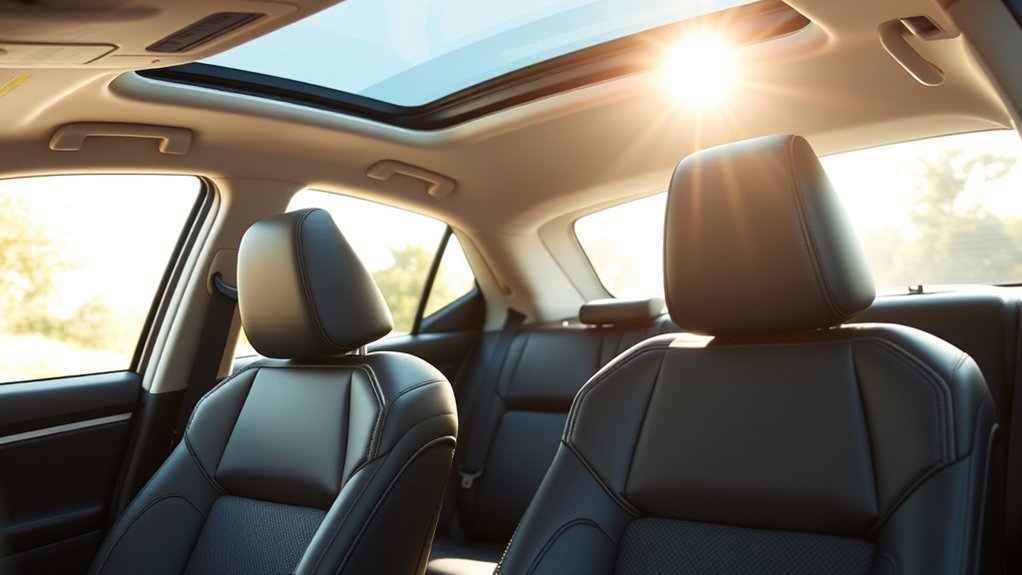
Yes. Many drivers like the RAV4’s upright view, straightforward controls, and supportive feel. The cabin provides usable room for adults, and higher trims offer heat, ventilation, memory, and more passenger adjustment. Some people also prefer firmer padding because it feels supportive rather than soft or saggy.
Positive and negative reviews can both be honest because bodies and expectations differ. A driver who dislikes a deeply bolstered sport seat may feel comfortable in the standard fabric seat, while another driver may prefer the sport seat’s lateral support. That is why the exact trim matters more than a broad claim about all RAV4s.
Frequently Asked Questions
Which RAV4 has the most adjustable front seats?
For the 2026 U.S. lineup, XSE and Limited list power 8-way adjustment for both front seats. Limited uses SofTex, while XSE uses sport-trimmed synthetic suede and SofTex. More adjustment does not automatically mean a softer or wider seat, so test both.
Are 2026 RAV4 seats more comfortable than 2019–2025 seats?
The 2026 redesign expands front-passenger adjustment and changes seat materials and shapes across the lineup. However, independent reviewers still describe the 2026 padding as firm and the seating position as high. Comfort may improve for some people without improving for everyone.
What is the main RAV4 seat-comfort weakness?
Common concerns include firm or flat-feeling cushions, limited thigh support for some drivers, a high front passenger position on many 2019–2025 models, and pressure from sport bolsters or the center console. The main issue depends on model year and body shape.
How can I make RAV4 seats more comfortable?
Set pedal distance first, then adjust height, cushion angle, backrest, lumbar support, steering-wheel reach, head restraint, and seat-belt fit. A thin automotive cushion or small lumbar roll may help if it does not affect the belt, pedals, occupancy sensor, heating, ventilation, or side airbags.
Can I use a seat extender or modify the seat rails?
Do not use homemade rail extenders, spacers, cardboard, or loose blocks. Seat and rail modifications can affect crash performance, airbag operation, pedal reach, and seat-belt geometry. Drivers who need adaptive equipment should use a qualified mobility specialist and properly engineered components.
What car brands have the most comfortable seats?
There is no universal winner. Volvo, Nissan, Mercedes-Benz, Audi, Subaru, Kia, and other brands have models that reviewers or owners praise, but comfort changes by vehicle, trim, and body type. Compare the exact vehicles on the same route instead of buying by brand reputation alone.
Conclusion
Toyota RAV4 seats are comfortable for many drivers, but firm padding, cushion length, bolster shape, console clearance, and passenger-seat height can create problems for others. The 2019–2025 and redesigned 2026 models should not be treated as if they have identical seats or adjustment ranges.
Begin with a careful factory-seat setup, protect correct seat-belt fit, and avoid homemade seat or rail modifications. Most importantly, take a long test drive in the exact trim you plan to buy. If the seat causes persistent pain or affects safe vehicle control, choose a different setup, trim, or vehicle rather than forcing the fit.
Sources
- Toyota USA Newsroom: 2026 RAV4 grade and seating features — backs the current trim, material, adjustment, heating, and ventilation details.
- Toyota: 2026 RAV4 specifications — confirms current U.S. trim and feature availability.
- Toyota USA Newsroom: 2025 RAV4 features — backs the previous-generation driver and passenger seat adjustments.
- National Highway Traffic Safety Administration: Seat Belt Safety — backs correct lap- and shoulder-belt placement.
- CDC/NIOSH: Seated posture and low-back support — supports the general ergonomic guidance on upright posture and lumbar support.
- NHTSA: Adapted Vehicles — supports professional evaluation for adaptive seating and mobility equipment.